How To Cure High Blood Pressure In 3 Minutes

Key Takeaways
- There is no safe three-minute cure for high blood pressure, but calm breathing and resting may help reduce a short-term rise.
- Hypertension often has no symptoms, so regular blood pressure checks are important even when a person feels well.
- Treatment may include lifestyle changes, medicines, and follow-up monitoring based on a doctor’s assessment.
- Sudden very high readings with chest pain, severe headache, breathlessness, weakness, or vision changes need urgent medical care.
- Long-term control works best when home monitoring, medical guidance, and realistic daily habits are combined.
High blood pressure cannot be cured in three minutes, but a few calm, safe actions may help lower a temporary spike while a person arranges proper care. This article explains what hypertension is, how it is diagnosed, and the longer-term treatment and lifestyle steps that help protect the heart, brain, kidneys, and blood vessels.
Overview
The phrase “how to cure high blood pressure in 3 minutes” sounds appealing, especially when a home monitor shows a number that feels unexpectedly high. In reality, hypertension does not have a quick cure. What a person can sometimes do in a few minutes is reduce stress, sit quietly, and avoid choices that may push the reading even higher while deciding what to do next.
High blood pressure, also called hypertension, means the force of blood against the artery walls stays elevated over time. Because it often develops quietly, many people discover it only during a routine check, a pre-travel assessment, or an evaluation for another problem. That is why the focus is not on a shortcut, but on understanding the pattern, confirming the diagnosis, and building a plan that fits daily life.
For international patients, this often becomes part of a broader care journey: getting tested at home, reviewing medication options with a doctor, and then arranging follow-up abroad or after returning home. A good plan is practical, not dramatic, and it is designed to reduce risk over months and years rather than minutes.
Symptoms
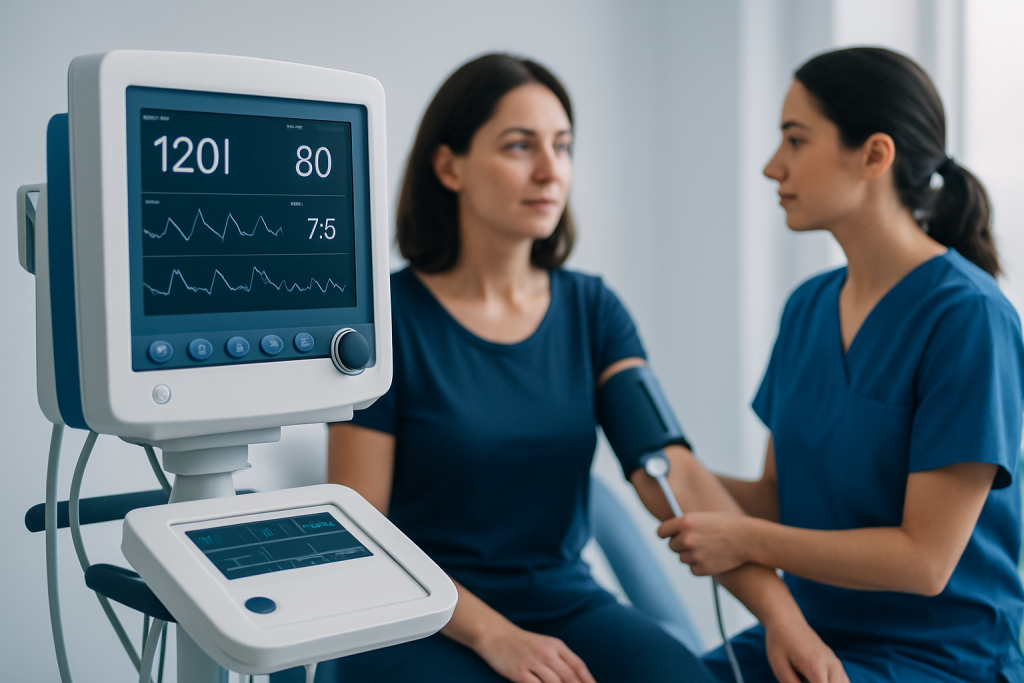
Most people with high blood pressure feel perfectly normal. That is one of the reasons it is sometimes called a “silent” condition. A person may only notice it because of a blood pressure reading taken at a pharmacy, clinic, workplace screening, or during a hospital visit for something unrelated.
When blood pressure becomes very high, some people may develop headache, dizziness, blurred vision, nosebleeds, chest discomfort, shortness of breath, or a sense of flushing. These symptoms do not always mean the blood pressure is the cause, but they deserve attention, especially if they appear suddenly.
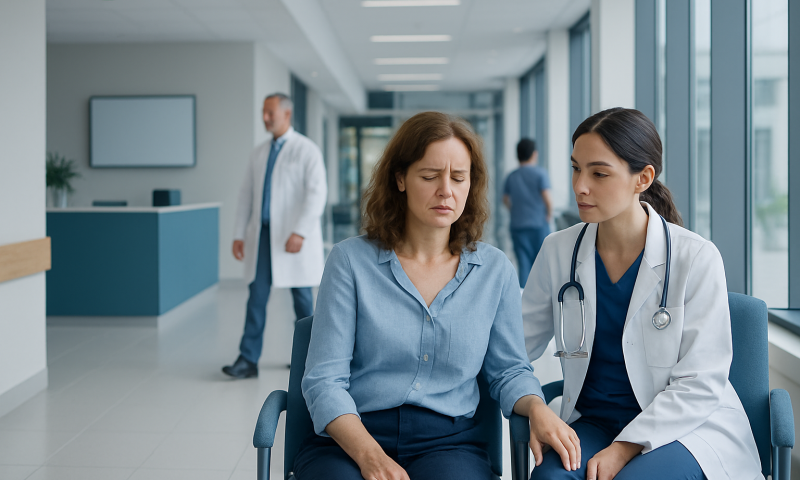
It is also important to know the warning signs of a hypertensive emergency. Severe chest pain, difficulty speaking, one-sided weakness, confusion, fainting, or a major change in vision can point to urgent complications and should be treated immediately.
Causes & Risk Factors
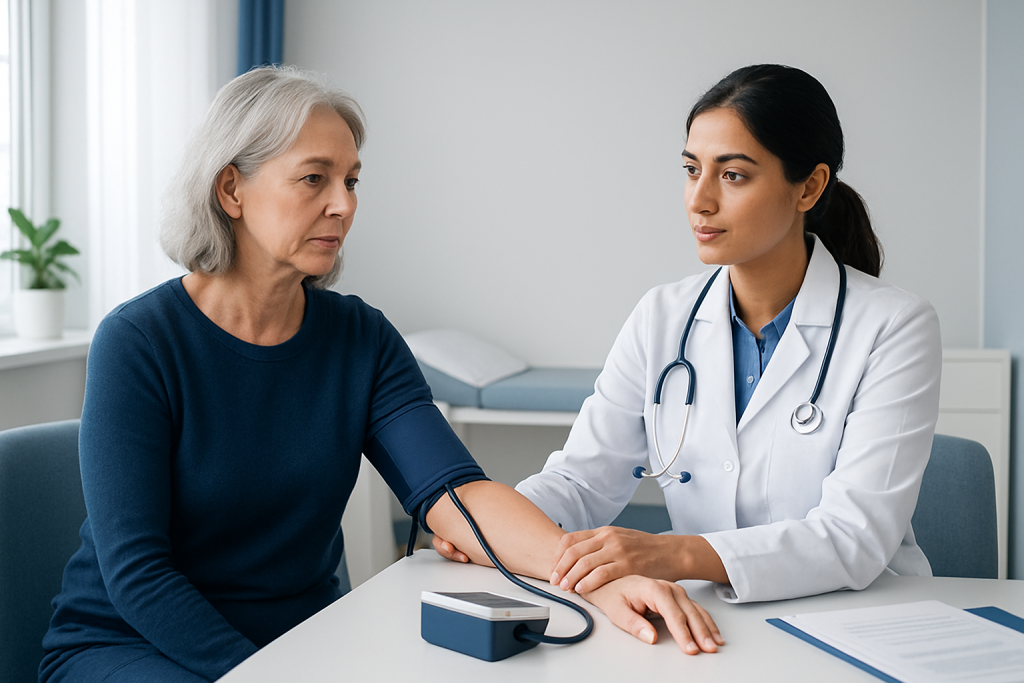
In many adults, hypertension develops gradually without a single clear cause. This is often called primary or essential hypertension. Over time, a mix of genetics, age, blood vessel changes, and everyday habits can contribute to consistently elevated readings.
Some people develop secondary hypertension, which is high blood pressure linked to another medical issue such as kidney disease, sleep apnea, hormone disorders, or certain medications. In these cases, treating the underlying condition is part of the blood pressure plan.
- Family history of hypertension or early heart disease
- Older age
- Overweight or obesity
- High salt intake and low physical activity
- Smoking and frequent alcohol use
- Chronic stress and poor sleep
- Kidney, thyroid, or adrenal disorders
- Some medicines, including certain pain relievers and decongestants
Risk factors do not guarantee that a person will develop hypertension, but they help doctors decide how closely to monitor blood pressure and whether additional testing is needed.
Diagnosis
Blood pressure is diagnosed with repeated measurements, not a single reading. A doctor usually wants to know whether the higher number was temporary, related to pain or stress, or part of a longer pattern. For that reason, the same person may be asked to have measurements taken on different days or to use a home monitor for tracking.
Correct technique matters. The person should sit quietly with back supported, feet on the floor, and the arm at heart level. Talking, crossing legs, using the wrong cuff size, or checking immediately after exercise or caffeine can change the result. A reliable home log can be very useful, especially for patients traveling internationally and trying to share data with a clinician in another country.
If hypertension is confirmed, a doctor may order blood tests, urine tests, an electrocardiogram, or other studies to look for organ effects or a cause that can be treated. These tests help move beyond the number itself and show whether the heart, kidneys, or blood vessels are under strain.
Treatment Options
The right treatment depends on how high the blood pressure is, whether other medical conditions are present, and the person’s overall cardiovascular risk. Some people start with lifestyle changes alone, while others need medication from the beginning. There is no one-size-fits-all cure.
For a sudden high reading without danger signs, the safest short-term step is usually to rest, breathe slowly, and recheck the blood pressure after a quiet period. Drinking water if the person is mildly dehydrated and avoiding nicotine, caffeine, alcohol, and exercise for the moment may also help. If the reading remains very high or symptoms are present, medical advice should be sought promptly rather than trying to “push it down” at home.
Doctors may prescribe one or more blood pressure medicines depending on the pattern and the patient’s needs. Common categories include diuretics, ACE inhibitors, ARBs, calcium channel blockers, and beta blockers. The exact choice is individualized; patients should not start, stop, or combine medicines without professional guidance.
In some cases, treatment also addresses the condition causing the blood pressure rise, such as sleep apnea or kidney disease. That is why a careful diagnosis matters: it can change the entire treatment path.
Prevention & Self-care
Daily habits make a real difference, even though they do not work like a three-minute fix. A heart-healthy routine supports steadier blood pressure and can make medications work better when they are needed. Small changes are often easier to maintain than strict short-lived plans.
Useful self-care steps include:
- Eating more vegetables, fruit, legumes, and whole grains
- Reducing salt and highly processed foods
- Staying physically active in a doctor-approved way
- Maintaining a healthy weight, if needed
- Limiting alcohol and avoiding tobacco
- Managing stress with breathing, sleep, or relaxation routines
- Taking prescribed medicines consistently
- Checking blood pressure at home and recording the results
For patients who live in another country or travel frequently, it helps to keep a medication list, past blood pressure readings, and test results in one place. That makes follow-up easier whether care happens locally or through an international medical center. Acibadem Health Point’s multidisciplinary specialists and JCI-accredited hospitals diagnose and treat this condition for international patients, which can simplify coordinated care and follow-up.
When To See a Doctor
Medical evaluation is appropriate whenever blood pressure readings stay high on repeat checks, even if the person feels fine. A clinician can confirm whether the pattern truly reflects hypertension and decide whether lifestyle changes, medication, or more testing is needed.
Urgent care is recommended if high blood pressure comes with chest pain, shortness of breath, severe headache, fainting, confusion, weakness, difficulty speaking, or sudden vision changes. These may signal a medical emergency rather than an isolated blood pressure spike.
It is also wise to arrange a doctor visit if a home monitor shows consistently elevated readings, if a new medication seems to have changed the blood pressure, or if a person has another condition such as diabetes, kidney disease, or pregnancy. In those situations, early guidance can prevent complications and reduce uncertainty.
Frequently asked questions
Can high blood pressure be cured in 3 minutes?
No. High blood pressure cannot be cured in three minutes. A person may be able to rest, breathe slowly, and recheck a temporary spike, but true treatment usually requires ongoing medical care and lifestyle support.
What should someone do if blood pressure is suddenly very high?
They should sit quietly, avoid caffeine or nicotine, and recheck the reading after a few minutes if they feel well. If there is chest pain, breathlessness, severe headache, weakness, confusion, or vision changes, urgent medical care is needed.
Can stress cause a blood pressure reading to go up?
Yes, stress can temporarily raise blood pressure. That does not mean the person has chronic hypertension, but repeated high readings should still be checked by a doctor.
Do people with high blood pressure always feel symptoms?
No, many people have no symptoms at all. Because hypertension is often silent, routine blood pressure checks are important.
Are home blood pressure monitors useful?
Yes, they can be very helpful when used correctly. A doctor can explain how to measure accurately and how to keep a log that supports diagnosis and treatment decisions.
Is lifestyle change enough for everyone?
Not always. Some people improve with diet, activity, and weight management, while others also need medication, especially if the blood pressure is higher or there are other risk factors.
References
- American Heart Association
- World Health Organization
- Centers for Disease Control and Prevention
- National Heart, Lung, and Blood Institute
- European Society of Cardiology
This article is for general information only and is not a substitute for professional medical advice. Please consult a qualified doctor about your individual situation.