And Arteries

Key Takeaways
- Arteries deliver oxygen-rich blood from the heart to body tissues.
- Common artery problems include atherosclerosis, narrowing, and aneurysms.
- Risk factors such as smoking, high blood pressure, diabetes, and high cholesterol can damage arteries over time.
- Symptoms depend on where the affected artery is located and may include chest pain, leg pain, or stroke warning signs.
- Diagnosis often involves physical examination, blood tests, and imaging studies.
- Healthy habits and timely medical care can help protect artery health and reduce complications.
Arteries are the blood vessels that carry oxygen-rich blood from the heart to the rest of the body. When they stay healthy, circulation is efficient; when they narrow or stiffen, symptoms can appear and the risk of serious complications rises.
Overview
Arteries are the body’s high-pressure delivery routes. Their job is to move oxygen-rich blood away from the heart and toward organs, muscles, and tissues that need fuel to function. Because they carry blood under pressure, arteries have thicker, more muscular walls than veins.
When arteries are healthy, blood flows smoothly and the heart does not have to work harder than necessary. Over time, however, arterial walls can become stiff, narrowed, or damaged. This is why artery health matters not only for the heart, but also for the brain, kidneys, legs, and nearly every other organ.
People often think of arteries only when a problem becomes noticeable, such as chest discomfort or leg pain while walking. In reality, arterial disease can develop quietly for years. For international patients planning care abroad, understanding the basics can make it easier to recognize symptoms early, ask the right questions, and follow a treatment plan confidently after returning home.
Symptoms
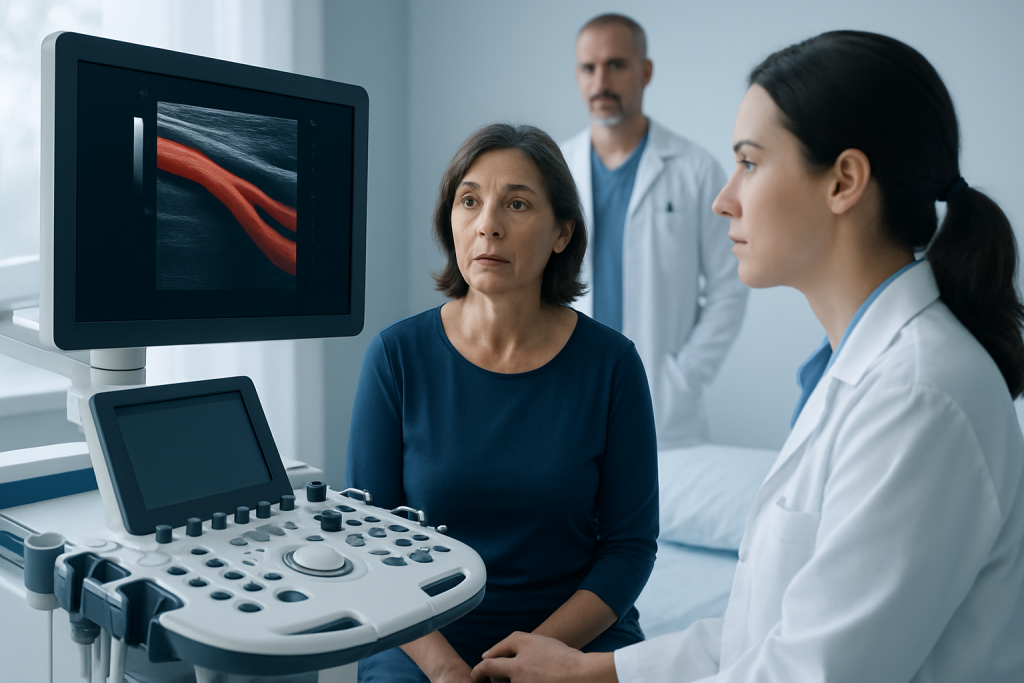
Symptoms depend on which artery is affected and how much blood flow is reduced. Some people notice no symptoms at first, especially when plaque builds slowly. Others develop signs that are easy to mistake for ordinary fatigue or aging.
Common symptoms may include:
- Chest pressure or discomfort, especially with exertion
- Shortness of breath or reduced exercise tolerance
- Pain, cramping, or heaviness in the legs when walking
- Numbness, weakness, or coldness in an arm or leg
- Dizziness, vision changes, or trouble speaking if brain blood flow is affected
Sudden severe symptoms deserve prompt medical attention. A blocked artery in the heart, brain, or limbs can become an emergency, so it is important not to wait for symptoms to “settle down” on their own.
Causes & Risk Factors

The most common cause of artery disease is atherosclerosis, a process in which fatty deposits, cholesterol, and inflammatory material build up inside the artery wall. As plaque accumulates, the vessel may narrow and lose flexibility, limiting blood flow.
Several factors can speed up this process or make arteries more vulnerable. These include smoking, high blood pressure, high LDL cholesterol, diabetes, chronic kidney disease, obesity, physical inactivity, older age, and a family history of cardiovascular disease. A diet high in ultra-processed foods and low in fiber can also contribute over time.
Not every artery problem is caused by plaque. Some people develop aneurysms, which are abnormal bulges in the artery wall, or inflammation of the blood vessels. Genetic conditions, trauma, and certain connective tissue disorders may also play a role. A doctor usually looks at the full picture rather than a single risk factor.
Diagnosis
Diagnosis begins with a careful medical history and physical examination. A clinician may ask about pain patterns, exercise tolerance, smoking history, blood pressure, diabetes, and any prior heart or stroke events in the family. Pulse checks and listening for abnormal blood flow sounds can offer useful clues.
Tests are chosen based on the suspected problem and the artery involved. Common options include blood tests for cholesterol and blood sugar, an electrocardiogram, ultrasound, ankle-brachial index testing for leg circulation, CT or MR angiography, and sometimes catheter-based angiography. These studies help show where blood flow is reduced and how severe the narrowing may be.
For international patients, diagnosis is often coordinated across specialties so that imaging, laboratory work, and consultation can happen in a streamlined way during the same trip. A good plan also includes clear instructions for follow-up once the patient is back home.
Treatment Options
Treatment depends on the location and severity of the artery problem. For many people, the first step is to reduce risk factors and improve blood flow with lifestyle changes and medical therapy. This may include medicines to lower cholesterol, control blood pressure, manage diabetes, or reduce clotting risk when appropriate.
If an artery is significantly narrowed or blocked, a procedure may be recommended. Options can include angioplasty and stent placement to open a vessel, or bypass surgery to route blood around a blocked section. Some artery problems, such as aneurysms, may require monitoring, minimally invasive repair, or surgery depending on size and location.
Care is usually individualized. A person with mild plaque may need long-term prevention and monitoring, while someone with chest pain or limb-threatening circulation loss may need urgent intervention. The safest plan is the one matched to the specific artery, overall health, and future risk profile.
Prevention & Self-care
Artery health responds well to everyday habits. Stopping smoking is one of the most effective steps a person can take. Regular physical activity, a balanced diet rich in vegetables, fruits, legumes, whole grains, and healthy fats, and maintaining a healthy weight can all support circulation.
It also helps to keep blood pressure, cholesterol, and blood sugar under control. That may mean taking prescribed medicines consistently, attending follow-up visits, and tracking home readings when a doctor recommends it. Good sleep, stress management, and limiting excess alcohol can also support long-term vascular health.
After treatment, recovery often includes walking plans, medication review, and repeat imaging or clinic visits. International patients should ask for written discharge instructions, warning signs to watch for, and a clear timeline for follow-up with a local doctor once they return home.
When to See a Doctor
Medical evaluation is recommended if a person has exertional chest pain, recurring leg cramps while walking, unexplained shortness of breath, or a pulse that seems weaker on one side. These can be early signs that an artery is not carrying blood as well as it should.
Emergency care is needed for sudden chest pain, facial drooping, arm weakness, speech difficulty, severe sudden headache, a cold or painful limb, or abrupt loss of vision. These symptoms may signal a blocked artery or stroke and should never be observed at home in hopes that they improve.
For patients considering treatment abroad, a consultation before travel can help determine whether symptoms are stable enough for a trip and what testing should be completed first. Acibadem Health Point’s multidisciplinary specialists and JCI-accredited hospitals diagnose and treat arterial conditions for international patients with coordinated, patient-centered care.
FAQ
What do arteries do in the body?
Arteries carry oxygen-rich blood from the heart to organs and tissues. They are essential for supplying the brain, muscles, kidneys, and other parts of the body with the oxygen they need.
What is the most common artery disease?
Atherosclerosis is the most common artery problem. It happens when plaque builds up inside the artery wall and gradually narrows the space for blood to flow.
Can artery disease be reversed?
Some plaque can become more stable and symptoms can improve with treatment, but the goal is usually to slow progression, reduce risk, and restore adequate blood flow when needed. Early diagnosis and consistent care make a meaningful difference.
What tests check artery health?
Doctors may use blood tests, ultrasound, ankle-brachial index testing, CT or MR angiography, or catheter-based angiography. The choice depends on the symptoms and which artery is being evaluated.
Is leg pain always an artery problem?
No. Leg pain can come from muscles, joints, nerves, or arteries. Pain that appears with walking and improves with rest is one pattern that may suggest reduced blood flow and should be assessed.
How can someone protect their arteries every day?
Not smoking, staying active, eating a heart-healthy diet, and managing blood pressure, cholesterol, and blood sugar are key steps. Regular checkups help catch risk factors before they cause symptoms.
References
- World Health Organization
- American Heart Association
- National Heart, Lung, and Blood Institute
- Mayo Clinic
This article is for general information only and is not a substitute for professional medical advice. Please consult a qualified doctor about your individual situation.