

When Does Morning Sickness Start?

Key Takeaways
- Morning sickness commonly starts around weeks 4 to 6 of pregnancy, but timing can vary.
- Nausea is not limited to the morning and may happen any time of day.
- Hormonal changes are thought to play a major role, along with sensitivity to smells, fatigue, and an empty stomach.
- Most cases improve by the second trimester, though some continue longer.
- Severe vomiting, dehydration, or weight loss should be assessed by a doctor.
Medically reviewed by the Acıbadem clinical team — August 19, 2026
Morning sickness often begins in the first weeks of pregnancy, sometimes before a person even knows they are pregnant. Although it can be uncomfortable, it is usually temporary and can often be eased with simple diet and routine changes.
Overview
For many people, the first clue that pregnancy has begun is not a missed period but a wave of nausea. Morning sickness is a familiar name, yet the symptoms do not always arrive in the morning and are not always mild. For some, it feels like queasiness after coffee smells or an unsettled stomach on the commute; for others, it is a more persistent nausea that makes meals difficult.
So, when does morning sickness start? In many pregnancies, it begins around the fourth to sixth week, often soon after implantation and rising pregnancy hormone levels. That timing means it can appear before a person has confirmed the pregnancy, which can make the early weeks feel confusing and physically demanding.
Although morning sickness is common, each pregnancy follows its own pattern. Some people notice only occasional nausea, while others have vomiting, food aversions, or an unusually strong reaction to smells. Understanding the typical timeline can help families prepare, plan appointments, and decide when extra medical support may be helpful.
Symptoms
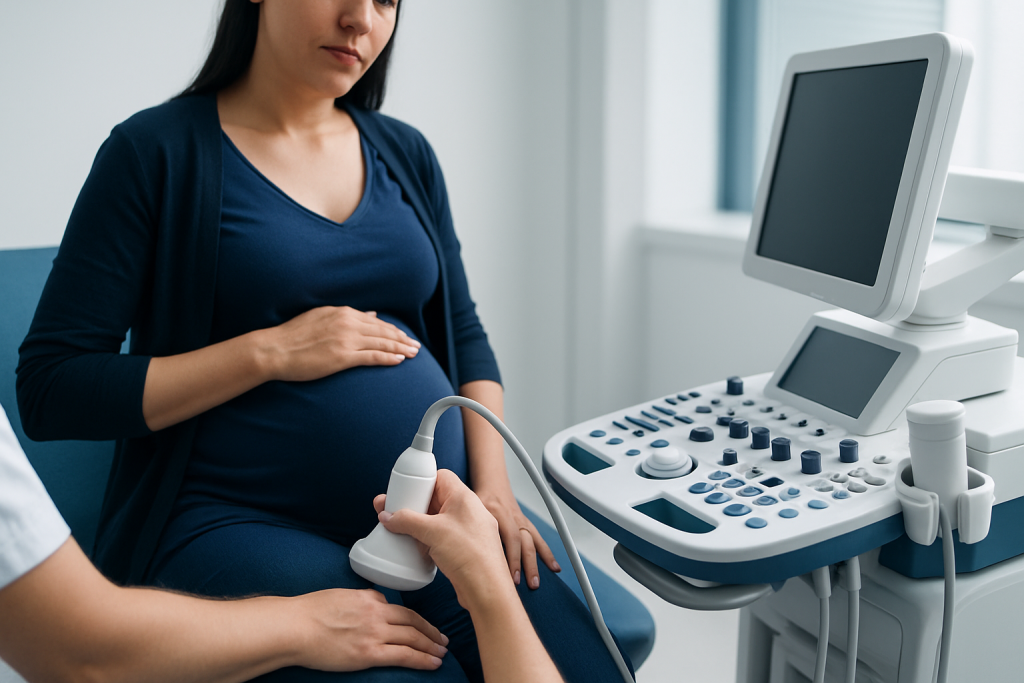
Morning sickness usually refers to nausea with or without vomiting during pregnancy. Despite the name, symptoms may occur at any point in the day or night, and they may come and go rather than stay constant. The intensity can range from mild uneasiness to a level that interferes with work, sleep, and eating.
Common features include:
- Queasiness or an upset stomach
- Vomiting or retching
- Food aversions, especially to strong smells or certain textures
- Heightened sensitivity to odors
- A sour or metallic taste in the mouth
- Difficulty tolerating an empty stomach
Some people also notice that fatigue, stress, or skipping meals makes symptoms worse. Others find that particular settings, such as warm rooms, crowded places, or long car rides, bring on nausea more easily during early pregnancy.
Causes & Risk Factors
The exact cause of morning sickness is not fully understood, but it is widely linked to the hormonal and physical changes of early pregnancy. Human chorionic gonadotropin, often called hCG, rises rapidly in the first trimester, and estrogen and progesterone also change significantly. These shifts may affect the digestive system and the brain pathways involved in nausea.
There are also practical triggers. An empty stomach can make nausea more noticeable, and pregnancy can heighten sensitivity to smells and tastes. For some people, motion, heat, lack of sleep, or anxiety can add to the burden, especially when they are adjusting to a new pregnancy and, in some cases, preparing to travel for prenatal care or follow-up.
Factors that may be associated with a higher chance of morning sickness include a history of nausea in a previous pregnancy, carrying twins or multiples, and a personal tendency toward motion sickness or migraine. Each pregnancy is still individual, so risk factors do not predict exactly who will be affected or how strongly symptoms will appear.
Diagnosis
Morning sickness is usually recognized through the pattern of symptoms and the timing in pregnancy. A doctor typically asks about the start of nausea, how often vomiting occurs, whether food and fluids are staying down, and whether there are signs of dehydration or weight loss. In many cases, no special test is needed to confirm routine morning sickness.
However, a medical evaluation becomes more important when symptoms are severe, unusual, or persistent. Doctors may check hydration, weight, blood pressure, and sometimes urine or blood tests to look for other causes or complications. This helps distinguish ordinary pregnancy nausea from conditions that need more active treatment.
For Myomectomy Recovery for International Patients: The Usual Travel Timeline" class="ahp-ilk">international patients arranging care from another country, it is helpful to bring a clear symptom timeline, a list of medications or supplements, and any previous pregnancy history. A concise record can make the first consultation more efficient and support decisions about treatment before travel, during the stay, and after returning home.
Treatment Options
Most morning sickness improves with supportive care and practical changes rather than complex treatment. Small, frequent meals are often easier to manage than large meals, and many people do better with bland, dry foods such as crackers, toast, rice, or plain potatoes. Drinking fluids in small sips throughout the day may be more comfortable than trying to drink large amounts at once.
Doctors may also recommend lifestyle measures such as resting when possible, avoiding triggers like strong odors, and choosing foods that are cooler or less fragrant. Some patients benefit from vitamin B6 or other anti-nausea approaches, but these should be discussed with a qualified clinician, especially in pregnancy, to make sure the option is appropriate for the individual situation.
When vomiting is frequent or symptoms are disrupting daily life, a doctor may consider additional treatment. The aim is to protect hydration, nutrition, and overall wellbeing while keeping care as gentle and pregnancy-appropriate as possible. For patients traveling for care, a treatment plan should be simple enough to continue at home, with clear instructions for follow-up and warning signs to watch for.
Prevention & Self-care
Morning sickness cannot always be prevented, but many people can reduce its impact by building steady routines. Eating before getting out of bed, carrying snacks, and avoiding an empty stomach are common strategies. It can also help to identify personal triggers early, such as particular cooking smells, greasy foods, or long gaps between meals.
Self-care during this stage is often about pacing rather than pushing through. Rest, hydration, and flexible meal choices matter more than perfect nutrition on a difficult day. If one food is easier to tolerate than others, it is reasonable to use it while symptoms are active, then return to a broader diet as the nausea settles.
Useful habits may include:
- Eating small meals or snacks every few hours
- Drinking fluids between meals if that feels easier
- Choosing bland, low-odor foods when nausea is strong
- Opening windows or using gentle ventilation around cooking smells
- Getting enough rest and avoiding overexertion
People who are receiving prenatal care away from home may find it helpful to discuss these routines during an initial visit so their care team can suggest practical adjustments that fit travel schedules, accommodation, and local food options.
When Does It Get Better?
Many people ask not only when morning sickness starts, but also when it ends. Symptoms often ease by the end of the first trimester or during the early second trimester, when pregnancy hormones begin to stabilize. For many, this is the point when appetite returns and day-to-day life becomes more comfortable again.
That said, some pregnancies do not follow the most common pattern. Nausea can continue longer, improve and then return in milder waves, or remain present throughout pregnancy. The important point is that persistence alone does not automatically mean something is wrong, but ongoing symptoms still deserve attention if they affect hydration, nutrition, or daily functioning.
Tracking the pattern can be useful. Noting which foods are tolerated, how often vomiting occurs, and whether symptoms are improving, stable, or worsening helps both the patient and clinician decide whether simple home measures are enough or whether further evaluation is needed.
When to See a Doctor
Medical advice should be sought when nausea or vomiting is becoming hard to manage, especially if fluids cannot be kept down. A doctor can check for dehydration and help prevent complications by recommending appropriate treatment early, rather than waiting until symptoms become more exhausting.
Prompt evaluation is especially important if there is:
- Inability to keep liquids down for many hours
- Signs of dehydration, such as dark urine, dizziness, or very dry mouth
- Weight loss
- Vomiting with abdominal pain, fever, or blood
- Symptoms that seem severe or unusually prolonged
There are also cases where nausea is not simply morning sickness and may point to another issue that needs assessment. When patients are traveling for pregnancy care, it is reassuring to know that clear communication with the care team can support both local treatment and safe follow-up after returning home. Acibadem Health Point’s multidisciplinary specialists and JCI-accredited hospitals can help diagnose and treat pregnancy-related concerns for international patients in a coordinated setting.
Living With Early Pregnancy Nausea
Morning sickness can be physically draining, but it is usually a temporary part of early pregnancy. Many people find that knowing the likely timeline reduces anxiety, especially when symptoms begin before pregnancy has been confirmed and the experience still feels uncertain. A calm, practical approach often makes the period more manageable.
Support from a clinician can be useful even when symptoms are not severe, particularly if a person wants reassurance about what is normal. For international patients, planning for follow-up matters too: the most helpful care plans are those that can be continued safely across time zones, travel days, and different health systems without confusion.
The main goal is to keep the pregnant person hydrated, nourished, and comfortable enough to rest and continue daily life. With the right guidance, most people can move through this stage safely and with confidence.
Frequently asked questions
When does morning sickness usually start?
It often begins around weeks 4 to 6 of pregnancy, though some people notice it a little earlier or later. The timing can vary from one pregnancy to another.
Can morning sickness happen all day?
Yes. Despite the name, nausea and vomiting may occur in the morning, afternoon, evening, or night. Many people find that symptoms follow no fixed schedule.
Does morning sickness mean the pregnancy is healthy?
Morning sickness is common in normal pregnancies, but its presence or absence does not by itself prove that everything is fine or that something is wrong. A clinician should assess any symptoms that are severe or worrying.
What helps morning sickness at home?
Small, frequent meals, steady hydration, rest, and avoiding strong smells often help. Bland foods and keeping the stomach from getting empty can also reduce nausea for many people.
When should vomiting in pregnancy be checked by a doctor?
A doctor should be contacted if fluids cannot stay down, there are signs of dehydration, weight loss occurs, or symptoms feel severe. It is also wise to seek advice if the nausea seems unusual or is causing significant daily disruption.
Can morning sickness last beyond the first trimester?
Yes, it can continue longer in some pregnancies. If symptoms are lingering or worsening, medical guidance can help rule out dehydration or other concerns and suggest safe treatment options.
References
- American College of Obstetricians and Gynecologists
- NHS
- Mayo Clinic
- World Health Organization
This article is for general information only and is not a substitute for professional medical advice. Please consult a qualified doctor about your individual situation.
Persistent digestive symptoms? Get evaluated in Turkey
JCI-accredited · board-certified surgeons · reply within 24h
Add us as a Preferred Source to see more of our trusted health content across Google Search, AI Overviews and Discover.
More from the Health Library



Related Specialists

Dr. Gamze Karababa
Gynecology & Obstetrics
Dr. Onur Özdenoğlu
Gynecology & Obstetrics
Dr. Selcen Bahadır
Gynecology & Obstetrics
Prof. Dr. A. Taner Usta
Gynecology & Obstetrics