When Does Hair Loss Need Medical Treatment Instead of Surgery?

Key Takeaways
- Hair loss is a symptom, not a diagnosis, so the cause should be clarified before choosing treatment.
- Medical treatment is often preferred when shedding is recent, diffuse, patchy, inflammatory, or linked to an underlying condition.
- Surgery is usually considered only after hair loss has stabilized and the donor area is suitable.
- Scarring hair loss, active scalp disease, and some systemic conditions need prompt medical evaluation.
- A careful diagnosis can prevent unnecessary procedures and improve the chance of a lasting result.
Medically reviewed by the Acıbadem clinical team — June 13, 2026
Hair loss does not always call for surgery, and in many situations the first priority is to identify the cause and stabilize shedding with medical care. The right approach depends on whether the loss is temporary, hormone-related, autoimmune, inflammatory, or scarring in nature.
Overview
Not every person who notices thinning hair is a candidate for surgery. In fact, many forms of hair loss are better managed first with medical treatment, because the main issue may be ongoing shedding, inflammation, hormonal imbalance, or an untreated illness rather than a lack of hair follicles alone.
The question is less “Which procedure is fastest?” and more “What is actually causing the hair loss?” That distinction matters, especially for international patients who may be planning care from abroad. A transplant can move healthy follicles to thinning areas, but it does not treat active shedding, autoimmune disease, iron deficiency, thyroid problems, or scalp inflammation. When the cause is still active, surgery may deliver a temporary cosmetic change without solving the underlying problem.
Medical treatment is generally the better starting point when hair loss is new, progressing, widespread, or associated with scalp symptoms. It is also important when the diagnosis is uncertain. A dermatologist or hair specialist can help determine whether the pattern is reversible, stable, or scarring, and whether the person may benefit more from medications, lifestyle changes, or a later surgical discussion.
Symptoms
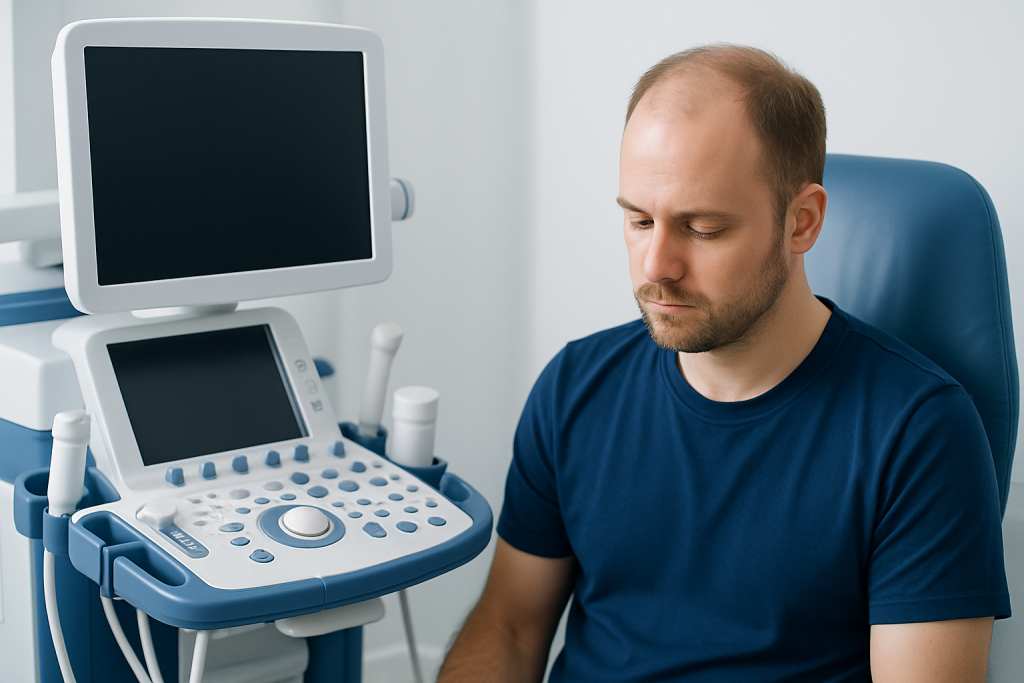
Hair loss can appear in several different ways, and the pattern often gives the first clue about whether medical treatment is needed. Some people notice more hair in the shower drain or on the pillow, while others see widening part lines, a receding hairline, bald patches, or a visibly thinner ponytail.
Symptoms that suggest a medical evaluation should happen before any surgical plan include:
- Sudden shedding over weeks or months
- Patchy hair loss rather than gradual thinning
- Scalp itching, burning, pain, redness, or scaling
- Eyebrow, eyelash, beard, or body hair loss
- Hair loss after illness, childbirth, major stress, or new medication
- Broken hairs, pustules, or shiny scar-like areas on the scalp
These features can point to conditions such as telogen effluvium, alopecia areata, fungal infection, traction alopecia, or scarring alopecias. Several of these respond best to medical treatment, especially when they are identified early. By contrast, surgery is usually reserved for stable pattern hair loss where the follicles are permanently lost and the surrounding scalp is healthy.
Causes & Risk Factors

Hair loss has many possible triggers, and they do not all behave the same way. Androgenetic alopecia, often called pattern hair loss, is one of the most common causes in both men and women. It tends to progress gradually and may eventually be considered for surgery if it has stabilized, but medical therapy is often used first to slow the process.
Other causes are much less suitable for surgery at the outset. Telogen effluvium, for example, is a shedding reaction that can follow fever, surgery, childbirth, rapid weight loss, emotional stress, or certain medications. If the trigger is temporary, the hair may improve once the body recovers and the underlying issue is corrected. In these situations, a transplant would not be the right first step.
Risk factors that make medical evaluation especially important include a family history of hair loss, autoimmune disease, thyroid disorders, iron deficiency, restrictive diets, tight hairstyles, chemical or heat damage, and use of medications known to affect hair growth. Scarring conditions are another major concern because they can permanently destroy follicles. When that happens, the goal is to stop further loss early, not to rush into surgery.
Diagnosis
Before deciding between medical care and surgery, the clinician usually starts with a detailed history and scalp examination. The timeline, pattern, and pace of loss are often as important as the amount of hair lost. Questions about recent illness, childbirth, diet, stress, medication use, and family history can help narrow the possibilities.
Depending on the findings, the evaluation may include blood tests to look for iron deficiency, thyroid problems, vitamin deficiencies, hormonal changes, or other medical contributors. A close look at the scalp with dermoscopy can reveal miniaturized hairs, inflammation, broken shafts, or signs of scarring. In uncertain cases, a small scalp biopsy may be recommended to identify the type of alopecia more precisely.
This step is particularly valuable for people considering treatment from another country, because a good diagnosis avoids unnecessary travel for the wrong procedure. It also helps set expectations: some types of hair loss can improve significantly with medication, while others may need a combination of medical treatment first and surgery later once the condition is quiet.
Treatment Options
Medical treatment is often the first-line approach when hair loss is active or when the diagnosis has not yet been confirmed. For pattern hair loss, clinicians may use topical or oral medications that help slow thinning and support regrowth in some patients. For autoimmune hair loss, treatment may focus on calming the immune response. If a scalp infection is present, the priority is treating the infection directly.
The treatment plan depends on the underlying cause rather than the appearance alone. Examples include correcting iron deficiency, adjusting a medication that is contributing to shedding, treating thyroid disease, managing scalp psoriasis or dermatitis, or using therapies aimed at alopecia areata. In traction alopecia, stopping the hairstyle or grooming practice that is pulling on the hair can be just as important as any medicine.
Surgery is usually considered when hair loss is stable, the scalp disease is inactive, and the donor area has enough healthy follicles to move. Even then, surgery may be best viewed as one part of a longer plan. Many patients continue medical treatment after a transplant to protect the remaining native hair and maintain the overall result.
In practical terms, the decision often follows this logic:
- Active shedding or inflammation: treat medically first
- Patchy or uncertain hair loss: confirm the diagnosis before any surgery
- Stable pattern thinning with good donor hair: surgery may be discussed
- Scarring alopecia: focus on stopping progression early
Prevention & Self-care
Self-care cannot cure every type of hair loss, but it can reduce unnecessary breakage and support the scalp while treatment is underway. Gentle hair practices matter: avoiding tight braids, frequent traction, harsh bleaching, and excessive heat can lower the risk of preventable damage. A balanced diet and adequate protein intake are also important, especially after illness or weight loss.
People who are traveling for care can help by bringing a list of medications, recent lab results, previous scalp treatments, and clear photos that show how the hair loss has changed over time. That information can make the consultation more efficient and help the specialist distinguish between a temporary shedding episode and a longer-term condition. If the hair loss seems linked to stress or a major life event, it is still worth being evaluated, because stress-related shedding can overlap with other treatable causes.
Helpful self-care habits include:
- Using mild shampoos and avoiding aggressive scalp scrubbing
- Choosing loose hairstyles that do not pull on the roots
- Protecting the scalp from sun exposure if hair is thinning
- Following the clinician’s plan consistently, since hair changes take time
- Seeking follow-up if shedding continues or the pattern changes
For patients who eventually undergo surgery, long-term success often depends on this combination of healthy scalp care, medication when appropriate, and realistic planning about what transplant surgery can and cannot do.
When to See a Doctor
Medical evaluation is advisable when hair loss is sudden, rapidly worsening, patchy, painful, scaly, or associated with other symptoms such as fatigue, menstrual changes, weight changes, or eyebrow loss. It is also wise to seek assessment if the scalp looks shiny, scarred, or inflamed, because those features can signal a condition that should be treated early.
A doctor should also be consulted if over-the-counter products are not helping, if hair loss is affecting confidence or daily life, or if surgery is being considered. A qualified specialist can explain whether the condition is stable enough for a procedure, whether medical therapy should come first, and whether further testing is needed before any long-term decision is made.
For people coming from abroad, an organized consultation can be especially helpful because it brings diagnosis, treatment planning, and follow-up into one pathway. At Acibadem Health Point, multidisciplinary specialists and JCI-accredited hospitals diagnose and treat hair loss for international patients with a careful, step-by-step approach tailored to the cause.
Living With Hair Loss While Treatment Is Underway
Hair loss treatment is often measured in months rather than days, and that can be emotionally challenging. It helps to remember that the visible hair cycle changes slowly, so early treatment may be working even before the mirror shows a dramatic difference. For this reason, regular follow-up and photo comparisons are often more useful than checking the hair every day.
Supportive care can make the process easier. Patients may choose hairstyles, coverings, or cosmetic products that help them feel comfortable while treatment is in progress. If distress is significant, speaking openly with the care team is worthwhile, because hair loss can affect self-image and social confidence in very real ways.
In some cases, the best outcome is not immediate fullness but a clear diagnosis, reduced shedding, and a stable plan for the future. Once the cause is controlled and the scalp is healthy, surgery may be reconsidered if it remains appropriate. That sequence—diagnose, stabilize, then decide—often leads to safer and more satisfying results than rushing directly to an operation.
Frequently asked questions
How do doctors decide if hair loss should be treated medically or with surgery?
They look at the cause, how fast the hair loss is progressing, and whether the scalp is inflamed or scarred. If the condition is still active, medical treatment usually comes first. Surgery is generally reserved for stable hair loss with a healthy donor area.
Can medication regrow hair that has already thinned?
In some types of hair loss, treatment can slow shedding and improve thickness, especially when started early. Results depend on the cause, how long the hair has been thinning, and how much follicle activity remains. A clinician can explain what is realistic in each case.
Is a hair transplant ever the first choice?
Usually not. A transplant is most useful when hair loss has stopped progressing or is well controlled and the scalp is otherwise healthy. If the underlying problem is still active, treating that problem first is the safer approach.
What if hair loss started after illness, childbirth, or stress?
That pattern often suggests temporary shedding, such as telogen effluvium. Many people improve once the trigger has passed and the body recovers. A doctor may still check for other causes so nothing important is missed.
Can scarring alopecia be treated without surgery?
Often yes, at least in the early stages. The main goal is to stop or slow further follicle damage with medical treatment. If scarring has already destroyed follicles, surgery may not be possible in those areas.
Should someone stop using hair-growth products before seeing a specialist?
Not necessarily, but it is helpful to bring a list of everything being used, including supplements and topical products. The specialist can then decide whether to continue, adjust, or stop any treatment. Clear information usually leads to a more accurate diagnosis.
References
- American Academy of Dermatology
- British Association of Dermatologists
- Mayo Clinic
- National Institutes of Health
This article is for general information only and is not a substitute for professional medical advice. Please consult a qualified doctor about your individual situation.