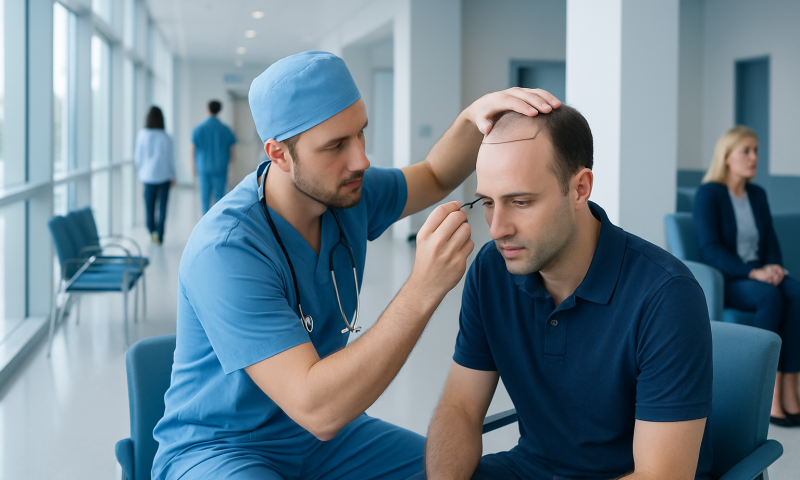
What Blood Tests and Scalp Conditions Can Delay a Hair Transplant?

Key Takeaways
- A hair transplant may be postponed if blood tests suggest infection, poor healing, or an untreated medical problem.
- Active scalp diseases such as psoriasis, eczema, folliculitis, or fungal infection can make surgery less predictable.
- Doctors usually want the scalp quiet and stable before grafting, especially in inflammatory hair-loss conditions.
- Repeat testing or specialist review is common when a result needs clarification before surgery.
- A short delay is often a safety step, not a sign that hair transplantation is impossible.
Medically reviewed by the Acıbadem clinical team — June 13, 2026
A hair transplant is usually planned only after the scalp and overall health have been checked carefully. Certain blood test results and active scalp conditions may delay the procedure until the underlying issue is understood and treated.
When to See a Doctor
Patients should contact a doctor or hair restoration specialist if they notice persistent scalp redness, pain, pus, thick scaling, rapidly worsening shedding, or a rash that does not settle. It is also wise to seek review if a preoperative blood test is abnormal or if there is a history of bleeding, diabetes, autoimmune disease, or a skin condition that has not been controlled.
Anyone planning a hair transplant should ask about screening before booking travel or committing to a procedure date. A surgeon can explain which tests are needed, what findings may delay surgery, and whether a separate dermatology assessment would be helpful. Clear expectations often reduce stress and make the process feel more manageable.
Acibadem Health Point’s multidisciplinary specialists and JCI-accredited hospitals diagnose and treat hair and scalp conditions for international patients, with coordinated care that can help patients move from assessment to treatment in an orderly way.
Frequently asked questions
Can a blood test alone delay a hair transplant?
Yes. If blood work suggests infection, anemia, abnormal clotting, uncontrolled diabetes, or another issue that could affect safety or healing, the surgeon may delay the procedure. Often the delay is temporary and the test is repeated after the problem is addressed.
Which scalp problems are most likely to postpone surgery?
Active infections, folliculitis, psoriasis flares, eczema, seborrheic dermatitis with significant inflammation, and scarring alopecias can all lead to a delay. The main concern is whether the skin is calm enough for grafts to heal well.
Does a delay mean someone can never have a hair transplant?
Not usually. Many delays are temporary and are meant to treat a reversible problem or confirm a diagnosis. Once the scalp is stable and the medical issue is controlled, the transplant may be reconsidered.
Why do doctors care so much about scalp inflammation?
Inflamed skin does not provide the best environment for graft placement and healing. It can also signal an underlying condition that may continue to affect hair loss if not treated first.
Should patients stop medications before testing or surgery?
They should not stop any prescription medicine without medical advice. Some drugs may need review because they affect bleeding, immune response, or healing, but the decision should be made with a doctor.
What should international patients do if they find out their test results are not ready?
They should speak with the surgical team before finalizing travel plans or return dates. A coordinated plan may include treatment, repeat testing, and a revised surgery timeline so the patient does not travel unnecessarily.
References
- American Academy of Dermatology
- International Society of Hair Restoration Surgery
- Mayo Clinic
- British Association of Dermatologists
- World Health Organization
This article is for general information only and is not a substitute for professional medical advice. Please consult a qualified doctor about your individual situation.