What Is A Dangerous Low Blood Pressure For A Woman
Key Takeaways
- Low blood pressure is usually defined as a reading below 90/60 mm Hg, but the number alone does not tell the full story.
- It becomes more concerning when it causes dizziness, fainting, weakness, blurred vision, or confusion.
- Women may experience low blood pressure for reasons such as dehydration, pregnancy, hormonal changes, medications, or heart and endocrine conditions.
- Diagnosis focuses on symptoms, blood pressure patterns, and possible underlying causes rather than a single measurement.
- Persistent or sudden low blood pressure with chest pain, shortness of breath, fainting, or severe weakness needs prompt medical attention.
Low blood pressure is not always a problem, but in women it can become concerning when it causes symptoms or reflects an underlying condition. Understanding the warning signs helps women decide when simple monitoring is enough and when medical care is needed.
Overview
Blood pressure is the force of blood pushing against artery walls, and it naturally rises and falls throughout the day. For many women, a reading that looks “low” on paper may still be completely normal if it matches their usual pattern and does not cause symptoms.
The question becomes more important when low blood pressure is new, sudden, or paired with complaints such as lightheadedness, fainting, fatigue, or trouble thinking clearly. In those situations, the concern is not the number alone, but what the body may be trying to signal.
In general, doctors often describe low blood pressure, or hypotension, as a reading below 90/60 mm Hg. Even so, a woman’s personal baseline matters more than one isolated measurement, especially if she is pregnant, takes blood pressure medicine, or has another medical condition.
Symptoms
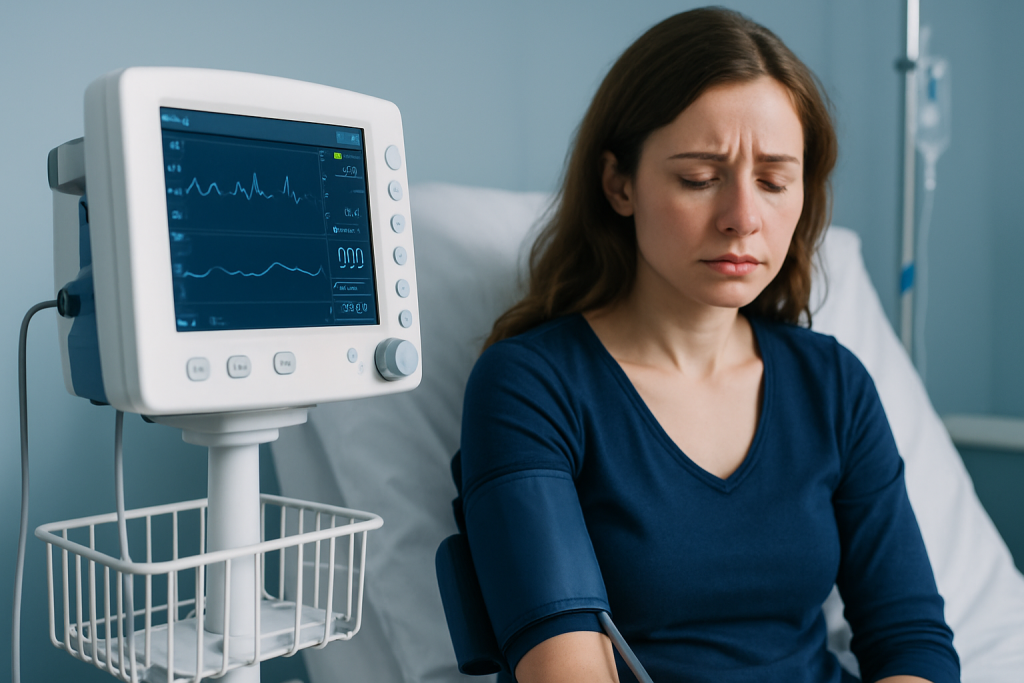
Some women with low blood pressure feel perfectly well and only discover it during a routine check. Others notice that their body seems to struggle when standing up quickly, after a hot shower, during illness, or after skipping meals or fluids.
Common symptoms include dizziness, faintness, blurred vision, nausea, weakness, fatigue, cold or clammy skin, and trouble concentrating. If blood flow to the brain drops more than usual, a woman may actually pass out, which can lead to injury.
- Lightheadedness when standing
- Fainting or near-fainting
- Blurred or dim vision
- Unusual tiredness or weakness
- Confusion or difficulty focusing
Symptoms that appear suddenly, worsen over time, or interfere with daily activities deserve medical attention, even if the blood pressure reading does not seem dramatically low.
Causes & Risk Factors
Low blood pressure in women can have many explanations, and the most meaningful clue is often the overall pattern. A woman who has always had lower readings and feels well may not need treatment, while a woman whose pressure has recently dropped may need evaluation for dehydration, blood loss, infection, or a medication effect.
Common causes include dehydration, vomiting or diarrhea, blood loss, pregnancy, standing up too quickly, certain heart rhythm problems, and side effects from medicines such as diuretics, some antidepressants, or blood pressure drugs. Endocrine conditions, including thyroid disorders and adrenal problems, can also contribute.
Risk may be higher in women who are older, very thin, physically deconditioned, pregnant, recovering from surgery, or managing chronic illness. International patients seeking care often find it helpful to arrive with a current medication list, recent test results, and notes about when symptoms began, because that context can shorten the path to a clear diagnosis.
Diagnosis
Diagnosis usually starts with a careful conversation and repeated blood pressure measurements, often in different positions such as lying down, sitting, and standing. This helps reveal whether the problem is persistent or tied to posture, which is common in orthostatic hypotension.
A clinician may also ask about fluid intake, menstrual bleeding, pregnancy, recent illness, weight loss, medication use, and fainting episodes. Depending on the situation, testing may include blood counts, electrolyte levels, kidney function, thyroid tests, heart tracing, or other studies to look for an underlying cause.
For women traveling from another country, it is useful to bring records of prior blood pressure readings and any recent hospital or lab reports. A clear timeline of symptoms often matters more than a single clinic reading, especially when the body’s pressure fluctuates during the day.
Treatment Options
Treatment depends on why the blood pressure is low and whether symptoms are present. If a woman feels well and has a naturally lower reading, the clinician may simply recommend observation and follow-up rather than active treatment.
When symptoms are present, care may focus on correcting dehydration, adjusting medications, treating blood loss or infection, and addressing hormonal or heart-related causes. In some cases, lifestyle measures are enough; in others, more targeted treatment is needed.
- Increasing fluids when appropriate
- Reviewing and possibly adjusting medicines with a doctor
- Getting up slowly from bed or a chair
- Eating regular meals if low intake is part of the problem
- Wearing compression garments in selected cases
If a woman is pregnant, treatment is tailored carefully to protect both mother and baby. A doctor should guide any changes, especially if the patient already takes medicines or has a chronic condition.
Prevention & Self-care
Not every episode of low blood pressure can be prevented, but many women can reduce symptoms with practical habits. Drinking enough fluids, avoiding long periods without food, and changing positions slowly can make a meaningful difference, especially during hot weather or illness.
It also helps to notice triggers. Some women feel worse after standing still for a long time, after alcohol, after heavy exertion, or during menstruation. Keeping a short symptom diary can help a doctor connect the pattern to a specific cause.
If home monitoring is used, readings should be taken correctly and recorded along with symptoms. A consistent log can be especially valuable for women arranging care across borders, because it gives the treating team a clearer picture than isolated numbers taken at different times and settings.
When to See a Doctor
A doctor should be consulted if low blood pressure is recurrent, newly developed, or associated with dizziness, falls, fainting, unusual fatigue, or shortness of breath. It is also important to seek assessment if a woman notices heavy menstrual bleeding, dehydration, a recent infection, or a new medicine around the time symptoms begin.
Urgent medical attention is needed if low blood pressure comes with chest pain, severe weakness, confusion, pale or cold skin, severe shortness of breath, or loss of consciousness. These symptoms may indicate a more serious problem that should be evaluated promptly.
Acibadem Health Point can support international patients who need diagnosis and treatment through multidisciplinary specialists and JCI-accredited hospitals, with care plans organized around the patient’s medical needs and follow-up.
Living Well With Low Blood Pressure
For many women, low blood pressure becomes manageable once the cause is understood and daily habits are adjusted. The goal is not to force every reading into a normal range, but to prevent symptoms and protect overall health.
Women who already know they tend to run low can benefit from planning ahead for travel, illness, pregnancy, or changes in medication. Paying attention to hydration, nutrition, and symptom triggers can reduce surprise episodes and make everyday activities feel steadier.
When low blood pressure is part of a larger medical picture, coordinated care is often the most helpful next step. A thoughtful evaluation can separate a harmless personal baseline from a problem that deserves treatment.
Frequently asked questions
What blood pressure is considered dangerous for a woman?
There is no single number that is dangerous for every woman. A reading below 90/60 mm Hg is often called low, but it becomes concerning when it causes symptoms or is tied to another illness. A sudden drop from a woman’s usual pattern can matter more than the exact number.
Can low blood pressure be normal in women?
Yes, some women naturally have lower blood pressure and feel fine. If there are no symptoms and the reading is stable, it may simply be that person’s normal baseline. Ongoing symptoms or a new drop should still be checked.
What symptoms mean low blood pressure needs medical attention?
Dizziness, fainting, blurred vision, weakness, and confusion are important symptoms to take seriously. Chest pain, shortness of breath, severe weakness, or loss of consciousness need urgent medical care. These signs may point to a more serious cause than simple low blood pressure.
Why might a woman’s blood pressure suddenly drop?
Common reasons include dehydration, blood loss, infection, medication effects, pregnancy, or standing up too quickly. Heart and hormone-related problems can also cause a sudden drop. A doctor usually looks for the underlying trigger rather than treating the number alone.
How is low blood pressure diagnosed?
Doctors usually repeat blood pressure measurements and ask about symptoms, medicines, hydration, and recent illness. They may also order blood tests or heart testing depending on the situation. The pattern over time helps identify the cause.
What can women do at home for mild low blood pressure?
Drinking enough fluids, rising slowly, and eating regular meals can help some women. It is also useful to track symptoms and avoid known triggers when possible. Any medicine changes should be discussed with a doctor first.
References
- Mayo Clinic
- Cleveland Clinic
- Merck Manual Consumer Version
- American Heart Association
- NHS
This article is for general information only and is not a substitute for professional medical advice. Please consult a qualified doctor about your individual situation.
More from the Health Library


Related Specialists

Assoc. Prof. Dr. Gökşen Gökşenoğlu
Physical Therapy and Rehabilitation
Dr. Mine İnan
Gynecology & Obstetrics
Prof. Dr. Serap Semiz
Pediatrics
Dr. Burcu Babaoğlu Elkhatroushi
Pulmonology