

What Is PCOS?

Key Takeaways
- PCOS is a hormone-related condition that often affects the ovaries, menstrual cycles, and ovulation.
- Symptoms can include irregular periods, acne, excess hair growth, scalp hair thinning, and weight changes, though not everyone has the same pattern.
- Diagnosis usually combines medical history, physical examination, blood tests, and sometimes an ultrasound.
- Treatment is tailored to the person’s goals, such as cycle regulation, symptom control, fertility support, or metabolic care.
- Healthy routines, follow-up care, and treatment for related conditions can make a meaningful difference over time.
Medically reviewed by the Acıbadem clinical team — August 19, 2026
Polycystic ovary syndrome, or PCOS, is a common hormonal condition that can affect periods, fertility, skin, metabolism, and overall well-being. With the right evaluation and a personalized care plan, many people manage symptoms effectively and protect long-term health.
Overview
Polycystic ovary syndrome, usually called PCOS, is a common endocrine condition that affects hormone balance in people with ovaries. It can influence how the ovaries release eggs, how often periods happen, and how the body responds to insulin, a hormone involved in blood sugar regulation.
The name can be confusing because not everyone with PCOS has ovarian cysts. The condition is better understood as a pattern of hormonal and metabolic changes that may show up differently from one person to another. Some people notice symptoms early, while others only learn about PCOS after years of irregular cycles, skin changes, or difficulty becoming pregnant.
For Myomectomy Recovery for International Patients: The Usual Travel Timeline" class="ahp-ilk">international patients, PCOS often becomes part of a longer health journey: deciding whether symptoms are worth investigating, arranging a gynecology or endocrinology appointment, and later following up from home. A clear diagnosis matters because it can guide treatment choices and also help rule out other conditions that may look similar.
PCOS is manageable, but it is not something to ignore. Care is most helpful when it is individualized, respectful of a person’s goals, and designed to support both current symptoms and future health.
Symptoms
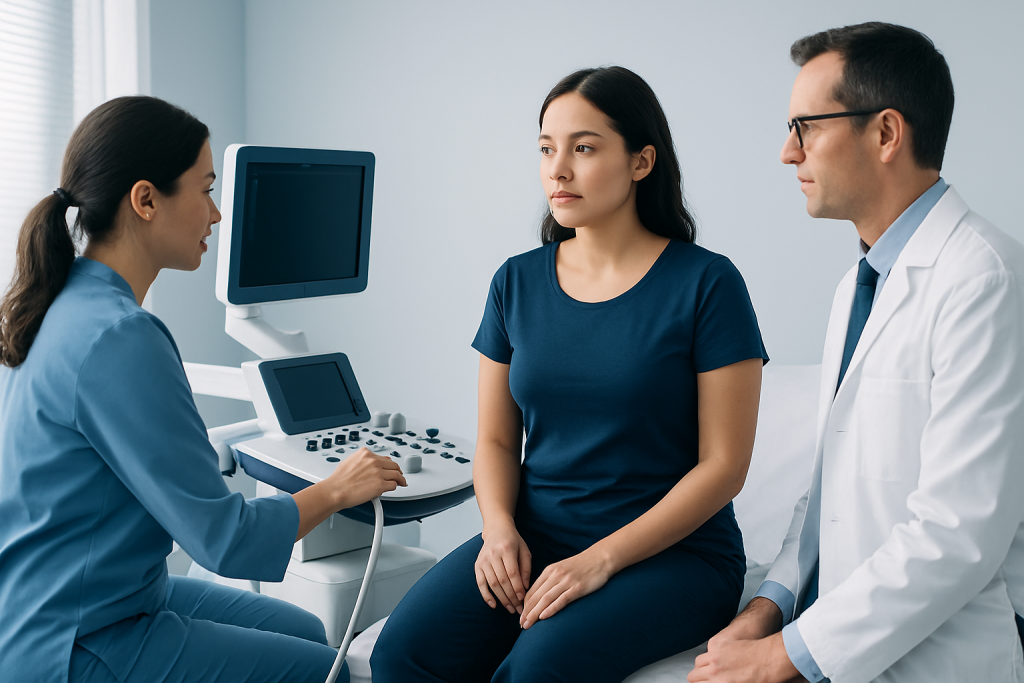
PCOS does not present in exactly the same way for everyone. Some people have several noticeable symptoms, while others have only one or two. The most common clue is a menstrual cycle that is irregular, very infrequent, or absent for long stretches of time.
Other common symptoms relate to higher levels of androgens, a group of hormones that are naturally present in the body but may be elevated in PCOS. These can include acne that is persistent or difficult to control, increased facial or body hair, and thinning hair on the scalp.
Some people also experience signs related to insulin resistance or metabolic changes, such as weight gain, trouble losing weight, or darkened patches of skin in body folds. PCOS may also be linked with fertility challenges because irregular ovulation can make conception less predictable.
- Irregular, infrequent, or absent periods
- Acne or oily skin
- Excess hair growth on the face, chest, or abdomen
- Scalp hair thinning
- Weight changes or difficulty with weight management
- Fertility problems caused by irregular ovulation
Symptoms can appear during the teen years, but they may also become clearer later in adulthood. Because these signs overlap with other conditions, an evaluation by a qualified clinician is important rather than relying on appearance alone.
Causes & Risk Factors

The exact cause of PCOS is not fully understood. Most experts believe it develops from a combination of genetics, hormone differences, and how the body uses insulin. In many people, these factors interact over time rather than appearing as a single, isolated trigger.
Family history can raise the likelihood of PCOS, suggesting that inherited traits play a role. Insulin resistance is also common in PCOS and can push the ovaries to produce more androgens, which may affect ovulation and create visible symptoms.
PCOS can occur in people of many body types, so it is not caused by weight alone. However, excess body weight may make symptoms more noticeable in some individuals and can increase the chance of related health concerns, including type 2 diabetes, sleep problems, and cardiovascular risk factors.
Risk is also influenced by age and reproductive stage. Symptoms often become apparent after the first few menstrual cycles, but a formal diagnosis is usually considered carefully in adolescents because normal puberty can mimic some PCOS features.
Diagnosis
Diagnosing PCOS usually starts with a detailed discussion of menstrual history, symptoms, family history, and reproductive goals. A clinician may ask about cycle length, acne, hair growth, weight changes, and any difficulty with conception, since each detail can help build the full picture.
There is no single test that confirms PCOS on its own. Instead, diagnosis usually combines clinical findings, blood tests to assess hormone levels and sometimes blood sugar, and in some cases an ultrasound to look at the ovaries. At the same time, the care team may check for other conditions that can cause similar symptoms, such as thyroid disorders or elevated prolactin.
In people who are planning travel for medical care, it can help to gather previous test results, menstrual records, and a list of symptoms before the appointment. That preparation makes consultations more efficient and can reduce the need for repeating tests after arrival.
Doctors typically use established diagnostic criteria, but they also interpret them in context. For example, someone who is trying to conceive may need a different workup than someone whose main concern is acne or cycle irregularity.
Treatment Options
PCOS treatment is not one-size-fits-all. The best plan depends on the person’s main concern, whether that is regulating periods, improving skin or hair symptoms, supporting fertility, or addressing insulin resistance and metabolic health.
Lifestyle care is often part of treatment, especially when blood sugar balance or weight management is relevant. Even modest changes in eating patterns, physical activity, sleep, and stress habits can support hormone and metabolic health. These changes are not about blame; they are practical tools that may improve how the body functions over time.
Medicines may be recommended for specific goals. Hormonal therapies can help regulate bleeding and protect the uterine lining, while other treatments may reduce acne or excess hair growth. If pregnancy is desired, ovulation-inducing medicines or fertility care may be considered under specialist guidance.
When insulin resistance or prediabetes is present, a clinician may recommend treatment focused on blood sugar control as part of the overall plan. Because PCOS often overlaps with emotional strain, some patients also benefit from mental health support, particularly if symptoms have affected confidence, body image, or daily life.
For international patients, follow-up planning matters as much as the first visit. A well-organized treatment plan should be understandable after returning home, with clear instructions on which symptoms to monitor, when to repeat tests, and how to stay in touch with the treating team.
Prevention & Self-care
PCOS cannot always be prevented, especially when family history and inherited factors are involved. Even so, self-care can help reduce symptom burden and lower the risk of related health problems.
Regular movement, balanced meals, and enough sleep are useful foundations. Many people do best with habits they can maintain consistently rather than dramatic short-term changes. The goal is steadier hormone and metabolic support, not perfection.
It can also help to track menstrual cycles, skin changes, weight trends, and any symptoms that seem to rise and fall together. A simple record gives the clinician useful information and can make follow-up visits more precise, especially if care is being coordinated across countries.
- Keep a cycle log or use a period-tracking app
- Build meals around fiber, protein, and minimally processed foods
- Choose physical activity that is realistic and sustainable
- Prioritize sleep and stress reduction
- Attend regular checkups for blood pressure, blood sugar, and cholesterol when advised
Self-care works best as part of a broader plan. If symptoms persist or worsen, medical review is still important, even when day-to-day habits are already in place.
When to See a Doctor
Medical advice is worthwhile if periods are consistently irregular, absent, or unusually heavy, or if symptoms such as acne and excess hair growth are becoming harder to manage. A clinician can help determine whether PCOS is the likely explanation or whether another condition should be considered.
It is especially important to seek evaluation if pregnancy is desired and ovulation seems unpredictable, or if symptoms are accompanied by signs that suggest a blood sugar issue, such as increased thirst or frequent urination. New or rapidly worsening symptoms deserve prompt assessment rather than watchful waiting.
People who have already been diagnosed should return for follow-up if treatment is not helping, side effects are troublesome, or cycles remain absent. Ongoing care is useful because PCOS can change over time and may require adjustments based on life stage, fertility plans, or metabolic health.
Acibadem Health Point can help international patients access multidisciplinary specialists and JCI-accredited hospitals for diagnosis and treatment planning in a coordinated setting. That kind of organization can be particularly valuable when care must continue smoothly after returning home.
Living With PCOS Long Term
Living with PCOS often means paying attention to both immediate symptoms and long-term health. Regular follow-up helps monitor menstrual health, fertility considerations, and metabolic risks so that treatment can be updated when needed.
Many people find it helpful to think of PCOS as a condition that can be managed in stages. The first stage may be getting clarity about the diagnosis, the next may be calming bothersome symptoms, and later steps may focus on fertility, blood sugar, or general well-being.
Support from clinicians, dietitians, and mental health professionals can make the plan easier to sustain. For patients navigating care across borders, written instructions and a clear follow-up schedule are especially useful because they help keep treatment consistent over time.
Frequently asked questions
What does PCOS actually mean?
PCOS stands for polycystic ovary syndrome. It is a hormonal condition that can affect ovulation, menstrual regularity, and the body’s response to insulin. The name refers to a pattern seen on ultrasound in some people, but not everyone with PCOS has ovarian cysts.
Can someone have PCOS without being overweight?
Yes. PCOS can occur in people of many body types, including those who are not overweight. Weight can influence symptoms in some cases, but it is not the cause of PCOS by itself.
Is PCOS the same as infertility?
No, PCOS is not the same as infertility. It can make ovulation less predictable, which may make conception harder for some people, but many people with PCOS are able to become pregnant with the right support or treatment.
How is PCOS diagnosed?
Diagnosis usually combines symptom history, physical examination, blood tests, and sometimes ultrasound. Doctors also look for other causes of similar symptoms, such as thyroid problems or elevated prolactin.
Can PCOS go away on its own?
PCOS usually does not simply disappear, but symptoms can improve with treatment and healthy routines. The condition may need ongoing management because hormone patterns and life goals can change over time.
What should someone do if they suspect PCOS while traveling for care?
It helps to collect prior test results, menstrual records, and a list of symptoms before the appointment. Bringing that information makes the consultation more efficient and supports a clear plan for follow-up after returning home.
References
- World Health Organization
- American College of Obstetricians and Gynecologists
- National Institute of Child Health and Human Development
- Endocrine Society
This article is for general information only and is not a substitute for professional medical advice. Please consult a qualified doctor about your individual situation.
IVF & fertility treatment in Turkey — success rates and costs
JCI-accredited · board-certified surgeons · reply within 24h
Add us as a Preferred Source to see more of our trusted health content across Google Search, AI Overviews and Discover.
More from the Health Library



Related Specialists
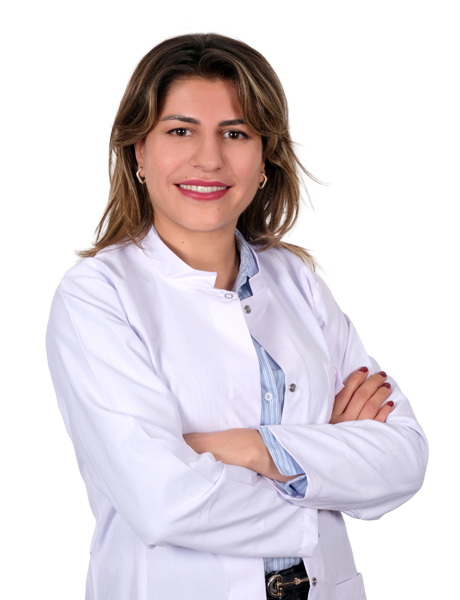
Dr. Gamze Karababa
Gynecology & Obstetrics
Dr. Onur Özdenoğlu
Gynecology & Obstetrics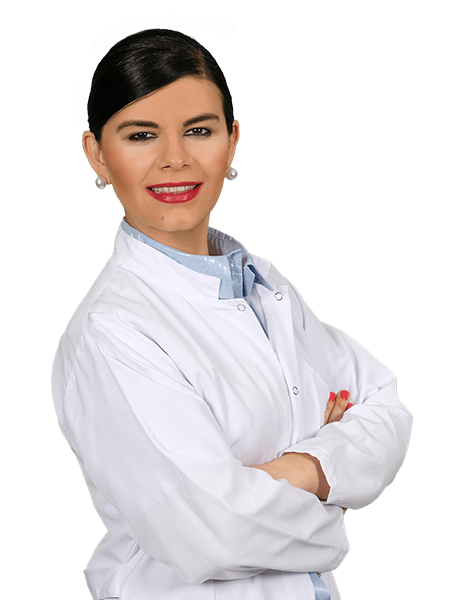
Dr. Selcen Bahadır
Gynecology & Obstetrics
Prof. Dr. A. Taner Usta
Gynecology & Obstetrics