PCOS and Weight-Loss Medications: Who May Benefit Before Fertility Care?

Key Takeaways
- PCOS can affect ovulation, insulin response, and body weight, which may influence fertility planning.
- Weight-loss medications are not first-line fertility treatment, but some people may benefit before trying to conceive.
- Medication decisions should consider pregnancy timing, safety, and whether lifestyle changes alone are sufficient.
- A fertility-focused plan often includes blood tests, ultrasound, and metabolic screening rather than weight alone.
- Any medication used before conception should be reviewed with a clinician before pregnancy is attempted.
Medically reviewed by the Acıbadem clinical team — June 13, 2026
For some people with PCOS, weight-loss medications may be considered before fertility treatment to improve metabolic health and support ovulation. The right choice depends on goals, body composition, insulin resistance, and whether pregnancy is being planned soon.
Overview
Polycystic ovary syndrome, or PCOS, is one of the most common hormone-related conditions affecting women of reproductive age. It can show up in different ways: irregular periods, higher androgen levels, acne, hair growth changes, ovarian cysts on ultrasound, and difficulty with ovulation. For many patients, the first concern is not only symptom control, but also how PCOS may affect the chances of getting pregnant.
Weight management is often part of the conversation because excess body weight can make insulin resistance and ovulation problems more pronounced in some people with PCOS. In that setting, a clinician may discuss weight-loss medications before fertility care. This is not about using medicine as a shortcut; it is about choosing the safest path toward better metabolic health and a more predictable fertility plan.
That decision is highly individual. Some patients may benefit from medication-supported weight reduction before ovulation induction or IVF, while others may move directly into fertility treatment. The best approach depends on medical history, body mass index, glucose status, timing goals, and how soon pregnancy is being planned.
Symptoms and How PCOS Affects Fertility
PCOS does not look the same in every person, which is one reason it can take time to recognize. Some patients notice missed periods or very long cycles; others only learn about PCOS after investigating why they are not ovulating regularly. Fertility can be affected because ovulation may be inconsistent, making conception less predictable.
Alongside reproductive symptoms, many people with PCOS also live with metabolic concerns. These may include insulin resistance, weight gain around the abdomen, higher cholesterol, or a higher risk of type 2 diabetes over time. These features matter because fertility care works best when the body’s hormone and metabolic environment is considered as a whole.
Common PCOS-related features may include:
- Irregular or absent periods
- Difficulty confirming ovulation
- Acne or oily skin
- Increased facial or body hair
- Weight changes or difficulty losing weight
- Signs of insulin resistance, such as elevated blood sugar or acanthosis nigricans
For someone planning pregnancy, these symptoms are not just labels on a chart. They help the care team decide whether the first step should be cycle regulation, metabolic treatment, weight management, or direct fertility support.
Causes and Risk Factors

PCOS is considered a multifactorial condition, which means several influences can contribute at the same time. Genetics, insulin resistance, hormone signaling differences, inflammation, and body weight all may play a role. No single cause explains every case, and PCOS can occur in people of different body sizes.
Weight gain can make PCOS symptoms more difficult for some patients, but it is important not to oversimplify the condition. Weight is only one piece of the picture. Two people with similar weight may have very different hormone patterns, ovulation status, and fertility needs.
Weight-loss medications are usually discussed when a person with PCOS also has overweight or obesity and has not reached meaningful metabolic or cycle improvement with lifestyle measures alone. A clinician may also consider them when insulin resistance or prediabetes is present, especially if improving health before conception is a priority.
Factors that may influence whether medication is considered include:
- Body mass index and overall body composition
- Evidence of insulin resistance or prediabetes
- How irregular ovulation is
- Past response to nutrition, exercise, and sleep changes
- Whether pregnancy is planned soon or later
- Other health conditions, including blood pressure or liver concerns
How Doctors Evaluate the Right Path
Before any fertility-focused treatment begins, a careful assessment is usually more useful than a single number on the scale. A clinician will often review menstrual history, ovulation pattern, symptoms of androgen excess, prior pregnancies, and any attempts to conceive. Blood work may be used to check glucose metabolism, thyroid function, prolactin, and other hormone markers that can overlap with PCOS-like symptoms.
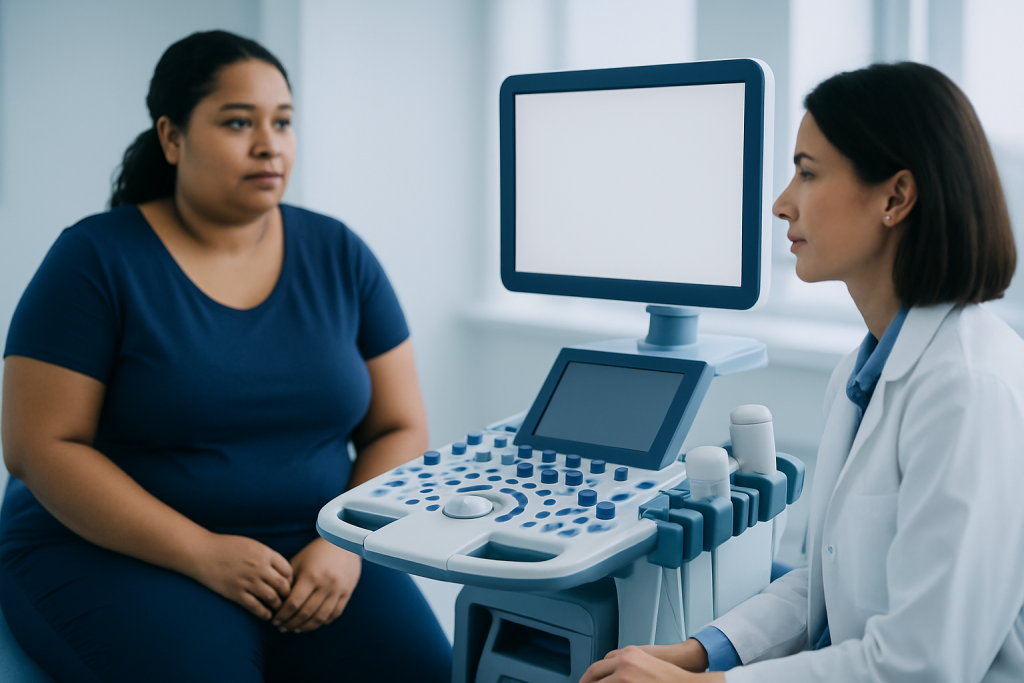
Ultrasound may help support the diagnosis, but it is not the whole story. Some patients meet PCOS criteria without classic ultrasound findings, and some have ovarian features that are not enough on their own to confirm PCOS. A complete picture matters because weight-loss decisions before fertility care should be based on the person, not only the imaging report.
For Myomectomy Recovery for International Patients: The Usual Travel Timeline" class="ahp-ilk">international patients, this step is especially important when care is being coordinated across countries. A local clinician, fertility specialist, or endocrinologist may need to review previous tests, current medicines, and the timeline for travel so that treatment can be started, paused, or adjusted safely.
Treatment Options Before Fertility Care
For some patients with PCOS, the first treatment is lifestyle-based care: nutrition changes, regular physical activity, sleep support, and stress reduction. Even modest changes in weight can sometimes improve ovulation and metabolic markers, though the effect varies from person to person. When these measures are not enough, or when a faster metabolic reset is needed before fertility treatment, a doctor may discuss weight-loss medications.
These medications are not fertility medicines themselves. Rather, they may be used to improve health conditions that interfere with ovulation or raise pregnancy risks. The main question is whether a person may benefit from a short, medically supervised period of weight reduction before starting ovulation induction or IVF.
Medication may be considered more often when a patient with PCOS has:
- Overweight or obesity with difficulty losing weight through lifestyle measures alone
- Insulin resistance, prediabetes, or other metabolic risk factors
- Delayed fertility plans that allow time for non-pregnancy medication use
- A clinician’s view that improving metabolic health could support safer conception care
Not everyone is a candidate. Some weight-loss medications are not suitable when pregnancy is being planned immediately, and some must be stopped well before conception. Because of that, the discussion should happen early, before fertility medications are chosen, so the treatment pathway does not have to be abruptly changed later.
Safety, Timing, and Pregnancy Planning
The most important safety point is that weight-loss medications are generally not taken during pregnancy unless a doctor has specifically advised otherwise for another condition. If pregnancy is the goal, the timing of medication use matters as much as the medication itself. A clinician may recommend a washout period before trying to conceive, depending on the specific medicine and the person’s overall situation.
That is why patients should not start or stop a weight-loss medication on their own while preparing for fertility care. A medication that looks helpful on paper may create problems if pregnancy happens earlier than expected. Clear planning reduces the chance of exposure during early fetal development and helps the fertility team choose the next step with confidence.
Safety checks may include reviewing liver and kidney function, blood sugar, blood pressure, prior gallbladder disease, and any history of eating disorders or gastrointestinal conditions. If a patient is considering IVF, a fertility specialist may also coordinate timing so that weight management supports treatment rather than delaying it unnecessarily.
Prevention and Self-Care While Preparing for Fertility Treatment
Self-care is not a substitute for medical treatment, but it can make the next step more effective. For many people with PCOS, steady routines around food, movement, and sleep can improve energy, support insulin sensitivity, and create a more stable environment for ovulation. The goal is consistency, not perfection.
Helpful habits often include balanced meals with enough protein and fiber, regular physical activity that is realistic to maintain, and attention to sleep quality. Some patients also benefit from meeting with a dietitian familiar with PCOS, especially when travel, shift work, or cultural food preferences make generic advice hard to follow.
Practical self-care priorities may include:
- Keeping a menstrual and symptom record
- Taking prescribed medicines exactly as directed
- Asking before using supplements marketed for “hormone balance”
- Planning follow-up visits around fertility timelines
- Building a support plan for travel, if care is being received abroad
For patients traveling for care, it helps to arrange follow-up before the trip ends. That way, any medication changes, laboratory monitoring, or fertility timing decisions can be handed over smoothly to the next clinician.
When to See a Doctor
A doctor should be involved if periods are very irregular, pregnancy is not happening as expected, or symptoms suggest PCOS and have never been formally evaluated. It is also important to seek guidance before starting a weight-loss medication when pregnancy may be near in the future. A clinician can decide whether medication, lifestyle support, or fertility treatment should come first.
Prompt review is especially useful if there are signs of diabetes, rapid weight gain, severe acne or hair growth changes, or if cycles stop altogether. These findings do not always mean something serious, but they do justify a closer look because PCOS can overlap with other hormonal conditions.
Acibadem Health Point’s multidisciplinary specialists and JCI-accredited hospitals can diagnose and treat PCOS for international patients, with coordinated input from endocrinology, gynecology, and fertility teams. That kind of joined-up care can be helpful when the plan involves both weight management and future conception.
If a patient is unsure whether to focus first on weight reduction or fertility treatment, the safest answer is usually to have both goals reviewed together. The right order can save time, reduce frustration, and help make the transition into conception care more predictable.
Frequently asked questions
Can weight-loss medications help with PCOS-related infertility?
They may help some people indirectly by improving weight and metabolic health, which can support more regular ovulation. They are not fertility drugs, so they are usually considered as part of a broader plan rather than a stand-alone solution.
Should someone with PCOS try weight-loss medication before IVF or ovulation treatment?
Sometimes, but not always. A clinician may recommend it when excess weight or insulin resistance is making fertility treatment less effective or less safe, and when there is enough time to use it before pregnancy attempts begin.
Are weight-loss medications safe while trying to get pregnant?
Many are not meant to be used during pregnancy, and some need to be stopped before conception. Because timing varies by medication, the prescribing doctor should review the plan before any pregnancy attempts start.
If weight is not high, can someone with PCOS still need fertility care?
Yes. PCOS can affect ovulation and hormone balance even in people who are not overweight. Fertility treatment may still be appropriate depending on the person’s cycle pattern and test results.
What tests are usually done before deciding on treatment?
Doctors often check menstrual history, ovulation pattern, hormone levels, glucose-related labs, and sometimes pelvic ultrasound. These results help decide whether lifestyle care, medication for weight or insulin resistance, or fertility treatment should come first.
How long should someone wait after stopping a weight-loss medication before trying to conceive?
That depends on the specific medication and the person’s situation. A doctor should give a clear stop date and washout period, because the timing is different from one medicine to another.
References
- American College of Obstetricians and Gynecologists
- American Society for Reproductive Medicine
- Endocrine Society
- National Institute of Diabetes and Digestive and Kidney Diseases
- World Health Organization
This article is for general information only and is not a substitute for professional medical advice. Please consult a qualified doctor about your individual situation.
More from the Health Library



Related Specialists

Prof. Dr. A. Taner Usta
Gynecology & Obstetrics
Prof. Dr. Ahmet Tayyar
Gynecology & Obstetrics
Prof. Dr. Ahmet Cem Batukan
Gynecology & Obstetrics
Dr. Sevgi Selen
Gynecology & Obstetrics