What Is Colitis?

Key Takeaways
- Colitis means inflammation in the colon, but it is not a single disease.
- Symptoms often include abdominal pain, diarrhea, urgency, and sometimes blood or mucus in the stool.
- Diagnosis usually combines medical history, stool tests, blood work, and sometimes colonoscopy or imaging.
- Treatment depends on the underlying cause and may include hydration, medicines, diet changes, or specialist care.
- Prompt medical review is important if symptoms are persistent, severe, or accompanied by dehydration, fever, or bleeding.
Medically reviewed by the Acıbadem clinical team — August 19, 2026
Colitis is inflammation of the colon, also called the large intestine. It can arise from infection, inflammatory bowel disease, reduced blood flow, medicines, or other triggers, and the right treatment depends on the cause.
Overview
Colitis is a broad term for inflammation of the colon, the part of the large intestine that absorbs water and helps form stool. Because it describes inflammation rather than one specific illness, the word can refer to several different conditions with different causes and treatment paths.
For some people, colitis is temporary and follows a stomach infection. For others, it is linked to a long-term condition such as ulcerative colitis, which is one form of inflammatory bowel disease. Less commonly, colitis can develop after reduced blood flow to the bowel, after certain medicines, or as a reaction to another medical problem.
That variety matters because “colitis” is not a diagnosis by itself. A careful evaluation helps determine whether the inflammation is mild or more serious, short-lived or chronic, and whether care can be managed close to home or should involve a gastroenterology specialist. For international patients, this distinction is especially useful when planning travel, arranging follow-up, and choosing where to continue care after returning home.
Symptoms
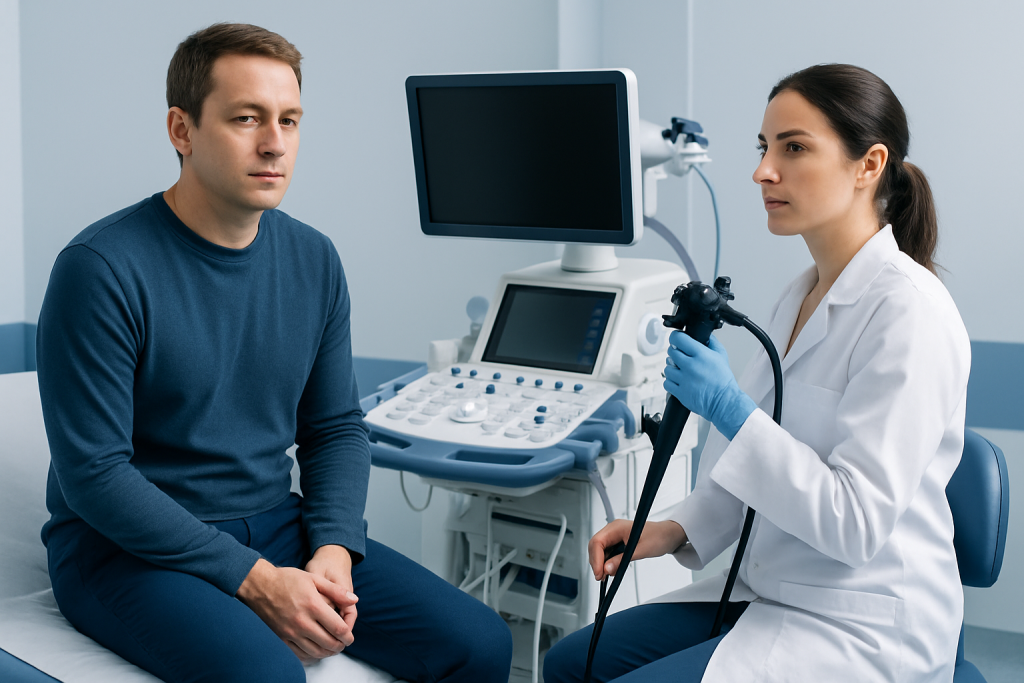
Symptoms of colitis can range from mild discomfort to a more urgent illness, depending on the cause and how much of the colon is affected. Many people notice abdominal cramps, loose stools, a frequent need to use the bathroom, or a feeling that the bowel has not fully emptied.
Other common signs include blood or mucus in the stool, bloating, reduced appetite, nausea, and fatigue. When inflammation is more intense, fever, weight loss, dehydration, or waking at night to pass stool may appear as well.
The pattern can offer clues, but symptoms alone cannot show which type of colitis is present. A short episode after contaminated food or travel exposure is very different from a condition that comes and goes over months, so a doctor will usually look at the full timeline rather than a single symptom list.
- Crampy abdominal pain
- Diarrhea or frequent stools
- Urgency to pass stool
- Blood or mucus in the stool
- Fever, fatigue, or dehydration in some cases
Causes & Risk Factors

Several different problems can inflame the colon. Infectious colitis is caused by bacteria, viruses, or parasites and may follow contaminated food, water, or close contact with an infected person. Inflammatory bowel disease, especially ulcerative colitis, is a chronic immune-related condition in which the body’s own inflammatory response affects the bowel lining.
Other causes include ischemic colitis, which happens when blood flow to part of the colon is reduced, and medication-related colitis, which can occur after some antibiotics, anti-inflammatory medicines, or other treatments. Radiation exposure to the abdomen or pelvis may also irritate the colon in some patients.
Risk factors depend on the cause. Recent travel, foodborne exposure, immune suppression, a personal or family history of inflammatory bowel disease, older age, vascular disease, and certain medications may all increase the chance of colitis. In practice, doctors often look at risk factors together with symptom timing, because the pattern often reveals more than one isolated detail.
Diagnosis
Diagnosis begins with a medical history and physical examination. A doctor will ask about the nature of the bowel changes, recent infections or travel, medications, family history, and whether there is blood in the stool, fever, or unintentional weight loss.
Tests are chosen to match the suspected cause. Stool studies can detect infection or inflammation, blood tests can check for anemia, dehydration, or signs of infection, and imaging may be used if complications are a concern. If symptoms suggest inflammatory bowel disease or if the cause remains unclear, a colonoscopy may be recommended so the colon lining can be examined directly and biopsies can be taken.
For patients traveling internationally, coordination is important. Some tests can be done before departure, while others may be planned at a destination center if symptoms are active or the diagnostic picture is complex. Clear records, previous test results, and a list of medications make that handoff easier and safer.
Treatment Options
Treatment depends entirely on why the colon is inflamed. Infectious colitis may improve with hydration, rest, and, in selected cases, targeted medicines once the specific organism is identified. By contrast, inflammatory bowel disease often requires anti-inflammatory or immune-modifying treatment, and ischemic colitis may need close monitoring and supportive care.
Doctors may recommend oral or intravenous fluids to correct dehydration, medicines to control symptoms, and temporary diet adjustments to reduce bowel irritation. If ulcerative colitis is diagnosed, treatment plans are usually personalized and may change over time based on symptom control, test results, and the patient’s response.
In severe cases, hospital care may be needed for pain control, fluid replacement, observation, or further investigation. Surgery is not common for every type of colitis, but it may be discussed when the colon is badly damaged or when complications arise. The safest approach is individualized care from a clinician who can reassess the diagnosis if symptoms do not improve as expected.
Prevention & Self-care
Not every form of colitis can be prevented, but several practical steps can reduce risk or help symptoms settle more comfortably. Safe food and water habits are especially important when traveling, and hand hygiene remains one of the simplest ways to limit infectious causes.
People living with a chronic form of colitis often benefit from learning their own symptom triggers, keeping follow-up appointments, and taking prescribed medicines consistently. A balanced diet, adequate fluid intake, and rest can support recovery, although food choices should be individualized because some people tolerate certain foods better than others during a flare.
It is also wise to avoid self-treating repeatedly with over-the-counter anti-diarrheal or anti-inflammatory medicines without medical advice, especially when there is fever, blood in the stool, or significant abdominal pain. Those symptoms can mean the problem needs a clearer diagnosis rather than symptom suppression.
- Wash hands regularly, especially before eating and after bathroom use.
- Use safe drinking water and food precautions when traveling.
- Stay hydrated, particularly during diarrhea.
- Follow prescribed treatment plans consistently.
- Track symptoms, diet, and medicines to identify patterns.
When to See a Doctor
Medical evaluation is a good idea if diarrhea lasts more than a few days, if abdominal pain keeps returning, or if bowel habits change in a way that does not settle. Colitis can resemble many other digestive conditions, and early assessment often shortens the path to the right treatment.
Prompt care is especially important if there is blood in the stool, high fever, severe pain, dehydration, fainting, persistent vomiting, or a swollen abdomen. These features do not automatically mean a dangerous condition, but they do mean the colon should be assessed without delay.
Anyone with known inflammatory bowel disease should seek review if symptoms suddenly worsen, new symptoms appear, or medicines seem less effective. International patients may also want to plan follow-up before leaving the country where they received care so results, prescriptions, and next steps are clearly documented.
At Acibadem Health Point, multidisciplinary specialists and JCI-accredited hospitals diagnose and treat colitis for international patients, with coordinated care that can support evaluation, treatment, and follow-up planning.
Living With Colitis
Living with colitis is often a matter of understanding patterns and staying connected to care. Some people only need short-term treatment after an infection, while others benefit from longer-term monitoring for chronic inflammation. In both situations, a written plan can reduce uncertainty and make symptom changes easier to respond to.
For patients who travel for treatment, continuity matters just as much as the initial diagnosis. Keeping copies of test results, procedure reports, and medication lists helps local doctors or future specialists continue care without repeating unnecessary steps.
Colitis can be manageable once the cause is known. The most useful next step is usually not guessing at the label, but confirming what is driving the inflammation and building a treatment plan that fits the person’s needs, lifestyle, and follow-up setting.
Frequently asked questions
What is colitis in simple terms?
Colitis means inflammation of the colon, which is the large intestine. It is a general term, not a single disease, so the cause can range from infection to inflammatory bowel disease.
Is colitis the same as ulcerative colitis?
No. Ulcerative colitis is one specific type of colitis and a form of inflammatory bowel disease. Other forms of colitis can be caused by infection, reduced blood flow, medicines, or radiation.
What are the most common colitis symptoms?
Common symptoms include abdominal cramps, diarrhea, urgency, and sometimes blood or mucus in the stool. Some people also develop fever, fatigue, bloating, or dehydration.
How is colitis diagnosed?
Doctors usually begin with a history and physical examination, then use stool tests, blood tests, and sometimes colonoscopy or imaging. The goal is to identify the cause of the inflammation so treatment can be chosen correctly.
Can colitis go away on its own?
Some infectious cases improve with time and supportive care, but not all colitis should be assumed to clear without treatment. Persistent, severe, or bloody symptoms should be checked by a doctor.
What foods should someone with colitis avoid?
Food triggers vary from person to person, so there is no single list that fits everyone. During flares, some people feel better avoiding very fatty, spicy, or high-fiber foods, but a clinician or dietitian can help tailor advice safely.
References
- National Institute of Diabetes and Digestive and Kidney Diseases
- Mayo Clinic
- American College of Gastroenterology
- Crohn's & Colitis Foundation
- World Gastroenterology Organisation
This article is for general information only and is not a substitute for professional medical advice. Please consult a qualified doctor about your individual situation.
Persistent digestive symptoms? Get evaluated in Turkey
JCI-accredited · board-certified surgeons · reply within 24h
Add us as a Preferred Source to see more of our trusted health content across Google Search, AI Overviews and Discover.