What Causes Bloating?

Key Takeaways
- Bloating is a symptom, not a diagnosis, and many different factors can cause it.
- Food choices, swallowing air, constipation, and gut sensitivity are frequent triggers.
- Ongoing bloating, weight loss, vomiting, or blood in the stool should be assessed by a doctor.
- Diagnosis usually starts with a history, physical examination, and targeted tests if needed.
- Most bloating can be improved with diet changes, better bowel habits, and treatment of the underlying cause.
Medically reviewed by the Acıbadem clinical team — August 19, 2026
Bloating is a common digestive symptom that can make the abdomen feel swollen, tight, or uncomfortable. It often comes from everyday factors such as diet, digestion patterns, constipation, or hormone changes, but sometimes it points to an underlying condition that needs medical attention.
Overview
Bloating describes the feeling that the abdomen is full, stretched, or visibly enlarged. For some people it comes and goes after meals; for others it is a daily nuisance that affects clothing, appetite, and confidence.
Because bloating is a symptom rather than a disease, the first useful question is not simply “How do I stop it?” but “What is driving it?” The answer may be as ordinary as a large meal, constipation, or a food intolerance. It may also relate to reflux, irritable bowel syndrome, celiac disease, hormonal changes, or another gastrointestinal condition.
Understanding the pattern matters, especially for people traveling from another country for care. A clear symptom timeline, details about diet and bowel habits, and any prior test results can help specialists narrow the cause more efficiently and plan the right next step.
What Bloating Feels Like
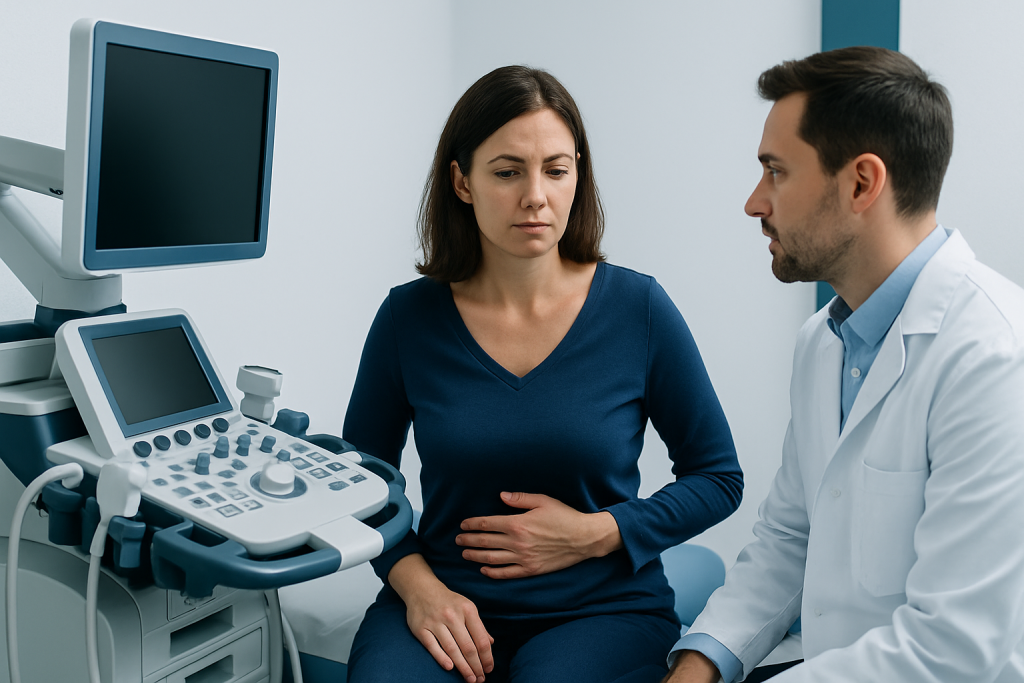
Bloating is often described as pressure, tightness, or a “puffed up” abdomen. Some people notice visible distention, while others feel uncomfortable even when the belly looks normal. The sensation may improve after passing gas or having a bowel movement, or it may linger for hours.
Bloating can appear on its own or alongside other digestive symptoms such as burping, nausea, abdominal pain, constipation, diarrhea, or early fullness during meals. When several symptoms cluster together, the pattern gives important clues about whether the issue is mainly functional, dietary, hormonal, or inflammatory.
It is also helpful to distinguish bloating from sudden severe abdominal swelling. Rapidly worsening pain, a hard abdomen, persistent vomiting, or an inability to pass stool or gas deserves prompt medical review.
Common Causes and Risk Factors

The most common reason for bloating is trapped gas or slowed movement through the digestive tract. Eating quickly, talking while eating, chewing gum, drinking carbonated beverages, and using straws can all increase swallowed air and make bloating worse.
Food-related triggers are another major category. Beans, lentils, onions, certain fruits, lactose-containing dairy products, high-fiber foods introduced too quickly, and some sugar substitutes can ferment in the gut and increase gas. Some people are sensitive to FODMAP-containing foods, which are carbohydrates that can be harder to absorb.
Other common contributors include:
- Constipation or incomplete bowel emptying
- Irritable bowel syndrome
- Food intolerances, such as lactose or fructose intolerance
- Celiac disease or other malabsorption conditions
- Hormonal changes, including around menstruation
- Stress and gut-brain interaction, which can heighten sensitivity to normal amounts of gas
Less commonly, bloating can be related to gastrointestinal infection, inflammatory bowel disease, liver or pancreatic disorders, fluid accumulation in the abdomen, or a structural problem that affects digestion. A doctor will consider these possibilities when symptoms are persistent, severe, or accompanied by other concerning features.
How Doctors Evaluate Bloating
Evaluation begins with a careful conversation about when the bloating started, what makes it better or worse, and whether it is linked to meals, menstrual cycles, bowel changes, or specific foods. Doctors also ask about weight change, fever, pain, vomiting, travel history, medications, and family history of digestive disease.
A physical examination may look for abdominal tenderness, distention, bowel sounds, or signs of constipation and fluid retention. Depending on the pattern of symptoms, testing may include blood work, stool tests, breath tests for certain intolerances, celiac testing, ultrasound, or other imaging studies. Endoscopy or colonoscopy may be recommended if the history suggests a problem inside the digestive tract that needs direct inspection.
The aim is not to test everything at once, but to match the workup to the likely cause. For international patients, bringing previous laboratory reports, scans, and medication lists can shorten the path to a precise diagnosis and reduce duplicated testing.
Treatment Options
Treatment depends on the cause rather than the symptom alone. If constipation is the main issue, the plan may focus on improving bowel regularity through hydration, dietary adjustments, movement, and, when appropriate, doctor-recommended medications. If a food intolerance is identified, symptom control often improves once the trigger is reduced or removed.
For some people, the most effective treatment is a structured dietary approach such as a temporary low-FODMAP plan guided by a dietitian. This should be done thoughtfully, because unnecessary restriction can make eating stressful and may affect nutrition. When bloating is linked to celiac disease, inflammatory bowel disease, peptic disease, or another medical condition, treating that underlying disorder is the key step.
Doctors may also recommend practical symptom-relief strategies, such as adjusting meal size, treating reflux when present, reviewing medications that can slow digestion, or addressing stress and sleep issues that influence gut sensitivity. If symptoms point to a more specific digestive diagnosis, a gastroenterologist may tailor treatment after the initial evaluation is complete.
Prevention and Self-care
Many people can reduce bloating by making small, repeatable changes rather than attempting dramatic diet overhauls. Eating slowly, avoiding very large meals, and limiting carbonated drinks can reduce swallowed air and pressure in the stomach.
Regular bowel habits also matter. Adequate fluids, gradual fiber intake, physical activity, and responding to the urge to use the bathroom can help prevent constipation-related bloating. If a new high-fiber diet is causing more gas, it may help to increase fiber more gradually instead of making a sudden jump.
Other useful habits include:
- Keeping a brief food and symptom diary
- Noticing whether bloating tracks with dairy, wheat-based foods, onions, beans, or artificial sweeteners
- Choosing smaller portions more often if large meals worsen discomfort
- Reviewing over-the-counter products and supplements with a clinician before long-term use
For people managing symptoms while traveling or recovering after treatment abroad, a simple routine of hydration, light movement, and predictable meals can make the digestive system less reactive during the transition home.
When to See a Doctor
Medical advice is important if bloating is persistent, happening most days, or becoming progressively worse. It should also be assessed sooner if it is accompanied by unexplained weight loss, ongoing vomiting, blood in the stool, fever, significant pain, difficulty swallowing, new constipation after age 50, or a noticeable change in bowel habits.
Women should seek evaluation if bloating is new, frequent, and associated with pelvic pain, early fullness, or urinary symptoms, as digestive and gynecologic causes can overlap. Older adults and people with a personal or family history of gastrointestinal cancer, celiac disease, inflammatory bowel disease, or ovarian disease may need a lower threshold for investigation.
Acibadem Health Point supports international patients with multidisciplinary specialists and JCI-accredited hospitals that diagnose and treat digestive conditions in a coordinated way. If bloating is interfering with daily life, a qualified doctor can help identify the cause and choose the safest next step.
Living with Bloating While the Cause Is Being Found
When the cause is not yet clear, it helps to focus on patterns rather than panic. A symptom log that tracks meals, bowel movements, stress, menstrual timing, and medication use can reveal connections that are easy to miss in a one-time appointment.
Patients preparing for care abroad can also make the process smoother by organizing prior scans, blood tests, allergy information, and a list of what has already been tried. That practical preparation often helps clinicians move from broad possibilities to a more focused plan faster.
Bloating is usually manageable once the trigger is identified. The most reassuring approach is steady, evidence-based care: observe the pattern, rule out concerning causes, and treat the underlying issue instead of repeatedly masking the symptom alone.
Frequently asked questions
What is the most common cause of bloating?
The most common causes are often everyday digestive factors such as swallowed air, gas-producing foods, constipation, or a sensitive gut. In many people, bloating improves when bowel habits and meal patterns are adjusted. If it keeps returning, a doctor can check for a specific underlying cause.
Can stress really cause bloating?
Stress does not create gas by itself, but it can change how the gut moves and how strongly a person feels normal digestive sensations. That is why bloating can seem worse during busy or emotionally demanding periods. Managing stress may be helpful alongside diet and bowel-care measures.
When is bloating a sign of something serious?
Bloating is more concerning when it is persistent, worsening, or linked with red-flag symptoms such as weight loss, blood in the stool, vomiting, fever, or severe abdominal pain. It is also worth checking if there is a major change in bowel habits. A doctor can decide whether testing is needed.
Can certain foods cause bloating even if they are healthy?
Yes. Foods such as beans, lentils, onions, some fruits, and high-fiber foods can cause gas as they are digested, even though they are nutritious. The goal is usually not to avoid healthy foods entirely, but to identify the amount and type that the body tolerates best.
Does bloating always mean too much gas?
No. Some people feel bloated because the intestines move slowly, because stool is backed up, or because the gut is unusually sensitive to normal amounts of gas. That is why the same symptom can have different causes in different people.
What tests might a doctor order for bloating?
Depending on the symptoms, a doctor may suggest blood tests, stool tests, breath tests, ultrasound, or endoscopic procedures. Not everyone needs all of these tests. The choice depends on age, symptom pattern, and whether there are any warning signs.
References
- National Institute of Diabetes and Digestive and Kidney Diseases
- NHS
- Mayo Clinic
- American College of Gastroenterology
- World Gastroenterology Organisation
This article is for general information only and is not a substitute for professional medical advice. Please consult a qualified doctor about your individual situation.
Persistent digestive symptoms? Get evaluated in Turkey
JCI-accredited · board-certified surgeons · reply within 24h
Add us as a Preferred Source to see more of our trusted health content across Google Search, AI Overviews and Discover.