Sitz Bath For Hemorrhoids
Key Takeaways
- A sitz bath uses warm water to gently clean and soothe the anal area.
- It may ease itching, burning, and mild pain from hemorrhoids.
- Water should be warm, not hot, and the bath should stay short and gentle.
- A sitz bath is supportive care, not a substitute for medical evaluation when symptoms persist or worsen.
- Good bowel habits, hydration, and fiber intake can help reduce hemorrhoid flare-ups.
- Persistent bleeding, severe pain, or a new lump should be assessed by a doctor.
Medically reviewed by the Acıbadem clinical team — August 19, 2026
A sitz bath in a bathtub can be a simple, soothing way to ease hemorrhoid-related discomfort. It is not a cure, but it may help reduce irritation, support hygiene, and make bowel movements and daily activities more comfortable.
Overview
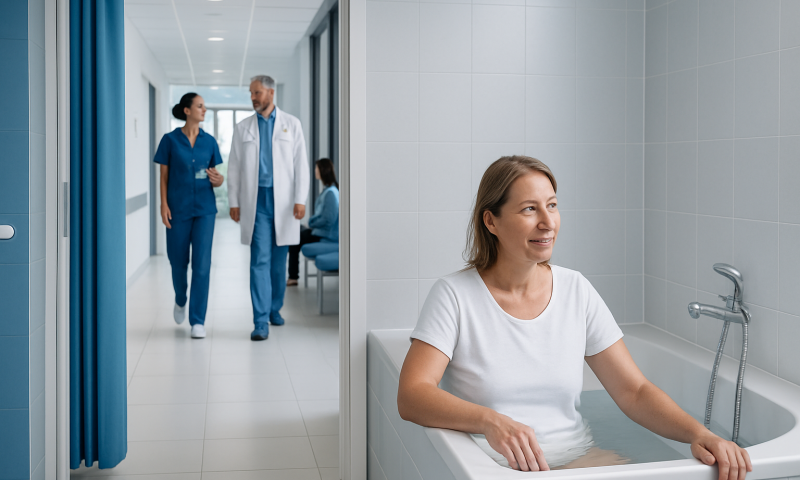
When hemorrhoids flare, even ordinary things like sitting, cleaning after a bowel movement, or walking for long periods can feel irritating. A sitz bath in a bathtub is one of the simplest home measures people use to calm that area with warm water and a few minutes of rest.
The idea is straightforward: the lower body is immersed just enough to cover the anus and nearby tissue, allowing warmth and water to soften residue, relax the muscles, and provide temporary relief. For many people, that small pause in the day can make symptoms more manageable while the body heals.
It helps to think of a sitz bath as comfort care rather than a treatment that removes hemorrhoids. It may ease symptoms, but it does not replace the broader steps that matter for recovery, such as avoiding straining, improving bowel habits, and seeking medical advice when bleeding or pain does not settle.
Symptoms a Sitz Bath May Help Ease
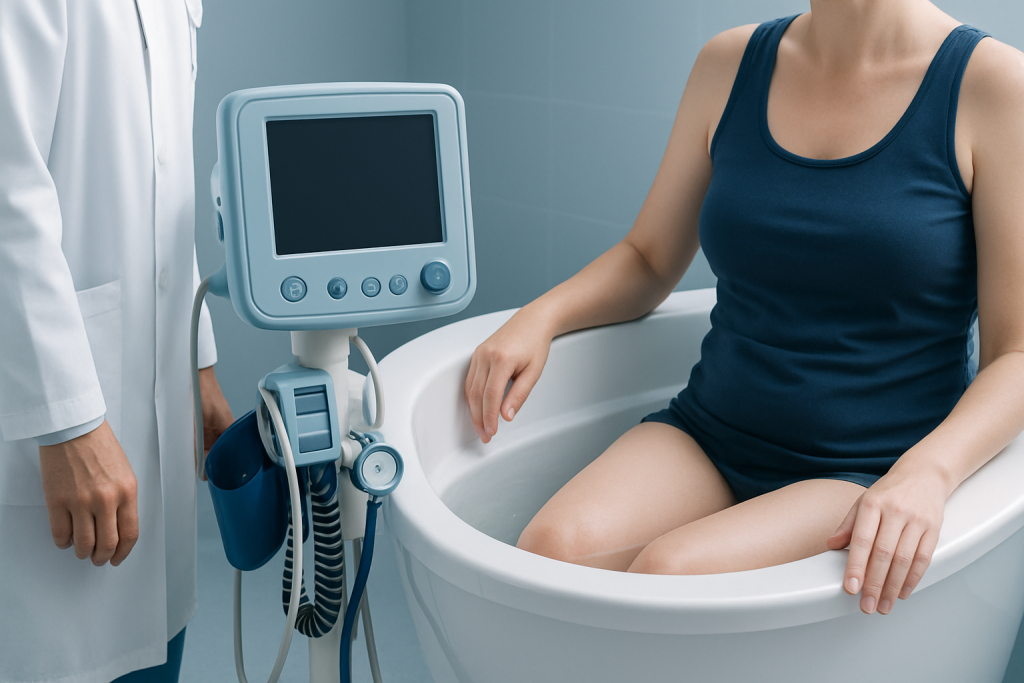
Hemorrhoids can cause a range of symptoms depending on whether they are internal or external and whether they are inflamed. A warm sitz bath may bring short-term relief for itching, soreness, burning, and the raw feeling that sometimes follows a bowel movement.
Some people also find that a bath makes it easier to clean the area gently without rubbing, which can be useful when the skin is irritated. That said, the bath should not be expected to stop bleeding, shrink a prolapsed hemorrhoid, or cure significant swelling on its own.
Common reasons people try this home measure include:
- Anal itching or irritation
- Mild to moderate pain or tenderness
- Discomfort while sitting
- Stinging after bowel movements
- Difficulty keeping the area clean without friction
If symptoms feel unusually intense, occur for the first time, or are changing quickly, it is important not to assume hemorrhoids are the only cause. Several other conditions can mimic hemorrhoid symptoms and may need different care.
Causes and Risk Factors
Hemorrhoids develop when veins in the lower rectum or around the anus become swollen and pressured. Common triggers include constipation, straining, sitting on the toilet for long periods, and repeated pressure during bowel movements.
Other factors may contribute as well, such as pregnancy, low-fiber eating patterns, dehydration, long periods of sitting, or jobs that involve heavy lifting. For some people, diarrhea and frequent wiping can irritate the area enough to make symptoms worse.
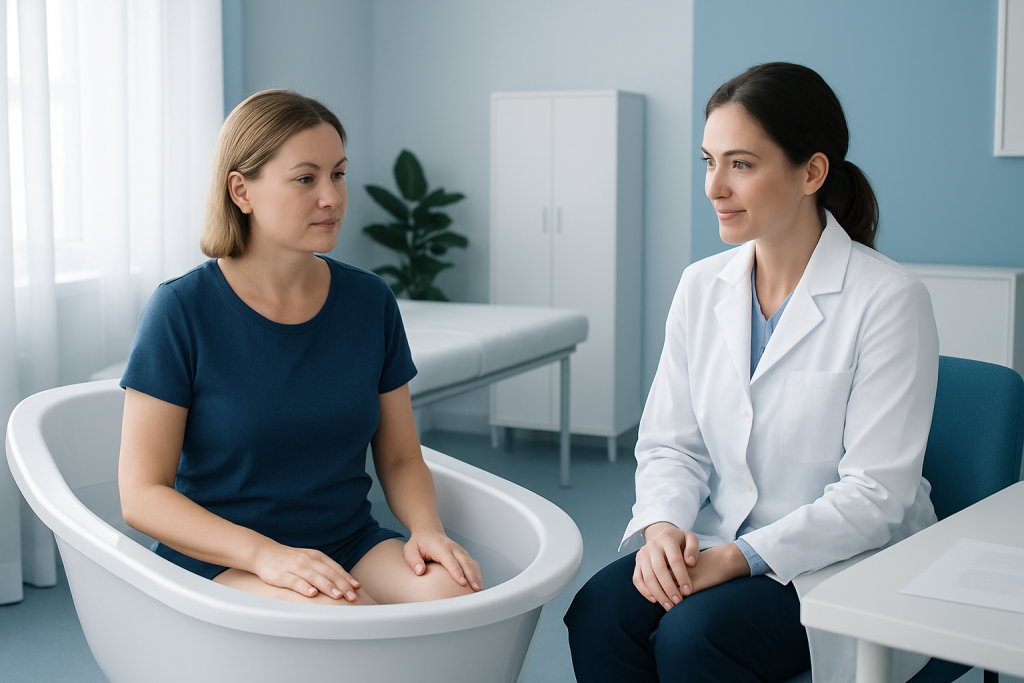
A sitz bath does not address the underlying pressure that caused the problem, which is why it is best used alongside habits that reduce irritation. A doctor may also look for contributing issues such as anal fissures, inflammatory bowel disease, or rectal bleeding from another source if the story is not typical.
How to Use a Sitz Bath in a Bathtub
A bathtub can be adapted for a sitz bath if there is no dedicated basin or portable kit available. The key is keeping the water level shallow and the environment calm, so the tissues are soothed rather than overstimulated.
First, clean the bathtub well and fill it with a few inches of comfortably warm water. The water should cover the anal area and nearby skin, but it does not need to be deep enough for full-body soaking. Many people prefer to sit for about 10 to 15 minutes, then get out carefully, pat the area dry with a soft towel, and avoid rubbing.
Helpful practical points include:
- Test the water temperature with a hand or wrist before sitting down
- Keep the bath warm, not hot, to avoid more irritation
- Do not add harsh soaps, fragrances, or scrubs unless a doctor specifically recommends them
- Use a clean towel and fresh clothing afterward
- Repeat only as needed, based on comfort and medical advice
For international patients traveling for care, this kind of at-home support is often part of the recovery plan after a clinic visit or procedure. A medical team can explain whether a sitz bath is appropriate for the person’s specific condition and how to fit it safely into the day.
When a Sitz Bath Helps — and When It Does Not
Warm water can be calming because it helps relax the anal sphincter and may temporarily reduce spasm-like discomfort. It also rinses away stool particles and sweat that can aggravate already sensitive skin.
Still, a sitz bath is not the right answer for every symptom. If pain is severe, if a lump is rapidly enlarging, or if bleeding is more than a few spots on the tissue, the problem needs medical assessment rather than repeated home care alone.
It is also worth remembering that not all rectal symptoms come from hemorrhoids. Fissures, abscesses, infections, inflammatory bowel disease, and other bowel conditions can cause pain or bleeding, and they should not be masked by self-treatment.
Diagnosis
Doctors usually begin with a careful history and a focused physical examination. They may ask about bowel habits, bleeding, pain, itching, constipation, diarrhea, and any family history of bowel disease or colorectal cancer.
Depending on the symptoms, a clinician may perform a gentle visual inspection or a digital rectal exam. In some cases, an anoscopy or other evaluation is recommended to look more closely at the anal canal and rule out a different cause of symptoms.
Diagnosis matters because hemorrhoid-like complaints can overlap with many other conditions. If the pattern is not straightforward, or if there are warning signs such as unexplained weight loss, black stools, or persistent rectal bleeding, further testing may be needed.
Treatment Options
Treatment depends on how severe the hemorrhoids are and how long they have been present. For many people, the first steps involve stool-softening habits, avoiding straining, increasing fiber, staying well hydrated, and using short-term symptom relief measures such as sitz baths.
Doctors may also recommend topical products or other medications to reduce discomfort, though these should be used carefully and only as advised. If hemorrhoids are larger, prolapsed, or recurring, office-based procedures may be discussed, including rubber band ligation or other minimally invasive options.
Surgery is generally reserved for selected cases, such as persistent symptoms, significant prolapse, or hemorrhoids that do not respond to conservative treatment. The most suitable plan depends on the person’s symptom pattern, overall health, and whether care is being coordinated locally or across borders.
Prevention and Self-care
The most helpful long-term strategy is usually to reduce pressure on the veins around the anus. That means keeping stools soft, going to the toilet when the urge is present, and avoiding long periods of straining or sitting on the toilet with a phone or book.
A fiber-rich eating pattern, adequate fluids, and regular movement can support more predictable bowel habits. Gentle cleansing after bowel movements and avoiding aggressive wiping can also make a noticeable difference, especially for people whose skin becomes easily irritated.
Additional self-care habits may include:
- Using a footstool to support a more natural toilet posture
- Avoiding heavy lifting during a flare if possible
- Choosing loose, breathable underwear
- Reaching out early if constipation becomes a recurring issue
For patients recovering away from home, it can help to ask a doctor ahead of time which measures are appropriate after travel, procedures, or a clinic visit. Clear instructions make self-care easier to continue consistently after returning to another country.
When to See a Doctor
Medical advice is important if symptoms last longer than expected, keep returning, or interfere with daily life. A small amount of improvement after home care is reassuring, but ongoing pain or bleeding should not be ignored.
Prompt evaluation is especially important if there is heavy bleeding, black or tar-like stool, fever, pus, a hard painful lump, dizziness, or severe pain that does not ease. These signs may point to a problem that needs faster attention than hemorrhoid home care can provide.
Anyone who is unsure whether the symptoms are truly hemorrhoids should be assessed rather than guessing. At Acibadem Health Point, multidisciplinary specialists and JCI-accredited hospitals can help diagnose and treat hemorrhoid-related problems for international patients in a coordinated way.
Frequently Asked Questions
Can a sitz bath in a bathtub cure hemorrhoids?
No. It can soothe irritation and reduce discomfort, but it does not remove hemorrhoids or correct the pressure that caused them. It works best as part of a broader care plan.
How warm should the water be?
The water should feel comfortably warm, not hot. If it stings or feels too intense, the temperature should be lowered right away.
How long should someone stay in the bath?
A short session is usually enough, often around 10 to 15 minutes. Longer is not necessarily better and may dry or irritate the skin.
Can soap be added to the water?
Harsh soaps and scented products are best avoided unless a doctor advises otherwise. Plain warm water is usually the gentlest option for irritated tissue.
Is it safe to use a sitz bath after a procedure?
Sometimes yes, but only if the treating clinician says it is appropriate. After a procedure, the timing and method can vary, so written instructions should be followed closely.
What if symptoms keep coming back?
Recurring symptoms deserve a medical review, especially if constipation, bleeding, or pain continues. Repeated flares may need a more targeted plan than home care alone.
Could rectal bleeding be from something other than hemorrhoids?
Yes. Bleeding can also come from fissures, inflammation, infection, or other bowel conditions. That is why persistent or unexplained bleeding should always be checked by a doctor.
Frequently asked questions
Can a sitz bath in a bathtub cure hemorrhoids?
No. It can soothe irritation and reduce discomfort, but it does not remove hemorrhoids or correct the pressure that caused them. It works best as part of a broader care plan.
How warm should the water be?
The water should feel comfortably warm, not hot. If it stings or feels too intense, the temperature should be lowered right away.
How long should someone stay in the bath?
A short session is usually enough, often around 10 to 15 minutes. Longer is not necessarily better and may dry or irritate the skin.
Can soap be added to the water?
Harsh soaps and scented products are best avoided unless a doctor advises otherwise. Plain warm water is usually the gentlest option for irritated tissue.
Is it safe to use a sitz bath after a procedure?
Sometimes yes, but only if the treating clinician says it is appropriate. After a procedure, the timing and method can vary, so written instructions should be followed closely.
What if symptoms keep coming back?
Recurring symptoms deserve a medical review, especially if constipation, bleeding, or pain continues. Repeated flares may need a more targeted plan than home care alone.
Could rectal bleeding be from something other than hemorrhoids?
Yes. Bleeding can also come from fissures, inflammation, infection, or other bowel conditions. That is why persistent or unexplained bleeding should always be checked by a doctor.
References
- World Health Organization
- National Institute of Diabetes and Digestive and Kidney Diseases
- American Society of Colon and Rectal Surgeons
- Mayo Clinic
This article is for general information only and is not a substitute for professional medical advice. Please consult a qualified doctor about your individual situation.
Persistent digestive symptoms? Get evaluated in Turkey
JCI-accredited · board-certified surgeons · reply within 24h
Add us as a Preferred Source to see more of our trusted health content across Google Search, AI Overviews and Discover.