Weighted Vest: Benefits and Risks
Key Takeaways
- Weighted vests add resistance to walking, strength work, and some rehabilitation exercises.
- They may help with conditioning, posture-related training, balance practice, and bone-loading activities when used correctly.
- People with joint pain, spine issues, heart or lung conditions, or balance concerns may need medical advice before using one.
- Fit, weight distribution, and gradual progression matter more than choosing a heavy vest.
- A clinician or physiotherapist can help decide whether a weighted vest belongs in a safe, individualized plan.
Medically reviewed by the Acıbadem clinical team — August 19, 2026
A weighted vest is a simple training and rehabilitation tool that adds external load to everyday movement or exercise. Used thoughtfully, it may support strength, balance, and bone-loading goals, but it is not suitable for everyone and should be matched to the person’s health status and activity plan.
Overview
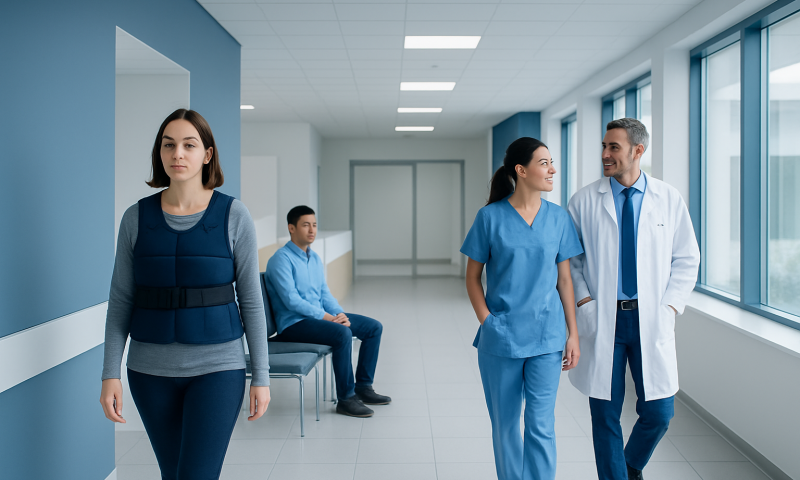
A weighted vest is a wearable garment with added resistance built into pockets, plates, or inserts. It is designed to make the body work a little harder during movement, whether that is walking, stair climbing, bodyweight exercises, or selected rehabilitation drills. For some people, it functions as a practical way to raise the challenge of a familiar routine without changing the exercise itself.
In rehabilitation and fitness settings, weighted vests are usually used with a specific purpose rather than as a general “more is better” tool. A physiotherapist may recommend one to support strength training, balance practice, or gradual loading for bone health. In an international-patient context, it can also be part of a home program after an orthopedic or rehabilitation consultation, where the plan needs to be clear enough to continue safely once the person returns to their own country.
The important idea is that a weighted vest should match the body’s current capacity. The right vest for one person may be uncomfortable or unsafe for another. That is why the benefits depend less on the device itself and more on how it is selected, fitted, and introduced into an activity plan.
What People Notice When Using One
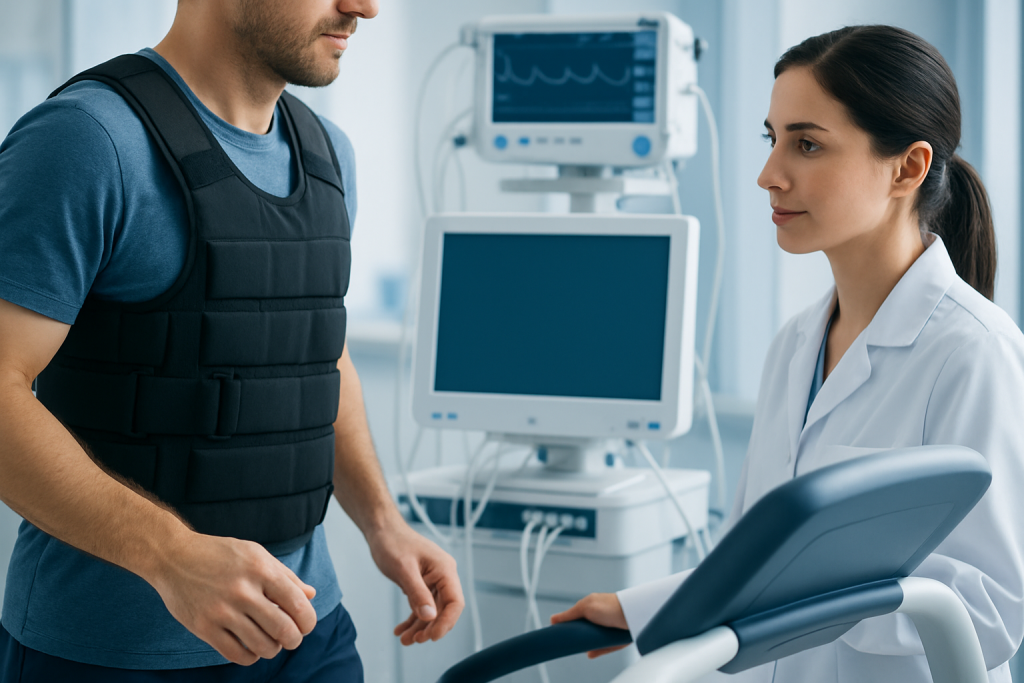
Most users first notice that ordinary movements feel more demanding. A short walk can become a more purposeful workout, squats may require better trunk control, and step-ups can challenge leg endurance. Because the load sits close to the torso, it often feels more natural than carrying hand weights, though it still changes posture and breathing effort.
In rehabilitation, that extra challenge can be useful. People working on strength or gait may need a controlled way to increase intensity when bodyweight alone is no longer enough. Some bone-loading programs also use weighted vests because load-bearing activity is one of several approaches that may support skeletal health when recommended by a clinician.
There can also be less obvious effects. A vest may prompt better awareness of posture, more deliberate movement, and increased attention to pacing. For some people, those cues are helpful; for others, they can make exercises feel awkward or tiring too quickly. That is why supervision or an individualized plan is often worthwhile, especially after injury or surgery.
Common Uses and Potential Benefits

Weighted vests are used in several different ways, and the goal determines whether they are appropriate. In general fitness, they may add variety and resistance to low-impact training. In rehabilitation, they may be used to progress walking drills, sit-to-stand practice, or balance work in a controlled setting. In some bone-health programs, they are considered as one part of a broader strategy that may include impact exercise, resistance training, nutrition, and fall prevention.
Potential benefits may include improved muscular effort, better exercise tolerance over time, and a stronger training stimulus without needing gym equipment. Some people also find that wearing a vest during functional tasks helps translate exercise gains into daily life, because the movements resemble ordinary activities such as carrying groceries or climbing stairs.
Those possible benefits do not mean the vest is automatically helpful for everyone. People with knee pain, back pain, recent fractures, dizziness, or cardiopulmonary conditions may experience added strain. The safest use is usually tailored, brief at first, and paired with clear goals such as “build walking endurance” or “progress sit-to-stand strength,” rather than wearing the vest throughout the day.
Who Should Be Cautious
Although a weighted vest appears simple, it changes how force passes through the joints, spine, and breathing muscles. That can be unhelpful if someone already has pain, instability, or a condition that makes load-bearing difficult. A medical or physiotherapy review is especially important for people with arthritis, osteoporosis, disc problems, poor balance, recent surgery, or a history of falls.
Extra caution is also sensible for anyone with heart or lung disease, uncontrolled blood pressure, numbness in the feet, or reduced sensation that could affect balance and foot placement. Pregnant individuals, children, and older adults with frailty should not self-prescribe weighted vest use without professional guidance. Even when the device is “just for walking,” the increased effort can change breathing, posture, and fatigue levels.
There are also practical risks. If the vest is too loose, it may shift and pull unevenly on the shoulders or trunk. If it is too heavy too soon, it may encourage compensatory movement patterns, such as leaning forward, shortening stride, or holding the breath during effort. In rehabilitation, those small adjustments can matter more than the weight itself.
How It Is Assessed and Introduced
There is no single universal prescription for a weighted vest. A clinician typically starts by looking at the person’s diagnosis, movement goals, pain level, balance, and current exercise tolerance. The question is not simply whether a vest can be used, but whether it adds the right kind of challenge without compromising safety or technique.
During assessment, a physiotherapist may watch how the person stands, walks, squats, reaches, or climbs stairs. They may ask about previous injuries, bone health, breathing symptoms, and the activities the person wants to return to. For someone seeking care while traveling, this discussion is especially valuable because the exercise plan must be realistic to continue after they return home.
If a vest is recommended, the introduction is usually gradual. Sessions may begin with short periods of use during supervised exercises rather than long walks or all-day wear. The goal is to find a level that feels challenging but manageable, with attention to movement quality, fatigue, and recovery afterward.
Safe Use and Self-care
Safe use begins with fit. The vest should sit snugly and evenly, without bouncing or pulling to one side. Load should be distributed in a balanced way, and the person should still be able to breathe comfortably and move through a natural range. If the vest changes gait or causes neck, shoulder, back, or knee discomfort, the weight may be too much or the activity may need to be modified.
Progress should be slow and intentional. It is generally wiser to start with short exercise bouts and low resistance, then increase one variable at a time. For example, a person may first extend the duration of a walk, then add a small amount of weight, or vice versa. Combining a heavy vest with a new workout, fast pace, or uneven ground often raises the chance of strain.
Helpful habits include:
- Using the vest only for the planned activity, not continuously throughout the day
- Stopping if there is sharp pain, dizziness, shortness of breath out of proportion to effort, or unusual fatigue
- Keeping steps controlled on stairs and uneven surfaces
- Reviewing technique with a physiotherapist if the vest is part of rehabilitation
- Reassessing fit and comfort regularly, especially if body size or symptoms change
For international patients, it can be useful to receive written instructions before leaving the clinic, including what exercises to do, what to avoid, and when to request a follow-up review remotely or locally.
When to See a Doctor
A doctor or physiotherapist should be consulted before starting a weighted vest if there is known joint disease, osteoporosis, spine problems, a recent injury, or any condition that affects balance or breathing. Professional advice is also important if the goal is rehabilitation after surgery, fracture care, or recovery from a neurological condition, because the wrong load can slow progress rather than help it.
Medical review is also appropriate if symptoms appear after vest use. Persistent pain, swelling, numbness, tingling, worsening posture, shortness of breath, or repeated near-falls should not be ignored. These signs do not necessarily mean serious harm has occurred, but they do suggest the program needs to be adjusted.
In a well-planned rehab journey, the weighted vest is just one tool among many. Acibadem Health Point’s multidisciplinary specialists and JCI-accredited hospitals diagnose and treat a wide range of rehabilitation and orthopedic conditions for international patients, helping align exercise tools with the person’s recovery goals and safety needs.
Practical Questions to Ask Before Using One
Before buying or borrowing a vest, it helps to ask a few straightforward questions. What is the main goal: conditioning, balance, bone loading, or rehabilitation? Which movements will it be used for? How will success be measured: less fatigue, better walking tolerance, safer sit-to-stand movement, or improved exercise consistency?
It is also wise to ask whether there are better alternatives. Some people respond better to resistance bands, ankle weights, machines, bodyweight progressions, or supervised balance work. A weighted vest is not automatically the best tool just because it is available. The best option is the one that matches the person’s body, symptoms, and recovery plan.
Finally, the wearer should know when to stop and who to contact if something feels wrong. Clear instructions reduce confusion, especially for patients managing care across borders or continuing therapy independently after a hospital visit. That clarity often makes the difference between a useful aid and a piece of equipment that is never used well.
Frequently asked questions
What is a weighted vest used for?
A weighted vest is used to add resistance to movement, which can make walking, strength exercises, or selected rehabilitation drills more challenging. It is sometimes used to support conditioning, balance training, or bone-loading programs under professional guidance.
Are weighted vests safe for beginners?
They can be safe for some beginners if the load is light, the fit is correct, and the activity is appropriate. However, anyone with pain, balance problems, or medical conditions affecting the heart, lungs, joints, or spine should ask a clinician first.
Can a weighted vest help with weight loss?
It may increase exercise effort, but it is not a weight-loss solution by itself. Sustainable weight management depends on the overall activity plan, nutrition, and medical factors, so a vest should be viewed as a training tool rather than a standalone answer.
How heavy should a weighted vest be?
There is no single correct weight for everyone. The safest starting point is usually a load that allows good posture, steady breathing, and controlled movement, with gradual changes based on comfort and clinician advice.
Can a weighted vest hurt the knees or back?
It can if the load is too heavy, the fit is poor, or the person already has joint or spine problems. If a vest causes pain, limping, stiffness, or a change in normal movement, it should be stopped and reviewed.
Should a weighted vest be worn all day?
Usually no. Most programs use the vest only for specific exercises or short activity periods, because prolonged wear can create unnecessary strain and make it harder to monitor comfort and technique.
References
- National Institute on Aging
- American Academy of Orthopaedic Surgeons
- American Physical Therapy Association
- World Health Organization
- NIH Osteoporosis and Related Bone Diseases National Resource Center
This article is for general information only and is not a substitute for professional medical advice. Please consult a qualified doctor about your individual situation.
Joint and spine care in Turkey — expert assessment & treatment
JCI-accredited · board-certified surgeons · reply within 24h
Add us as a Preferred Source to see more of our trusted health content across Google Search, AI Overviews and Discover.