Ankle Weights

Key Takeaways
- Ankle weights add resistance to lower-body movements and are commonly used in fitness and rehabilitation settings.
- They may help strengthen certain muscles, but they can also place extra stress on joints and soft tissues if used too early or too heavily.
- People with knee, hip, ankle, balance, or nerve problems may need professional advice before using them.
- Proper fit, low starting weight, and controlled movements are more important than intensity.
- If pain, swelling, numbness, or gait changes occur, the activity should stop and a clinician should be consulted.
Ankle weights are simple exercise tools that can increase resistance during walking, leg lifts, and rehabilitation exercises. Used thoughtfully, they may support strength and endurance, but they are not ideal for everyone and should be introduced with guidance when pain or injury is involved.
Overview
Ankle weights are small weighted cuffs that wrap around the lower leg or ankle to make movement feel more demanding. They are often seen in home workouts, physical therapy sessions, and conditioning programs where the goal is to build strength, improve muscle control, or add variety to familiar exercises.
Because they look uncomplicated, ankle weights are sometimes used without much planning. That is where problems can begin. The extra load changes how the body moves, and that shift may be helpful in some settings and unhelpful in others. A person recovering from injury, traveling for treatment, or following an exercise plan away from home should think of ankle weights as tools that need the right context, not as a universal fitness shortcut.
When they are chosen carefully, ankle weights can support specific rehabilitation or strengthening goals. When they are used to intensify walking, running, or high-repetition movements without supervision, they may increase strain on joints, tendons, and hips. Their value depends on the exercise, the person’s condition, and the reason they are being used.
How ankle weights are used
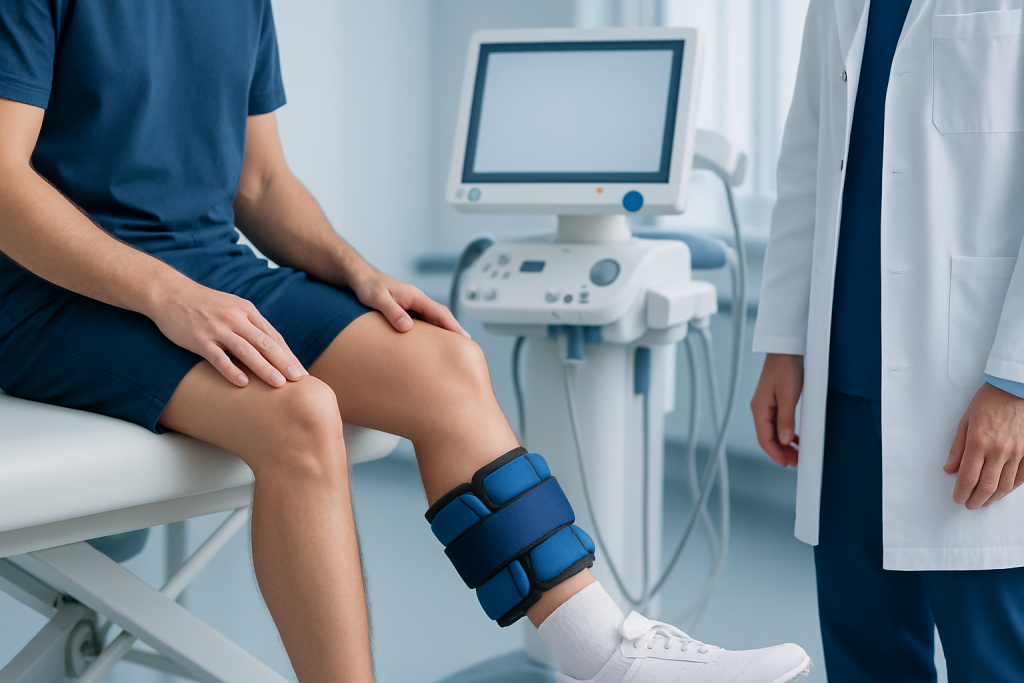
Ankle weights are attached just above the ankle so that the added resistance moves with the leg. This can make simple motions such as straight leg raises, hip abduction, marching in place, or seated leg lifts more challenging. In rehabilitation programs, they may be used to help a muscle group work harder in a controlled way.
In fitness routines, some people use them for light resistance during floor exercises or short, supervised walking drills. The aim is usually not to create a dramatic load, but to make the movement slightly more demanding while maintaining form. That distinction matters, because the usefulness of ankle weights comes from control, not from pushing through fatigue.
They are not always a good choice for cardio sessions, fast-paced dance workouts, or long walks. In those situations, the weight can alter gait and may encourage compensation patterns, especially if the hips, knees, or ankles are already sensitive. A rehabilitation specialist can help decide whether ankle weights fit the activity or whether another form of resistance is safer and more effective.
Possible benefits

One common reason clinicians and trainers consider ankle weights is targeted strengthening. By adding resistance to the leg, certain muscles may work harder during controlled movements, which can be useful when building back function after a period of inactivity or after minor injury, depending on the case.
They may also help with motor control and proprioception, which is the body’s sense of position and movement. In a supervised program, this can be relevant for people relearning stable movement patterns or trying to improve lower-limb coordination. The benefit comes from precise exercise selection, not from simply wearing the weights throughout the day.
For some people, ankle weights can make home exercise programs more engaging and measurable. A therapist may start with a very light load and observe how the body responds. If movement stays smooth and comfortable, the resistance may be adjusted gradually as part of a broader plan that also includes stretching, balance work, and rest.
Risks and who should be cautious
Adding weight near the ankle increases leverage on the leg, which can magnify stress on the knee, hip, and lower back. That is one reason ankle weights are not automatically safe just because the added load is small. The body may compensate by swinging the leg, tightening the hip flexors, or changing the walking pattern.
People with joint arthritis, recent surgery, tendon irritation, balance difficulties, nerve problems, or a history of falls should be especially careful. Even healthy individuals may notice discomfort if they use ankle weights for too long, with poor technique, or during movements that were not designed for extra resistance. Children, older adults, and people returning from injury usually need more conservative guidance.
Warning signs that the activity may not be a good fit include:
- new or worsening pain in the ankle, knee, hip, or back
- swelling or a feeling of instability
- numbness, tingling, or unusual fatigue
- limping or a change in gait
- loss of balance during exercise
If any of these appear, the weights should be removed and the exercise plan reviewed with a clinician or therapist. The safest approach is to treat discomfort as useful information, not something to power through.
How clinicians decide if ankle weights are appropriate
A rehabilitation specialist usually starts by asking what the person is trying to achieve. The answer may be strength after surgery, support for a home exercise program, improved control after inactivity, or simple fitness. That goal determines whether ankle weights make sense at all, and if so, which movements are suitable.
The clinician also looks at joint health, range of motion, gait, pain levels, balance, and the person’s ability to perform movements correctly. This assessment is especially helpful for international patients who may be seeking care while traveling and need a plan that is realistic to continue after returning home. A good program is one that can be followed safely outside the clinic, not one that depends on perfect supervision forever.
Sometimes the decision is to avoid ankle weights and use other options instead, such as resistance bands, machines, bodyweight progressions, or aquatic therapy. These alternatives may load the muscles more safely or in a way that better matches the patient’s recovery stage. The best tool is the one that fits the person, not the one that simply feels familiar.
Safe use and self-care
When ankle weights are approved for use, starting light is the most important rule. Controlled repetitions are usually more valuable than heavy resistance, and the movement should stay smooth enough that the person does not swing the leg or hold their breath. The exercise should feel challenging in the muscles, not stressful in the joints.
It also helps to use ankle weights only for the exercises they were prescribed for. Wearing them during everyday walking around the house, standing for long periods, or doing chores can create unnecessary strain. In many cases, the weights should be used for short, planned sessions and then removed.
Helpful self-care habits include:
- choosing a secure, well-fitting cuff
- checking the skin for rubbing or pressure marks
- keeping movements slow and controlled
- stopping if pain or instability appears
- progressing only when the current level feels manageable
After exercise, mild muscle fatigue may be expected, but soreness that lasts, swelling, or joint pain suggests the load may have been too much. Rest, technique review, and professional advice are often more useful than simply reducing or increasing the weight on your own.
When to see a doctor
Medical advice is appropriate if ankle weights trigger persistent pain, swelling, redness, weakness, numbness, or repeated loss of balance. It is also wise to seek guidance before starting if there is a recent injury, surgery, chronic joint disease, or unexplained leg symptoms. In those situations, a clinician can help determine whether the issue is related to exercise, healing, or something else that needs attention.
People who are unsure whether ankle weights belong in their routine may benefit from a rehabilitation consultation rather than trial and error. That is especially true when the exercise is being used as part of recovery from a medical condition or while managing symptoms that have not fully settled. A careful evaluation can prevent setbacks and save time.
For patients who are organizing care from another country, a coordinated plan can make follow-up much easier after travel. Acibadem Health Point offers multidisciplinary specialists and JCI-accredited hospitals that diagnose and treat rehabilitation-related conditions for international patients. Whatever the setting, the goal is the same: a safe plan that matches the person’s body, schedule, and recovery stage.
Frequently asked questions
Are ankle weights good for walking?
They are not usually the first choice for everyday walking. Adding weight can change gait and place extra stress on the joints, so walking with ankle weights is best considered only when a clinician or therapist specifically recommends it.
Can ankle weights help build stronger legs?
They can help in certain controlled exercises, especially in rehabilitation or targeted strengthening programs. The key is using the right exercise, the right amount of resistance, and proper technique.
How heavy should ankle weights be?
There is no single correct weight for everyone. The safest starting point is usually the lightest load that allows smooth movement, with any progression based on comfort, control, and professional guidance.
Can ankle weights hurt the knees or hips?
Yes, they can if they are too heavy, used too often, or added to movements that are not suitable for them. Because the load sits at the end of the leg, it can increase stress on nearby joints and muscles.
Should ankle weights be worn all day?
No, they are generally not meant for all-day wear. They are usually better used for short, planned exercise sessions to avoid unnecessary strain and skin irritation.
What should a person do if ankle weights cause pain?
The weights should be removed and the exercise stopped. If pain, swelling, or weakness continues, a doctor or physical therapist should evaluate the cause before the routine is resumed.
References
- National Institute of Arthritis and Musculoskeletal and Skin Diseases
- American Academy of Orthopaedic Surgeons
- American Physical Therapy Association
- Mayo Clinic
- MedlinePlus
This article is for general information only and is not a substitute for professional medical advice. Please consult a qualified doctor about your individual situation.
More from the Health Library



Related Specialists

Dr. Meltem Hüner
Infectious Diseases & Clinical Microbiology
Assoc. Prof. Dr. Yasemin Koyuncu
Dermatology
Prof. Dr. İlter Tüfek
Urology
Dr. Yasemin Dilek Soysal
Pediatric Gastroenterology