Shilajit: Benefits and Risks

Key Takeaways
- Shilajit is a mineral-rich resin traditionally used in Ayurvedic medicine and now sold as a supplement.
- Claims about energy, fertility, and strength exist, but strong clinical evidence is limited.
- Contamination and product quality are important concerns because some products may contain heavy metals or impurities.
- People with chronic illness, pregnancy, or regular medication use should ask a clinician before taking it.
- A medical review is especially useful if symptoms such as fatigue or low libido may have an underlying cause.
Medically reviewed by the Acıbadem clinical team — August 19, 2026
Shilajit is a natural resin used in traditional medicine and sold as a supplement, but quality and safety vary widely. This article explains what it is, what is known about its possible uses, and how to approach it cautiously with a doctor’s guidance.
Overview
Shilajit is a dark, sticky substance that seeps from rock layers in mountainous regions and has a long history in traditional medicine systems, especially Ayurveda. In modern markets, it is usually sold as a resin, powder, or capsule and promoted as a supplement for energy, stamina, and general vitality.
For many people, the main question is not simply whether shilajit is “natural,” but whether it is appropriate, safe, and worth trying. That answer depends on the reason for use, the person’s health status, and the quality of the product. As with many supplements, the gap between traditional use and modern clinical evidence is important.
Shilajit is sometimes discussed by people looking for support with fatigue, physical performance, or reproductive health. While some early research is interesting, it does not replace a proper medical evaluation. Ongoing tiredness, weakness, or sexual health concerns can have treatable causes that should not be overlooked.
Symptoms and Common Reasons People Consider It
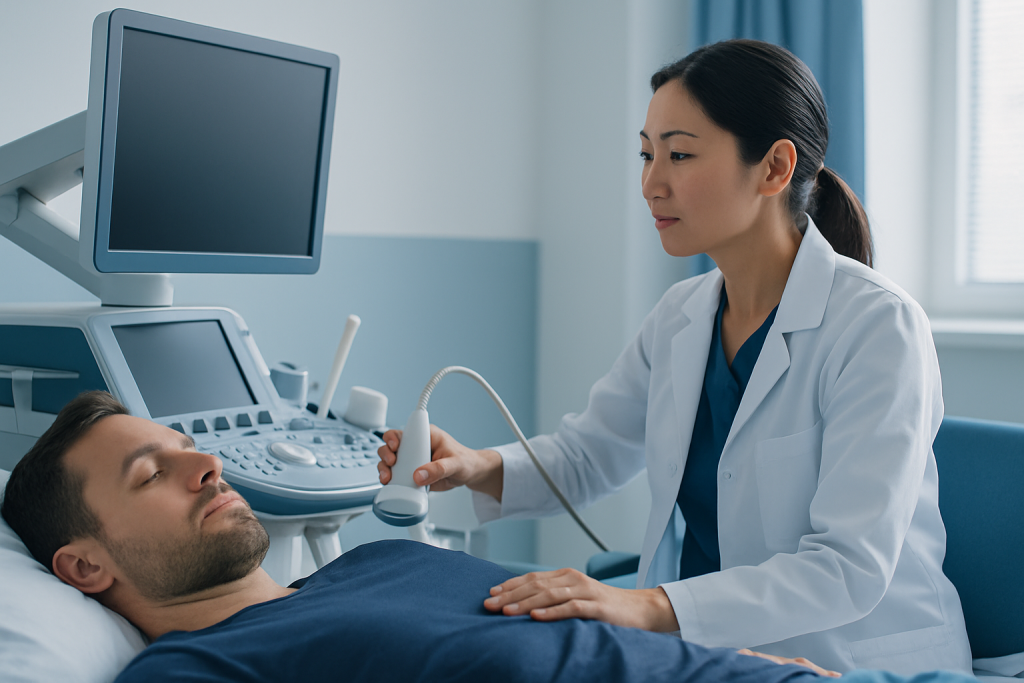
Shilajit is not taken for a disease in the usual medical sense. Instead, people often use it in the hope of improving how they feel day to day. Common reasons include low energy, reduced exercise tolerance, mental “fog,” low libido, or a general sense of reduced vitality.
Some users report noticing changes in stamina or well-being, but these impressions are not the same as proof of benefit. Placebo effects, sleep quality, diet, stress, and activity level can all influence how a supplement seems to work. For that reason, a careful history is important when someone is deciding whether shilajit is truly addressing the issue or simply accompanying other healthy changes.
It may be helpful to think of shilajit as a supplement that is often marketed around symptoms rather than a specific diagnosis. If the concern is persistent fatigue, for example, a doctor may look for anemia, thyroid disease, sleep problems, medication effects, depression, or nutritional deficiencies before considering any supplement at all.
What It Contains and Why Quality Matters

Shilajit is a complex natural material that can contain organic compounds, minerals, and other substances formed over long periods of decomposition in rock. This complexity is one reason it has attracted interest, but it is also one reason its composition can vary greatly from product to product.
Quality control matters because poorly processed or adulterated supplements may contain contaminants such as heavy metals, microbes, or other unwanted substances. Some products sold as shilajit may not be standardized, and labels may not fully reflect what is inside. This creates a real safety issue, especially for people who are already managing chronic health conditions.
From a patient-safety perspective, “natural” should not be treated as a guarantee of purity. When a supplement is considered, the source, purification process, third-party testing, and reputation of the manufacturer matter more than marketing language on the package.
Possible Benefits and What the Evidence Says
Traditional systems have used shilajit for vitality, recovery, and overall health, and modern researchers have explored a few possible effects. Some early studies suggest it may have antioxidant properties or may influence certain markers related to energy metabolism and male reproductive health.
Even so, the clinical evidence remains limited, and the results do not yet support broad medical recommendations. Studies may be small, short, or methodologically mixed, which makes it hard to know how well findings apply to everyday use. For patients, this means shilajit should be seen as an unproven adjunct rather than a reliable treatment.
It is also important to separate symptom relief from disease management. For instance, if a person feels tired, a supplement cannot substitute for diagnosing sleep apnea, iron deficiency, diabetes, or thyroid disease. Good medical care starts with the cause, not the label on the bottle.
- Energy and fatigue: interest exists, but evidence is not strong enough for routine use.
- Fertility and testosterone-related claims: early research exists, but results are not definitive.
- Physical performance: any effect is uncertain and likely modest if present at all.
Causes & Risk Factors for Problems with Use
The main risk with shilajit is not a classic “disease” caused by the herb itself, but the combination of uncertain quality, possible contamination, and inappropriate self-treatment. A person may delay care for an underlying illness because a supplement seems easier to try first.
Certain people may face higher risk from side effects or interactions. Those with kidney disease, liver disease, gout, diabetes, iron disorders, or complex medication schedules should be especially cautious. Pregnant or breastfeeding people should avoid using it unless a clinician specifically advises otherwise, because safety data are insufficient.
Another practical risk factor is using multiple supplements at once. When products are combined, it becomes difficult to know which one is helping, which one is causing symptoms, and whether an interaction is occurring. This is one reason a doctor or pharmacist should review all supplements, not just prescription medications.
Diagnosis and Medical Evaluation Before Using It
There is no diagnostic test for deciding whether shilajit is “needed.” Instead, the medical process is about identifying the reason someone wants to take it and checking whether that reason has a treatable cause. A clinician may ask about sleep, stress, diet, menstrual history, sexual function, mood, exercise, and medication use.
If fatigue, weakness, or low libido are the concern, the evaluation may include blood tests or other checks depending on the case. The goal is not to block supplement use, but to make sure a hidden condition is not being missed. This is especially relevant for international patients who may travel for care after trying several over-the-counter products without improvement.
In a specialty or hospital setting, the review is usually straightforward: confirm the concern, identify red flags, and decide whether a supplement has any role at all. That approach is often more useful than trial-and-error use based on online advice.
Treatment Options, Safe Use, and Self-care
There is no standard medical treatment for “shilajit use” itself, but there are safe-use principles worth following. If a clinician feels a supplement trial is reasonable, the patient should choose a product from a reputable source with clear ingredient information and quality testing. If a product’s origin or purification process is unclear, it is wiser to avoid it.
People should not use shilajit as a replacement for treatment of anemia, hormone disorders, depression, diabetes, or other medical conditions that can cause fatigue or low energy. If a supplement is used, it should be introduced one at a time so that any side effects can be recognized. Mild symptoms such as stomach upset, rash, or headache should be taken seriously, especially if they repeat.
Helpful self-care often does more for vitality than any supplement can: regular sleep, adequate protein and iron intake when appropriate, hydration, gradual exercise, stress management, and follow-up for persistent symptoms. For patients who are traveling, bringing a full list of supplements and medicines to the consultation helps the care team give safer advice.
- Read labels carefully and avoid products with vague sourcing.
- Stop the supplement and seek advice if new symptoms appear.
- Keep all supplements away from children.
- Tell every clinician about supplement use before procedures or new prescriptions.
When to See a Doctor
Medical advice is sensible before starting shilajit if the person has a chronic illness, takes regular medication, is pregnant or breastfeeding, or has a history of metal-related exposure or kidney problems. A clinician can help decide whether the supplement is appropriate or whether a different approach is safer.
It is also important to seek evaluation if the reason for wanting shilajit is persistent fatigue, poor concentration, low mood, reduced sexual function, or unexplained weakness. Those symptoms may point to a condition that deserves diagnosis rather than self-treatment. The right answer may be a laboratory test, a medication review, lifestyle changes, or a different specialist referral.
Acibadem Health Point’s multidisciplinary specialists and JCI-accredited hospitals can diagnose and treat the underlying causes of these concerns for international patients, helping them move from uncertain supplement use to a clearer medical plan.
Frequently Asked Questions
Is shilajit a medicine or a supplement?
It is generally sold as a supplement, not a licensed medicine. Traditional systems have used it for centuries, but that does not make it a proven treatment for modern medical conditions.
Can shilajit boost energy?
Some people take it for that reason, and early research is interesting, but the evidence is not strong enough to promise an effect. If fatigue is ongoing, a medical check is more useful than relying on a supplement.
Is shilajit safe for everyone?
No supplement is safe for everyone. People with chronic illness, pregnancy, breastfeeding, or regular medication use should speak with a clinician first, and product quality should always be considered.
What are the possible side effects?
Reported issues can include stomach upset, headache, or allergic-type reactions, though product contamination is also a concern. Any new or unusual symptom after starting it should prompt a stop-and-check approach.
How can someone choose a better product?
The best safeguard is a reputable manufacturer with transparent sourcing and third-party quality testing. Even then, a healthcare professional should review whether use makes sense for that person’s health profile.
Why do doctors often ask about supplements?
Because supplements can interact with medications or complicate the picture when symptoms are being investigated. Knowing the full list helps the care team avoid missed causes and give safer advice.
Frequently asked questions
Is shilajit a medicine or a supplement?
It is generally sold as a supplement, not a licensed medicine. Traditional systems have used it for centuries, but that does not make it a proven treatment for modern medical conditions.
Can shilajit boost energy?
Some people take it for that reason, and early research is interesting, but the evidence is not strong enough to promise an effect. If fatigue is ongoing, a medical check is more useful than relying on a supplement.
Is shilajit safe for everyone?
No supplement is safe for everyone. People with chronic illness, pregnancy, breastfeeding, or regular medication use should speak with a clinician first, and product quality should always be considered.
What are the possible side effects?
Reported issues can include stomach upset, headache, or allergic-type reactions, though product contamination is also a concern. Any new or unusual symptom after starting it should prompt a stop-and-check approach.
How can someone choose a better product?
The best safeguard is a reputable manufacturer with transparent sourcing and third-party quality testing. Even then, a healthcare professional should review whether use makes sense for that person’s health profile.
Why do doctors often ask about supplements?
Because supplements can interact with medications or complicate the picture when symptoms are being investigated. Knowing the full list helps the care team avoid missed causes and give safer advice.
References
- National Center for Complementary and Integrative Health
- National Institutes of Health Office of Dietary Supplements
- World Health Organization
- U.S. Food and Drug Administration
- Mayo Clinic
This article is for general information only and is not a substitute for professional medical advice. Please consult a qualified doctor about your individual situation.
Explore treatments in Turkey — costs, top hospitals & a free quote
JCI-accredited · board-certified surgeons · reply within 24h
Add us as a Preferred Source to see more of our trusted health content across Google Search, AI Overviews and Discover.