Ventral

Key Takeaways
- A ventral hernia is a weakness in the abdominal wall that allows tissue or organs to protrude.
- A bulge, discomfort, or pressure that worsens with coughing or lifting is a common sign.
- Diagnosis usually begins with a physical exam and may include imaging to clarify the hernia.
- Treatment ranges from watchful waiting to surgical repair, depending on symptoms and risk.
- Healthy weight management, safe lifting habits, and prompt attention to changes can support recovery and reduce strain.
A ventral hernia occurs when tissue pushes through a weakened area in the abdominal wall, often creating a noticeable bulge that becomes more obvious with movement or strain. Many cases are treatable, and the right approach depends on symptoms, size, and overall health.
Overview
A ventral hernia develops when the abdominal wall no longer holds its layers as firmly as it should. Through that weak spot, tissue or part of the intestine can push outward and form a visible bulge. The word “ventral” simply refers to the front of the body, so this term covers hernias in the front abdominal wall, including incisional hernias that appear near a previous surgical scar.
For many people, the first clue is not pain but a change in shape: a soft lump that appears when standing, coughing, lifting, or straining, then flattens when lying down. Some hernias stay small and cause little trouble for a long time. Others become uncomfortable, interfere with daily movement, or increase in size gradually.
Because abdominal wall hernias can behave differently from one person to another, treatment is individualized. A doctor may recommend monitoring in some cases, while others are better managed with repair to prevent symptoms from progressing. For international patients deciding whether to travel for care, the key is to understand the hernia’s size, the level of discomfort, and whether there are any signs that urgent treatment is needed.
Symptoms
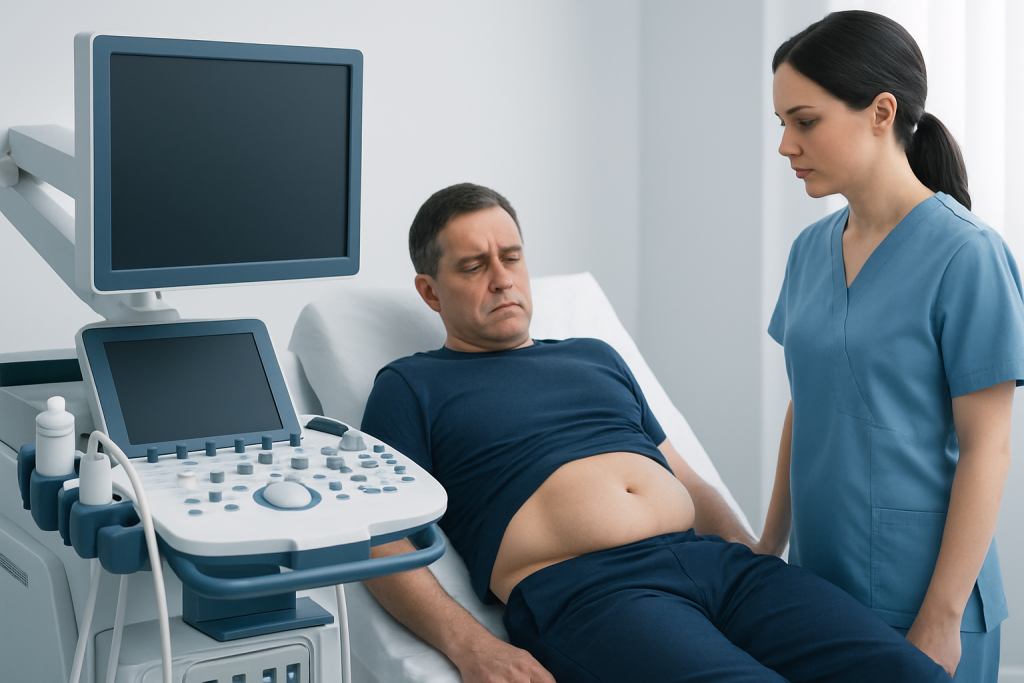
The most recognizable sign is a bulge in the abdomen. It may be more noticeable when the person is standing, straining, laughing, or coughing, and less obvious when resting. The lump can feel soft, and in some cases it can be gently pushed back in, although that should not be forced.
Not every ventral hernia causes pain. When symptoms do appear, they often include a dull ache, pulling sensation, pressure, or soreness around the bulge. People may notice that movement, bending, or carrying luggage makes the discomfort more apparent, which is especially relevant during travel or after a long flight.
Seek medical attention promptly if the bulge becomes firm, very tender, red, or discolored, or if there is nausea, vomiting, severe abdominal pain, or inability to pass gas or stool. Those changes can suggest that the hernia has become trapped or blocked and needs urgent assessment.
Causes & Risk Factors

A ventral hernia forms when pressure inside the abdomen meets a weakened area of muscle or tissue. Sometimes that weakness is present from birth, but many ventral hernias develop after surgery, especially if healing was affected by infection, strain, or repeated stress on the incision. That is why incisional hernias are part of the ventral hernia family.
Several factors can raise the likelihood of developing a ventral hernia. These include excess body weight, repeated heavy lifting, persistent coughing, chronic constipation, pregnancy, smoking, and certain wound-healing problems. Older age and previous abdominal operations can also contribute, because tissue strength may change over time.
In some people, there is no single clear trigger. The abdominal wall can weaken gradually from a combination of small stresses rather than one dramatic event. That is one reason doctors often look beyond the bulge itself and ask about surgery history, physical work, bowel habits, coughing, and general health before recommending a plan.
Diagnosis
Diagnosis often starts with a careful physical examination. A doctor will usually look for the bulge while the person is standing or straining, because hernias can be easier to see in those positions. Questions about when the lump appeared, whether it changes with activity, and whether pain or digestive symptoms are present help guide the assessment.
Imaging is sometimes used to confirm the diagnosis or map the hernia more clearly. Ultrasound or CT scanning can show the size of the defect, what tissue is involved, and whether there are other abdominal concerns that could affect treatment. This can be especially helpful before surgery or when the hernia is not easy to feel on examination.
For patients planning care from another country, diagnosis may be only the first step in a coordinated pathway. Doctors may review previous operative notes, imaging, and current medications before deciding whether repair is best done soon, can be scheduled electively, or can be monitored for a period of time.
Treatment Options
Treatment depends on the hernia’s size, symptoms, and whether it is changing over time. Small, comfortable hernias may be observed for a while if a doctor feels the risk is low and the person knows what warning signs to watch for. In these cases, follow-up matters, because the situation can change gradually.
Surgical repair is often recommended when a hernia causes pain, enlarges, interferes with daily life, or carries a meaningful risk of becoming trapped. Repair can be done through an open operation or minimally invasive techniques, depending on the anatomy, prior surgeries, and surgeon judgment. In many repairs, the weakened area is reinforced, often with mesh, to help support the abdominal wall.
Before surgery, the care team may advise steps that improve healing, such as stopping smoking, optimizing blood sugar control, and discussing weight management or medication adjustments. After surgery, gradual return to activity and careful wound care are usually important, especially for patients who will recover in a hotel or return home soon after treatment. A clear discharge plan and follow-up arrangement can make a practical difference in recovery.
Prevention & Self-care
Not every ventral hernia can be prevented, but some everyday habits may reduce strain on the abdominal wall. Lifting with good body mechanics, treating chronic cough or constipation, and maintaining a healthy weight can help lower pressure on weakened tissue. For people recovering from abdominal surgery, following activity restrictions is especially important.
Self-care also includes paying attention to the body rather than waiting for the bulge to “settle down” on its own. A hernia that changes size, becomes more uncomfortable, or starts to limit movement should be reviewed by a doctor. Keeping a simple record of symptoms can be useful, particularly when coordinating care across borders or sharing information with a surgical team later.
- Avoid sudden heavy lifting unless a doctor says it is safe.
- Support bowel regularity with fluids, fiber, and movement as advised.
- Manage coughs and respiratory irritation early.
- Follow post-operative instructions closely if surgery has already been done.
- Arrange follow-up before long-distance travel if the hernia has been recently repaired.
These measures do not replace medical treatment, but they can support comfort and reduce unnecessary stress on the abdominal wall.
When to See a Doctor
A doctor should evaluate any new abdominal bulge, even if it is painless. Early assessment helps confirm whether it is truly a hernia and whether watching it, imaging it, or repairing it makes the most sense. This is particularly important if the person has had prior abdominal surgery, because scar-related hernias can develop months or years later.
Medical review is also wise if the bulge is growing, discomfort is becoming more frequent, or the person is adjusting work, exercise, or travel plans because of it. A hernia that seems “manageable” at first can still become more troublesome over time, so a planned consultation is often better than waiting for a crisis.
Immediate care is needed if there is severe pain, vomiting, a hard or non-reducible bulge, fever, or skin changes over the hernia. In those situations, the goal is prompt assessment rather than self-treatment. Acibadem Health Point’s multidisciplinary specialists and JCI-accredited hospitals can diagnose and treat ventral hernias for international patients who need coordinated evaluation and care.
Frequently asked questions
What is a ventral hernia?
A ventral hernia is a weakness in the front abdominal wall that allows tissue or part of the intestine to push outward. It often appears as a bulge that becomes more noticeable with coughing, standing, or lifting. Some ventral hernias cause little discomfort, while others become painful or enlarge over time.
Can a ventral hernia go away on its own?
In most cases, a ventral hernia does not heal by itself because the abdominal wall defect remains. Support garments may sometimes reduce discomfort, but they do not close the opening. A doctor can help decide whether observation or surgical repair is more appropriate.
Is ventral hernia surgery always necessary?
Not always. Small, stable hernias without significant symptoms may be monitored, but surgery is often recommended when the hernia is painful, growing, or at risk of becoming trapped. The decision depends on symptoms, overall health, and the hernia’s characteristics.
How is a ventral hernia diagnosed?
Diagnosis usually begins with a physical examination and a review of symptoms and surgical history. Imaging such as ultrasound or CT may be used if the hernia is difficult to examine or if more detail is needed before treatment. This helps the doctor understand the size and location of the defect.
What should a person avoid with a ventral hernia?
It is generally wise to avoid heavy straining, poor lifting technique, and constipation-related pushing. People should also seek medical advice before continuing activities that worsen pain or make the bulge larger. If the hernia becomes firm, very painful, or comes with vomiting, urgent evaluation is important.
What is recovery like after ventral hernia repair?
Recovery varies by the type of repair and the person’s overall health. Most patients are advised to return to activity gradually, protect the incision, and follow specific restrictions on lifting and exercise. A clear follow-up plan is especially helpful for patients recovering while traveling or returning home soon after treatment.
References
- Mayo Clinic
- Cleveland Clinic
- American College of Surgeons
- National Institute of Diabetes and Digestive and Kidney Diseases
This article is for general information only and is not a substitute for professional medical advice. Please consult a qualified doctor about your individual situation.
Persistent digestive symptoms? Get evaluated in Turkey
JCI-accredited · board-certified surgeons · reply within 24h
Add us as a Preferred Source to see more of our trusted health content across Google Search, AI Overviews and Discover.