Vena Cava

Key Takeaways
- The vena cava includes two major veins: the superior vena cava and the inferior vena cava.
- A blockage or compression may affect breathing, swelling, circulation, or organ function.
- Diagnosis often uses imaging such as ultrasound, CT, or MRI along with blood tests and a physical exam.
- Treatment depends on the cause and may include medicines, procedures, or surgery.
- Prompt medical evaluation is important for sudden swelling, chest symptoms, or signs of a blood clot.
The vena cava is the body’s largest vein system, returning blood to the heart from the upper and lower body. When it is narrowed or blocked, symptoms can develop depending on which vein is affected and how quickly the change happens.
Overview
The vena cava is not a single vein in the everyday sense, but a paired system of large vessels that carry blood back to the heart. The superior vena cava drains blood from the head, neck, arms, and upper chest, while the inferior vena cava returns blood from the abdomen, pelvis, and legs.
Because these veins handle such a large share of the body’s venous return, problems involving them can affect several body systems at once. Some conditions cause gradual compression, while others are sudden, such as a blood clot. For people arranging care from another country, that difference matters: urgent symptoms need immediate attention, while more stable problems often allow time for imaging, specialist review, and treatment planning.
Understanding the vena cava is useful because symptoms are often not specific at first. Swelling, shortness of breath, facial fullness, abdominal discomfort, or leg swelling can all point to different causes, so evaluation by a qualified doctor is the most reliable way to identify what is happening.
Symptoms
Symptoms depend on whether the superior or inferior vena cava is involved and whether the change is partial or complete. Some people notice mild, slowly developing discomfort, while others experience more obvious circulation-related changes.
When the superior vena cava is affected, signs may include swelling of the face, neck, or arms; a feeling of pressure in the head; visible chest veins; coughing; or shortness of breath, especially when bending forward or lying flat. If the inferior vena cava is involved, symptoms may include swelling in the legs, abdominal fullness, enlarged veins on the abdomen, or discomfort related to poor venous drainage.
- Swelling of the face, arms, legs, or abdomen
- Shortness of breath or cough
- Head pressure, dizziness, or worse symptoms when lying down
- Prominent veins on the chest or abdomen
- Pain, heaviness, or reduced exercise tolerance
These symptoms do not always mean a vena cava problem, but they should not be ignored. A doctor will consider the overall pattern, including how fast the symptoms began and whether there are risk factors such as cancer, recent surgery, long travel, pregnancy, or clotting disorders.
Causes & Risk Factors
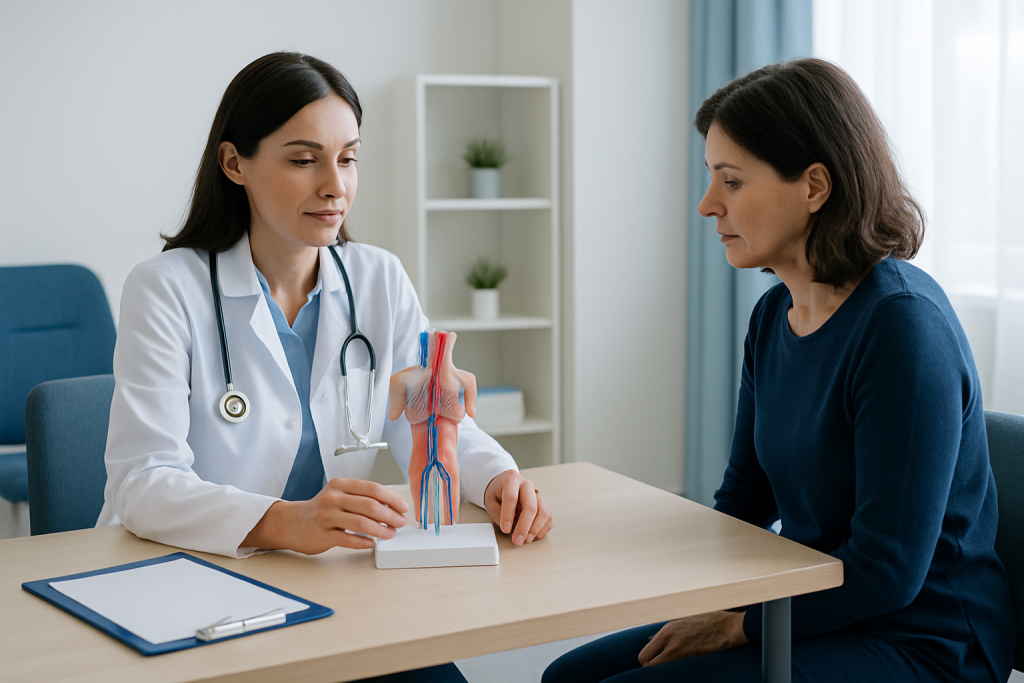
The vena cava can be narrowed, compressed, or blocked for several reasons. In the upper body, a tumor in the chest, enlarged lymph nodes, a blood clot, or scarring from a previous medical device can interfere with the superior vena cava. In the lower body, the inferior vena cava may be affected by a clot, external pressure from a mass, congenital narrowing, or injury.
Blood clots are a major concern because they can form in the vena cava itself or travel there from another vein. Risk increases with recent surgery, immobility, dehydration, pregnancy, hormone therapy, certain cancers, inherited clotting tendencies, and central venous catheters. Some cases develop because of long-standing anatomic differences that were never noticed earlier.
For international patients, a practical detail is timing. If the cause is suspected to be a clot or compression, doctors may want imaging and treatment started quickly before long-distance travel. If symptoms are stable, a specialist may still recommend a detailed workup before travel so the safest plan can be made.
Diagnosis
Diagnosis begins with a careful history and physical examination. The doctor will ask when symptoms began, whether they are getting worse, and whether there has been recent surgery, cancer treatment, pregnancy, prolonged travel, or a history of clots.
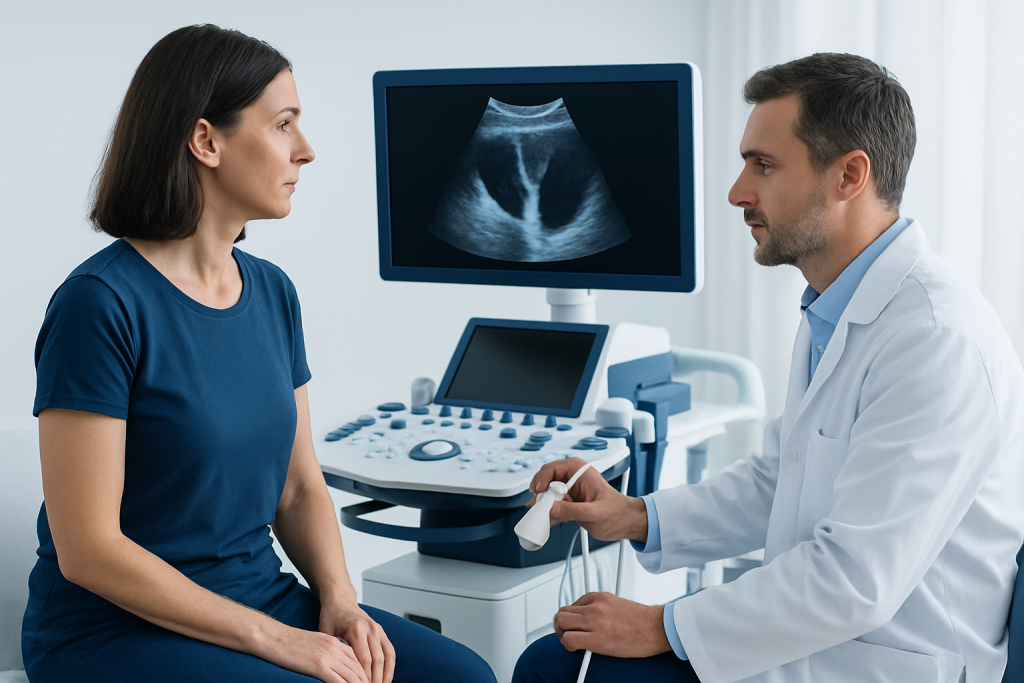
Imaging is usually central to the evaluation. Ultrasound may be used to look for clots in the legs or abdomen, while CT scans or MRI can show narrowing, compression, or obstruction in the chest or abdomen. In some situations, venography or other specialized studies may be recommended to map blood flow more precisely.
Blood tests may help assess clotting, inflammation, organ function, or related conditions, but they do not replace imaging. The goal is not only to confirm that the vena cava is involved, but also to identify the underlying cause, because treatment choices depend on what is producing the blockage or pressure.
Treatment Options
Treatment is tailored to the cause. A blood clot may be treated with anticoagulant medicine, and in selected urgent cases doctors may consider thrombolysis or a procedure to remove or open the clot. If a mass is compressing the vein, care may involve cancer treatment, radiation, surgery, or a stent to improve blood flow.
Supportive care is often part of the plan. This may include oxygen if breathing is affected, medicines to reduce swelling or discomfort, and temporary measures to help the patient stay comfortable while the underlying problem is addressed. If the vena cava issue is related to a catheter or implanted device, the care team may review whether it should be adjusted or removed.
When the problem is complex, treatment may require a team approach that includes cardiology, vascular specialists, radiology, oncology, and sometimes surgery. That multidisciplinary coordination can be especially helpful for international patients who need a clear sequence of imaging, treatment, and follow-up before returning home. Acibadem Health Point’s multidisciplinary specialists and JCI-accredited hospitals diagnose and treat this condition for international patients.
Prevention & Self-care
Not every vena cava problem can be prevented, especially when the cause is related to an underlying disease. Even so, there are sensible steps that can lower some risks, particularly for blood clots and circulation problems.
People who are recovering from surgery, traveling long distances, or living with a clotting risk should follow the care plan given by their doctor. Staying active when appropriate, maintaining hydration, and avoiding prolonged immobility can help support healthy blood flow. Patients with catheters or implanted devices should keep all follow-up appointments so any early problems can be identified.
- Move regularly during long trips or prolonged sitting
- Follow prescribed medicines exactly as directed
- Attend follow-up imaging and clinic visits
- Report new swelling, chest symptoms, or breathing changes promptly
- Ask the care team about safe timing for travel after treatment
Self-care also includes practical planning. Patients traveling for evaluation or treatment should bring a medication list, prior imaging reports, and discharge instructions, since these details can speed decision-making and improve continuity of care across borders.
When to See a Doctor
Medical evaluation is important when swelling is new, unexplained, or gradually worsening, especially if it involves the face, neck, arms, abdomen, or legs. Shortness of breath, chest pressure, fainting, or a feeling of head fullness that changes with posture should also be assessed promptly.
Urgent care is particularly important if symptoms begin suddenly, if there is concern for a blood clot, or if the person has a known cancer diagnosis, a central line, or recent surgery. These situations do not always mean the vena cava is blocked, but they deserve timely imaging and assessment.
For people seeking care away from home, it is reasonable to ask for a clear plan before traveling: what tests are needed, how soon treatment should begin, and what symptoms would require emergency care. A doctor can help decide whether the situation is stable enough for travel or whether treatment should start immediately.
Living With a Vena Cava Condition
After treatment, many patients need follow-up to monitor symptoms, confirm that blood flow is improving, and watch for recurrence. Recovery may involve repeat imaging, medication review, and adjustments to activity or travel plans.
Emotional stress is common when a large vein problem is discovered, particularly if it is tied to cancer or a sudden clot. Clear explanations, written instructions, and coordinated follow-up can make the experience more manageable. Patients often do best when they understand which symptoms are expected during recovery and which changes should trigger a call to the care team.
With timely diagnosis and the right treatment, many vena cava conditions can be managed effectively. The most important step is to recognize the pattern early and seek evaluation rather than trying to guess the cause at home.
Frequently asked questions
What does the vena cava do in the body?
The vena cava returns blood to the heart after it has circulated through the body. The superior vena cava drains blood from the upper body, and the inferior vena cava drains blood from the lower body. Because they are major veins, a blockage or compression can affect circulation in noticeable ways.
What is vena cava syndrome?
Vena cava syndrome refers to symptoms caused by narrowing or blockage of the superior or inferior vena cava. The superior form is more commonly discussed and may cause facial swelling and breathing difficulty, while the inferior form may cause abdominal or leg swelling. The exact treatment depends on the underlying cause.
Can a blood clot affect the vena cava?
Yes, a clot can form in or extend into the vena cava, reducing blood flow. This is a medical condition that should be evaluated promptly because treatment may be needed to prevent complications. Doctors usually confirm the diagnosis with imaging before deciding on therapy.
How is a vena cava problem diagnosed?
Doctors usually combine a physical exam with imaging tests such as ultrasound, CT, or MRI. Blood tests may also be used to look for related problems or contributing conditions. The goal is to identify both the location of the blockage and the reason it is happening.
Is a vena cava condition always an emergency?
Not always, but some cases need urgent attention, especially if symptoms come on suddenly or breathing is affected. Other cases develop more slowly and allow time for planned evaluation. A doctor can help decide the right level of urgency.
Can someone travel for treatment of a vena cava problem?
Many patients can travel for evaluation or treatment if the condition is stable and a doctor agrees it is safe. However, new swelling, chest symptoms, or a suspected clot may require treatment before long-distance travel. It is helpful to review the plan, medications, and follow-up needs before making travel arrangements.
References
- American Heart Association
- Mayo Clinic
- Cleveland Clinic
- National Heart, Lung, and Blood Institute
- Radiological Society of North America
This article is for general information only and is not a substitute for professional medical advice. Please consult a qualified doctor about your individual situation.