Inferior Vena Cava

Key Takeaways
- The inferior vena cava returns blood from the legs, abdomen, and pelvis to the heart.
- Problems can include clotting, compression, blockage, or congenital abnormalities.
- Symptoms may involve leg swelling, abdominal swelling, shortness of breath, or new vein-related pain.
- Diagnosis often uses ultrasound, CT, MRI, or venography, depending on the suspected cause.
- Treatment depends on the underlying problem and may include medicines, procedures, or surgery.
The inferior vena cava is a major vein that carries blood from the lower body back to the heart. When it is narrowed, blocked, compressed, or injured, circulation can be affected in ways that range from mild symptoms to urgent medical problems.
Overview
The inferior vena cava, often shortened to IVC, is one of the body’s largest veins. It carries oxygen-poor blood from the lower body back to the right side of the heart, where circulation can continue through the lungs.
Because the IVC sits deep in the abdomen and runs close to major organs and blood vessels, it is usually not noticed in daily life. It becomes medically important when it is compressed, narrowed, blocked by a clot, or affected by a congenital condition. In those situations, blood may not return to the heart as efficiently, and the body may show signs of congestion in the legs, abdomen, or pelvis.
For many patients, an IVC problem is discovered while doctors are investigating swelling, a deep vein thrombosis, unexplained chest symptoms, or an abdominal mass. In international care settings, this may happen after an emergency visit, a scan ordered for another reason, or a follow-up evaluation after travel. Understanding what the vein does helps make sense of why these findings matter and why treatment is tailored to the underlying cause.
Symptoms
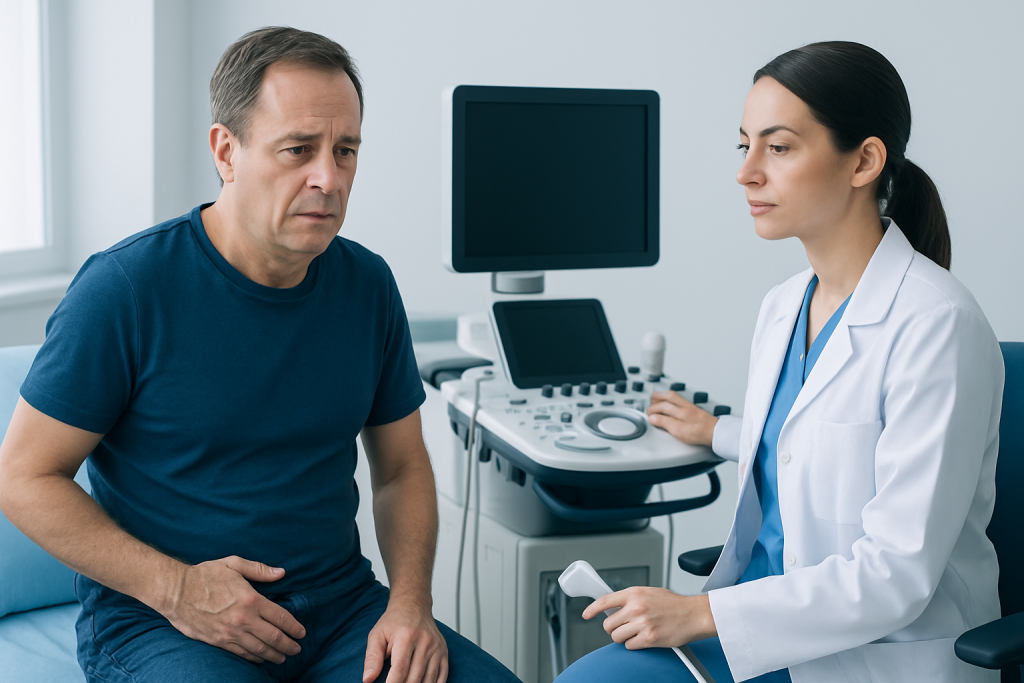
Symptoms depend on whether the IVC issue is sudden or gradual, partial or complete, and whether it is caused by a clot, pressure from outside the vein, or an anatomical variant. Some people have no obvious symptoms at first, while others notice signs related to poor blood return from the lower body.
Common symptoms can include:
- Swelling in one or both legs
- Heaviness, aching, or tightness in the legs
- Swelling of the abdomen or pelvis
- Visible enlarged veins on the abdomen or lower body
- Shortness of breath if a clot travels to the lungs
- Pain in the lower back, flank, or abdomen in some cases
When the IVC is compressed by a tumor, pregnancy, enlarged lymph nodes, or another structure, symptoms may develop slowly. When it is blocked by a blood clot, the change can be more sudden and may be accompanied by more intense swelling or pain. Any new breathing difficulty together with leg swelling deserves prompt medical attention.
Causes & Risk Factors

Several different problems can affect the inferior vena cava. One of the most common is venous thrombosis, in which a clot forms in the vein or travels upward from the legs. Another is external compression, where something presses on the vein from outside and limits blood flow. Less commonly, the vein may be injured, narrowed after surgery or procedures, or formed differently from birth.
Risk factors vary by cause. Blood clot risk can rise after prolonged immobility, recent surgery, cancer, pregnancy, inherited clotting disorders, dehydration, or prior vein disease. Compression-related problems may be associated with abdominal tumors, enlarged organs, aneurysms, pregnancy, or scarring. Some people are born with IVC anomalies that stay silent for years and are found only during imaging for another issue.
Travel itself does not cause IVC disease, but long periods of sitting during flights or other journeys can contribute to venous stasis in people already at risk for clots. That is one reason doctors look carefully at the full clinical picture, including recent operations, long-distance travel, hormone use, cancer history, and family history of thrombosis.
Diagnosis
Diagnosis begins with a detailed medical history and physical examination. A doctor will ask about swelling patterns, pain, breathing symptoms, recent surgery, immobility, pregnancy, cancer history, and any prior clotting problems. The exam helps determine whether the issue is more likely to involve the deep veins of the legs, the abdomen, or the IVC itself.
Imaging is often essential. Ultrasound may be used first to look for clots in the legs and to assess blood flow. CT scan or MRI can show the IVC directly, identify compression, and reveal nearby structures that may be contributing. In some cases, venography or other specialized tests are needed to map the vein in more detail, especially if a procedure is being considered.
Blood tests may be ordered to assess clotting risk, organ function, or signs of another condition that could be relevant. The exact workup is individualized, because a patient with sudden leg swelling after surgery will be evaluated differently from someone whose IVC issue was found incidentally on an abdominal scan.
Treatment Options
Treatment depends on what is affecting the IVC and how much it is interfering with blood flow. If a clot is present, doctors may recommend anticoagulation medicine to prevent the clot from enlarging and to reduce the chance of new clots forming. In selected cases, additional procedures may be considered to remove or break up a clot, especially when symptoms are severe or organs are at risk.
If the IVC is being compressed, the priority is to treat the cause of the pressure. That may involve cancer care, treatment of a pregnancy-related compression issue, or management of another abdominal condition. If the vein has become narrowed or blocked, a specialist may recommend endovascular treatment such as angioplasty or stent placement. Surgery is less common, but it may be needed in specific structural or traumatic situations.
An IVC filter may be used in certain patients who cannot safely take anticoagulants or who have a high risk of pulmonary embolism. This is a carefully selected option, not a routine one, and doctors generally weigh its benefits against possible long-term risks. Follow-up is important because treatment often continues after the immediate problem is addressed, especially if the patient is traveling home and needs coordinated care with a local physician.
Prevention & Self-care
Not every IVC problem can be prevented, especially when it is related to congenital anatomy or an external mass. Still, many clot-related complications can be reduced by addressing known risk factors early and by paying attention to the body’s signals during periods of higher risk.
Helpful self-care and prevention habits may include:
- Moving regularly during long trips and after surgery, when medically allowed
- Drinking enough fluids unless a doctor has advised otherwise
- Wearing compression garments only if recommended by a clinician
- Taking prescribed anticoagulants exactly as directed
- Keeping follow-up appointments and imaging checks as advised
- Reporting new leg swelling, chest symptoms, or abdominal swelling promptly
For international patients, prevention also means planning ahead. If a person is returning home after treatment, they should leave with a clear medication list, follow-up instructions, and a plan for local emergency care if symptoms change. That extra coordination can make recovery safer and less stressful.
When to See a Doctor
Medical evaluation is recommended for new or unexplained leg swelling, especially if it affects one side more than the other or is accompanied by pain, warmth, or redness. It is also important to seek care for abdominal swelling, persistent pelvic discomfort, or visible veins that appear suddenly.
Urgent assessment is needed if symptoms include shortness of breath, chest pain, coughing up blood, fainting, or rapid worsening of swelling. These may suggest a clot has moved to the lungs or that circulation is significantly affected. Even if symptoms seem mild, a doctor should evaluate them when there is a recent surgery, cancer history, pregnancy, long travel, or previous clot.
Patients who need specialized evaluation may benefit from a center with vascular, radiology, and cardiology expertise working together. At Acibadem Health Point, multidisciplinary specialists and JCI-accredited hospitals diagnose and treat IVC-related conditions for international patients in a coordinated way.
Living With an IVC Condition
After diagnosis, the main goal is usually to protect circulation and prevent complications. Some patients need short-term treatment, while others require longer follow-up to monitor a chronic narrowing, a stent, or ongoing clot risk. The day-to-day experience depends on the cause, the treatment chosen, and whether the underlying condition is temporary or persistent.
Recovery is often easier when patients understand what symptoms should be watched closely and what routine follow-up is expected. This may include repeat imaging, medication checks, and guidance on activity levels. For people receiving care away from home, clear written instructions can help bridge the gap between the treating team and the next doctor who will continue care locally.
With timely evaluation and appropriate treatment, many IVC-related problems can be managed effectively. The key is not to ignore swelling, pain, or breathing changes, especially when there is a known clot risk or a recent change in health status.
Frequently asked questions
What does the inferior vena cava do?
The inferior vena cava carries blood from the lower body back to the heart. It is a major return pathway for blood coming from the legs, pelvis, and abdomen.
What can go wrong with the inferior vena cava?
It can be blocked by a clot, compressed from outside, narrowed, or, less commonly, affected by a congenital abnormality or injury. The symptoms depend on how much blood flow is affected and how quickly the problem develops.
Can an IVC problem cause leg swelling?
Yes. When blood cannot return normally through the vein, pressure can build in the lower body and lead to swelling in one or both legs. This can happen gradually or suddenly depending on the cause.
How is an IVC problem diagnosed?
Doctors usually start with a history, physical examination, and imaging tests. Ultrasound, CT, MRI, or venography may be used to see the vein and look for clots, compression, or other structural causes.
Is an IVC filter always needed for a clot?
No. An IVC filter is used only in selected situations, such as when anticoagulation cannot be given or when the risk of pulmonary embolism is especially high. A doctor decides whether the benefits outweigh the risks in each case.
When should someone seek urgent help?
Urgent care is important for sudden shortness of breath, chest pain, fainting, coughing up blood, or rapidly worsening swelling. These symptoms can point to a serious clot-related complication and should be assessed quickly.
References
- American Heart Association
- Society of Interventional Radiology
- Mayo Clinic
- National Heart, Lung, and Blood Institute
- Cleveland Clinic
This article is for general information only and is not a substitute for professional medical advice. Please consult a qualified doctor about your individual situation.