

Types Of Ladies Body Shapes

Key Takeaways
- Body shape is influenced by more than weight alone; genetics, hormones, and muscle distribution all matter.
- Common shape categories are broad descriptors, not medical diagnoses, and many people do not fit just one neatly.
- A change in body shape can happen with puberty, pregnancy, menopause, weight change, or certain health conditions.
- Healthy habits support body function and confidence, but they do not need to force a specific silhouette.
- Sudden or unexplained changes in body size or proportions should be discussed with a doctor.
Female body shape is shaped by bone structure, fat distribution, hormones, age, and overall health. Understanding body proportions can support realistic expectations, confident clothing choices, and awareness of when a change in shape may deserve medical attention.
Overview
The phrase “types of ladies body shapes” is often used in fashion and everyday conversation, but it describes something much more personal than a label. Women’s body shapes are influenced by bone frame, where the body tends to store fat, muscle mass, posture, and life-stage changes such as puberty, pregnancy, and menopause.
Because of that, body shape is best understood as a spectrum rather than a strict category system. Two people with the same weight and height may look quite different, and the same person may notice shape changes over time even when daily habits stay similar.
For an international patient navigating care in another country, this topic can also come up during wellness checkups, hormone assessments, weight-management visits, or recovery after pregnancy and surgery. Knowing the normal range of body variation can make those conversations clearer and less stressful.
Common Body Shape Types
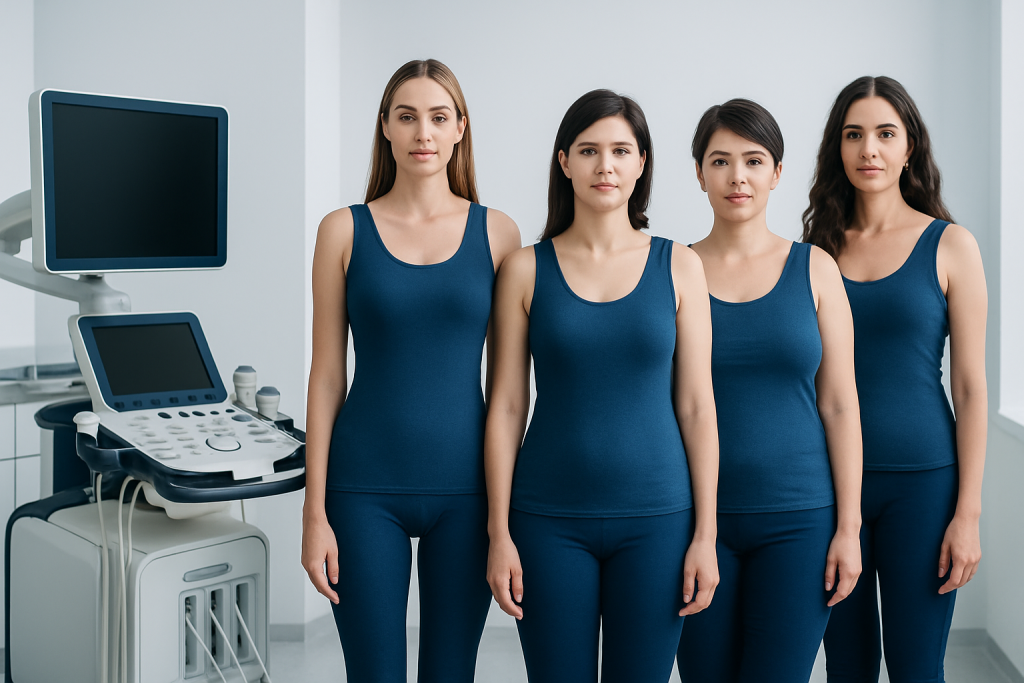
Popular body-shape terms are usually shorthand for how shoulders, waist, hips, and upper body are balanced. These terms can be useful for clothing selection or personal styling, but they should not be treated as medical labels. Most people are a blend of several categories.
Commonly described body shapes include:
- Hourglass: shoulders and hips are roughly balanced, with a more defined waist.
- Pear or triangle: hips are wider than the shoulders, with more fullness around the lower body.
- Apple or round: more fullness around the midsection, often with slimmer legs or hips.
- Rectangle or straight: shoulders, waist, and hips appear more similar in width.
- Inverted triangle: shoulders or chest are broader than the hips.
These descriptions are only visual patterns. They do not tell the whole story of health, strength, fertility, or fitness. A person’s shape can also shift with age, exercise, childbirth, stress, and hormonal changes.
What Shapes the Female Body

Female body shape begins with genetics. Family traits often influence pelvic width, rib-cage shape, limb length, and the way the body stores fat. Hormones also play a major role, especially estrogen, which affects where fat tends to settle in the body.
Muscle distribution is another important factor. Someone who trains the upper body may appear broader through the shoulders, while a person who walks, runs, or does lower-body strength work may notice more development in the hips and thighs. Posture can change the overall outline as well, sometimes making the waist appear more or less defined.
Life stages matter too. Puberty often brings a wider pelvis and more body fat in the breasts, hips, and thighs. Pregnancy changes the abdomen and posture. Menopause may lead to more central fat distribution, even without major changes in body weight.
Health Conditions That Can Affect Body Shape
Most differences in shape are normal and expected, but some changes deserve medical attention. A woman who notices a new and persistent change in body proportions, swelling, or unexplained weight change may be experiencing a hormonal, metabolic, digestive, or fluid-related condition.
Examples include thyroid disorders, polycystic ovary syndrome, Cushing syndrome, edema, ovarian or abdominal masses, and some medications that influence appetite or fluid retention. These issues do not always cause dramatic changes at first; sometimes the body simply begins to feel or look different in a way that is hard to explain.
If shape changes occur along with fatigue, irregular periods, hair changes, bowel changes, pain, shortness of breath, or swelling in the legs or abdomen, a doctor should review the symptoms. Early assessment can help identify whether the change is part of a normal transition or a condition that needs treatment.
How Doctors Evaluate Body-Shape Concerns
A medical evaluation starts with the story, not the mirror. A clinician may ask when the change began, whether it happened gradually or suddenly, and whether there have been related symptoms such as appetite changes, menstrual irregularity, pain, or swelling. Medical history, medication use, pregnancy history, and family patterns are also important.
The physical examination may include height, weight, waist measurement, blood pressure, and an assessment of body fat distribution. Depending on the concern, the doctor may recommend blood tests to check thyroid function, blood sugar, hormone levels, kidney or liver function, or other markers. Imaging may be needed if abdominal swelling, a mass, or another structural issue is suspected.
For patients traveling internationally, it can help to bring prior test results, medication lists, and any imaging reports from home. Clear documentation makes it easier for the care team to compare changes over time and plan follow-up after the patient returns home.
Treatment Options and Supportive Care
There is no single treatment for a body shape, because body shape itself is not a disease. Care focuses on the underlying cause if one exists, along with practical support for comfort, mobility, confidence, and health goals. Treatment may range from lifestyle changes and physical therapy to hormone management, medication adjustments, or treatment of a specific medical condition.
When body shape concerns are related to weight distribution or body composition, a doctor may discuss nutrition, resistance exercise, sleep, stress reduction, and gradually building activity into daily life. If a hormonal disorder is involved, treating that condition may improve the pattern that is causing the change.
In some cases, people seek aesthetic or reconstructive advice about contours after pregnancy, major weight loss, or surgery. In those situations, careful counseling helps ensure that expectations are realistic and that any procedure is considered for the right reasons, with safety and recovery in mind.
Prevention & Self-care
Not every body shape change can or should be prevented, especially when it is part of normal development or aging. Still, several habits support a stable, healthy body composition and help a person feel more at ease in their own skin.
Helpful self-care measures include:
- Eating balanced meals with enough protein, fiber, and fluids
- Staying physically active with both cardio and strength work
- Prioritizing sleep and stress management
- Monitoring menstrual changes, swelling, or unexplained fatigue
- Choosing clothing and posture habits that feel comfortable rather than restrictive
It can also help to focus on function rather than shape alone. Energy levels, stamina, strength, menstrual regularity, and overall well-being often tell a more meaningful health story than a single silhouette category.
When to See a Doctor
A doctor’s opinion is sensible when body shape changes are rapid, unexplained, or accompanied by other symptoms. This is especially important if the change involves the abdomen, generalized swelling, significant fatigue, missed periods, pain, shortness of breath, or a new lump or asymmetry.
Medical advice is also appropriate if body concerns are affecting eating habits, exercise patterns, mood, or self-image in a way that feels hard to manage. A respectful conversation can separate normal variation from a medical issue and can also reduce unnecessary worry.
Acibadem Health Point’s multidisciplinary specialists and JCI-accredited hospitals diagnose and treat a wide range of women’s health concerns for Myomectomy Recovery for International Patients: The Usual Travel Timeline" class="ahp-ilk">international patients, including conditions that may alter body shape.
Living Well With Body Shape Variation
Many women find that body shape becomes less about fitting a category and more about understanding what their body is communicating at different stages of life. That shift in perspective can be freeing. It allows room for comfort, health, movement, and personal style without turning every change into a problem.
For women planning care abroad, it is reasonable to ask for a clear explanation of findings, the likely cause of any shape change, and the follow-up plan after travel. A good consultation should leave the patient with practical next steps, not just a label.
Body shape is part of the human landscape, not a verdict. When changes are gradual and expected, reassurance may be enough; when changes are sudden or unusual, medical evaluation can provide clarity and peace of mind.
Frequently asked questions
Are body shape types medical diagnoses?
No. Body shape types are descriptive labels used for appearance, styling, or general discussion. They do not diagnose health, fitness, or fertility. A doctor looks at symptoms, medical history, and tests when a medical concern is suspected.
Can a woman’s body shape change over time?
Yes, and it often does. Puberty, pregnancy, aging, menopause, changes in activity, and weight shifts can all alter proportions. Some changes are normal, while others may signal a condition that should be checked.
Is one body shape healthier than another?
Not by itself. Health depends on many factors such as blood pressure, blood sugar, activity level, nutrition, sleep, and family history. Body shape is only one small part of the bigger picture.
What if the waist or abdomen suddenly looks larger?
A sudden change in abdominal size should be assessed, especially if it comes with pain, bloating, swelling, bowel changes, or menstrual changes. It may be caused by something temporary, but it is worth a medical review. A clinician can help rule out more serious causes.
Can exercise change body shape?
Exercise can change body composition by building muscle and reducing excess fat, which may alter the body’s outline. It cannot fully change bone structure or genetics, so results vary from person to person. The goal should be better strength and health rather than a forced ideal shape.
Should international patients bring anything to a body-shape or hormone appointment?
Yes. Prior test results, medication lists, menstrual history, and any imaging reports are very helpful. Bringing this information can make the consultation more efficient and support clearer follow-up after returning home.
References
- World Health Organization
- National Institute of Diabetes and Digestive and Kidney Diseases
- Office on Women's Health
- Mayo Clinic
- Cleveland Clinic
This article is for general information only and is not a substitute for professional medical advice. Please consult a qualified doctor about your individual situation.
Joint and spine care in Turkey — expert assessment & treatment
JCI-accredited · board-certified surgeons · reply within 24h
Add us as a Preferred Source to see more of our trusted health content across Google Search, AI Overviews and Discover.
More from the Health Library



Related Specialists

Dr. Selcen Bahadır
Gynecology & Obstetrics
Dr. Onur Özdenoğlu
Gynecology & Obstetrics
Dr. Gamze Karababa
Gynecology & Obstetrics
Prof. Dr. A. Taner Usta
Gynecology & Obstetrics