Endometrioma

Key Takeaways
- An endometrioma is an ovarian cyst associated with endometriosis, often called a chocolate cyst because of its dark, old-blood appearance.
- Symptoms may include pelvic pain, painful periods, pain during sex, bloating, or difficulty getting pregnant, though some people have no symptoms.
- Diagnosis usually involves a pelvic exam, ultrasound, and sometimes MRI or surgery if more detail is needed.
- Treatment depends on age, symptoms, fertility goals, cyst size, and whether the cyst is causing pain or affecting the ovary.
- Options may include watchful waiting, pain management, hormonal therapy, or surgery performed by an experienced gynecologic surgeon.
- Follow-up matters, especially for people traveling from another country, because endometrioma can recur and fertility planning may need coordination.
An endometrioma is a type of Cyst Surgery" class="ahp-ilk">ovarian cyst formed when endometriosis tissue grows within or on the ovary. It can cause pelvic pain, fertility concerns, or no symptoms at all, and specialist evaluation helps guide the safest treatment plan.
Overview
An endometrioma is a cyst of the ovary that develops when tissue similar to the uterine lining grows in the wrong place and responds to hormones over time. As this tissue breaks down and bleeds repeatedly, it can collect inside the ovary and form a cyst that is often dark brown on the inside, which is why it is sometimes called a “chocolate cyst.”
For many people, an endometrioma is part of a broader condition called endometriosis. That means the cyst is not just a simple fluid-filled sac; it is linked to a chronic inflammatory process that can affect pain levels, fertility, and daily comfort. Some cysts remain stable for a long time, while others slowly enlarge or contribute to scar tissue.
Because symptoms and treatment needs vary widely, the most useful next step is not guessing from symptoms alone, but getting a clear evaluation from a gynecologist familiar with endometriosis. This is especially important for Myomectomy Recovery for International Patients: The Usual Travel Timeline" class="ahp-ilk">international patients who may be trying to fit diagnosis, treatment, and follow-up into a limited travel window.
Symptoms
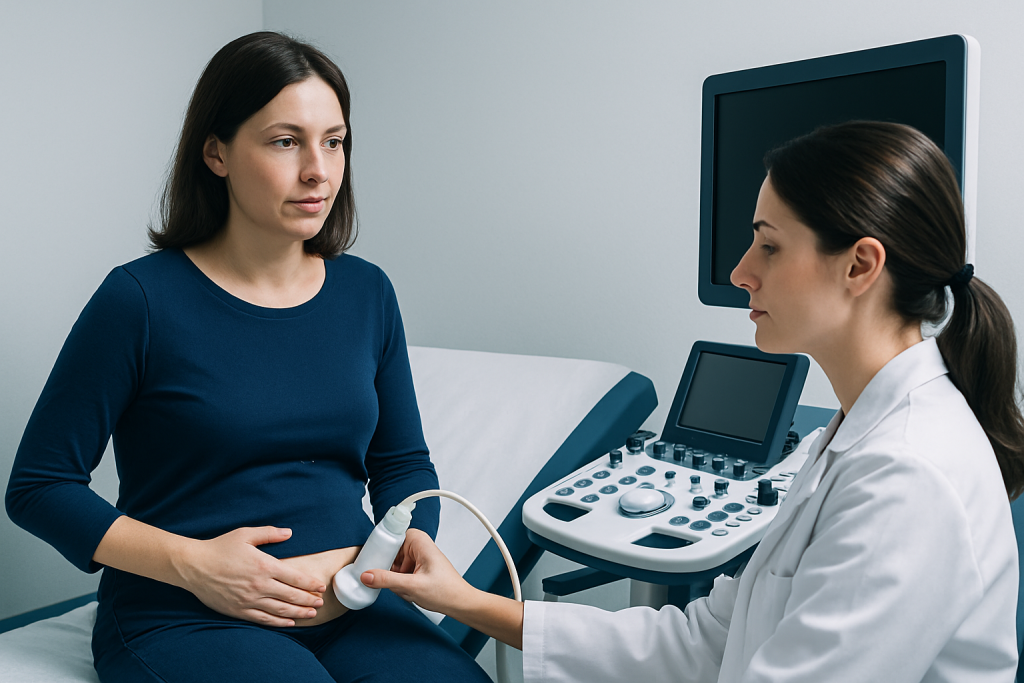
Endometriomas can be silent and discovered during an ultrasound done for another reason. When symptoms do appear, they often overlap with endometriosis symptoms in general, which can make the condition easy to overlook at first.
Common complaints include pelvic pain that may worsen around menstruation, very painful periods, pain during sex, pain with bowel movements, a sense of pelvic pressure, bloating, or a persistent one-sided ache. Some people also notice infertility or difficulty conceiving before a cyst is found.
Symptoms do not always match cyst size. A smaller endometrioma can be quite painful, while a larger one may cause only mild discomfort. For that reason, doctors usually combine the symptom story with imaging and, when needed, additional testing rather than relying on pain level alone.
- Pelvic pain that may be cyclical or ongoing
- Painful menstrual periods
- Pain during intercourse
- Bloating or lower abdominal fullness
- Difficulty becoming pregnant
- Occasional no symptoms at all
Causes & Risk Factors
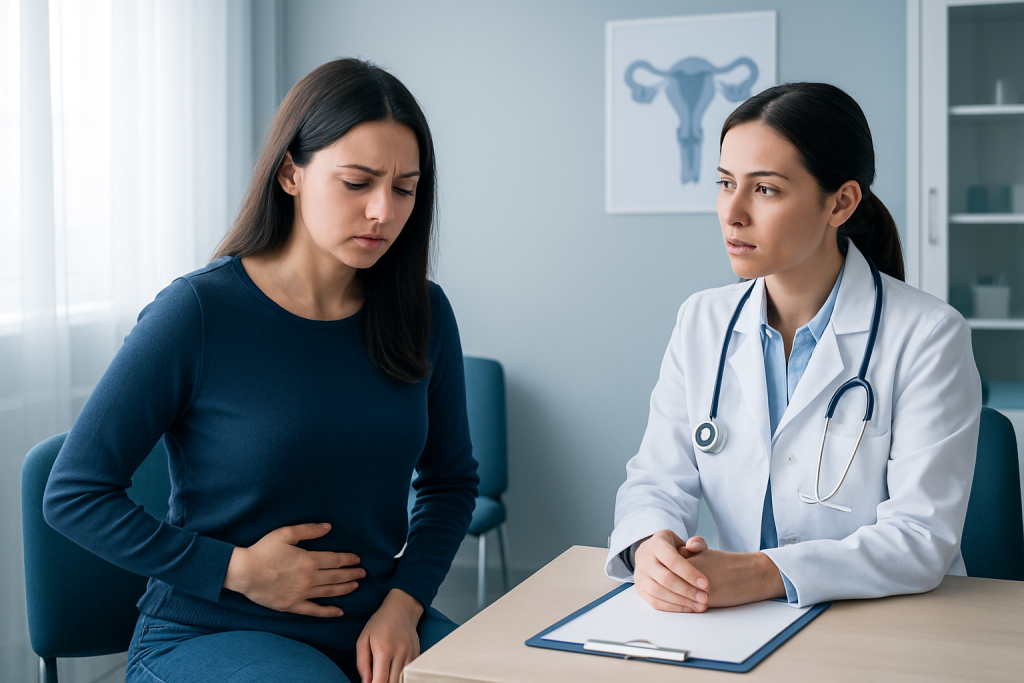
The exact reason endometriosis develops is not fully understood, and the same is true for endometriomas. The condition is thought to arise when endometrial-like tissue grows outside the uterus, most often in the pelvis, and then responds to hormonal cycles in a way that leads to repeated bleeding and inflammation.
Over time, if this process involves the ovary, trapped blood and tissue can create an endometrioma. Scar tissue may also form around the ovary and nearby structures, which can contribute to pain and sometimes make later surgery more complex.
Risk factors for endometrioma largely overlap with risk factors for endometriosis. A person may be more likely to develop it if they have a personal or family history of endometriosis, experience early or heavy periods, have never been pregnant, or have other signs of estrogen-sensitive disease. Still, the condition can occur without any obvious risk factor.
Diagnosis
Diagnosis usually starts with a conversation about symptoms, menstrual history, fertility plans, and prior pelvic surgery or treatment. A pelvic exam may be helpful, although it cannot confirm the diagnosis on its own.
Ultrasound is the most common first imaging test. Endometriomas often have a characteristic appearance on ultrasound, which experienced clinicians can usually recognize. In some cases, an MRI is recommended to map the cyst more precisely or to assess whether endometriosis has affected nearby organs.
Surgery is sometimes needed when imaging is unclear, symptoms are significant, or fertility decisions depend on a more exact diagnosis. In selected situations, laparoscopy both confirms the condition and allows treatment during the same procedure. For international patients, planning imaging and review before travel can help make the most of a consultation visit.
Treatment Options
Treatment is individualized. A small, stable endometrioma may be monitored if symptoms are minimal and fertility is not immediately a concern. In other cases, treatment is chosen to relieve pain, protect ovarian function, improve the chances of pregnancy, or reduce the risk of future complications.
Hormonal therapy can help suppress endometriosis activity and reduce pain, although it does not remove the cyst itself. Pain medicines may also be used as part of symptom control, under a doctor’s guidance. If the cyst is large, painful, suspicious on imaging, or affecting fertility, surgery may be recommended.
When surgery is needed, many specialists prefer cyst removal by an experienced gynecologic surgeon because technique matters for preserving healthy ovarian tissue. The decision is more nuanced for people who want future pregnancy, since removing a cyst can ease pain but may also reduce ovarian reserve in some situations. That balance is one reason endometrioma care is often best handled by a team experienced in both endometriosis and fertility planning.
- Observation with regular follow-up for selected cases
- Hormonal therapy to reduce symptoms and suppress disease activity
- Pain management as part of a broader treatment plan
- Laparoscopic surgery for cyst removal in appropriate candidates
- Fertility-focused planning when pregnancy is a priority
Prevention & Self-care
There is no guaranteed way to prevent an endometrioma, because the underlying cause of endometriosis is not fully preventable. However, people can reduce day-to-day disruption by paying attention to patterns in symptoms and bringing that information to a specialist appointment.
Keeping a simple log of pain timing, menstrual changes, bowel or bladder symptoms, and anything that seems to trigger discomfort can make consultations much more productive. This can be especially useful when care is being coordinated across borders, since it helps the treating team understand what has already been tried and what still needs attention.
General self-care may include using heat for pelvic discomfort, pacing strenuous activity during painful days, staying hydrated, and following the doctor’s guidance about medications or hormonal treatment. If fertility is a concern, earlier discussion is usually better than waiting, because planning options may depend on age, ovarian reserve, and the extent of disease.
When to See a Doctor
Medical evaluation is worthwhile when pelvic pain is recurring, periods have become increasingly painful, or pain is interfering with work, sleep, intimacy, or daily routines. It is also important to seek specialist input if a cyst has been seen on ultrasound and the report mentions endometrioma or a possible endometriotic cyst.
People who are trying to conceive should speak with a gynecologist or fertility specialist sooner rather than later, especially if they have known endometriosis or a history of pelvic surgery. The same applies if symptoms are worsening despite medication, or if a previous treatment plan no longer seems effective.
Urgent assessment is appropriate for sudden severe pelvic pain, fever, vomiting, fainting, or a pain pattern that feels clearly different from the usual cycle-related discomfort. For international patients, Acibadem Health Point offers multidisciplinary specialists and JCI-accredited hospitals that diagnose and treat endometrioma for patients traveling from abroad, with coordinated care that can support both treatment and follow-up planning.
Frequently asked questions
What is the difference between an endometrioma and a simple ovarian cyst?
A simple ovarian cyst is usually a fluid-filled sac that may form as part of the normal menstrual cycle. An endometrioma is linked to endometriosis and contains old blood and tissue from repeated bleeding. Because of that, it often behaves differently and is managed with the broader picture of endometriosis in mind.
Can an endometrioma go away on its own?
Some cysts remain stable, but true endometriomas usually do not disappear quickly without treatment. Doctors may monitor small, quiet cysts, but ongoing follow-up is important to see whether the cyst changes over time. Treatment is based on symptoms, fertility goals, and imaging findings.
Does an endometrioma always cause infertility?
No, not everyone with an endometrioma has fertility problems. However, it can make conception more difficult in some people because it is associated with endometriosis, inflammation, and sometimes reduced ovarian function. A fertility-focused assessment can help clarify options.
Is surgery always necessary?
No, surgery is not always needed. Some people do well with monitoring or hormonal treatment, especially if symptoms are mild and imaging looks reassuring. Surgery is considered when symptoms are significant, the cyst is growing, or fertility planning requires it.
Can an endometrioma come back after treatment?
Yes, recurrence is possible because endometriosis is a chronic condition. Follow-up care after treatment helps doctors watch for new symptoms or cyst changes and adjust the plan if needed. Long-term management often matters as much as the first procedure.
What should a patient bring to a consultation if traveling from abroad?
It helps to bring prior ultrasound or MRI reports, surgery notes, medication lists, and a brief timeline of symptoms. If possible, include information about menstrual patterns and any fertility treatment already attempted. This makes the specialist visit more efficient and helps the team plan the next steps accurately.
References
- American College of Obstetricians and Gynecologists
- Mayo Clinic
- Cleveland Clinic
- World Health Organization
- NICE Guideline: Endometriosis
This article is for general information only and is not a substitute for professional medical advice. Please consult a qualified doctor about your individual situation.
More from the Health Library



Related Specialists

Prof. Dr. A. Taner Usta
Gynecology & Obstetrics
Prof. Dr. Ahmet Tayyar
Gynecology & Obstetrics
Prof. Dr. Ahmet Cem Batukan
Gynecology & Obstetrics
Dr. Sevgi Selen
Gynecology & Obstetrics