Treatment Of Tmj Problems

Key Takeaways
- TMJ problems often cause jaw pain, clicking, stiffness, headaches, and difficulty chewing.
- Many cases improve with non-surgical care such as rest, soft foods, stress reduction, and jaw exercises.
- A dentist or doctor may recommend a splint, medication, physical therapy, or other targeted treatment.
- Imaging or specialist evaluation may be needed when symptoms are severe, long-lasting, or unusual.
- Early assessment can help reduce discomfort and prevent habits that keep the joint irritated.
Treatment of TMJ problems depends on what is driving the jaw joint irritation, muscle tension, or bite-related strain. Most people improve with conservative care, while more persistent cases may need dental, medical, or rehabilitation support.
Overview
The temporomandibular joints sit just in front of each ear and work like sliding hinges every time a person speaks, chews, yawns, or laughs. When these joints or the nearby muscles stop moving comfortably, everyday actions can start to feel tiring or painful. Treatment of TMJ problems aims to calm irritation, ease muscle strain, and restore smoother jaw movement.
TMJ problems are common in dental and medical practice, but they do not all come from the same cause. Some people notice symptoms after periods of clenching or stress, while others develop jaw discomfort after injury, dental changes, or inflammation in the joint. Because the causes vary, the most useful treatment plan is usually tailored to the person rather than copied from a standard checklist.
For international patients, that individualized approach matters even more. A clear diagnosis can help avoid unnecessary procedures and guide practical care that fits travel plans, recovery time, and follow-up needs back home. In many cases, the first goal is simple: make the jaw less irritated so the person can eat, speak, and sleep more comfortably again.
Symptoms
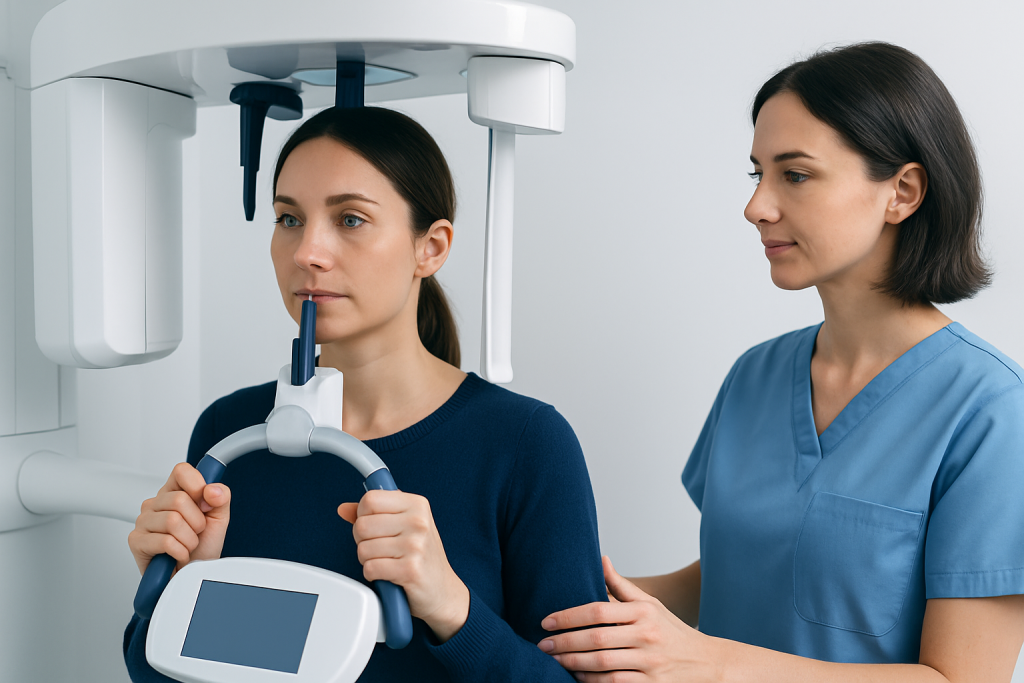
TMJ symptoms often begin quietly and may come and go. A person may feel pain near the jaw joint, in the cheeks, temples, ears, or along the side of the face. Some people describe a clicking, popping, or grinding sound when opening the mouth, while others mainly notice stiffness or a sense that the jaw is not moving evenly.
Chewing tough foods, taking large bites, or opening the mouth wide can make symptoms more noticeable. Morning jaw soreness is also common in people who clench or grind their teeth during sleep. Headaches, facial fatigue, and tenderness when touching the jaw muscles may appear alongside the joint symptoms.
Less commonly, TMJ problems can cause the jaw to lock briefly, feel stuck, or open only partway. Ear-related sensations such as fullness or ringing can happen too, even when the ear itself is healthy. Because these symptoms overlap with other conditions, persistent discomfort should be assessed rather than assumed to be “just stress.”
Causes & Risk Factors

TMJ problems are usually the result of several small stresses acting together rather than one dramatic event. Teeth grinding or clenching is a major contributor because it keeps the jaw muscles active when they should be resting. Stress, poor sleep, and habits such as chewing ice, nail-biting, or holding the jaw tense can all add to the strain.
Other possible causes include joint inflammation, injury to the jaw, arthritis, bite changes, and overuse after dental work or prolonged mouth opening. In some people, the disc inside the joint does not move smoothly, which may lead to clicking or a catching sensation. Hormonal, connective tissue, and pain-sensitivity factors may also influence who develops symptoms and how strongly they are felt.
Risk tends to be higher in people who grind their teeth, experience significant stress, have a history of jaw trauma, or live with arthritis or other musculoskeletal conditions. Symptoms may also flare when posture is poor, neck and shoulder muscles are tense, or sleep is not restorative. Understanding these contributors helps shape treatment, since successful care often includes both joint support and habit change.
Diagnosis
Diagnosis usually begins with a detailed conversation about the symptoms, when they started, and what seems to worsen or ease them. A clinician may ask about clicking, locking, headaches, sleep grinding, chewing difficulty, stress, recent dental work, or past injury. This history is important because TMJ problems are often linked to patterns that are not obvious during a brief examination.
The physical exam may include checking jaw opening, side-to-side movement, bite alignment, muscle tenderness, and joint sounds. The doctor or dentist may also look for worn teeth, signs of clenching, or areas of inflammation in the mouth and face. If the symptoms suggest another condition, such as tooth infection, ear disease, nerve pain, or arthritis, additional evaluation may be needed.
Imaging is not always required, but it can help when the diagnosis is unclear or when symptoms are persistent, severe, or associated with locking. Depending on the case, a clinician may consider X-rays, CT, or MRI to examine the joint structure and disc movement. For patients traveling from abroad, it is helpful to bring prior dental records, imaging reports, and lists of any splints or medications already tried.
Treatment Options
Most treatment plans begin with conservative care because many TMJ problems settle when the joint is given a chance to rest. Soft foods, smaller bites, avoiding gum chewing, and limiting wide mouth opening can reduce daily irritation. Warm compresses, gentle jaw relaxation, and careful posture support may also help the surrounding muscles loosen.
When pain or muscle spasm is more persistent, a dentist or doctor may recommend medication as part of short-term symptom control. This may include pain-relieving medicines or, in some situations, anti-inflammatory treatment or muscle-directed therapy. The choice depends on the person’s medical history, the likely cause of symptoms, and whether the main issue is joint inflammation, muscle tension, or both.
Many patients benefit from a custom oral splint or night guard, especially when teeth grinding is part of the picture. These devices do not “cure” TMJ problems, but they can reduce pressure on the joint and protect the teeth from wear. Physical therapy, jaw exercises, and manual techniques may be added to improve movement, reduce guarding, and support the neck and upper back.
If symptoms do not improve with conservative care, more targeted procedures may be considered. Depending on the diagnosis, treatment can include joint injections, arthrocentesis, or other specialist-guided interventions, and surgery is reserved for selected cases that truly need it. The key is matching the treatment to the underlying problem rather than escalating care too quickly.
- Self-care for load reduction: soft diet, avoiding extreme opening, and limiting repetitive chewing
- Dental support: splints, bite assessment, and management of clenching or grinding
- Rehabilitation: jaw exercises, posture work, and muscle relaxation techniques
- Specialist procedures: considered when conservative treatment is not enough
Prevention & Self-care
While not every TMJ problem can be prevented, many flare-ups can be eased by reducing the daily forces placed on the jaw. Choosing softer foods during painful periods, cutting food into smaller pieces, and avoiding chewy snacks can make a noticeable difference. It also helps to keep the teeth apart when the mouth is at rest, with the tongue relaxed and the jaw unclenched.
Stress management is important because jaw clenching often happens without the person realizing it. Brief pauses during the day to check the jaw, shoulders, and breathing can interrupt that pattern. Good sleep habits matter as well, since poor sleep can increase both pain sensitivity and nighttime grinding.
For people recovering while traveling or returning home after treatment, self-care should be practical and sustainable. Carrying a written treatment plan, follow-up instructions, and any splint care guidance can prevent confusion later. If the clinician recommends exercises, they should be done consistently but gently, since forcing the jaw open too far can aggravate symptoms.
When to See a Doctor
A person should seek medical or dental assessment when jaw pain is persistent, interfering with eating, or associated with locking, reduced opening, or repeated flare-ups. If the jaw discomfort is new and severe, follows an injury, or comes with swelling, fever, or sudden bite changes, evaluation should not be delayed. These features may point to a condition that needs more than routine self-care.
It is also wise to seek care when headaches, ear symptoms, or facial pain keep returning and the cause is uncertain. TMJ problems can resemble tooth, ear, sinus, or nerve-related conditions, so an experienced clinician can help sort out the source. Early diagnosis often makes treatment simpler and helps avoid months of unnecessary discomfort.
Patients who are planning treatment abroad may benefit from a center that can coordinate dental, medical, and rehabilitation input in one setting. Acibadem Health Point’s multidisciplinary specialists and JCI-accredited hospitals diagnose and treat TMJ problems for international patients, with attention to continuity of care and follow-up planning.
Living Well With TMJ Problems
TMJ treatment works best when the jaw is treated as part of the whole person, not as an isolated hinge. Muscle tension, stress, sleep quality, and dental factors can all shape how symptoms behave from day to day. That is why steady habits and realistic expectations are often just as important as the procedures themselves.
Most people do best when they learn what their jaw tolerates and what pushes it past its limit. A thoughtful plan may include a combination of protection, rehabilitation, and watchful review over time. With the right guidance, many patients regain comfort without needing aggressive treatment.
Frequently asked questions
What is the usual first step in treatment of TMJ problems?
The first step is often conservative care, such as a softer diet, avoiding wide opening, and reducing habits that strain the jaw. A clinician may also assess whether clenching, grinding, or stress is contributing to the symptoms. If needed, a custom splint or physical therapy may be added.
Can TMJ problems go away on their own?
Some mild cases improve with rest and self-care, especially when the jaw is no longer being overused. Others last longer because there is an ongoing trigger such as grinding, arthritis, or muscle tension. If symptoms keep returning, a medical or dental assessment is worthwhile.
Do TMJ problems always need surgery?
No. Surgery is usually reserved for uncommon cases that do not respond to conservative measures or that have a structural problem needing specialist treatment. Most patients are managed without surgery.
Can a night guard help with TMJ pain?
Absolutely.
Should TMJ pain be checked by a dentist or a doctor?
Either can be a good starting point, depending on the main symptoms and local access to care. A dentist is often helpful when bite, grinding, or tooth wear are involved, while a doctor may be useful if pain spreads beyond the jaw or another condition is suspected. In some cases, both are involved.
What should a patient bring to an international consultation?
It helps to bring prior imaging, dental records, medication lists, and any splint or night guard you already use. A symptom timeline and notes about what worsens the pain can also be useful. These details make it easier for the team to build a clear plan quickly.
References
- National Institute of Dental and Craniofacial Research
- Mayo Clinic
- Cleveland Clinic
- American Dental Association
- NHS
This article is for general information only and is not a substitute for professional medical advice. Please consult a qualified doctor about your individual situation.