Hallucination Hallucination

Key Takeaways
- Hallucinations are not a diagnosis on their own; they are a symptom with many possible causes.
- Hearing voices and seeing things are among the most common forms, but any sense can be involved.
- A careful medical evaluation is important because some causes are urgent and treatable.
- Treatment depends on the underlying reason and may include medication review, sleep support, or specialist care.
- New hallucinations, confusion, fever, head injury, or sudden behavior changes deserve prompt medical attention.
Hallucinations are perceptions that seem real but occur without an external source. They can affect hearing, sight, smell, taste, or touch and may be linked to medical, neurological, psychiatric, medication-related, or sleep-related causes.
Overview
Hallucinations are experiences in which a person senses something that is not actually present. They can involve hearing a voice, seeing a person or object, smelling an odor, tasting something unusual, or feeling a physical sensation without a clear source.
These experiences can be brief or persistent, mild or distressing. In many cases, the most important step is not to assume a single explanation, but to look at the full picture: recent sleep, medications, alcohol or substance use, fever, stress, neurological symptoms, and any changes in mood or thinking.
For international patients, hallucinations can be especially confusing when they happen far from home. A clear medical assessment helps separate a temporary trigger, such as sleep deprivation or medication side effects, from a condition that needs ongoing treatment and follow-up.
Symptoms
Hallucinations are often described by the sense they affect. Auditory hallucinations may sound like voices, music, footsteps, or other noises. Visual hallucinations may involve people, animals, lights, shadows, patterns, or objects that others do not see.
Other types are less talked about but still important. Olfactory hallucinations involve smells, while gustatory hallucinations affect taste. Tactile hallucinations can feel like insects crawling on the skin, a vibration, or another physical sensation that is not caused by an external stimulus.
How a hallucination appears can offer clues, but it does not explain the cause by itself. Some people remain aware that the experience may not be real, while others are fully convinced it is happening. Hallucinations may occur together with confusion, agitation, sleepiness, memory problems, headache, tremor, fever, or changes in behavior.
Causes & Risk Factors

Hallucinations can arise from many different conditions. Common medical explanations include severe sleep loss, delirium, high fever, dehydration, infection, migraine, epilepsy, head injury, Parkinson’s disease, Alzheimer’s disease, and other neurological disorders. Mental health conditions such as schizophrenia, bipolar disorder, and severe depression with psychotic features can also be associated with hallucinations.
Medications and substances are another major category. Some prescription medicines, withdrawal from alcohol or drugs, intoxication, and interactions between medicines may contribute. Vision or hearing loss can sometimes increase the risk of certain hallucinations, especially in older adults, because the brain receives less sensory input to work with.
Risk is often higher when several factors overlap. Older age, a prior episode of delirium, chronic neurological disease, sleep deprivation, recent medication changes, and heavy alcohol use can all increase the chance of hallucinations. Because the same symptom may have very different meanings in different people, the context matters as much as the experience itself.
Diagnosis
Diagnosis usually begins with a detailed conversation about what was experienced, when it started, how long it lasted, and whether anything seemed to trigger it. A clinician may ask about sleep, recent illness, substance use, medication changes, mood symptoms, memory changes, and any neurological complaints such as weakness, headache, speech difficulty, or seizures.
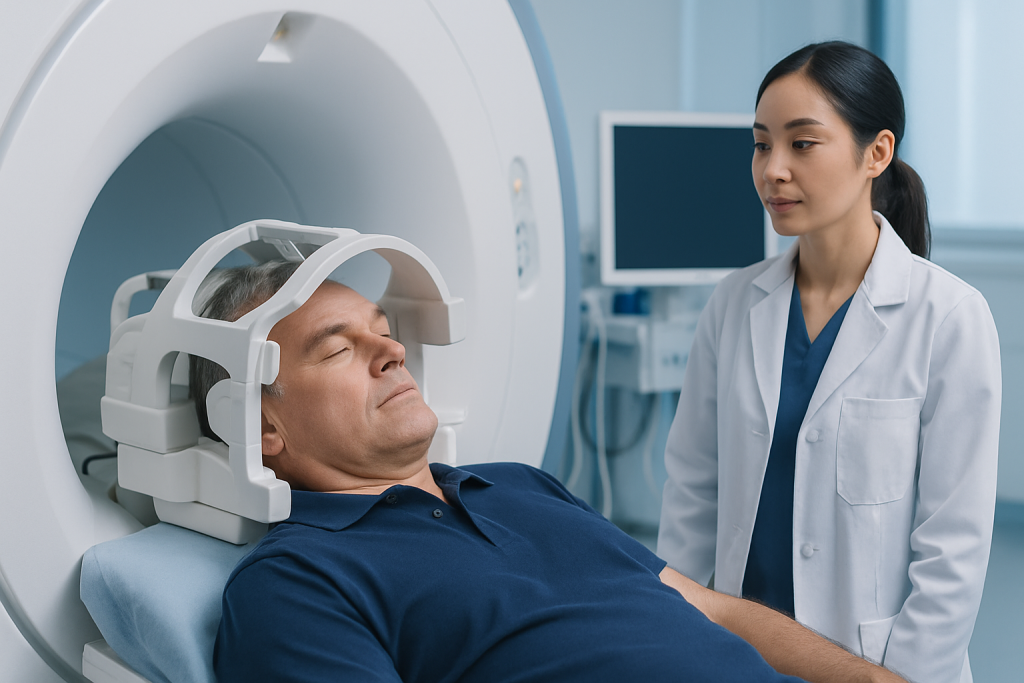
A physical and neurological examination helps look for clues. Depending on the situation, testing may include blood work, urine tests, medication review, hearing or vision assessment, brain imaging, or an electroencephalogram. If a mental health condition is suspected, a psychiatric evaluation may be part of the process.
The goal is to identify the underlying cause rather than label the hallucination in isolation. This is particularly important in patients traveling for care, because the evaluation may need to consider previous records, medication lists from another country, and a plan for follow-up after returning home.
Treatment Options
Treatment depends entirely on the cause. If hallucinations are related to an infection, dehydration, a medication side effect, sleep deprivation, or substance withdrawal, addressing that trigger may reduce or stop the symptoms. In some cases, treatment may involve adjusting medicines, restoring sleep, correcting a medical problem, or supporting safer withdrawal under supervision.
When hallucinations are part of a neurological or psychiatric condition, treatment is usually more specific and may include targeted medicines, psychotherapy, movement-disorder care, or treatment for delirium. If safety is a concern, short-term hospital observation may be recommended while the underlying problem is clarified.
Supportive care is also valuable. A calm environment, familiar routines, good lighting, hydration, hearing or vision aids when needed, and clear communication can make symptoms less upsetting. Family members or companions may help by recording what happened, when it happened, and what was happening beforehand, which can assist the medical team.
Prevention & Self-care
Not every hallucination can be prevented, but some triggers can be reduced. Regular sleep, avoiding recreational drugs, limiting alcohol, taking medications exactly as prescribed, and checking with a clinician before starting new medicines all lower risk. People with hearing or vision loss may also benefit from treating those sensory problems as fully as possible.
For those who have had hallucinations before, keeping a symptom diary can be useful. Noting sleep patterns, stress, medication changes, recent illness, and whether the episode happened at night or during a fever may reveal patterns that guide treatment. Simple environmental measures, such as adequate lighting and a quieter space for rest, may also help.
Self-care should never replace evaluation when symptoms are new, worsening, or unexplained. If a person is traveling for treatment, bringing a written medication list, prior test results, and contact details for home physicians can make follow-up smoother and reduce delays in care.
When to See a Doctor
Medical attention is important when hallucinations are new, frequent, worsening, or causing distress. They should also be evaluated promptly if they occur with confusion, fever, severe headache, fainting, head injury, weakness, speech changes, seizures, chest pain, or sudden trouble with balance or walking.
Urgent care is especially important if the person is not sleeping at all, is becoming agitated or unsafe, is hearing commands to harm themselves or others, or seems unable to distinguish reality from the hallucination. These situations need immediate professional assessment.
If hallucinations appear after a new medicine, alcohol reduction, or substance use, a doctor should be informed as soon as possible. Even when symptoms seem mild, an evaluation can help identify the cause early and support the most appropriate care plan. Acibadem Health Point’s multidisciplinary specialists and JCI-accredited hospitals diagnose and treat hallucinations for international patients with coordinated medical follow-up.
Living With Hallucinations: What Support Can Look Like
Hallucinations can be unsettling, but many people do better when the cause is identified and treatment begins. The most helpful support often combines medical care with practical reassurance: keeping the environment predictable, checking vision and hearing, and reducing sleep disruption or overstimulation.
It can also help to avoid arguing about the experience. Instead, family members and caregivers can acknowledge the person’s distress and gently redirect attention while medical evaluation is arranged. This approach is often more calming than trying to force agreement about what is real.
For patients receiving care away from home, follow-up planning matters. Clear instructions about medicines, warning signs, and contact points for reassessment can make recovery safer and less stressful after the hospital visit or consultation ends.
Frequently asked questions
Are hallucinations always a sign of mental illness?
No. Hallucinations can be caused by sleep loss, medications, infections, neurological conditions, substance use, or mental health disorders. A medical assessment is needed to understand the cause in each case.
What is the most common type of hallucination?
Auditory hallucinations, such as hearing voices or sounds that are not present, are commonly discussed. Visual hallucinations are also important and may occur with medical or neurological illness, especially in older adults.
Can stress or lack of sleep cause hallucinations?
Yes, severe stress and sleep deprivation can contribute, especially when combined with other risk factors. If the symptoms are new or recurring, they should still be checked by a clinician.
How are hallucinations diagnosed?
Diagnosis starts with a careful history and physical examination, followed by tests if needed. Blood work, medication review, brain imaging, or other studies may be used depending on the suspected cause.
When should someone seek urgent help?
Urgent help is needed if hallucinations come with confusion, fever, head injury, seizures, sudden weakness, severe agitation, or thoughts of self-harm. Immediate evaluation is also important if the person cannot tell what is real or is acting unsafely.
Can hallucinations go away?
Yes, they can improve when the underlying cause is treated, such as correcting a sleep problem, infection, or medication side effect. The outcome depends on why the hallucinations are happening and how quickly care is started.
References
- National Institute of Mental Health
- Merck Manual Professional Edition
- Mayo Clinic
- World Health Organization
- National Health Service
This article is for general information only and is not a substitute for professional medical advice. Please consult a qualified doctor about your individual situation.