

Trapezius Muscle: Anatomy, Function and Pain

Key Takeaways
- The trapezius muscle supports shoulder movement, posture, and head and neck control.
- Pain in this area is often related to muscle overuse, posture, stress, or minor strain.
- A clinical exam is usually the first step in finding the cause of trapezius pain.
- Most cases improve with rest, activity adjustment, physical therapy, and simple self-care.
- Medical review is important if pain is severe, persistent, or associated with numbness, weakness, or injury.
Medically reviewed by the Acıbadem clinical team — August 19, 2026
The trapezius muscle is a large, important muscle that helps move and stabilize the neck, shoulders, and upper back. When it becomes tense, strained, or injured, it can cause pain, stiffness, and limited movement that often improve with proper evaluation and care.
Overview
The trapezius muscle is one of the body’s best-known postural muscles, even when people do not know its name. It stretches across the upper back and neck, with fibers that help lift, rotate, and steady the shoulders while also supporting head position. Because it is used in everyday tasks such as carrying bags, sitting at a desk, looking at a screen, or reaching overhead, it can become sore or overworked quite easily.
Trapezius discomfort is often described as tightness between the neck and shoulders, a pulling sensation, or a dull ache that worsens after long hours of sitting or repetitive activity. For many people, the problem is temporary and responds well to conservative care. Still, persistent pain deserves attention, especially when it affects sleep, concentration, travel plans, or the ability to keep up with work and daily life.
For international patients, understanding whether symptoms are coming from the trapezius itself or from the neck, shoulder joint, or nerves can be especially helpful before deciding whether to seek care abroad. A careful medical assessment can clarify the source of pain and guide a practical recovery plan.
Symptoms
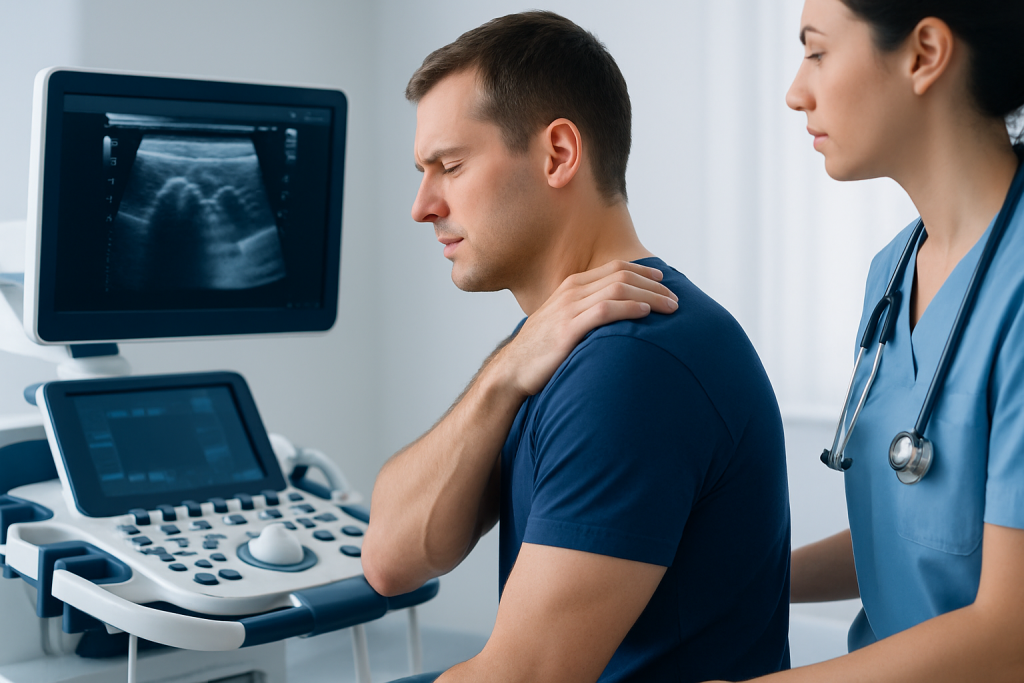
Trapezius problems can feel different from one person to another. Some people notice a tight band across the upper shoulders, while others feel a tender spot that hurts when touched or when turning the head. The discomfort may stay in one area or spread toward the base of the skull, the upper arm, or the upper back.
Common symptoms may include:
- Aching, stiffness, or tightness in the neck, shoulders, or upper back
- Pain that increases after lifting, carrying, or working at a computer
- Tenderness or muscle knots in the shoulder region
- Reduced range of motion when turning the head or raising the arms
- Headaches that seem related to neck and shoulder tension
Symptoms that suggest something more than simple muscle tightness include numbness, tingling, weakness, swelling, fever, or pain that began after a fall, Knee Pain Relief: Causes and Treatment" class="ahp-ilk">Pain Relief" class="ahp-ilk">sports injury, or accident. Those features deserve medical review rather than self-treatment alone.
Causes & Risk Factors

The trapezius muscle is sensitive to both physical strain and everyday habits. Repetitive movements, awkward posture, heavy lifting, and sudden overexertion can irritate the muscle fibers. In office settings, long periods of looking down at a laptop or sitting with raised shoulders can gradually make the area feel overloaded.
Stress is another common contributor. Many people unconsciously hold tension in the neck and shoulders, which can make the trapezius feel tight even without a clear injury. Poor sleep posture, an unsupportive pillow, and carrying heavy bags on one side can add to the strain.
Risk factors often include:
- Repetitive overhead work or lifting
- Desk work with limited breaks or poor ergonomics
- Sports that involve throwing, swimming, or weight training
- Emotional stress and jaw or shoulder clenching
- Previous neck or shoulder injury
Sometimes pain felt in the trapezius is actually referred from another problem, such as a cervical spine condition, shoulder joint disorder, or nerve irritation. That is one reason a thorough evaluation is more useful than guessing based on symptoms alone.
Diagnosis
Diagnosis usually starts with a conversation about when the pain began, what makes it better or worse, and whether there was a specific injury or change in routine. A clinician may ask about work habits, sleep position, exercise, prior neck problems, and any symptoms such as numbness or weakness.
A physical examination typically looks at posture, shoulder movement, neck motion, tenderness, and muscle strength. In many cases, this is enough to identify trapezius strain, tension, or overuse. If the symptoms suggest a different cause, the clinician may recommend imaging or other tests to check the cervical spine, shoulder structures, or nerves.
For patients traveling from another country, bringing previous scans, medication lists, and a clear timeline of symptoms can make the visit more efficient. It also helps the care team compare old and new findings and avoid unnecessary testing.
Treatment Options
Treatment depends on the cause and severity of symptoms, but the main goal is usually to calm irritation, restore movement, and prevent the problem from returning. Many cases improve with a combination of rest from aggravating activities, gentle stretching, posture correction, and guided exercise. A physical therapist can help identify movement patterns that are placing extra load on the trapezius.
Other commonly used approaches may include:
- Activity modification rather than complete inactivity
- Heat or cold applications for short periods
- Manual therapy or massage in selected cases
- Postural retraining and ergonomic adjustments
- Medication advice from a doctor when needed for pain relief
If symptoms are caused by a deeper neck or shoulder problem, treatment focuses on that underlying issue rather than the muscle alone. More specialized care may be recommended when pain persists, returns frequently, or limits daily function despite conservative measures.
Prevention & Self-care
Preventing trapezius strain often comes down to small, consistent habits. Regular breaks during desk work, a screen positioned at eye level, and avoiding a habit of lifting the shoulders toward the ears can reduce pressure on the muscle. People who carry laptops, children, or heavy handbags may benefit from distributing weight more evenly.
Self-care can support recovery at home and while traveling. Gentle neck and shoulder movement is usually better than prolonged rest, because staying still for too long may increase stiffness. A simple home routine may include walking, light stretching, and attention to sleep position with a pillow that supports the neck without pushing it forward.
Helpful habits include:
- Taking movement breaks during long periods of sitting
- Using both straps on a backpack when possible
- Warming up before sports or strength training
- Managing stress with relaxation, breathing, or mindfulness techniques
- Stopping any activity that sharply increases pain
For international patients, it is wise to plan treatment and follow-up around travel demands. If pain is active before a flight or long journey, seeking evaluation early may help make the trip more comfortable and reduce the chance of symptoms worsening abroad.
When to See a Doctor
Medical attention is appropriate if trapezius pain lasts more than a short period, keeps returning, or interferes with work, sleep, or daily movement. It is also important to be assessed if the pain follows an injury or if the neck feels locked, weak, or unusually stiff.
Prompt evaluation is especially important when symptoms include numbness, tingling, arm weakness, fever, unexplained swelling, or pain that spreads beyond the usual muscle area. These signs do not always mean something serious, but they do suggest the need for a professional examination.
Acibadem Health Point can help international patients access multidisciplinary specialists and JCI-accredited hospitals for diagnosis and treatment planning when trapezius-related pain needs further investigation. The right care often begins with a clear explanation of the problem, followed by a step-by-step plan that fits the patient’s daily life and travel schedule.
Frequently asked questions
What does the trapezius muscle do?
The trapezius helps move and stabilize the shoulders, neck, and upper back. It supports head posture and assists with actions such as lifting the arms and turning the head. Because it is involved in so many activities, it can become overworked more easily than people expect.
Why does my trapezius muscle hurt?
Pain in the trapezius is often related to muscle strain, poor posture, repetitive use, or stress-related tension. In some cases, pain felt there comes from the neck, shoulder joint, or irritated nerves instead of the muscle itself. A clinician can help sort out the cause if symptoms do not settle.
Can trapezius pain go away on its own?
Mild cases often improve with rest from aggravating activities, gentle movement, and better posture. It is usually best not to ignore pain that is persistent, severe, or getting worse. A medical review helps prevent a small strain from becoming a longer-term problem.
What is the best exercise for the trapezius muscle?
There is no single best exercise for everyone, because the right approach depends on the cause of the pain and the person’s overall condition. Gentle stretching, posture work, and targeted strengthening are often used, but they should be chosen carefully. A physical therapist or doctor can recommend exercises that are appropriate and safe.
Should trapezius pain be treated with rest or movement?
Short periods of reduced activity can help after a strain, but complete rest is usually not the long-term answer. Gentle movement often prevents stiffness and supports recovery. The safest balance depends on whether the pain is from overuse, injury, or another underlying condition.
When is trapezius pain a warning sign?
It deserves prompt attention if it follows an accident, comes with numbness or weakness, causes fever or swelling, or limits neck and arm movement significantly. Pain that keeps returning or does not improve over time also should be checked. These features may point to a problem beyond simple muscle tension.
References
- American Academy of Orthopaedic Surgeons
- National Institute of Neurological Disorders and Stroke
- Mayo Clinic
- Cleveland Clinic
- NHS
This article is for general information only and is not a substitute for professional medical advice. Please consult a qualified doctor about your individual situation.
Joint and spine care in Turkey — expert assessment & treatment
JCI-accredited · board-certified surgeons · reply within 24h
Add us as a Preferred Source to see more of our trusted health content across Google Search, AI Overviews and Discover.
More from the Health Library



Related Specialists

Prof. Dr. Ahmet Alanay
Orthopedic Surgery & Traumatology
Dr. Sinan Aksu
Orthopedic Surgery & Traumatology
Dr. Sirri Baştürk
Orthopedic Surgery & Traumatology
Prof. Dr. Korhan Özkan
Orthopedic Surgery & Traumatology