TMJ Disorder: Symptoms, Causes and Treatment

Key Takeaways
- TMJ disorders can cause jaw pain, clicking, stiffness, headaches, and difficulty chewing.
- Symptoms may come from the joint itself, surrounding muscles, teeth grinding, stress, or bite-related strain.
- Diagnosis usually starts with a dental or medical exam and may include imaging if needed.
- Many people improve with conservative care such as jaw rest, soft foods, stress reduction, and a night guard.
- Persistent locking, swelling, injury, or worsening pain should be evaluated by a clinician.
Medically reviewed by the Acıbadem clinical team — August 19, 2026
TMJ disorders affect the temporomandibular joints, which connect the jaw to the skull and help with speaking, chewing, and yawning. Most cases can be managed with a careful diagnosis, simple self-care, and targeted treatment when needed.
Overview
The temporomandibular joints, often shortened to TMJ, are the small but busy hinges on either side of the face that let the jaw open, close, and move side to side. Because these joints work every time a person speaks, chews, laughs, or yawns, even minor irritation can be noticeable.
TMJ disorders are a broad group of conditions that affect the joint, the muscles around it, or both. Some people notice a dull ache near the ear, while others hear clicking or feel the jaw catch. For international patients, it can be helpful to think of TMJ care as a step-by-step process: first identifying whether the pain is muscular, joint-related, or connected to another dental issue, then choosing the least invasive treatment that fits daily life and travel plans.
Most TMJ problems are not dangerous, but they can become frustrating when they interfere with eating, sleeping, or speaking. A clear diagnosis matters because jaw discomfort may resemble ear pain, tooth problems, sinus pressure, or tension headaches.
Symptoms
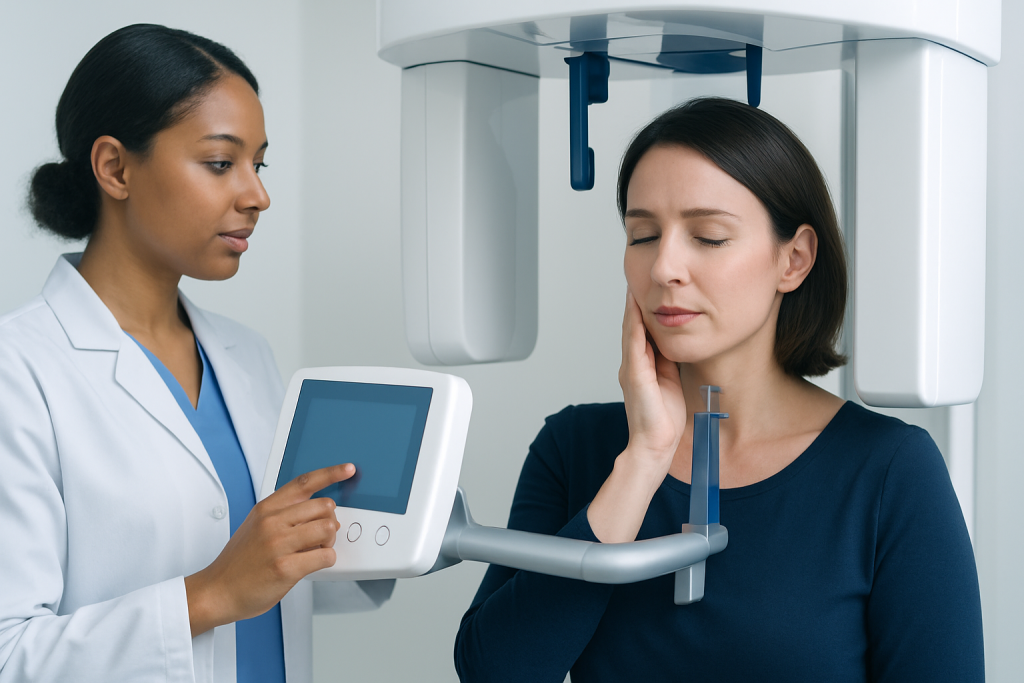
TMJ symptoms can appear gradually or after a period of jaw clenching, dental work, stress, or an injury. Some people feel pain directly in front of the ear, while others notice discomfort that spreads into the temples, cheeks, neck, or shoulders.
Common symptoms include:
- Pain or tenderness in the jaw, face, or around the ear
- Clicking, popping, or grating sounds when opening or closing the mouth
- Stiffness or limited jaw movement
- Jaw locking, either briefly or for longer periods
- Headaches, facial fatigue, or pain while chewing
- Uneven bite feeling or difficulty bringing the teeth together comfortably
Symptoms often fluctuate. A person may have mild discomfort for weeks, then notice a flare after a stressful period, a long dental appointment, or a night of clenching. Because the pattern is variable, keeping track of triggers can be helpful when discussing symptoms with a clinician.
Causes & Risk Factors

TMJ disorders rarely have a single cause. In many cases, several small factors combine over time. The joint may be irritated by overuse, the chewing muscles may become tight, or the bite may place unusual stress on the area.
Possible causes and contributors include:
- Teeth grinding or clenching, especially during sleep
- Stress-related muscle tension
- Jaw injury or direct trauma
- Arthritis affecting the joint
- Habitual gum chewing, nail biting, or frequent wide opening
- Dental or bite changes that alter jaw mechanics
Risk is also influenced by general health and lifestyle. People with chronic stress, sleep problems, neck tension, or a history of jaw strain may be more likely to develop symptoms. That said, TMJ disorders can occur without an obvious trigger, which is one reason an experienced evaluation is useful instead of guessing at the cause.
Diagnosis
Diagnosis usually begins with a detailed conversation about symptoms: where the pain is located, what makes it better or worse, whether the jaw clicks, and whether chewing or speaking is affected. A clinician will typically examine the jaw’s range of motion, listen for joint sounds, and check the muscles of the face, head, and neck.
Dental evaluation is often part of the process because tooth wear, bite alignment, and signs of grinding can offer important clues. If the symptoms suggest another condition or if the diagnosis is unclear, imaging may be considered. Depending on the situation, this can include X-rays, CT scans, or MRI to look at the joint, surrounding structures, or disc movement.
The goal is not just to label the problem, but to sort out what is driving it. TMJ-like pain may overlap with dental infection, ear disorders, sinus problems, or nerve-related pain, so a careful assessment helps avoid unnecessary treatment and supports a more precise plan.
Treatment Options
Many TMJ disorders improve with conservative treatment first. The initial aim is usually to calm irritation, reduce strain, and allow the joint and muscles to settle. This approach is often appropriate even for patients who are traveling, because several first-line measures can be started before or between appointments.
Common treatment options include:
- Short-term jaw rest and soft foods
- Warm compresses or gentle self-massage
- Stress reduction and awareness of clenching habits
- Custom night guards or splints when grinding is suspected
- Physical therapy or jaw exercises guided by a specialist
- Pain-relief medicines recommended by a clinician
If symptoms do not improve, treatment may be expanded to address joint inflammation, muscle spasm, or an underlying bite problem. In selected cases, injections or minimally invasive procedures may be discussed. Surgery is generally reserved for severe, persistent cases when other measures have not helped and the joint structure is clearly contributing to the problem.
Prevention & Self-care
Day-to-day habits can make a meaningful difference. TMJ symptoms often respond well to small changes that reduce repeated strain on the joint and surrounding muscles. These adjustments are especially useful for patients coordinating care across borders, because they can continue during travel and recovery.
Helpful self-care habits include:
- Avoiding very hard, chewy, or sticky foods during flare-ups
- Not opening the mouth widely for yawning or large bites
- Keeping the teeth slightly apart when the jaw is at rest
- Reducing gum chewing and nail biting
- Using a pillow or sleep position that supports the neck comfortably
- Practicing stress-management techniques, such as breathing exercises or mindfulness
It can also help to notice when the jaw tightens during the day. Some people clench while concentrating, driving, or using a phone. Becoming aware of the pattern makes it easier to relax the jaw before pain builds.
When to See a Doctor
Medical evaluation is wise when jaw pain lasts more than a short time, keeps returning, or begins to interfere with eating, speaking, or sleeping. A clinician should also assess the problem if the jaw locks, the bite suddenly feels different, or pain spreads into the face, head, or neck in a way that is hard to explain.
Prompt review is especially important after an injury, if there is visible swelling, fever, numbness, or a new inability to open the mouth normally. These features may point to something beyond a routine TMJ flare and deserve a careful examination.
For international patients, planning care with enough time for diagnosis and follow-up can make treatment smoother. Acibadem Health Point’s multidisciplinary specialists and JCI-accredited hospitals diagnose and treat TMJ disorders for international patients, with coordinated care that can support both in-person treatment and follow-up planning after travel.
Living With TMJ Disorders
Living with TMJ symptoms often means learning what the jaw tolerates and what sets it off. Many people benefit from a practical routine that combines symptom tracking, gentle habits, and timely reassessment if the pain changes.
It can be useful to keep a brief record of flare-ups: what was eaten, whether stress was high, whether sleep was poor, and whether clenching was noticed. This information helps clinicians distinguish muscle-driven symptoms from joint-specific problems and can guide the next step more efficiently.
TMJ disorders may take time to settle, but the outlook is often good when care is matched to the underlying cause. A thoughtful plan can reduce discomfort and help patients return to normal eating and speaking without unnecessary procedures.
Frequently asked questions
Is TMJ the same as temporomandibular joint disorder?
TMJ is the name of the joint itself, while TMJ disorder refers to problems affecting that joint or the nearby muscles. People often use the term TMJ to describe the condition, even though technically it names the anatomy. A clinician may use terms such as temporomandibular disorder or TMD.
Can TMJ pain go away on its own?
Mild TMJ symptoms sometimes improve with rest, softer foods, and reduced clenching. If the cause is ongoing stress, grinding, or a bite issue, symptoms may return unless the trigger is addressed. Persistent pain should be evaluated rather than simply watched for too long.
Why does my jaw click when I open my mouth?
Clicking can happen when the joint disc or surrounding structures do not move smoothly. In some people it causes no harm, but when clicking is paired with pain, locking, or limited movement, it deserves evaluation. A clinician can determine whether the sound is part of a TMJ disorder or a harmless joint noise.
Do I need imaging for TMJ symptoms?
Not always. Many people are diagnosed through history and physical examination alone, and imaging is used when the diagnosis is unclear, symptoms are severe, or another problem needs to be ruled out. The choice depends on the pattern of symptoms and the findings on exam.
Can stress really affect the jaw?
Yes. Stress can lead to clenching or teeth grinding, often without the person noticing it during the day or night. That extra muscle tension can irritate the jaw joint and surrounding tissues.
What kind of doctor treats TMJ disorders?
TMJ disorders may be treated by dentists, oral and maxillofacial specialists, ENT doctors, pain specialists, or physical therapists, depending on the cause. The best specialist is usually the one who can evaluate both the joint and the related muscles and teeth. In more complex cases, coordinated care can be helpful.
References
- National Institute of Dental and Craniofacial Research
- Mayo Clinic
- Cleveland Clinic
- American Dental Association
This article is for general information only and is not a substitute for professional medical advice. Please consult a qualified doctor about your individual situation.
Joint and spine care in Turkey — expert assessment & treatment
JCI-accredited · board-certified surgeons · reply within 24h
Add us as a Preferred Source to see more of our trusted health content across Google Search, AI Overviews and Discover.