TMJ Treatment: Options and Relief

Key Takeaways
- TMJ disorders can cause jaw pain, clicking, headaches, and trouble opening the mouth comfortably.
- Most TMJ treatment starts with conservative options such as soft foods, stress reduction, and jaw rest.
- A dentist or doctor may recommend imaging or other tests if symptoms are persistent, severe, or unusual.
- Night guards, physical therapy, medications, and targeted procedures may be used when simple measures are not enough.
- Early assessment can help prevent symptoms from becoming more disruptive to eating, speaking, and sleeping.
Medically reviewed by the Acıbadem clinical team — August 19, 2026
TMJ treatment depends on the reason the jaw joint is irritated, overworked, or inflamed. Many people improve with conservative care, but a careful diagnosis helps guide the most appropriate approach.
Overview
The temporomandibular joints connect the lower jaw to the skull and work every time a person speaks, chews, yawns, or swallows. When one or both joints, or the muscles around them, are irritated, the result is often grouped under the term temporomandibular disorder, or TMJ/TMD. Because the jaw is used constantly, even a small problem can become noticeable quickly.
TMJ treatment is usually tailored to the underlying cause and the pattern of symptoms. Some people need only short-term rest and habit changes, while others benefit from dental appliances, physical therapy, medication, or in selected cases a procedure. The goal is not only pain relief, but also smoother jaw function and better day-to-day comfort.
For international patients, the decision to seek care often includes practical questions as well as medical ones: whether the jaw symptoms are stable enough for travel, how soon they should be evaluated, and what type of follow-up may be needed after returning home. A thoughtful treatment plan can make that process more predictable.
Symptoms
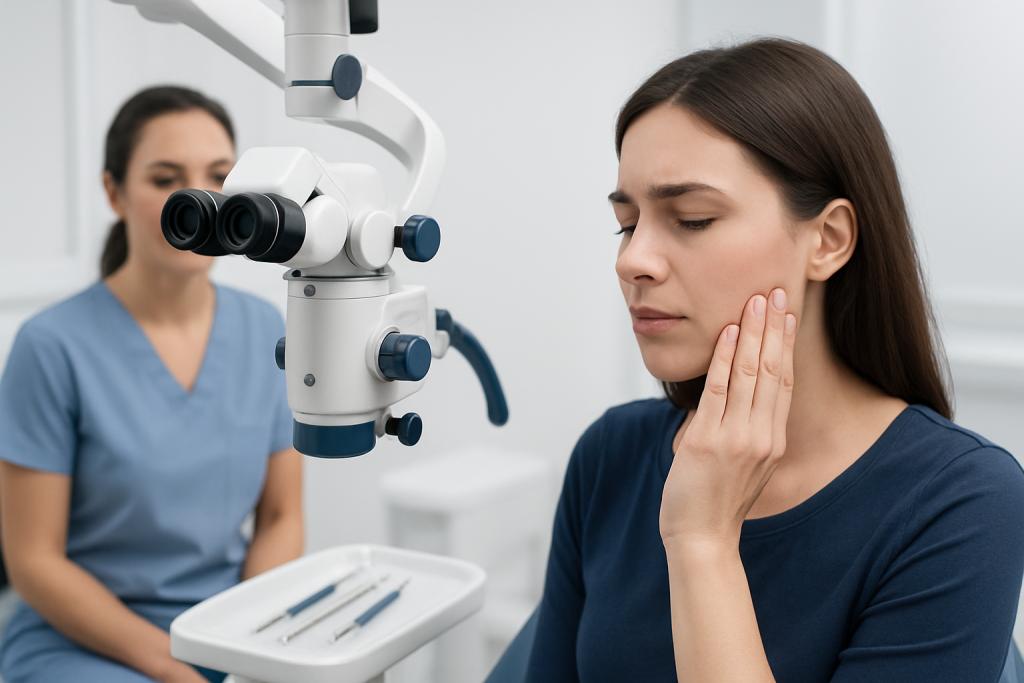
TMJ symptoms vary widely. Some people notice a dull ache near the ear or along the jawline, while others feel pain when chewing, talking, or opening wide. The discomfort may come and go, or it may be present most days.
Common symptoms can include:
- Jaw pain or tenderness
- Clicking, popping, or grating sounds in the joint
- Difficulty opening the mouth fully
- Jaw locking or feeling caught in one position
- Headaches, especially around the temples
- Pain that seems to spread to the face, neck, or ears
- Uneven bite or a feeling that the teeth no longer fit together comfortably
Symptoms are not always severe for the problem to be real. Some patients are most bothered by stiffness in the morning, while others notice that stress, prolonged chewing, or clenching makes the jaw worse. A symptom pattern often offers important clues about what is driving the issue.
Causes & Risk Factors

TMJ disorders rarely have a single explanation. In many cases, several factors interact: jaw muscle tension, teeth grinding, joint inflammation, prior injury, or changes in the bite. Sometimes symptoms begin after a dental procedure, a period of intense stress, or a strain that caused the jaw to overwork.
Risk factors may include habitual clenching or grinding of the teeth, gum chewing, nail biting, arthritis, connective tissue conditions, or a history of trauma to the jaw or face. Poor sleep and stress do not “cause” TMJ by themselves, but they can increase muscle tension and make symptoms harder to settle.
It is also important to remember that jaw pain is not always TMJ-related. Ear problems, dental infections, sinus issues, nerve pain, and other conditions can create similar discomfort. That is one reason a professional assessment matters when symptoms do not improve as expected.
Diagnosis
Diagnosis usually starts with a detailed history and an examination of the jaw, bite, teeth, and surrounding muscles. A clinician may ask when the pain began, what makes it better or worse, whether there is locking or clicking, and whether the symptoms affect eating or sleep. This conversation often reveals whether muscle overuse, joint irritation, or another problem is more likely.
The physical exam may include gently opening and closing the mouth, feeling the joint and jaw muscles, and checking how the teeth meet. In many cases, this is enough to guide the first steps in treatment. If the presentation is unusual, persistent, or more complex, imaging such as X-rays, MRI, or CT may be considered to look more closely at the joint or nearby structures.
For patients traveling for care, diagnosis may be coordinated so that evaluation and treatment planning happen efficiently during the same visit. This can be especially helpful when time abroad is limited and follow-up will need to continue at home.
Treatment Options
Most TMJ treatment begins with conservative measures because many people improve without invasive care. Resting the jaw, avoiding hard or chewy foods, limiting wide mouth opening, and reducing clenching can all help calm the joint and surrounding muscles. A warm compress may ease muscle tightness for some patients, while others feel better with short periods of cold therapy if inflammation is more prominent.
Depending on symptoms, a dentist or doctor may recommend a custom night guard or splint to reduce grinding and protect the teeth. Physical therapy can also be useful, especially when jaw movement is restricted or neck and facial muscles are contributing to pain. In some cases, medications such as pain relievers, anti-inflammatory medicines, or muscle-relaxing approaches may be discussed, always based on the individual’s medical profile.
When symptoms remain significant, additional options may be considered. These can include targeted injections, joint procedures, or, less commonly, surgery for structural problems. Such choices are usually reserved for carefully selected cases after conservative care has not provided enough relief. The most appropriate plan depends on the diagnosis, symptom severity, and how the jaw functions in daily life.
TMJ treatment can also involve practical support for international patients. Clear instructions about eating, jaw rest, appliance use, and follow-up timing make it easier to continue care safely after travel. In centers experienced with cross-border care, multidisciplinary specialists can coordinate diagnosis and treatment for patients who need an organized plan before returning home.
Prevention & Self-care
Not every TMJ problem can be prevented, but day-to-day habits can reduce strain on the jaw. The joint tends to prefer gentle, repetitive movement over long periods of force, so small adjustments often make a meaningful difference. The aim is to give the muscles and joint fewer reasons to stay tense.
Helpful self-care steps may include:
- Choose softer foods during flare-ups and cut food into smaller pieces
- Avoid chewing gum and limit very chewy or hard foods
- Notice daytime clenching and allow the jaw to rest with the teeth apart
- Practice stress-management techniques such as breathing exercises or relaxation routines
- Maintain good sleep habits, since poor sleep can worsen muscle tension
- Follow instructions for any splint, exercise, or therapy plan exactly as given
Posture can also matter, especially for people who spend long hours at a computer or on a phone. Keeping the head and neck well supported may reduce strain that travels into the jaw. If symptoms are linked to grinding at night, protecting the teeth and addressing sleep quality may be an important part of long-term control.
When to See a Doctor
Jaw discomfort that lasts more than a short time, keeps returning, or interferes with eating, speaking, or sleep should be assessed by a qualified clinician. A visit is especially important if the jaw locks, the mouth cannot open normally, or pain is increasing rather than improving. Persistent symptoms deserve a clear explanation, not guesswork.
Medical attention is also recommended if there is facial swelling, fever, recent trauma, tooth pain, a sudden change in bite, numbness, or pain that feels different from typical TMJ discomfort. These features may point to another condition that needs specific treatment. When symptoms are severe, urgent evaluation may be appropriate to rule out more serious causes.
Patients who plan to travel for care may benefit from an early consultation so the treatment strategy is clear before they leave home. A clinician can help determine whether the condition is suitable for travel, what can be managed conservatively, and what follow-up should be arranged after the trip.
Frequently asked questions
What is the first-line treatment for TMJ problems?
TMJ treatment usually starts with conservative care, such as jaw rest, softer foods, and avoiding clenching or gum chewing. Many people also benefit from stress reduction and short-term symptom relief measures. A clinician may add a night guard or physical therapy if needed.
Can TMJ go away on its own?
Mild TMJ symptoms sometimes improve with time, especially when the jaw is rested and aggravating habits are reduced. However, ongoing or worsening symptoms should be evaluated so the cause is not missed. A clear diagnosis helps guide the right level of care.
Is a clicking jaw always a sign of TMJ disorder?
Not always. Clicking or popping can occur without a serious problem, especially if there is no pain or locking. If the sound is new, painful, or associated with limited movement, it should be checked by a dentist or doctor.
Do I need surgery for TMJ treatment?
Most people do not need surgery. Treatment usually begins with conservative options, and only a small number of patients with persistent or structural problems are considered for procedures. The decision depends on symptoms, exam findings, and imaging when needed.
Can stress make TMJ symptoms worse?
Yes, stress can increase jaw clenching and muscle tension, which may worsen pain or stiffness. Stress does not explain every TMJ problem, but it is often part of the symptom pattern. Relaxation habits and awareness of daytime clenching can be useful additions to treatment.
Is it safe to travel for TMJ care?
It can be, depending on the severity of symptoms and the treatment planned. A clinician should confirm that the condition is stable enough for travel and that follow-up can be coordinated afterward. Clear instructions before departure help make the experience safer and more manageable.
References
- National Institute of Dental and Craniofacial Research
- Mayo Clinic
- Cleveland Clinic
- American Dental Association
- NHS
This article is for general information only and is not a substitute for professional medical advice. Please consult a qualified doctor about your individual situation.
Joint and spine care in Turkey — expert assessment & treatment
JCI-accredited · board-certified surgeons · reply within 24h
Add us as a Preferred Source to see more of our trusted health content across Google Search, AI Overviews and Discover.