Thrombectomy: Procedure, Uses and Risks

Key Takeaways
- Thrombectomy is a clot-removal procedure used when a blocked blood vessel needs urgent or targeted treatment.
- It is most often considered for stroke, limb-threatening ischemia, pulmonary embolism in selected cases, and other severe clot-related problems.
- Symptoms depend on where the clot is located, but sudden weakness, pain, swelling, or breathing changes should never be ignored.
- Diagnosis usually relies on imaging tests that show where the clot is and whether tissue is still salvageable.
- Recovery and follow-up often include medicines, rehab, and care to reduce the chance of new clots.
Thrombectomy is a procedure used to remove a blood clot from an artery or vein and restore blood flow to tissue that may be at risk. It is commonly discussed in stroke, limb ischemia, and certain venous clot emergencies, where timely evaluation can make a meaningful difference.
Overview
Thrombectomy is a procedure that removes a clot from a blood vessel so blood can flow again. In practical terms, it is an effort to rescue tissue that is being starved of oxygen before damage becomes permanent.
It is not one single operation for one single disease. Doctors may consider thrombectomy in different settings, such as an acute ischemic stroke, a blocked artery in the leg, or selected venous clot emergencies. The approach can be performed with a catheter through the blood vessels or, less commonly, through surgery, depending on the location and size of the clot.
For international patients, the decision often begins with a clear question: is the clot causing immediate danger, and is the affected tissue still recoverable? That answer usually depends on imaging, the time since symptoms began, and the patient’s overall health.
Symptoms
The symptoms that lead to thrombectomy depend on where the clot has formed. A clot in the brain may cause sudden facial drooping, arm weakness, speech difficulty, vision loss, or confusion. A clot in a limb may lead to severe pain, coldness, numbness, or a pale or bluish color in the affected arm or leg.
Some venous clots cause swelling and discomfort, while others may present more dramatically. A pulmonary embolism, which is a clot in the lungs, can cause shortness of breath, chest pain, rapid pulse, fainting, or a sense that breathing is unusually difficult.
Symptoms that start suddenly are especially important. Even when they seem to improve, urgent medical assessment is still needed because the underlying vessel blockage may remain active.
- Sudden weakness or numbness on one side of the body
- Speech or understanding problems
- Severe limb pain with coldness or color change
- Unexplained shortness of breath or chest discomfort
- Rapidly increasing swelling in an arm or leg
Causes & Risk Factors

Thrombectomy treats the result of a clot, but the clot itself may form for many different reasons. Some clots develop after plaque in an artery ruptures, while others are related to irregular heart rhythms, recent surgery, prolonged immobility, cancer, inherited clotting tendencies, or inflammation in the blood vessels.
Stroke-related thrombectomy most often applies to clots that block major brain arteries. In the limbs, clot formation may be associated with severe peripheral artery disease or an embolus that traveled from elsewhere in the body. Venous clots are more likely when blood flow is slowed, when the body is in a pro-clotting state, or after injury to a vein.
Risk factors do not mean a person will definitely develop a clot, but they help doctors judge urgency and long-term prevention. A prior clot, smoking, uncontrolled diabetes, high blood pressure, obesity, and certain heart conditions can all affect risk.
Diagnosis
Before thrombectomy, doctors first confirm the location of the clot and assess how much tissue may still be saved. This usually begins with a history and physical examination, followed by imaging tailored to the suspected problem.
For stroke, brain imaging such as CT or MRI may show whether there is bleeding, where the artery is blocked, and whether the surrounding brain may still benefit from treatment. For limb ischemia, ultrasound, CT angiography, or other vascular studies can map the blocked vessel. In suspected lung clots, CT pulmonary angiography is commonly used, along with oxygen levels and blood tests.
Diagnosis is often a rapid, team-based process. The faster the clot is identified, the more likely doctors can choose the most useful treatment window and avoid unnecessary delay.
Treatment Options
Thrombectomy is usually part of a broader treatment plan rather than a standalone event. In many cases, doctors use medicines, imaging guidance, and close monitoring before and after the procedure to support recovery and prevent recurrence.
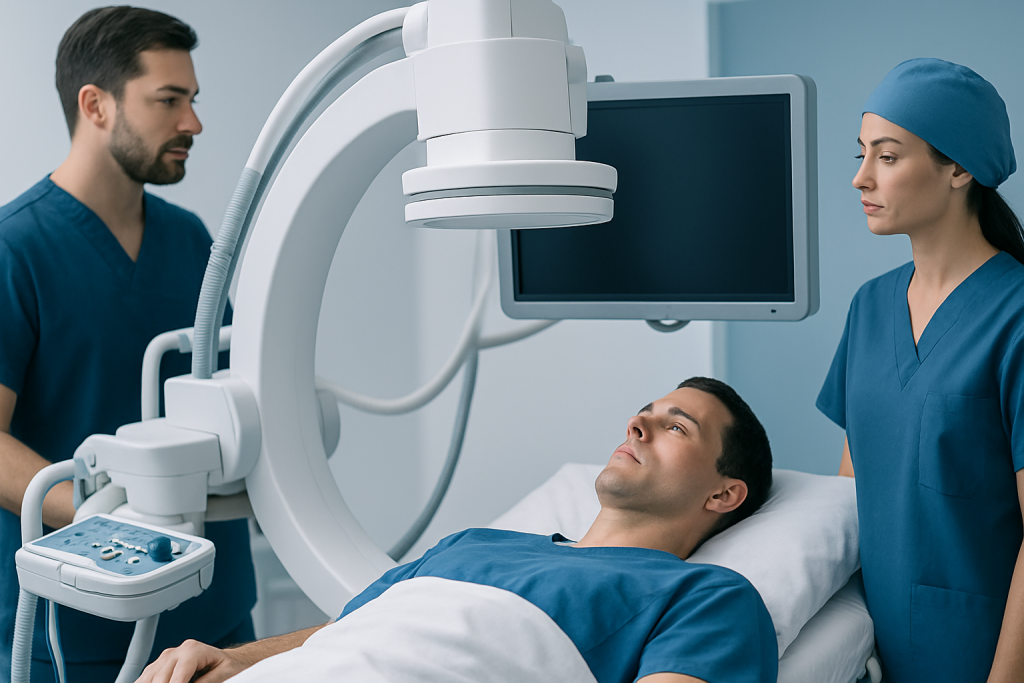
There are different techniques. Mechanical thrombectomy uses a catheter and specialized devices to capture or remove the clot. Aspiration thrombectomy uses suction to draw the clot out. Surgical thrombectomy may be preferred in some arteries or when catheter-based treatment is not suitable. In some situations, clot-dissolving medicine may also be considered, though it is not right for every patient.
The choice depends on clot location, size, symptom timing, bleeding risk, and whether there are other health issues such as recent surgery or a history of bleeding. Patients and families traveling for treatment often appreciate a step-by-step explanation of what will happen before, during, and after the procedure, especially when decisions need to be made quickly.
Recovery may include observation in a stroke unit, intensive care, or a vascular ward. Some patients need rehabilitation to regain movement, speech, or endurance, while others may be discharged with medicines that reduce the chance of another clot.
Prevention & Self-care
After a thrombectomy, prevention focuses on the reason the clot formed in the first place. Doctors may recommend blood-thinning medicine, treatment for atrial fibrillation, control of blood pressure or cholesterol, smoking cessation, or management of diabetes and other chronic conditions.
Self-care also includes practical steps that support healing. These may involve taking prescribed medicines consistently, keeping follow-up appointments, moving safely as advised, and watching for any new symptoms that could suggest another clot or a treatment complication.
For patients returning home after treatment abroad, follow-up planning matters. It is helpful to leave with a written summary, imaging reports, a medication list, and instructions on when local care should be sought. Long flights or prolonged sitting may require specific preventive advice from the treating team.
- Take medicines exactly as prescribed and do not stop them without medical advice
- Ask when it is safe to resume travel, exercise, or work
- Keep blood pressure, blood sugar, and cholesterol under control
- Stay hydrated and move regularly when permitted
- Seek urgent care for new stroke-like, chest, or limb symptoms
When to See a Doctor
Thrombectomy is not a procedure to wait on at home. Sudden neurological symptoms, severe limb pain with color change, or signs of a pulmonary embolism should be treated as urgent medical problems. Even if symptoms partially improve, a doctor should evaluate the situation promptly.
People with a known clotting disorder, atrial fibrillation, recent surgery, or a prior clot should ask their clinician what warning signs to watch for and how to reduce risk during travel or recovery. A planned review is also important after the procedure to check healing, medicine tolerance, and the cause of the clot.
For international patients, getting evaluated at a center with coordinated imaging, interventional, and rehabilitation services can simplify a complex episode of care. Acıbadem Health Point’s multidisciplinary specialists and JCI-accredited hospitals diagnose and treat thrombectomy-related conditions for international patients with coordinated follow-up support.
Living After Thrombectomy
Many people are surprised that the procedure is only the beginning of the story. The next phase is often about understanding why the clot happened, how much function can return, and what steps will help protect the vessel system in the future.
Some patients recover quickly, while others need time and rehabilitation to regain strength, speech, balance, or confidence. Follow-up imaging or clinic visits may be part of the plan, especially when the clot affected the brain or a major limb vessel.
Questions are normal after an emergency procedure, particularly for those who traveled for treatment. Clear communication about medications, activity limits, warning signs, and local follow-up can help the transition feel manageable rather than uncertain.
Frequently asked questions
What is thrombectomy used for?
Thrombectomy is used to remove a clot from a blood vessel when blood flow needs to be restored quickly. It is commonly considered for certain strokes, blocked limb arteries, and selected venous clot emergencies.
Is thrombectomy the same as taking clot-busting medicine?
No. Clot-busting medicine works by dissolving a clot, while thrombectomy physically removes it. In some cases, doctors may use both approaches, but the choice depends on the situation and bleeding risk.
How quickly does thrombectomy need to be done?
Timing matters because tissue can be damaged if blood flow stays blocked too long. The exact window depends on where the clot is located and what imaging shows, so urgent evaluation is important.
What are the risks of thrombectomy?
Risks vary by clot location and the technique used, but they can include bleeding, vessel injury, stroke-related complications, or incomplete clot removal. The medical team weighs these risks against the danger of leaving the vessel blocked.
Will I need rehabilitation after thrombectomy?
Some patients do, especially after a stroke or a severe limb event. Rehabilitation may help with walking, strength, speech, coordination, or daily activities, depending on which body area was affected.
Can a clot come back after thrombectomy?
Yes, another clot can form if the underlying cause is not addressed. That is why follow-up care often includes medicines and treatment of conditions such as atrial fibrillation, vascular disease, or clotting disorders.
References
- American Heart Association
- American Stroke Association
- Society of Interventional Radiology
- National Heart, Lung, and Blood Institute
- Mayo Clinic
This article is for general information only and is not a substitute for professional medical advice. Please consult a qualified doctor about your individual situation.
Explore treatments in Turkey — costs, top hospitals & a free quote
JCI-accredited · board-certified surgeons · reply within 24h
Add us as a Preferred Source to see more of our trusted health content across Google Search, AI Overviews and Discover.