Thoracentesis: Uses, Risks and Recovery

Key Takeaways
- Thoracentesis removes fluid from the pleural space, the thin area between the lungs and chest wall.
- It may be done to ease shortness of breath, confirm the cause of fluid buildup, or both.
- Ultrasound guidance is commonly used to improve accuracy and reduce risk.
- Most people can go home the same day, but aftercare instructions should be followed carefully.
- New or worsening breathlessness, fever, chest pain, or a persistent cough after the procedure should be reported to a doctor.
Medically reviewed by the Acıbadem clinical team — August 19, 2026
Thoracentesis is a procedure used to remove fluid from the space around the lungs, often to relieve breathlessness or to help identify the cause of a pleural effusion. It is usually a short, image-guided procedure that can provide both symptom relief and important diagnostic information.
Overview
Thoracentesis is a procedure that removes extra fluid from the pleural space, the narrow area between the lungs and the inside of the chest wall. When fluid collects there, breathing can feel harder, the chest can feel tight, and daily activities may become more tiring.
The procedure is used in two ways: to help a person feel better by relieving pressure, and to help doctors find out why the fluid built up in the first place. The fluid can then be analyzed in a laboratory for signs of infection, inflammation, heart failure, cancer, or other conditions.
For international patients, thoracentesis is often part of a broader care plan that includes imaging, specialist review, and follow-up after returning home. In many cases, it is a day procedure and does not require a long hospital stay.
Symptoms
People who need thoracentesis often notice symptoms caused by the fluid itself rather than by the procedure. Shortness of breath is the most common complaint, especially when lying flat or walking uphill. Some people also describe a dry cough, chest heaviness, or discomfort on one side.
Not every pleural effusion causes obvious symptoms. Small fluid collections may be found incidentally on a chest X-ray or CT scan done for another reason. In other cases, a rapid buildup of fluid can lead to noticeable breathing changes over a short period of time.
- Shortness of breath
- Chest pressure or heaviness
- Dry cough
- Pain when taking a deep breath
- Reduced exercise tolerance
Because these symptoms can overlap with many other chest and lung conditions, medical assessment is important rather than self-diagnosis.
Causes & Risk Factors

Thoracentesis is not a disease; it is a procedure done in response to pleural fluid. That fluid can collect for many different reasons. Common causes include heart failure, pneumonia, cancer, blood clots in the lung, liver disease, Kidney Disease Treatment" class="ahp-ilk">kidney disease, and inflammatory conditions such as autoimmune disorders.
Risk is higher in people who already have a condition that can affect fluid balance, the lungs, or the lining around the lungs. Recent surgery, chest trauma, certain medications, and some infections may also contribute. In some cases, the cause is not obvious until the fluid is tested.
A doctor usually considers the broader medical history before recommending the procedure, especially if the person takes blood-thinning medicines, has a bleeding disorder, or has had prior chest procedures. This helps the team plan the safest possible approach.
Diagnosis
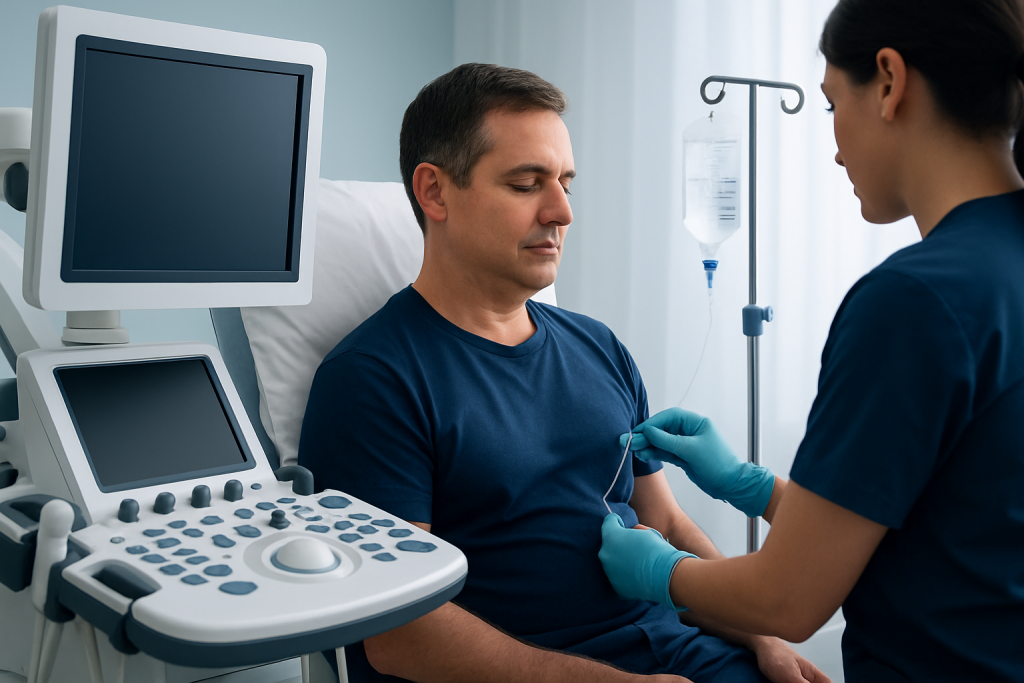
Before thoracentesis, doctors typically confirm that fluid is present and estimate how much there is. A chest X-ray, ultrasound, or CT scan may be used, and ultrasound guidance is now common because it helps locate the safest entry point.
The decision to perform thoracentesis depends on both symptoms and the suspected cause. If a person has significant breathlessness or the fluid looks unexplained, the procedure may be recommended to obtain a sample for analysis. In some situations, doctors may also use it to remove a larger volume of fluid for relief.
During the planning stage, the care team reviews the person’s medications, allergies, recent illnesses, and clotting risks. International patients may receive this evaluation after arriving for care, with the procedure coordinated alongside imaging and specialist consultation.
Treatment Options
Thoracentesis itself is a treatment, but it is also a diagnostic step. The person usually sits upright, and the skin on the side of the chest is cleaned and numbed with local anesthetic. A thin needle or catheter is then placed into the pleural space to withdraw fluid. The process is often brief, and breathing may feel easier soon after fluid is removed.
The removed fluid may be sent for testing. Laboratory analysis can help determine whether the fluid is related to infection, heart disease, cancer, inflammation, or another cause. Results guide the next treatment step, which may include antibiotics, diuretics, cancer care, or a plan for repeated drainage if fluid returns.
Some people need repeated thoracentesis, while others improve once the underlying condition is treated. In more persistent cases, doctors may discuss other procedures to reduce fluid buildup over time. The best option depends on the cause, the person’s overall health, and how quickly the fluid comes back.
Prevention & Self-care
Thoracentesis is not something a person usually prevents directly, because it is performed in response to pleural fluid. Prevention focuses on managing the underlying condition that caused the fluid to collect in the first place. Staying consistent with treatment for heart, lung, kidney, liver, or cancer-related illness can reduce the chance of recurrence.
After the procedure, self-care is usually straightforward but important. The person should follow discharge instructions about activity, wound care, and when to resume normal routines. Light soreness at the puncture site is common, but strenuous activity is generally avoided until the care team says it is safe.
- Keep the puncture site clean and dry as instructed
- Watch for fever, worsening pain, or breathing changes
- Take prescribed medicines exactly as directed
- Attend follow-up appointments and imaging if recommended
- Tell the doctor about any blood thinners or new medicines
For patients traveling home after treatment, it helps to have a written summary of the procedure, test results, and follow-up plan so care can continue smoothly with the local doctor.
When to See a Doctor
A doctor should be contacted promptly if breathlessness returns or becomes worse after thoracentesis, especially if it limits speaking, walking, or lying down comfortably. Chest pain that is new, severe, or persistent also deserves medical review, as does fever or redness around the puncture site.
Urgent assessment is appropriate if there is a sudden sharp pain, fainting, a rapid heartbeat, or signs that breathing is becoming difficult. These symptoms can have several causes, and timely evaluation helps determine what is happening.
People who develop a new pleural effusion after treatment, or who need repeated drainage, should keep regular follow-up with their doctor. If care is being arranged from abroad, a coordinated team can help interpret results, plan next steps, and support safe recovery after travel. Acibadem Health Point’s multidisciplinary specialists and JCI-accredited hospitals diagnose and treat thoracentesis-related conditions for international patients with coordinated care.
Recovery and Outlook
Recovery after thoracentesis is usually quick. Many people rest for a short time after the procedure, have a chest examination or imaging if needed, and then go home the same day. Mild soreness, a small bandage, and temporary fatigue are common and usually settle on their own.
The longer-term outlook depends on why the fluid formed. If the underlying condition is well controlled, the fluid may not return. If the cause is ongoing, such as advanced heart disease or cancer, the care plan may need to focus on both comfort and preventing repeated buildup.
For many patients, the most useful part of thoracentesis is that it answers an important question while also improving breathing. That combination can make it a practical step in both diagnosis and day-to-day relief.
Frequently asked questions
Is thoracentesis painful?
Local anesthetic is used to numb the skin and deeper tissues, so the procedure is usually more uncomfortable than painful. Some pressure or brief chest discomfort can still be felt. Most people tolerate it well when the area is properly numbed and the procedure is guided carefully.
How long does thoracentesis take?
The procedure itself is often completed in a short time, though the total visit is longer because of preparation and observation afterward. The exact timing depends on how much fluid is present, whether ultrasound is used, and whether fluid is being sent for testing.
Can thoracentesis diagnose the cause of pleural effusion?
Yes, it can provide important clues. The fluid can be tested for infection, inflammation, cancer cells, and other markers that help identify the cause. Sometimes additional imaging or blood tests are also needed.
What are the possible risks of thoracentesis?
Most people do well, but possible risks include bleeding, infection, pain, or a collapsed lung, which is called pneumothorax. Using ultrasound and careful technique helps lower these risks. The care team will discuss the specific risks based on the person's health history.
Will the fluid come back after thoracentesis?
It may, depending on the underlying cause. If the condition that caused the effusion is treated successfully, the fluid may not return. If it does recur, the doctor may suggest repeat drainage or another long-term option.
Do people need to stop medicines before thoracentesis?
Sometimes medicines, especially blood thinners, need to be reviewed before the procedure. The doctor will advise which medicines should be continued and which may need to be paused. It is important not to stop any prescribed treatment without medical guidance.
References
- American Thoracic Society
- National Heart, Lung, and Blood Institute
- Mayo Clinic
- Cleveland Clinic
- Merck Manual Professional Edition
This article is for general information only and is not a substitute for professional medical advice. Please consult a qualified doctor about your individual situation.
Explore treatments in Turkey — costs, top hospitals & a free quote
JCI-accredited · board-certified surgeons · reply within 24h
Add us as a Preferred Source to see more of our trusted health content across Google Search, AI Overviews and Discover.