Pulmonary Function Test

Key Takeaways
- PFTs measure how air moves in and out of the lungs and how effectively the lungs exchange gases.
- The tests can help identify patterns seen in asthma, COPD, restrictive lung disease, and other breathing problems.
- Preparation is usually simple, but certain inhalers, smoking, heavy meals, and strenuous exercise may affect the results.
- PFT results are interpreted alongside symptoms, medical history, exam findings, and sometimes imaging or blood tests.
- A doctor may recommend repeat testing to monitor treatment response or changes in lung health over time.
Medically reviewed by the Acıbadem clinical team — August 19, 2026
Pulmonary function tests (PFTs) are a group of breathing tests that help clinicians assess how well the lungs work. They are commonly used to investigate symptoms such as shortness of breath, cough, and wheezing, and to follow lung conditions over time.
Overview
A pulmonary function test, often shortened to PFT, is not a single exam but a set of breathing measurements. Together, these tests show how much air the lungs can hold, how quickly air can move in and out, and how efficiently oxygen-related gas exchange may be happening.
For many people, the word “test” suggests something complicated or uncomfortable. In practice, PFTs are usually noninvasive and straightforward. The person breathes into a mouthpiece and follows instructions from the testing team. The experience can feel unusual at first, but it is typically manageable and does not require needles or anesthesia.
PFTs are useful because lung symptoms are often nonspecific. A persistent cough, a tight chest, or breathlessness can come from many causes. By measuring lung function directly, clinicians can narrow the possibilities and decide whether more evaluation is needed. For international patients, these tests can also help build a clear baseline before treatment starts or before traveling home for follow-up care.
Symptoms and Reasons a Doctor May Order PFTs
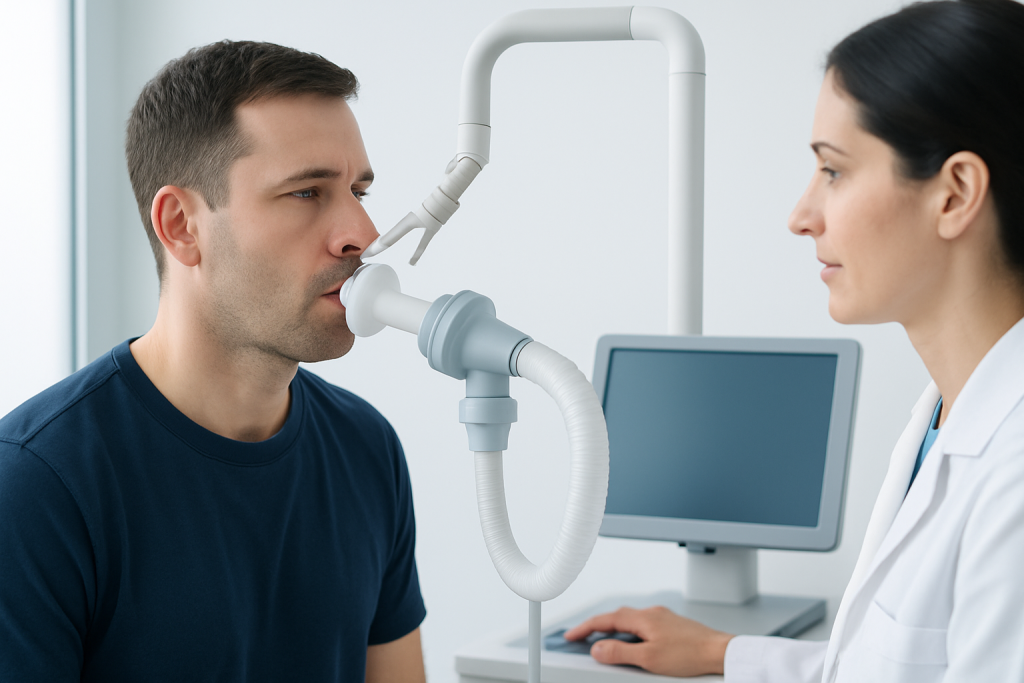
PFTs are commonly ordered when a person reports symptoms that affect daily breathing. They are also used when a clinician wants to understand whether a known lung condition is stable, worsening, or improving with treatment.
Common reasons include:
- Shortness of breath during activity or at rest
- Wheezing or noisy breathing
- Ongoing cough, especially when the cause is unclear
- Chest tightness or a feeling of not being able to take a full breath
- Reduced exercise tolerance
- Monitoring asthma, chronic obstructive pulmonary disease (COPD), or interstitial lung disease
- Evaluating lung effects from smoking, occupational exposures, or previous illness
Some people have PFTs before surgery, after an infection that affected the lungs, or when a chest scan suggests a need to understand how the lungs are working. In other cases, the test is used to check how well treatment is helping over time rather than to make a new diagnosis.
Common Types of Pulmonary Function Tests

Different parts of lung function are measured in different ways. The exact tests ordered depend on the symptom pattern and what the clinician needs to learn. Spirometry is one of the best-known PFTs, but it is only one piece of the larger picture.
Frequently used PFT components include spirometry, which measures how much air is blown out and how quickly; lung volume testing, which estimates the total amount of air the lungs can hold; and diffusion testing, which looks at how well gases move from the lungs into the blood. Some people may also undergo bronchodilator testing, where breathing measurements are repeated after a medicine is inhaled to see whether the airways open up.
Together, these tests can help distinguish between obstructive patterns, where air has trouble flowing out, and restrictive patterns, where the lungs cannot expand normally. That distinction often guides the next steps in diagnosis and treatment.
How the Test Is Done
The appointment usually starts with simple instructions and a brief review of medical history. The person may be asked about smoking, medications, recent infections, recent surgery, and any symptoms experienced during daily activity. Comfortable clothing is helpful because the test involves sitting and breathing through a device.
During spirometry, the person takes a deep breath and exhales forcefully into a mouthpiece. The team may repeat the maneuver several times to make sure the measurements are reliable. Other tests may involve sitting inside a clear enclosure for lung volume measurement or breathing in a small amount of tracer gas for diffusion testing.
The test is monitored by trained staff who coach the breathing maneuvers and watch for safety. The process may take a little time, especially if more than one type of PFT is needed. Most people return to normal activities soon afterward unless their doctor has given specific instructions.
Causes and Risk Factors Behind Abnormal Results
Abnormal PFT results do not point to one single disease. They describe a pattern, and that pattern may have many possible causes. The clinician interprets the numbers alongside the person’s age, body size, symptoms, and medical history.
Obstructive patterns are commonly seen in asthma and COPD, where the airways narrow or become inflamed. Restrictive patterns may be associated with conditions that affect the lung tissue, chest wall, or breathing muscles. Diffusion changes can appear when the lung tissue or blood-gas exchange area is affected.
Factors that may influence lung function or the interpretation of results include:
- Smoking or long-term exposure to secondhand smoke
- Occupational dusts, fumes, or chemicals
- Repeated respiratory infections
- Allergies and airway inflammation
- Prior lung surgery or chest radiation
- Neuromuscular or chest wall conditions
Temporary issues can also affect the numbers, such as a recent cold, poor effort during the test, or use of certain medications before testing. That is why preparation instructions matter and why a single result is rarely read in isolation.
Diagnosis and How Results Are Interpreted
PFT results are usually compared with expected values for a person’s age, sex, height, and sometimes ethnicity, using reference ranges built into the testing system. The clinician then looks for patterns rather than focusing on one number alone.
For example, reduced airflow with a low forced expiratory volume may suggest obstruction, while lower total lung capacity may suggest restriction. If values improve after a bronchodilator, that may indicate reversible airway narrowing. A reduced diffusion result can suggest a problem with gas transfer and may prompt further evaluation.
Importantly, PFTs do not always provide a final diagnosis by themselves. They often work best as part of a larger assessment that may include a physical exam, chest imaging, blood tests, allergy evaluation, or referral to a lung specialist. For patients arranging care across borders, having a clear copy of the report can make follow-up with a local doctor much smoother.
Treatment Options and What Comes After the Test
PFTs do not treat lung disease, but they can guide the choice of treatment. Once the pattern is understood, the doctor may recommend medicines, inhaler techniques, pulmonary rehabilitation, breathing exercises, oxygen assessment, smoking cessation support, or further diagnostic tests.
The right treatment depends on the cause. Asthma care may focus on reducing inflammation and opening the airways. COPD treatment may include inhaled therapies, symptom control, and lifestyle measures. Restrictive lung conditions may need a different approach, sometimes involving specialist evaluation to identify the underlying reason for reduced lung expansion.
For some people, the most important next step is not a new prescription but better monitoring. Repeat PFTs can show whether treatment is working, whether lung function is stable, and whether a change in symptoms matches a measurable change in breathing ability. In an international care setting, that follow-up plan is especially valuable because it helps connect treatment decisions made abroad with continued care at home.
Prevention and Self-care
Not every lung problem can be prevented, but several habits support lung health and can improve the quality of PFT results over time. The goal is not perfection; it is reducing avoidable strain on the breathing system and recognizing problems early.
Helpful self-care steps include:
- Avoid smoking and limit exposure to secondhand smoke
- Follow inhaler or medication instructions carefully
- Stay up to date on vaccines recommended by a doctor
- Use protective equipment in dusty or fume-filled workplaces
- Manage allergies and reflux if they trigger cough or breathing symptoms
- Stay active within personal limits, as advised by a clinician
Before a scheduled PFT, it is wise to follow the testing instructions exactly. Some patients may be told to avoid short-acting inhalers for a period before the exam, while others are told to continue them. Because those instructions differ by situation, the testing team’s guidance should always take priority.
When to See a Doctor
A doctor should evaluate ongoing breathing symptoms, even if they come and go. Breathlessness, wheezing, persistent cough, or chest tightness may be signs that the lungs need closer assessment. PFTs are often one of the first tools used to understand what is happening.
Prompt medical attention is especially important if symptoms are new, worsening, or affecting sleep, work, or exercise. A person should also seek evaluation if they notice frequent flare-ups of asthma or COPD, repeated chest infections, or reduced ability to recover after illness.
If care is being planned from another country, it can help to bring previous test reports, medication lists, and imaging studies. Acibadem Health Point’s multidisciplinary specialists and JCI-accredited hospitals can diagnose and treat pulmonary function-related conditions for international patients, with coordination that supports both the in-hospital visit and the next steps afterward.
Frequently asked questions
What does PFT stand for?
PFT stands for pulmonary function test. It refers to a group of breathing tests that measure how well the lungs move air and exchange gases. The exact combination of tests depends on the symptoms and the question the doctor is trying to answer.
Is a pulmonary function test painful?
PFTs are usually not painful. The breathing maneuvers can feel tiring or awkward, especially when forceful exhalation is required, but the test is generally well tolerated. The staff can coach the person throughout the exam to make it easier.
Do I need to stop my inhaler before a PFT?
Sometimes, but not always. The answer depends on the reason for the test and the specific inhaler being used, so the testing center’s instructions should be followed carefully. If the guidance is unclear, the person should ask before the appointment rather than guessing.
Can a PFT diagnose asthma or COPD by itself?
PFTs can provide important evidence that supports these diagnoses, especially when the breathing pattern fits the condition. However, the final diagnosis usually depends on symptoms, medical history, exam findings, and sometimes response to treatment or additional tests. A doctor interprets the result in context.
How long does it take to get PFT results?
Some centers share preliminary findings soon after the test, while a full interpretation may take longer. The timing depends on the clinic and whether a specialist needs to review the results. Patients should ask how and when they will receive the report.
What should a person bring to a PFT appointment?
It is helpful to bring a medication list, any inhalers, and previous lung test or imaging reports if available. Comfortable clothing is recommended, and the person should be ready to follow breathing instructions carefully. If traveling from abroad, keeping digital copies of records can make follow-up easier.
References
- National Heart, Lung, and Blood Institute
- American Thoracic Society
- Mayo Clinic
- Cleveland Clinic
- World Health Organization
This article is for general information only and is not a substitute for professional medical advice. Please consult a qualified doctor about your individual situation.
Persistent digestive symptoms? Get evaluated in Turkey
JCI-accredited · board-certified surgeons · reply within 24h
Add us as a Preferred Source to see more of our trusted health content across Google Search, AI Overviews and Discover.