

Thighs: Anatomy, Function and Common Problems

Key Takeaways
- Thigh symptoms can come from muscles, joints, nerves, blood vessels, or skin.
- New swelling, redness, weakness, or severe pain deserves medical attention.
- Diagnosis often begins with a physical exam and may include imaging or blood tests.
- Treatment depends on the cause and may include rest, rehabilitation, medication, or procedures.
- Healthy movement, gradual training, and attention to warning signs can help protect thigh health.
Medically reviewed by the Acıbadem clinical team — August 19, 2026
The thighs can be affected by muscle strain, overuse, circulation problems, nerve irritation, or changes in body composition. Most concerns are manageable with the right assessment, and some can be treated safely with guidance from a qualified clinician.
Overview
The thighs do a great deal of work in everyday life. They help with walking, standing, climbing stairs, getting up from a chair, and absorbing impact during exercise. Because they are built from large muscles, major nerves, blood vessels, and deep connective tissue, thigh symptoms can arise from several different systems rather than one single cause.
People may notice pain, tightness, swelling, numbness, weakness, bruising, or a change in shape. Some concerns are simple and short-lived, such as muscle fatigue after unfamiliar exercise. Others may point to problems that need assessment, including a circulation issue, a nerve compression, or an injury that has not healed as expected.
For international patients deciding whether to travel for care, thigh symptoms are often easier to evaluate once a clear pattern has emerged: where the discomfort is, what brings it on, and whether there is swelling, loss of function, or a visible change. That history often guides the next step and helps clinicians choose the most appropriate tests.
Symptoms
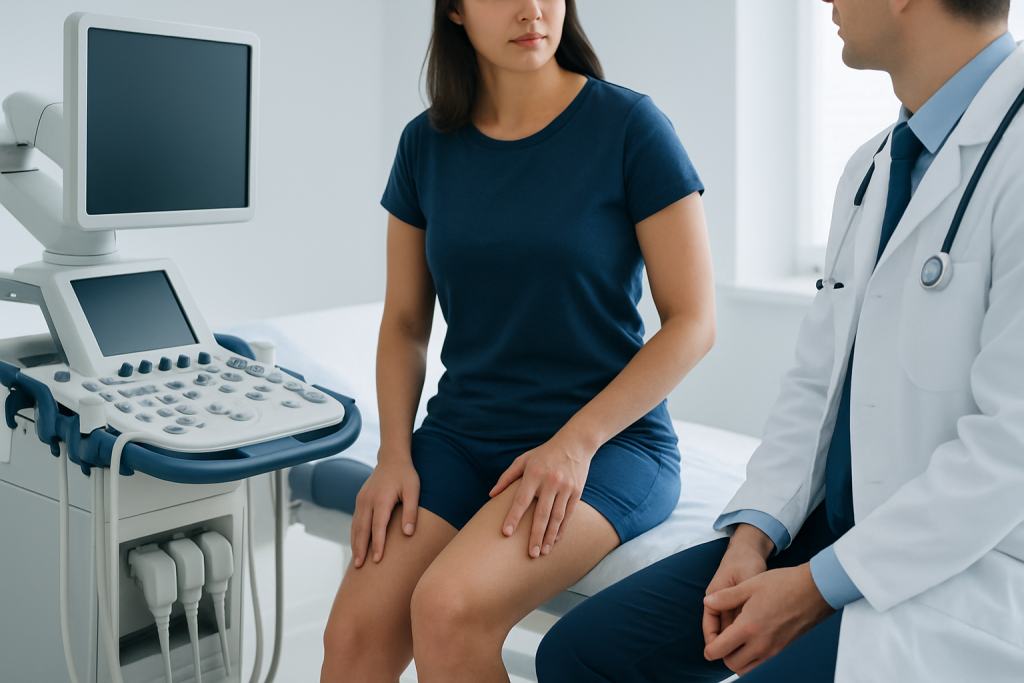
Thigh problems can feel different depending on the structure involved. A strained muscle may cause a pulling pain that worsens with movement, while a nerve issue may produce burning, tingling, numbness, or shooting discomfort. Some people describe heaviness or stiffness rather than pain.
Swelling is another important sign. It may affect one thigh or both, and it can appear with tenderness, warmth, skin color changes, or difficulty moving the leg normally. Bruising after an injury is common, but swelling without a clear reason deserves a closer look, especially if it develops quickly.
Common thigh-related symptoms include:
- Pain during walking, running, squatting, or climbing stairs
- Tightness, cramping, or reduced flexibility
- Numbness or tingling along the outer or front thigh
- Visible swelling, redness, or bruising
- Weakness or a sense that the leg may give way
Some symptoms reflect a problem higher or lower in the body. For example, pain felt in the thigh can begin in the hip or lower back, while thigh swelling can occasionally be linked to circulation or lymphatic conditions. Looking at the whole picture is important.
Causes & Risk Factors

The most common cause of thigh discomfort is muscle strain or overuse. This can happen after sports, heavy lifting, sudden acceleration, or a return to activity after a break. The large thigh muscles are powerful, but they can still be overloaded when training increases too quickly or when flexibility and conditioning are limited.
Other causes include tendon irritation, hip or knee problems that refer pain into the thigh, and nerve-related conditions such as meralgia paresthetica or lumbar spine irritation. Less commonly, thigh swelling or pain may be related to a blood clot, infection, a fracture, or a mass that needs specialist evaluation.
Risk factors vary with the cause, but commonly include:
- Sudden increases in exercise or repetitive strain
- Previous leg, hip, or back injury
- Prolonged sitting, immobility, or long travel
- Obesity or significant changes in body weight
- Poorly fitted clothing or equipment that compresses the outer thigh
- Conditions affecting circulation, nerves, or joint alignment
In patients traveling from abroad, clinicians may also ask about recent flights, long rides, medication use, prior surgeries, or family history of clotting problems. Those details can matter when a thigh symptom is not behaving like a simple strain.
Diagnosis
Diagnosis usually starts with a detailed conversation and a physical examination. A clinician will ask when the symptom began, whether it followed exercise or trauma, what makes it better or worse, and whether there is numbness, fever, weakness, or swelling. They may compare both legs and test movement, tenderness, strength, and sensation.
Depending on the suspected cause, further tests may be recommended. Imaging can help when a tear, fracture, joint problem, or soft tissue injury is suspected. Ultrasound may be used to assess swelling or blood flow, while X-rays, MRI, or other studies may be chosen when symptoms are persistent, unexplained, or complex.
Blood tests are sometimes useful if infection, inflammation, or another systemic condition is suspected. For people arriving from another country, a concise record of prior treatments, medications, and any scans already completed can save time and help the team avoid unnecessary repetition.
Treatment Options
Treatment depends on the cause rather than the symptom itself. A mild muscle strain may improve with rest from aggravating activity, guided stretching, and a gradual return to motion. Rehabilitation can be helpful when strength, balance, or walking mechanics need to be restored.
When pain is linked to nerve irritation, hip or knee mechanics, or an inflammatory issue, treatment may include targeted physical therapy, supportive medication, posture correction, or addressing the underlying condition. If swelling is related to a clot, infection, or other urgent problem, specialist treatment is needed promptly and may involve medication or a procedure.
In some cases, surgery is considered, such as for a severe tear, a fracture, or a structural problem that does not respond to conservative care. The best plan is usually individualized and based on the diagnosis, the person’s activity level, and their recovery goals. International patients often benefit from a coordinated plan that includes clear follow-up instructions before they travel home.
Prevention & Self-care
Many thigh problems can be reduced with steady habits rather than dramatic changes. A warm-up before activity, a sensible increase in training load, and attention to muscle balance can lower the chance of strain. Rest days matter as much as workouts because muscles adapt during recovery.
Self-care is most helpful when the cause is likely to be mild and clearly related to activity. Short-term rest, gentle movement as tolerated, ice or heat when appropriate, and supportive footwear may ease discomfort. If the thigh feels tight after long sitting or travel, regular movement breaks and hydration can also be useful.
Helpful prevention habits include:
- Build exercise intensity gradually
- Strengthen the hips, core, and thighs together
- Stretch after activity if it feels comfortable
- Avoid prolonged immobility when possible
- Seek advice early if symptoms keep returning
For people planning medical travel, bringing comfortable clothing, prior imaging, and a written list of symptoms can make the first consultation more efficient. Good preparation supports better decisions and a smoother recovery plan.
When to See a Doctor
Medical review is advisable when thigh pain does not improve, keeps returning, or interferes with walking, sleep, or daily tasks. It is also important to seek assessment if there is persistent swelling, a lump, unexplained bruising, weakness, or numbness.
Prompt attention is especially important if the thigh becomes red and warm, if pain begins suddenly after an injury, or if there is trouble bearing weight. A clinician should also assess symptoms that follow long travel, recent surgery, or prolonged immobility, since these can sometimes signal a circulation problem.
Even when symptoms are not urgent, a structured evaluation can prevent small issues from becoming longer-term problems. Acibadem Health Point’s multidisciplinary specialists and JCI-accredited hospitals can diagnose and treat thigh-related conditions for international patients in a coordinated setting, with follow-up planning that respects the realities of returning home.
Frequently asked questions
What is the most common cause of thigh pain?
A muscle strain or overuse injury is one of the most common causes, especially after exercise, lifting, or a sudden increase in activity. However, thigh pain can also come from the hip, knee, back, nerves, or blood vessels, so the pattern of symptoms matters.
When is thigh swelling a concern?
Swelling that appears quickly, affects one leg more than the other, or comes with redness, warmth, or pain should be assessed. Swelling after long travel or immobility also deserves attention because circulation problems are one possible cause.
Can thigh numbness be related to a nerve problem?
Yes. Numbness or tingling in the thigh may come from nerve compression or irritation in the lower back, hip, or along the outer thigh. A clinician can help determine whether the cause is muscular, spinal, or another type of nerve issue.
How is a thigh injury usually diagnosed?
Diagnosis starts with a history and physical examination, including checking movement, strength, swelling, and sensation. Imaging or blood tests may be added if the cause is unclear or if a more serious injury or medical condition is suspected.
Should exercise stop completely with thigh pain?
Not always. Mild discomfort related to overuse may improve with temporary rest from the aggravating activity and gentle movement, but severe pain, swelling, weakness, or pain after injury should be evaluated before returning to exercise.
Can thigh problems be treated without surgery?
Many can. Muscle strains, nerve irritation, and some joint-related causes often respond to rehabilitation, activity changes, medication, or other conservative treatment. Surgery is reserved for specific diagnoses or when non-surgical care is not enough.
References
- World Health Organization
- Mayo Clinic
- National Institute of Arthritis and Musculoskeletal and Skin Diseases
- American Academy of Orthopaedic Surgeons
- NHS
This article is for general information only and is not a substitute for professional medical advice. Please consult a qualified doctor about your individual situation.
Explore treatments in Turkey — costs, top hospitals & a free quote
JCI-accredited · board-certified surgeons · reply within 24h
Add us as a Preferred Source to see more of our trusted health content across Google Search, AI Overviews and Discover.
More from the Health Library



Related Specialists

Prof. Dr. Ahmet Alanay
Orthopedic Surgery & Traumatology
Dr. Sinan Aksu
Orthopedic Surgery & Traumatology
Dr. Sirri Baştürk
Orthopedic Surgery & Traumatology
Prof. Dr. Korhan Özkan
Orthopedic Surgery & Traumatology