Symptoms Of Heart Attack In Women
Key Takeaways
- Women may have chest pressure, but they can also develop less typical symptoms such as shortness of breath, nausea, unusual fatigue, or back and jaw pain.
- Heart attack symptoms may come on suddenly or build gradually, and they can appear at rest or during everyday activity.
- Any new, severe, or unexplained chest discomfort or breathing trouble should be treated as an emergency until a doctor says otherwise.
- People with diabetes, high blood pressure, smoking history, high cholesterol, or a family history of heart disease may have higher risk.
- Prompt medical evaluation is the safest choice, especially if symptoms are new, persistent, or different from past experiences.
Heart Attack Symptoms: Causes and Treatment" class="ahp-ilk">Heart attack symptoms in women can be subtle, mixed, or easy to mistake for another problem. Knowing the warning signs helps women and their families seek care quickly, which is essential when every minute matters.
Overview
A heart attack happens when blood flow to part of the heart muscle is blocked long enough to damage the tissue. In women, the early clues may not always look dramatic or “classic,” which is one reason symptoms are sometimes dismissed as indigestion, stress, or fatigue.
That does not mean heart attacks in women are mysterious. It means the warning signs deserve careful attention. Some women do have the familiar crushing chest pain, but others notice pressure, tightness, or discomfort that spreads to the jaw, back, shoulder, or arm. Others feel unwell in ways that seem unrelated to the heart.
For international patients deciding whether to travel for care or seek emergency treatment locally, the safest approach is simple: if symptoms suggest a heart problem, do not wait for them to become “more convincing.” Rapid assessment by a medical team is the most reliable way to protect heart muscle and guide the next steps.
Symptoms
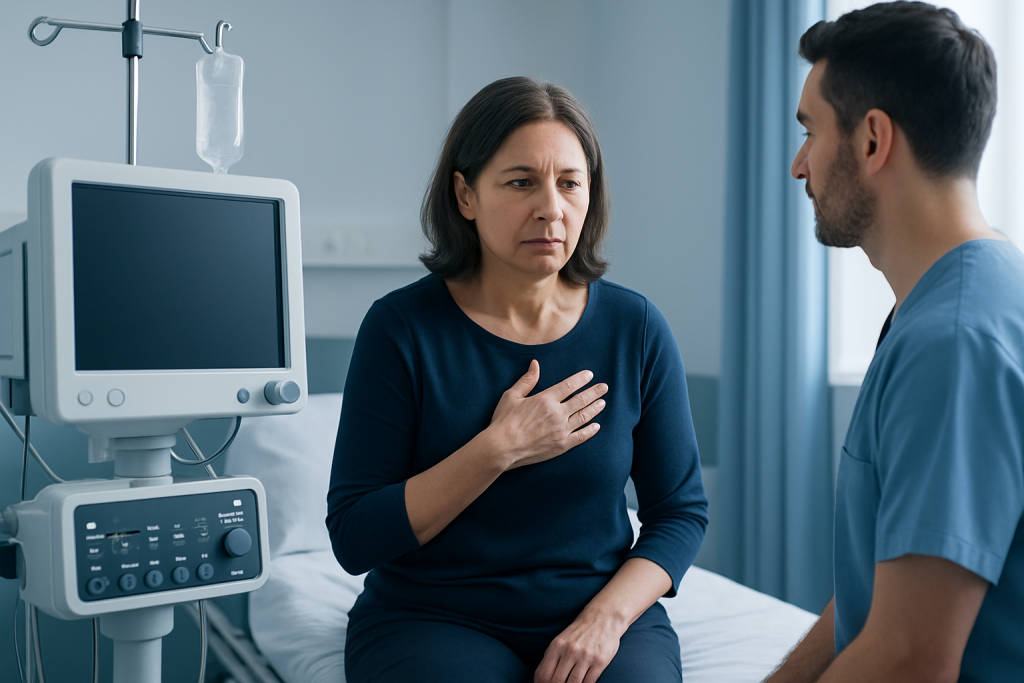
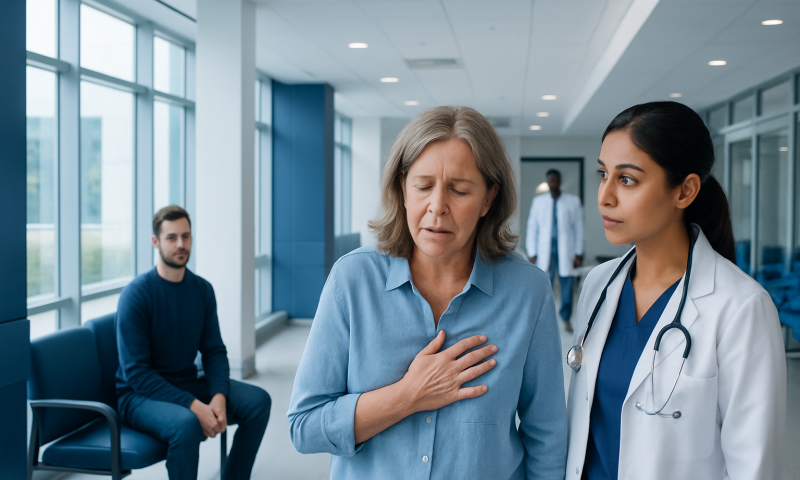
The most recognized symptom of a heart attack is chest discomfort, but women may describe it in several different ways. It may feel like pressure, squeezing, fullness, heaviness, burning, or an uncomfortable tightness rather than sharp pain. The sensation can last more than a few minutes, or it may come and go.
Women are also more likely than many people expect to notice symptoms outside the chest. These can include shortness of breath, nausea, vomiting, unusual sweating, lightheadedness, weakness, or a sudden sense that something is seriously wrong. Some women experience pain or discomfort in the neck, jaw, back, one or both arms, or the upper abdomen.
Other possible warning signs include unusual fatigue that is out of proportion to normal activity, trouble sleeping because of discomfort, or symptoms that appear during routine tasks such as walking, climbing stairs, or carrying groceries. A symptom does not need to be severe to be important; a new and unexplained change can be the key clue.
- Chest pressure, tightness, or heaviness
- Shortness of breath
- Nausea or stomach discomfort
- Pain in the jaw, back, shoulder, neck, or arm
- Sudden sweating, dizziness, or weakness
- Unusual fatigue or a vague feeling of illness
Causes & Risk Factors

A heart attack usually develops when a coronary artery becomes narrowed or blocked, often because of a buildup of fatty deposits called plaque. If a plaque ruptures, a blood clot can form and interrupt blood supply to the heart muscle. The heart then begins to suffer injury, which is why urgent care is needed.
Many of the risk factors are shared by men and women, including high blood pressure, high cholesterol, diabetes, smoking, obesity, physical inactivity, and a family history of heart disease. Risk tends to increase with age, but younger women are not immune, especially when other risks are present.
Women may also face specific health circumstances that influence cardiovascular risk, such as pregnancy-related complications, early menopause, autoimmune disorders, or certain inflammatory conditions. Stress, sleep problems, and delayed recognition of symptoms can make matters worse by postponing treatment.
Diagnosis
When heart attack symptoms are suspected, doctors usually start with a prompt medical history and physical examination. They ask what the person felt, when the symptoms began, what makes them better or worse, and whether the discomfort is still present.
Testing often includes an electrocardiogram, or ECG, to look for changes in the heart’s electrical activity. Blood tests are used to check for heart muscle injury, and imaging studies may be added depending on the situation. In some cases, doctors recommend coronary angiography or other heart imaging to identify the blocked artery and plan treatment.
Because symptoms in women can be less specific, diagnosis depends on the full clinical picture rather than one single clue. That is another reason not to “wait and see” at home when symptoms are worrying. A careful evaluation can distinguish a heart attack from other conditions that may feel similar, such as reflux, gallbladder disease, anxiety, or muscle pain.
Treatment Options
Heart attack treatment focuses on restoring blood flow as quickly as possible and limiting damage to the heart muscle. In the emergency setting, this may involve medications, oxygen if needed, and procedures to open the blocked artery. The exact approach depends on the type of heart attack, how soon the person arrives, and their overall health.
Many patients undergo coronary angioplasty with stent placement, a catheter-based procedure that helps reopen the blocked vessel. Some people need additional medications to reduce clotting, ease symptoms, or stabilize heart function. If the arteries are affected in more than one area, or if anatomy is complex, doctors may recommend bypass surgery instead of or after other interventions.
After the urgent phase, treatment continues with recovery and prevention. This may include cardiac rehabilitation, medicines to manage blood pressure or cholesterol, lifestyle changes, and follow-up visits. For women traveling from abroad, discharge planning should also include a clear follow-up schedule and guidance on where to seek care if symptoms recur after returning home.
Prevention & Self-care
Prevention begins with knowing personal risk and acting on it early. Regular checkups for blood pressure, cholesterol, blood sugar, and heart-related symptoms help identify problems before they become emergencies. Women with pregnancy-related hypertension, gestational diabetes, or a family history of early heart disease should mention this to their doctor.
Everyday habits also matter. A heart-friendly pattern usually includes not smoking, staying active in a way that matches current fitness level, eating a balanced diet, sleeping enough, and finding realistic ways to manage stress. These steps do not replace medical treatment, but they support long-term heart health.
Self-care also means taking new symptoms seriously. If a woman has had heartburn, anxiety, or muscle strain in the past, that history should not be used to rule out a heart attack when something feels different. It is safer to seek medical advice than to assume the symptom is harmless.
When to See a Doctor
Emergency care is needed if chest discomfort lasts more than a few minutes, returns repeatedly, or comes with shortness of breath, fainting, sweating, nausea, or pain in the arm, jaw, back, or shoulder. The same is true for sudden weakness or an intense sense of being unwell without a clear cause.
Call emergency services right away rather than driving yourself if symptoms are severe, worsening, or occurring with collapse, confusion, or difficulty breathing. If the symptoms stop, medical evaluation is still important, because heart-related events can be intermittent and still dangerous.
For women who are already being treated for heart disease, new or changing symptoms should be reported promptly, even if they seem mild. Early communication can prevent delays in care and help doctors decide whether medication changes, testing, or urgent evaluation are needed. Acibadem Health Point’s multidisciplinary specialists and JCI-accredited hospitals also diagnose and treat heart conditions for international patients who need coordinated care abroad.
Living After a Heart Attack
Recovery does not end when the hospital stay ends. Many women benefit from a structured plan that includes medication review, gradual return to activity, cardiac rehabilitation, and follow-up testing as recommended. This phase is especially important because heart attacks can affect confidence, sleep, and emotional well-being as well as physical health.
Questions are common after discharge: Can normal routines be resumed? Is travel safe? What symptoms should trigger a return visit? Clear instructions from the cardiology team make those decisions easier. International patients should leave with written guidance that they can share with their local doctor once they are home.
With the right treatment and ongoing support, many women recover well and reduce future risk. The key is not to normalize warning signs or postpone evaluation. Heart health is often protected by the small decision to ask for help early.
Frequently asked questions
Do heart attack symptoms in women always include chest pain?
No. Chest pain or pressure is common, but some women mainly notice shortness of breath, nausea, fatigue, back pain, jaw discomfort, or dizziness. Any new or unexplained symptom that raises concern should be evaluated promptly.
Can a woman have a heart attack and still talk or walk around?
Yes. Some heart attacks begin with symptoms that are mild enough for a person to keep moving or talking. Even if the symptoms seem manageable, they should not be ignored if they are new or unusual.
How are heart attack symptoms different from anxiety or indigestion?
There can be overlap, which is why symptoms should not be guessed at from home. If discomfort is severe, persistent, associated with sweating or breathlessness, or feels different from past episodes, medical evaluation is the safer choice.
Which women are at higher risk for a heart attack?
Risk is higher in women with high blood pressure, diabetes, high cholesterol, smoking history, obesity, or a family history of heart disease. Pregnancy complications, autoimmune disease, and early menopause can also increase risk in some women.
What should someone do first if a heart attack is suspected?
Call emergency services immediately. Do not drive to the hospital alone if symptoms are significant, because the situation can change quickly and emergency responders can begin care sooner.
Can symptoms go away and still be a heart attack?
Yes. Heart attack symptoms can come and go, especially early on. Even if the discomfort settles, it is still important to get urgent medical evaluation so the cause can be identified safely.
References
- American Heart Association
- National Heart, Lung, and Blood Institute
- World Health Organization
- Mayo Clinic
- Centers for Disease Control and Prevention
This article is for general information only and is not a substitute for professional medical advice. Please consult a qualified doctor about your individual situation.
Persistent digestive symptoms? Get evaluated in Turkey
JCI-accredited · board-certified surgeons · reply within 24h
Add us as a Preferred Source to see more of our trusted health content across Google Search, AI Overviews and Discover.