Sympathetic Nervous System

Key Takeaways
- The sympathetic nervous system is part of the autonomic nervous system and helps the body respond to stress, movement, and danger.
- Symptoms of imbalance can include palpitations, sweating, tremor, lightheadedness, and changes in blood pressure.
- Many different issues can affect this system, including stress, illness, medication effects, and certain nerve disorders.
- Diagnosis usually focuses on the full symptom pattern, medical history, examination, and targeted tests.
- Treatment depends on the cause and may include lifestyle measures, medication review, and specialist care when needed.
Medically reviewed by the Acıbadem clinical team — August 19, 2026
The sympathetic nervous system is the body’s built-in alert system, helping heart rate, breathing, and circulation adjust to stress or activity. When it is overactive or not working smoothly, symptoms can affect daily comfort, sleep, and overall well-being.
Overview
The sympathetic nervous system is one part of the body’s autonomic nervous system, the network that manages functions people do not consciously control. It helps prepare the body for action by increasing alertness, adjusting blood flow, and helping muscles and organs respond to physical or emotional demands.
In everyday language, it is often described as the body’s “fight or flight” system. That description is useful, but it is only part of the story. The sympathetic system is active not only during stress, but also during exercise, standing up, waking in the morning, and any situation where the body needs to maintain stability.
Because this system works closely with the parasympathetic nervous system, symptoms may appear when the balance between the two is disrupted. Some people notice this as a racing heart, sweating, shakiness, or feeling “on edge,” while others experience more subtle issues such as fatigue, dizziness, or poor heat tolerance.
Symptoms
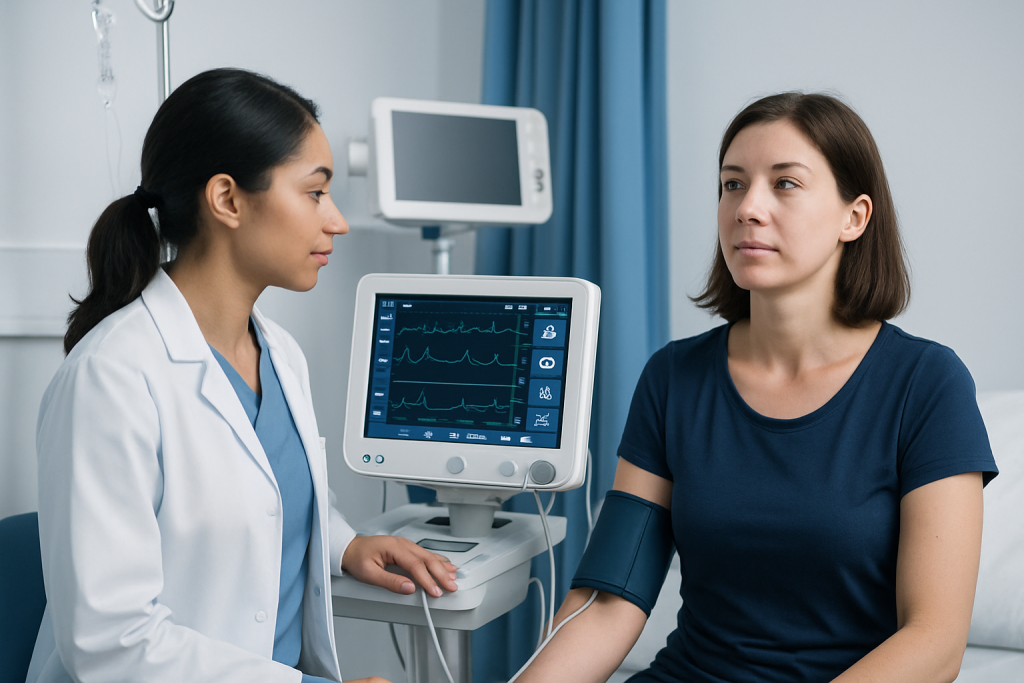
When the sympathetic nervous system is more active than usual, the body may feel as if it is constantly preparing for a challenge. Common symptoms include a fast heartbeat, palpitations, sweating, trembling, dry mouth, and a sense of restlessness or tension.
Other signs may be less obvious. Some people notice that their hands are cold, their pupils feel unusually sensitive to light, or they struggle to settle down after minor stress. Sleep may also become lighter or less refreshing if the body remains in a heightened state for long periods.
- Palpitations or rapid pulse
- Excess sweating
- Tremor or shakiness
- Lightheadedness, especially on standing
- Anxiety-like body sensations
- Changes in blood pressure or temperature regulation
Symptoms do not always mean the sympathetic system is the sole cause. Similar sensations can occur with thyroid disorders, heart rhythm problems, dehydration, anemia, infections, medication side effects, or anxiety disorders, so a proper assessment matters.
Causes & Risk Factors

A temporary increase in sympathetic activity is normal during stress, pain, exercise, fever, or lack of sleep. The system becomes a concern when symptoms are frequent, disproportionate, or linked to an underlying medical condition.
Potential causes include chronic stress, stimulant use, dehydration, poor sleep, blood sugar fluctuations, certain medications, hormone-related conditions, and disorders affecting autonomic nerve control. In some patients, symptoms are part of dysautonomia, a broader term for problems regulating involuntary body functions.
Risk factors are often related to the person’s overall health context rather than one single cause. These may include recent illness, long-distance travel with sleep disruption, prolonged inactivity, recovery after surgery, or pre-existing neurologic, endocrine, or cardiovascular conditions. For international patients, it is especially helpful to bring a clear medication list and prior test results, since small differences in treatment history can change the next steps.
Diagnosis
Diagnosis usually begins with a detailed discussion of symptoms: when they started, what makes them better or worse, and whether they happen at rest, during standing, or during exertion. A clinician will also review medications, caffeine or nicotine use, recent illness, hydration, sleep, and family history.
Physical examination may include blood pressure and pulse measurements in different positions, listening to the heart, and checking for signs that point to another condition. Depending on the presentation, tests may be used to rule out common causes such as thyroid disease, anemia, infection, diabetes-related issues, or heart rhythm problems.
Additional evaluation can include an electrocardiogram, blood tests, or autonomic testing in selected cases. If symptoms are complex or long-standing, specialists may coordinate care across neurology, cardiology, and endocrinology to identify whether the sympathetic system is overactive, underperforming, or reacting to another problem in the body.
Treatment Options
Treatment depends on the cause, not just the symptom itself. If a medication, dehydration, sleep loss, or another reversible factor is driving the problem, addressing that trigger may significantly improve the way the body regulates its stress response.
For some patients, treatment begins with practical measures such as fluid intake guidance, gradual activity adjustment, posture strategies, stress reduction, or changes to sleep habits. When appropriate, a doctor may consider medication to manage a fast heart rate, blood pressure instability, anxiety-related physical symptoms, or another underlying condition. Any medicine plan should be individualized, especially when more than one organ system is involved.
When symptoms reflect an autonomic disorder or another neurologic condition, specialist care may be needed over time. In those cases, the goal is usually not to “switch off” the sympathetic system, but to restore balance, reduce symptom spikes, and help the person function more comfortably in daily life and during travel, work, or recovery.
Prevention & Self-care
Not every cause can be prevented, but many people benefit from habits that keep the nervous system steadier. Regular sleep, hydration, balanced meals, and paced physical activity all support more predictable autonomic function.
It can also help to notice patterns. Some people are more symptomatic after caffeine, nicotine, dehydration, skipped meals, hot environments, or emotional strain. Keeping a simple symptom diary can make those patterns easier to identify, which is especially useful before a specialist appointment or an international trip for care.
- Maintain consistent sleep and wake times when possible
- Drink enough fluids, especially in hot weather or while traveling
- Limit stimulants if they worsen symptoms
- Rise slowly from sitting or lying positions
- Use gentle, regular exercise rather than sudden bursts after inactivity
- Follow the clinician’s guidance on medications and follow-up
Self-care is supportive, not a substitute for diagnosis when symptoms are new, severe, or persistent. A patient-friendly plan works best when it is practical enough to continue after returning home, with clear instructions for follow-up care across borders if needed.
When to See a Doctor
Medical evaluation is wise if palpitations, sweating, shakiness, dizziness, or blood pressure changes are frequent, worsening, or interfering with daily life. Symptoms that appear after a new medication, an illness, or a period of dehydration should also be reviewed.
A doctor should be contacted promptly if symptoms are accompanied by chest pain, fainting, severe shortness of breath, new weakness, confusion, or a very irregular heartbeat. Those features can point to conditions that need urgent attention and should not be dismissed as simple stress.
For people traveling for care, it helps to seek evaluation early enough to allow testing, a treatment discussion, and a safe return plan. Acibadem Health Point’s multidisciplinary specialists and JCI-accredited hospitals diagnose and treat conditions affecting the sympathetic nervous system for international patients, with coordinated follow-up designed to support continuity after discharge.
Living With Sympathetic Nervous System Problems
Living with symptoms linked to sympathetic imbalance can be frustrating because the body may feel unpredictable. Many patients describe a mismatch between how they feel internally and how “normal” they appear on the outside, which can make it harder to explain the problem to others.
Good care focuses on both the medical cause and the practical impact. That may mean pacing daily activity, adjusting work or travel schedules, tracking triggers, and having a clear plan for symptom flares. When the person understands what is happening, symptoms often feel less frightening and easier to manage.
Recovery and long-term management are usually more successful when the patient, family, and care team share the same expectations. The aim is steadier function, fewer flare-ups, and a treatment plan that fits real life rather than a one-size-fits-all approach.
Frequently asked questions
What does the sympathetic nervous system do?
It helps the body respond quickly to stress, movement, and other demands by raising heart rate, adjusting blood pressure, and increasing alertness. It is part of the autonomic nervous system, which controls involuntary functions.
Can stress cause sympathetic nervous system symptoms?
Yes. Short-term stress can activate this system normally, but ongoing stress may make symptoms such as palpitations, sweating, and muscle tension more noticeable. If symptoms are frequent or severe, another cause should also be considered.
How is sympathetic nervous system overactivity diagnosed?
Doctors usually start with a history, physical examination, and tests to rule out common conditions such as thyroid disease, anemia, dehydration, or heart rhythm problems. In selected cases, autonomic testing or specialist evaluation may be helpful.
Can lifestyle changes help?
Often, yes. Hydration, regular sleep, gradual exercise, and avoiding triggers like excess caffeine can make symptoms more manageable. The best plan depends on the cause and should be discussed with a clinician.
Is it dangerous to have sympathetic symptoms like palpitations or sweating?
Not always, but new or persistent symptoms should be assessed because they can overlap with heart, hormone, or nerve conditions. If symptoms come with chest pain, fainting, or severe shortness of breath, urgent medical attention is important.
Can the sympathetic nervous system be treated directly?
Treatment usually targets the underlying cause and the symptoms it produces. Some people need lifestyle support, while others benefit from medication or specialist care to restore better autonomic balance.
References
- National Institute of Neurological Disorders and Stroke
- National Heart, Lung, and Blood Institute
- Merck Manual Professional Edition
- Mayo Clinic
- Cleveland Clinic
This article is for general information only and is not a substitute for professional medical advice. Please consult a qualified doctor about your individual situation.
Explore treatments in Turkey — costs, top hospitals & a free quote
JCI-accredited · board-certified surgeons · reply within 24h
Add us as a Preferred Source to see more of our trusted health content across Google Search, AI Overviews and Discover.