Sinus Tachycardia: Symptoms, Causes and Treatment

Key Takeaways
- Sinus tachycardia is a rapid rhythm that begins in the sinus node, the heart’s natural pacemaker.
- It is often a normal response to exercise, anxiety, pain, dehydration, fever, or caffeine.
- Persistent or unexplained sinus tachycardia may point to anemia, thyroid disease, infection, medication effects, or heart-related issues.
- Diagnosis usually includes an ECG and may involve blood tests, heart monitoring, and evaluation for triggers.
- Treatment focuses on the underlying cause rather than simply slowing the pulse.
- Urgent medical assessment is appropriate if a fast heartbeat comes with chest pain, fainting, severe shortness of breath, or confusion.
Medically reviewed by the Acıbadem clinical team — August 19, 2026
Sinus tachycardia is a fast heart rate that starts from the heart’s natural pacemaker and is often a normal response to stress, exercise, fever, or other triggers. In some cases, it can signal an underlying condition that deserves medical attention.
Overview
Sinus tachycardia means the heart is beating faster than expected while still following a normal electrical pattern that begins in the sinus node, the heart’s built-in pacemaker. In many situations, this is the body’s way of responding to a need for more oxygen or a temporary stress such as exercise, pain, fever, or emotional strain.
For many people, a fast pulse is short-lived and harmless. The key question is not only how fast the heart is beating, but why it is doing so. A clinician will usually look for an obvious trigger first, then consider whether the faster rate is a clue to an underlying medical issue that should be treated.
For international patients planning care away from home, this distinction matters. A brief, expected rise in heart rate may need reassurance and observation, while persistent or unexplained tachycardia may deserve a broader evaluation, especially if symptoms are ongoing or travel itself has been stressful or physically demanding.
Symptoms
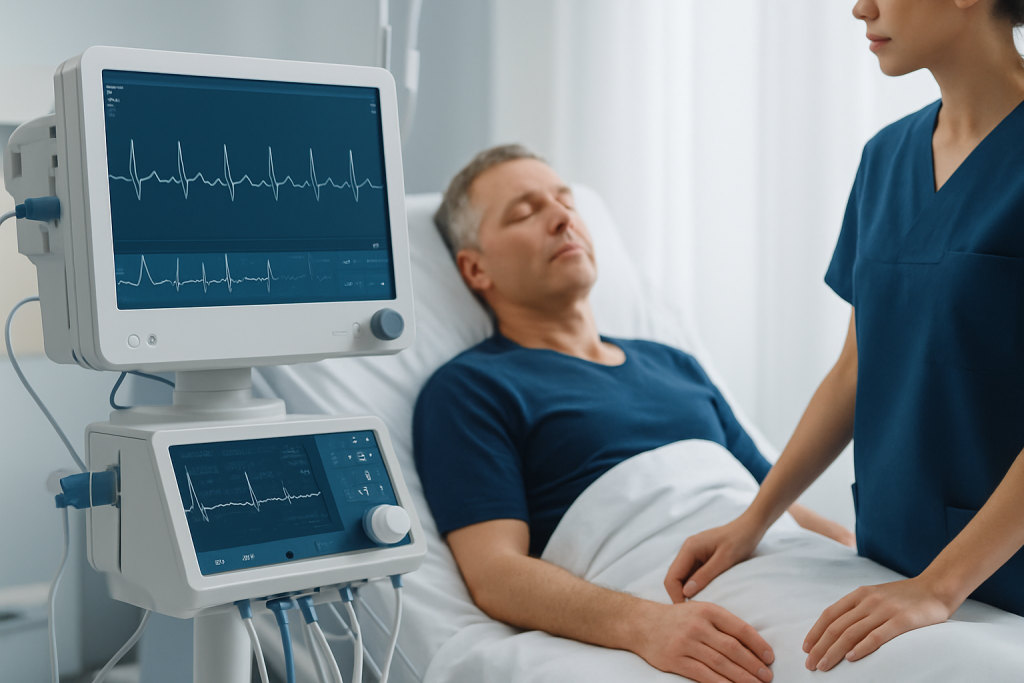
Some people notice sinus tachycardia right away, while others only learn about it during an exam or monitoring. The heartbeat may feel rapid, forceful, fluttering, or simply “aware” in the chest. The pulse can also seem more noticeable at rest, after standing, or during periods of worry.
Depending on the cause, sinus tachycardia may come with other symptoms such as:
- Shortness of breath
- Dizziness or lightheadedness
- Fatigue or reduced exercise tolerance
- Chest discomfort
- Feeling anxious or shaky
- Fever, sweating, or signs of dehydration
It is important to remember that the symptoms do not always come from the heart itself. A fast rate may be the body’s response to pain, infection, blood loss, thyroid imbalance, anemia, low fluid intake, or stimulant use. That is why a careful history and exam are so important.
Causes & Risk Factors

Sinus tachycardia usually develops when the body needs the heart to move blood more quickly. Common, everyday triggers include exercise, emotional stress, fever, caffeine, nicotine, dehydration, and poor sleep. In these cases, the rhythm is often appropriate and resolves when the trigger settles.
Persistent sinus tachycardia may be linked to a medical condition or circumstance that places extra demand on the body. Examples include infection, anemia, hyperthyroidism, lung disease, pain, blood loss, low blood pressure, heart failure, medication effects, and withdrawal from certain substances. Pregnancy can also raise the heart rate naturally, though clinicians still look for causes if the rate seems excessive or symptoms are troublesome.
Risk is higher when several stressors overlap. A person who is unwell, under-hydrated, sleep-deprived, and taking a stimulant-containing medication may develop a heart rate that stays elevated longer than expected. In travel settings, long flights, jet lag, limited fluid intake, and unfamiliar routines can also make an already sensitive system more reactive.
Diagnosis
Diagnosis starts with confirming that the rhythm is sinus tachycardia and not another type of fast heartbeat. An electrocardiogram (ECG) is the main test for this, because it shows whether the heartbeat is originating from the sinus node in a normal pattern. Clinicians also review the heart rate in context, since a rapid pulse during fever or exertion has a different meaning from one that appears at rest.
After that, the search usually shifts to the cause. A doctor may ask about recent illness, stress, hydration, caffeine, alcohol, smoking, medications, supplements, and any history of thyroid disease, anemia, or heart and lung conditions. Blood tests, oxygen assessment, and heart monitoring may be used when the reason is not obvious or when symptoms suggest another problem.
For people seeking care internationally, the diagnostic process may be spread across more than one appointment. A clear written summary of symptoms, prior ECGs, medication lists, and recent test results can make follow-up more efficient and reduce the chance of unnecessary duplication after travel.
Treatment Options
Treatment depends on the reason the heart rate is elevated. If the tachycardia is a normal response to exercise, stress, or fever, the main step is to address the trigger and allow the rate to return to baseline. If dehydration is contributing, fluids may help; if a medicine is involved, a clinician may adjust or replace it.
When an underlying condition is found, treatment is directed at that condition. That may include managing infection, correcting anemia, treating thyroid disorders, improving pain control, or addressing heart or lung disease. In many cases, once the cause improves, the heart rate settles without needing specific rhythm treatment.
Some people have persistent sinus tachycardia without a clear, reversible trigger. In such cases, a cardiologist may consider longer monitoring, lifestyle adjustments, or medications in selected patients. The choice is individualized, since slowing the heart rate too much is not always helpful if the body is compensating for another condition.
Prevention & Self-care
Not every episode of sinus tachycardia can be prevented, but everyday habits can reduce avoidable triggers. Adequate hydration, regular sleep, balanced meals, and moderation with caffeine, nicotine, and alcohol may help the heart respond more calmly to daily stressors. Gentle conditioning exercise, introduced gradually, can also improve tolerance over time.
People who already know certain triggers—such as anxiety, overheating, or specific medications—often benefit from planning ahead. Breathing exercises, pacing activities, and staying cool in hot weather can lower the chance that the pulse climbs unnecessarily. When traveling, it may help to carry a medication list, keep fluids accessible, and avoid stacking several stimulants or sedating substances together.
Self-care should support, not replace, medical evaluation when symptoms are persistent or changing. If a person is repeatedly checking a pulse and finding it high at rest, it is more useful to document when it happens, what was happening beforehand, and whether there were associated symptoms. That pattern often gives clinicians the clearest clues.
When to See a Doctor
Medical review is recommended when a fast heartbeat is new, recurring, unexplained, or lasting longer than expected after rest. A clinician should also be consulted if the person has a known heart, lung, or thyroid condition, or if the rapid pulse is interfering with daily life, sleep, or exercise.
Urgent assessment is appropriate if sinus tachycardia occurs with chest pain, fainting, severe shortness of breath, marked weakness, confusion, or a sense that something is seriously wrong. These symptoms do not automatically mean a dangerous heart problem, but they do deserve prompt evaluation.
For international patients, it can be reassuring to know that a structured cardiology assessment can often be arranged with the help of multidisciplinary teams. Acibadem Health Point’s multidisciplinary specialists and JCI-accredited hospitals diagnose and treat sinus tachycardia for international patients, with attention to both the immediate symptoms and the underlying cause that needs follow-up after travel.
Living With Sinus Tachycardia
Living with sinus tachycardia is often about recognizing patterns rather than fearing every increase in pulse. Many people find that once the trigger is identified, the condition becomes much easier to manage. In those situations, education, follow-up, and realistic expectations are as important as medication or testing.
If the fast heartbeat is linked to a chronic condition, ongoing monitoring may be helpful. The goal is to understand how the heart responds over time, whether symptoms are improving, and whether treatment for the underlying issue is working. A calm, stepwise plan can be especially helpful for people coordinating care across countries or returning home after treatment.
When the cause is clear and the symptoms are mild, sinus tachycardia is often managed successfully with observation and trigger control. When the cause is not clear, a thorough medical evaluation can provide both reassurance and direction.
Frequently asked questions
What does sinus tachycardia mean?
It means the heart is beating faster than usual, but the rhythm is still starting from the sinus node, which is the heart’s natural pacemaker. The fast rate may be a normal response to exercise, stress, fever, or another trigger.
Is sinus tachycardia dangerous?
Not always. In many cases it is a normal and temporary response, but persistent or unexplained tachycardia can signal an underlying condition that should be checked by a doctor.
Can anxiety cause sinus tachycardia?
Yes, anxiety can raise the heart rate through the body’s stress response. If the fast pulse keeps happening at rest or comes with other symptoms, it is still worth discussing with a clinician so other causes are not missed.
How is sinus tachycardia diagnosed?
A doctor usually starts with an ECG to confirm the rhythm, then looks for triggers or medical causes with a history, exam, and sometimes blood tests or heart monitoring. The goal is to identify why the heart rate is elevated, not only to measure how fast it is.
Does sinus tachycardia always need medication?
No. If the cause is exercise, fever, dehydration, or another temporary trigger, treatment may focus on correcting that issue. Medication is considered only in selected cases and usually after the underlying cause has been reviewed.
When should a fast heartbeat be checked urgently?
Urgent care is appropriate if the fast heartbeat comes with chest pain, fainting, severe shortness of breath, confusion, or sudden major weakness. These symptoms need prompt medical assessment.
References
- American Heart Association
- Mayo Clinic
- National Heart, Lung, and Blood Institute
- Merck Manual Professional Edition
- Cleveland Clinic
This article is for general information only and is not a substitute for professional medical advice. Please consult a qualified doctor about your individual situation.
Explore treatments in Turkey — costs, top hospitals & a free quote
JCI-accredited · board-certified surgeons · reply within 24h
Add us as a Preferred Source to see more of our trusted health content across Google Search, AI Overviews and Discover.