Groin Area

Key Takeaways
- The groin area can be affected by muscles, skin, lymph nodes, nerves, joints, or organs, so the cause is not always obvious.
- Pain, swelling, a lump, rash, or tenderness may point to different conditions and need different evaluations.
- Many groin issues improve with rest and targeted care, but persistent, worsening, or one-sided swelling should be checked by a doctor.
- Diagnosis may involve a physical exam, imaging, urine tests, blood tests, or referral to a specialist depending on the symptoms.
- Early assessment is especially helpful when groin symptoms follow an injury, come with fever, or are linked to a visible bulge.
Problems in the groin area can range from temporary muscle strain to skin irritation, swollen lymph nodes, hernias, or joint-related pain. Understanding where the discomfort is coming from helps a doctor choose the right exam and treatment plan.
Overview
The groin area is the fold where the lower abdomen meets the upper thigh. It contains muscles, tendons, lymph nodes, blood vessels, nerves, and parts of the reproductive and urinary systems, which is why symptoms there can feel confusing and overlap.
Some people notice a sharp pull during exercise, while others describe a dull ache, a tender lump, or discomfort that appears when coughing, lifting, or walking. Because the groin connects several body structures, the same symptom can have more than one possible explanation.
For international patients, that variety matters when planning care from afar. A clear description of when the pain started, what makes it worse, and whether there is swelling or a rash can help a specialist decide whether the issue is likely muscular, skin-related, vascular, or something that needs imaging or a surgical opinion.
Symptoms
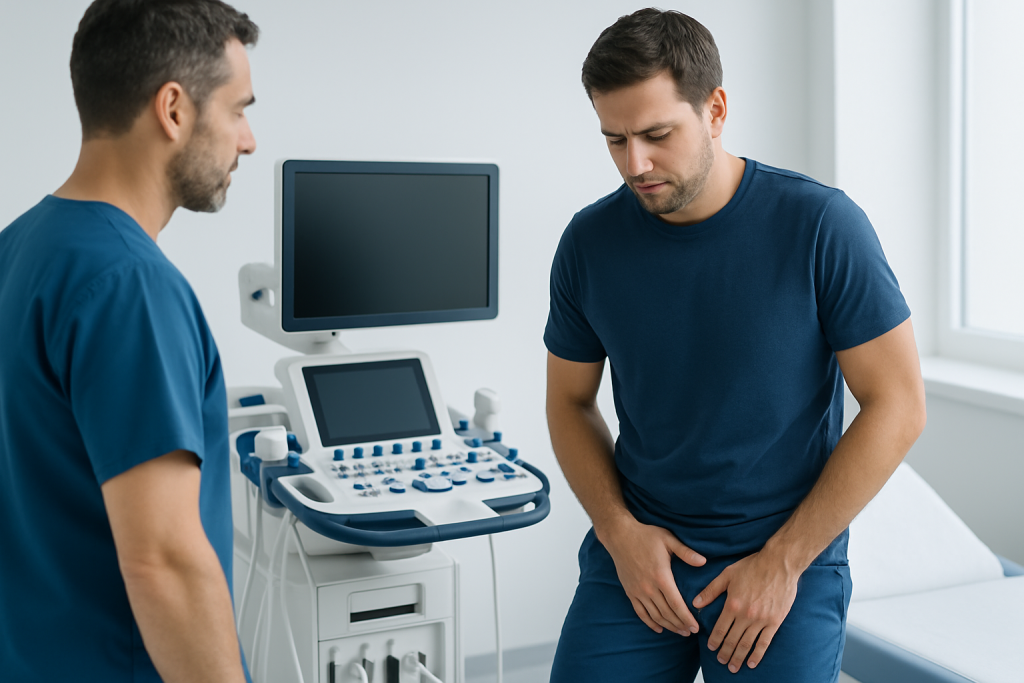
Groin symptoms are often described by location as much as by sensation. A person may feel pain on one side, heaviness in the crease, burning, tightness, or a pulling sensation that appears during movement.
Other common signs include a lump or bulge, redness, warmth, itching, visible swelling, or tenderness when pressing on the area. Some conditions cause pain that spreads into the inner thigh, lower abdomen, hip, scrotum, or labia.
It is useful to notice the pattern of symptoms rather than the symptom alone. For example, pain that worsens with activity may suggest a muscle or tendon problem, while a lump that becomes more noticeable when standing or coughing may point toward a hernia.
- Pain during walking, running, or changing direction
- A bulge that appears with strain
- Skin irritation, rash, or boils
- Tender lymph nodes after infection or inflammation
- Discomfort with urination, bowel movements, or sexual activity
Causes & Risk Factors
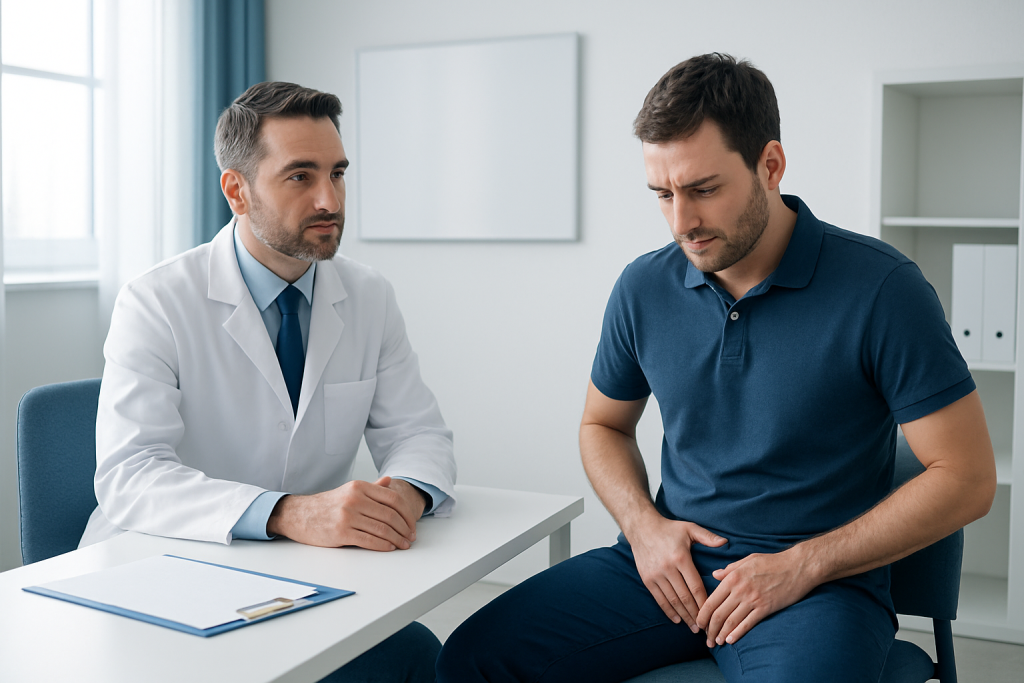
The groin area can be affected by many different conditions. Muscle strain from sports or lifting is common, but doctors also consider hernias, swollen lymph nodes, skin infections, arthritis of the hip, kidney stones, urinary infections, and sexually transmitted infections depending on the full picture.
In some people, the problem starts after a clear trigger such as a workout, a fall, shaving, or a recent infection. In others, symptoms build gradually and may be linked to repetitive movement, obesity, heavy lifting, pregnancy, prior surgery, or chronic conditions that affect the immune system.
Age and anatomy also matter. In children, swollen nodes or hernias may be more relevant; in adults, hip joint issues or skin infections may be higher on the list; and in people with a testicular or vulvar anatomy, pain may sometimes come from nearby structures rather than the groin itself.
- Sports that involve sprinting, kicking, or sudden direction changes
- Heavy lifting or straining
- Recent infection or skin irritation
- Pregnancy or increased abdominal pressure
- Prior groin surgery or weak abdominal wall
Diagnosis
Evaluation usually begins with a careful medical history and physical examination. A doctor may ask exactly where the pain is located, whether there is a lump, how the symptoms change with coughing or movement, and whether fever, urinary symptoms, or skin changes are present.
Because the groin overlaps with several body systems, testing is chosen based on the suspected cause. Imaging such as ultrasound is often helpful for a bulge, swollen lymph nodes, or scrotal or soft-tissue concerns, while X-rays or MRI may be used if the hip or muscles are suspected.
Urine tests, blood tests, or swabs may be recommended if infection is possible. If symptoms are complex or ongoing, a doctor may refer the patient to a surgeon, urologist, gynecologist, orthopedic specialist, or dermatologist so the right problem is not missed.
Treatment Options
Treatment depends entirely on the cause. A mild muscle strain may improve with rest, activity modification, ice or heat, and guided return to movement, while a skin infection may need topical or oral medication prescribed by a clinician.
Hernias often require a surgical assessment, especially when they are painful, enlarging, or difficult to push back in. Swollen lymph nodes may settle once the underlying infection or inflammation is treated, but persistent enlargement deserves review rather than guessing at home.
When the groin pain is related to the hip, pelvis, or pelvic floor, treatment may include physical therapy, posture and movement changes, anti-inflammatory measures if appropriate, or a procedure in selected cases. The goal is to match the treatment to the source rather than treating all groin pain the same way.
- Rest and temporary reduction of strain
- Physical therapy or rehabilitation exercises
- Prescription medicines when infection or inflammation is present
- Procedural or surgical care for hernias or selected structural problems
- Follow-up exams to monitor recovery or confirm healing
Prevention & Self-care
Not every groin problem can be prevented, but sensible habits can reduce strain and help new symptoms settle more comfortably. Warming up before exercise, using proper lifting technique, and increasing training intensity gradually are practical ways to protect the muscles and tendons in the area.
Good skin care also matters. Keeping the area clean and dry, avoiding friction from tight clothing, and not picking at boils or irritated bumps may reduce the chance of worsening a rash or infection.
For people traveling for care, self-care includes careful planning rather than self-treatment alone. Bringing prior imaging, medication lists, and a timeline of symptoms makes it easier for the receiving team to continue care smoothly, especially if return travel or remote follow-up will be needed.
- Build exercise intensity gradually
- Use supportive clothing for sports if recommended
- Pay attention to hydration and recovery after activity
- Seek early care for infections or skin changes
- Keep a brief symptom diary before a medical visit
When to See a Doctor
Medical review is important if groin pain lasts more than a few days, keeps returning, or interferes with walking, exercise, work, or sleep. A visible lump, especially one that changes with coughing or standing, should be assessed rather than assumed to be harmless.
Prompt evaluation is also sensible when groin symptoms follow an injury, appear with fever, nausea, urinary problems, testicular pain, vaginal discharge, or rapidly increasing swelling. These details help the clinician decide whether the cause is urgent or can be managed in a planned outpatient setting.
If the problem is being evaluated from another country, bringing written reports, photos of any rash or swelling, and recent test results can help the specialist get to the answer faster. Acibadem Health Point’s multidisciplinary specialists and JCI-accredited hospitals diagnose and treat groin-area conditions for international patients with coordinated, patient-centered care.
In general, a doctor visit is a good next step whenever a person is unsure whether the symptom is muscular, skin-related, or a hernia, since those possibilities need different treatment paths.
Living with Groin Symptoms During Recovery
Recovery is often smoother when activity is adjusted instead of stopped completely for long periods. Once a doctor confirms the cause, patients are usually given a plan that balances movement, rest, and follow-up so the area can heal without unnecessary strain.
It can help to note whether pain is improving in a straight line or changing with certain movements, clothing, or exercise. That information is especially valuable during telehealth check-ins or after returning home from Varicose Vein Treatment Abroad: When Stockings Are Enough and When Procedures Help More" class="ahp-ilk">treatment abroad.
With the right diagnosis, most groin conditions can be managed effectively, and many improve significantly once the underlying issue is addressed. The key is to avoid guessing, because the groin can signal more than one type of problem at the same time.
Frequently asked questions
What is the groin area exactly?
The groin area is the fold where the lower abdomen meets the upper thigh. It contains muscles, lymph nodes, nerves, blood vessels, and nearby parts of the urinary and reproductive systems, so symptoms there can come from different sources.
Is groin pain usually a muscle strain?
A muscle strain is a common cause, especially after sports or lifting, but it is not the only one. Hernias, swollen lymph nodes, skin infections, hip problems, and urinary or genital conditions can also cause pain in this area.
When is a groin lump concerning?
A lump should be checked if it is new, painful, growing, hard, or linked to fever or redness. A bulge that appears with coughing or standing may suggest a hernia and should be evaluated by a doctor.
Can groin pain go away on its own?
Mild strain or irritation may improve with rest and time. If the pain lasts, worsens, or keeps returning, a medical evaluation is important to find the cause and avoid delayed treatment.
What tests are used for groin problems?
A doctor may start with a physical exam and then choose ultrasound, X-ray, MRI, urine tests, blood tests, or other studies depending on the symptoms. The goal is to match the test to the most likely cause rather than ordering everything at once.
Should groin symptoms be checked by a specialist?
Sometimes yes, especially when the cause is not clear or when imaging or surgery may be needed. Depending on the symptoms, a surgeon, urologist, gynecologist, orthopedic specialist, or dermatologist may be involved.
References
- Mayo Clinic
- Cleveland Clinic
- National Health Service (NHS)
- Merck Manual Professional Edition
- American Academy of Orthopaedic Surgeons
This article is for general information only and is not a substitute for professional medical advice. Please consult a qualified doctor about your individual situation.