Radiofrequency Ablation

Key Takeaways
- Radiofrequency ablation uses heat delivered through a specialized probe to treat targeted tissue.
- It may help reduce pain by interrupting nerves or treat selected abnormal tissue in other conditions.
- The procedure is usually guided by imaging and often performed on an outpatient basis.
- Recovery is generally brief, but follow-up is important because pain relief may take time to develop.
- Not everyone is a candidate, so evaluation by a qualified specialist is essential.
Radiofrequency ablation is a minimally invasive procedure that uses controlled heat to interrupt unwanted nerve signals or destroy small areas of abnormal tissue. It is used in several specialties, including pain management and some cancer treatments, and is often considered when other options have not provided enough relief.
Overview
Radiofrequency ablation, often called RFA, is a procedure that uses energy to create carefully controlled heat at a very specific point in the body. The goal is not to “burn away” large areas, but to target a small region of tissue that is causing symptoms or needs to be treated for medical reasons.
In pain medicine, RFA is commonly used to interrupt nerve signals that are sending persistent pain messages. In other specialties, it may be used to destroy selected abnormal tissue, including some small tumors or precancerous areas, depending on the location and the patient’s condition.
For patients deciding on care from another country, RFA is often attractive because it is minimally invasive and can sometimes be done without a long hospital stay. That said, the right approach depends on the underlying diagnosis, the exact location to be treated, and whether the expected benefit outweighs the risks.
Symptoms and Conditions It May Help
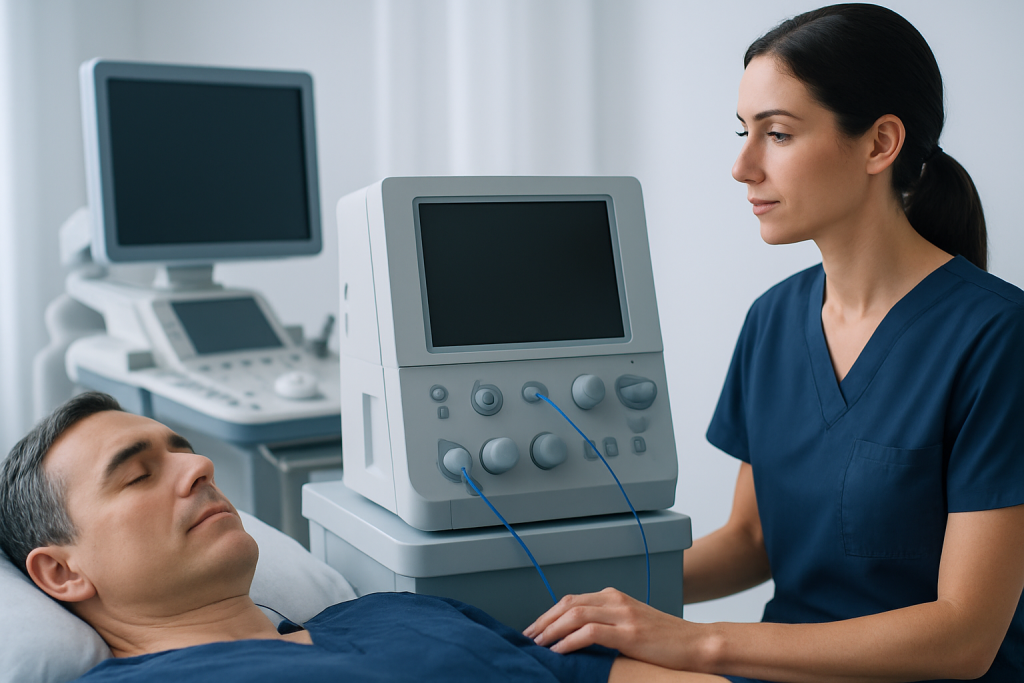
RFA is a treatment, not a diagnosis, so the symptoms associated with it depend on the condition being treated. In pain management, it is often considered for chronic neck or back pain, joint-related pain, or certain nerve pain patterns when conservative treatment has not been enough.
People may also hear about RFA in the context of heart rhythm care, thyroid nodules, liver lesions, or other focal abnormalities. In these settings, the procedure is used differently, but the principle remains the same: deliver energy to a carefully selected target while protecting the surrounding tissue as much as possible.
Common situations where clinicians may discuss RFA include:
- Persistent pain thought to come from specific nerves or joints
- Selected small abnormal growths or lesions
- Symptoms that have not responded adequately to medication, injections, or other standard treatment
- Conditions where a less invasive option is preferred before considering surgery
Because the term is used across many medical fields, it helps patients ask exactly what tissue is being treated and what improvement is realistically expected in their own case.
Causes and Risk Factors

RFA is not chosen at random. It is usually recommended when a problem has a clearly defined target and when heating that target is likely to help. In pain care, for example, chronic irritation, arthritis-related changes, or nerve injury may lead to ongoing pain signals that can be difficult to control with medication alone.
Risk factors for needing RFA vary by condition. Someone with long-standing spinal degeneration may be evaluated for nerve-related pain relief, while a patient with a small localized lesion may be referred for ablation because the tissue is limited in size and accessible through imaging guidance.
Not everyone is a good candidate. Factors that may affect suitability include active infection, bleeding risk, pregnancy in some situations, certain implanted devices, or anatomy that makes safe access difficult. The medical team weighs these issues carefully before recommending treatment.
Diagnosis and Pre-procedure Evaluation
Before RFA is planned, the specialist needs to confirm that the target is appropriate and that the source of symptoms has been identified as precisely as possible. This usually starts with a medical history, a physical examination, and imaging or other tests related to the condition being treated.
In pain procedures, a clinician may first use diagnostic nerve blocks or similar tests to see whether temporarily numbing a nerve improves symptoms. If that response is strong and consistent, it can suggest that RFA may offer longer-lasting benefit. In other conditions, ultrasound, CT, fluoroscopy, or other imaging may be used to guide the treatment and protect nearby structures.
International patients should also expect practical planning before traveling. The team may review scans, current medications, allergies, blood-thinning drugs, and previous procedures in advance so that the procedure can be scheduled efficiently and safely once the patient arrives.
Treatment Options
RFA is usually performed with local anesthesia and sometimes light sedation, depending on the body area and the patient’s comfort. A thin probe is guided to the target area with imaging assistance, and radiofrequency energy is then delivered to create heat for a controlled period of time.
When the procedure is used for pain, the heat disrupts the ability of the targeted nerve to send pain signals. When it is used for tissue destruction, the aim is to treat the abnormal area while sparing nearby healthy tissue. The details vary widely between specialties, so the exact technique should always be explained in the context of the patient’s diagnosis.
Recovery is often straightforward, but the timeline is not always immediate. Some people notice improvement quickly, while others need days or weeks before the full benefit becomes clear. A short period of soreness at the treatment site is common and usually temporary.
Possible risks, although not common in many cases, can include temporary pain flare, bruising, numbness, infection, bleeding, or injury to nearby structures. The treating physician should discuss the specific risks for the intended site and explain what symptoms would require prompt reassessment.
Prevention and Self-care
Not every condition treated with RFA can be prevented, but patients can often reduce symptom burden and support recovery by following the specialist’s instructions closely. If the procedure is being used for chronic pain, other parts of the treatment plan—such as physical therapy, posture adjustments, exercise, weight management, or medication review—may also matter.
After the procedure, gentle activity is usually preferred over complete inactivity unless the doctor advises otherwise. Many patients do well by resting the treated area for a short period, using simple comfort measures recommended by the care team, and watching for unusual swelling, fever, increasing redness, or pain that worsens instead of settling.
For patients traveling home after treatment, it is especially helpful to plan for follow-up before leaving. Having clear written instructions, knowing who to contact with concerns, and arranging local medical support if needed can make recovery much smoother across borders.
- Take prescribed or recommended medicines only as directed
- Follow instructions about bathing, driving, lifting, and returning to work
- Keep follow-up appointments, even if symptoms improve
- Report new numbness, weakness, fever, or worsening pain promptly
When to See a Doctor
Patients should contact a doctor if pain persists despite treatment, symptoms return after an initial improvement, or the original diagnosis seems unclear. A review is also important if a person is considering RFA but has not yet had a proper evaluation to confirm that it is the right procedure.
After RFA, medical attention is needed sooner if there are signs of infection, bleeding, severe swelling, new weakness, trouble breathing, chest pain, or any sudden symptom that feels out of proportion to the expected recovery. The exact warning signs depend on where the procedure was performed, so patients should follow the team’s specific guidance.
For international patients, prompt communication with the treating center matters. Acibadem Health Point’s multidisciplinary specialists and JCI-accredited hospitals diagnose and treat a wide range of conditions, including those managed with radiofrequency ablation, with coordinated support for patients traveling for care.
What Results to Expect
The result of radiofrequency ablation depends on why it was performed and how well the target was selected. In pain care, the goal is usually meaningful symptom reduction rather than complete elimination of pain. A successful procedure may make daily activity, sleep, rehabilitation, or medication reduction easier.
It is also important to know that RFA does not stop the body’s underlying condition from progressing in every case. For that reason, follow-up is part of the treatment itself. If pain returns later, the specialist may discuss whether repeat treatment, different medications, rehabilitation, or another procedure would be more suitable.
Patients who understand the expected pace of improvement, the limits of the procedure, and the need for follow-up tend to make better decisions and feel more confident throughout recovery.
Living With the Condition After RFA
After RFA, many patients move into a phase focused on maintaining gains rather than chasing quick fixes. This can mean continuing exercise, protecting joints, adjusting ergonomic habits, or staying engaged with a broader treatment plan that supports longer-term control of symptoms.
For people traveling home after treatment, living with the condition also means planning continuity of care. A discharge summary, procedure report, and clear follow-up instructions can help the local physician understand what was done and how to monitor progress after the patient returns.
Questions are best answered by the treating specialist, because the meaning of RFA changes from one condition to another. What is appropriate for chronic facet joint pain may be very different from what is appropriate for a thyroid nodule, a liver lesion, or a cardiac rhythm problem.
Frequently asked questions
Is radiofrequency ablation the same in every medical specialty?
No. The basic idea is similar, but the target tissue and the reason for treatment can be very different. In pain medicine, it often interrupts nerve signals, while in other fields it may destroy a specific lesion or tissue area.
Is radiofrequency ablation considered surgery?
It is usually considered minimally invasive rather than open surgery. It is often done through a small needle-like probe with imaging guidance, which means recovery is typically simpler than with many surgical procedures.
How long does it take to feel better after RFA?
Some patients feel improvement soon after the procedure, but others notice it gradually over days or weeks. A short period of soreness is common, so the earliest days do not always reflect the final result.
Can the pain come back after RFA?
Yes, it can. The treated nerve or tissue may recover over time, or the underlying condition may continue to change, which is why follow-up matters and repeat treatment is sometimes discussed.
Who should not have radiofrequency ablation?
People with active infection, certain bleeding risks, or anatomy that makes safe treatment difficult may not be good candidates. The specialist reviews each case individually to decide whether the procedure is appropriate.
What should an international patient prepare before traveling for RFA?
It helps to share prior scans, procedure reports, medication lists, and allergy information before the trip. Patients should also ask about recovery time, follow-up plans, and what to do if symptoms change after returning home.
References
- Mayo Clinic
- Cleveland Clinic
- National Cancer Institute
- American Society of Interventional Pain Physicians
- NHS
This article is for general information only and is not a substitute for professional medical advice. Please consult a qualified doctor about your individual situation.