Do Hemorrhoids Go Away?

Key Takeaways
- Many hemorrhoids get better without surgery, especially when bowel habits improve.
- Bleeding, pain, or a lump does not always mean a serious problem, but persistent symptoms should be checked.
- Diet, hydration, and avoiding straining are important parts of recovery and prevention.
- Office procedures and surgery can help when symptoms keep returning or do not settle.
- Rectal bleeding should never be assumed to be hemorrhoids without a proper medical evaluation.
Medically reviewed by the Acıbadem clinical team — August 19, 2026
Hemorrhoids often improve with time, especially when constipation, straining, or prolonged sitting are addressed. Some cases clear on their own, while others need medical care to reduce pain, bleeding, or recurrence.
Overview
For many people, hemorrhoids do go away, but the answer depends on the type, size, and cause. Internal hemorrhoids may shrink or stop causing symptoms once pressure in the rectal veins eases, while external hemorrhoids can settle more slowly and sometimes leave behind a small skin tag.
Hemorrhoids are swollen veins in or around the rectum and anus. They often appear when bowel movements become difficult, when a person sits for long periods, or when pressure in the pelvic area increases. The encouraging part is that many cases respond well to simple measures, especially if they are addressed early.
It helps to think of hemorrhoids as a sign that the body is under repeated strain rather than a problem that appears without reason. When the triggering pattern changes, symptoms often fade. If the pattern continues, the hemorrhoids may keep returning, even after a short period of relief.
Symptoms
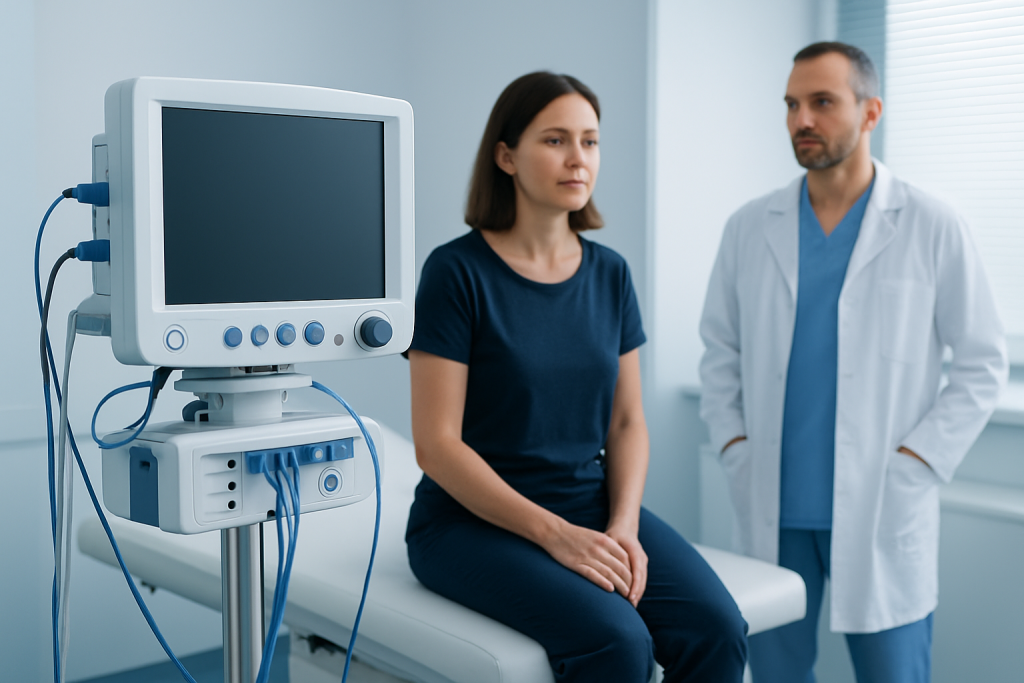
Hemorrhoid symptoms can vary from a mild itch to noticeable pain or bleeding. Internal hemorrhoids commonly cause painless bright red bleeding during or after a bowel movement, while external hemorrhoids are more likely to create soreness, swelling, or a tender lump near the anus.
Some people notice a feeling of incomplete emptying, mucus on toilet tissue, or discomfort when sitting. A thrombosed external hemorrhoid, which contains a small blood clot, can cause sudden and more intense pain and a firm lump.
- Bright red blood on toilet paper or in the toilet
- Itching or irritation around the anus
- Pain or discomfort during bowel movements
- Swelling or a lump near the anal opening
- Temporary leakage of mucus or stool staining
These symptoms can overlap with other conditions, including fissures, inflammatory bowel disease, or, less commonly, colorectal disease. That is why ongoing bleeding or changing bowel habits should be reviewed by a clinician rather than assumed to be hemorrhoids.
Causes & Risk Factors

Hemorrhoids develop when pressure builds in the veins of the lower rectum and anus. Straining to pass hard stool is one of the most common causes, and constipation is often part of the picture. Diarrhea and frequent wiping can also irritate the area and worsen symptoms.
Several everyday factors can raise the risk. These include sitting on the toilet for a long time, low fiber intake, not drinking enough fluids, lifting heavy objects repeatedly, and being less active than usual. Pregnancy is another common trigger because of increased pelvic pressure and hormonal changes.
Age can also play a role, since the supportive tissues around the rectum may weaken over time. Family history, obesity, and conditions that make bowel movements irregular may contribute as well.
For international patients who are planning care while traveling, it is helpful to note which symptoms are new, how long they have lasted, and what has already been tried. Those details make the consultation more efficient and help the doctor decide whether the problem is likely a straightforward hemorrhoid issue or something that needs further testing.
Diagnosis
Diagnosis usually begins with a conversation about symptoms, bowel habits, and any bleeding. A doctor may ask about constipation, stool consistency, pain, itching, and changes in the pattern of bowel movements. This history often points strongly toward hemorrhoids or toward another explanation.
A physical examination is commonly enough to identify external hemorrhoids. If internal hemorrhoids are suspected, the clinician may perform a digital rectal exam or use an anoscope to look inside the anal canal. These tools help the doctor see the tissue directly and confirm the source of bleeding or discomfort.
Sometimes further testing is recommended, especially if the patient is older, has persistent bleeding, anemia, unexplained weight loss, abdominal pain, or a family history of colorectal cancer. In those situations, a colonoscopy or another evaluation may be needed to rule out other causes.
Treatment Options
Treatment depends on how severe the symptoms are and whether the hemorrhoids are likely to settle with conservative care. Mild cases often improve with fiber, fluids, better toilet habits, and time. A warm sitz bath can also soothe soreness and reduce irritation after bowel movements.
When symptoms persist, doctors may suggest office-based procedures such as rubber band ligation, sclerotherapy, or infrared coagulation. These treatments are aimed at shrinking or removing the hemorrhoidal tissue and are usually considered when bleeding or prolapse keeps returning despite self-care.
Surgery is reserved for more advanced or recurrent cases, or when a thrombosed or prolapsed hemorrhoid causes significant problems. The best approach depends on the type of hemorrhoid, the patient’s overall health, and how much the condition is affecting daily life.
People traveling for treatment often appreciate knowing that hemorrhoid care can be staged: an initial assessment, a targeted procedure if needed, and follow-up that may be coordinated after returning home. Acibadem Health Point’s multidisciplinary specialists and JCI-accredited hospitals diagnose and treat this condition for international patients as part of a carefully planned care pathway.
When to See a Doctor
Medical advice is important if rectal bleeding is new, persistent, or heavier than a few streaks on the paper. Even when hemorrhoids are known or suspected, bleeding should not automatically be dismissed, because other digestive conditions can look similar at first.
A doctor should also be consulted if pain is severe, a lump becomes very tender, symptoms do not improve after a few days of self-care, or bowel habits suddenly change. Fever, pus, black stools, dizziness, or unexplained weakness deserve prompt attention.
For people managing symptoms while abroad, it is sensible to seek evaluation before a planned procedure or return flight if the pain is worsening, the bleeding is frequent, or there is uncertainty about the diagnosis. Clear documentation, a stool history, and a focused examination can guide the next steps safely.
Hemorrhoids are common and often manageable, but the most reassuring path is a proper diagnosis and a treatment plan matched to the individual’s symptoms.
Frequently asked questions
Do hemorrhoids go away on their own?
Yes, many hemorrhoids improve on their own, especially if constipation and straining are corrected. Mild symptoms often settle with fiber, fluids, and better bowel habits. If symptoms keep coming back, medical treatment may be needed.
How long does a hemorrhoid flare usually last?
The duration varies. Some mild flares improve within a few days, while more irritated or thrombosed hemorrhoids can take longer to settle. Ongoing or worsening symptoms should be checked by a doctor.
Can hemorrhoids heal without surgery?
Often, yes. Many people get relief with self-care or office procedures rather than surgery. Surgery is usually reserved for more severe, recurrent, or complicated cases.
Is bleeding always caused by hemorrhoids?
No, rectal bleeding can have several causes. Hemorrhoids are common, but fissures, inflammation, and other bowel conditions can also cause bleeding. Any new or persistent bleeding should be medically evaluated.
What helps hemorrhoids heal faster?
The most helpful steps are to keep stools soft, avoid straining, and limit time on the toilet. Warm baths and gentle hygiene can ease discomfort. If symptoms are not improving, a doctor can suggest the next step.
When is a hemorrhoid an emergency?
Severe pain, heavy bleeding, black stools, fever, or dizziness should be assessed urgently. A sudden very painful lump can also need prompt medical attention. If there is any uncertainty, it is safest to speak with a doctor.
References
- National Institute of Diabetes and Digestive and Kidney Diseases
- American Society of Colon and Rectal Surgeons
- Mayo Clinic
- World Gastroenterology Organisation
This article is for general information only and is not a substitute for professional medical advice. Please consult a qualified doctor about your individual situation.
Persistent digestive symptoms? Get evaluated in Turkey
JCI-accredited · board-certified surgeons · reply within 24h
Add us as a Preferred Source to see more of our trusted health content across Google Search, AI Overviews and Discover.