Sphincter

Key Takeaways
- Sphincters are circular muscles that regulate passage through organs such as the esophagus, stomach, and anus.
- Symptoms depend on the sphincter involved and may include swallowing difficulty, reflux, pain, leakage, or constipation.
- Causes can include muscle injury, nerve problems, inflammation, scarring, or certain medical conditions.
- Diagnosis usually starts with a medical history, physical examination, and targeted tests based on the symptoms.
- Treatment may involve lifestyle changes, medication, pelvic floor therapy, procedures, or surgery depending on the cause.
- People should seek medical advice if symptoms are persistent, worsening, or affecting daily life.
Sphincters are ring-shaped muscles that help control the movement of food, fluid, and waste through the body. When a sphincter does not open or close properly, it can lead to symptoms that affect swallowing, digestion, or bowel control.
Overview
Sphincters are small but important ring-shaped muscles that act like gates in the body. They open and close at the right time to let food, liquid, or waste move forward while helping prevent unwanted backflow or leakage.
Several sphincters work quietly in daily life. Some are easy to think about, such as the lower esophageal sphincter that helps keep stomach contents from rising into the esophagus, or the anal sphincter that helps control bowel movements. Others are less familiar but still important, including muscles around the stomach and bladder.
When a sphincter does not relax enough, opens too often, or loses strength, symptoms may appear. These symptoms can range from discomfort and reflux to trouble swallowing or loss of bowel control. The exact experience depends on which sphincter is affected and what is causing the problem.
Symptoms
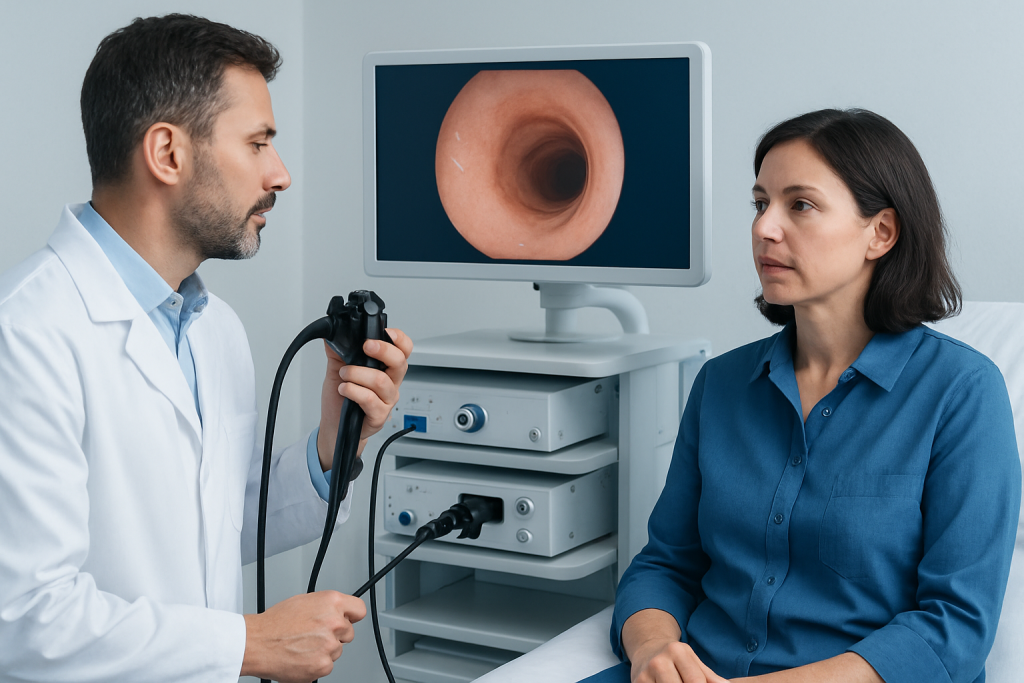
Sphincter-related symptoms are often noticed through a change in how the body moves food or waste. A person may not realize a sphincter is involved at first; they may only notice a symptom that keeps returning or slowly becomes more disruptive.
If the sphincter at the food pipe is affected, symptoms may include difficulty swallowing, chest discomfort after eating, regurgitation, or frequent heartburn. If the anal sphincter is involved, symptoms may include leakage, urgency, a feeling of incomplete bowel emptying, or trouble holding gas and stool. In some conditions, pain or pressure may also occur.
Common symptoms can include:
- Difficulty swallowing or a sense that food is sticking
- Frequent reflux, burping, or sour-tasting fluid coming up
- Abdominal or chest discomfort related to meals
- Constipation or incomplete bowel emptying
- Leakage of stool or difficulty controlling gas
- Pain, tightness, or pressure around the affected area
Because these symptoms can overlap with many other digestive or pelvic conditions, they are best reviewed by a doctor rather than assumed to be minor or temporary.
Causes & Risk Factors

Sphincter problems can develop for different reasons depending on the muscle involved. Some are caused by direct injury, while others are linked to changes in nerve supply, inflammation, pressure in the digestive tract, or age-related weakening of muscle function.
For the esophagus, causes may include reflux disease, motility disorders, hiatal hernia, or scarring that changes how the sphincter opens and closes. For the anal sphincter, childbirth injury, surgery, chronic constipation, nerve damage, inflammatory bowel conditions, or pelvic floor weakness can play a role. In some people, the issue is functional rather than structural, meaning the muscle is not coordinating normally even though no obvious injury is seen.
Risk can be higher in people who have had pelvic surgery, neurologic conditions, repeated straining with bowel movements, long-term constipation, or prior injury to the abdomen or pelvis. Aging can also make muscle tone and nerve coordination less efficient, which may increase symptoms over time.
Diagnosis
Diagnosis begins with a careful discussion of symptoms, medical history, and daily habits. A doctor will usually ask when the problem started, what makes it better or worse, and whether there are signs such as weight loss, pain, bleeding, or changes in bowel patterns.
Testing depends on the suspected sphincter problem. For swallowing or reflux symptoms, studies may include endoscopy, barium imaging, pH testing, or manometry, which measures pressure and muscle movement in the esophagus. For bowel-control concerns, the evaluation may include a physical examination, anorectal manometry, endoanal ultrasound, or other imaging to assess muscle strength and structure.
In some cases, more than one test is needed to find the full picture. This is especially true when symptoms could come from a combination of muscle weakness, nerve changes, and another digestive problem at the same time.
Treatment Options
Treatment is individualized because sphincter problems are not all the same. The best approach depends on which sphincter is affected, how severe the symptoms are, and whether the underlying cause can be corrected.
For reflux-related symptoms, care may include lifestyle changes and medication that reduces stomach acid or improves motility. For swallowing disorders caused by an overly tight sphincter, treatment may involve endoscopic procedures, dilation, injection therapy, or surgery in selected cases. When the anal sphincter is weak or poorly coordinated, pelvic floor therapy, bowel habit training, medication adjustments, or surgical repair may be considered.
Common treatment approaches can include:
- Diet and habit changes, such as smaller meals or bowel routine adjustments
- Medication for reflux, constipation, or related digestive symptoms
- Pelvic floor physical therapy and biofeedback
- Endoscopic procedures or dilation when a sphincter is too tight
- Surgical repair or reconstruction for selected structural injuries
For international patients, treatment planning often includes reviewing prior test results, coordinating timing for procedures, and arranging follow-up care after returning home. A multidisciplinary team can help make that process more organized and comfortable.
Prevention & Self-care
Not every sphincter problem can be prevented, but healthy daily habits can reduce strain on these muscles and lower symptom burden. Small changes often matter more than dramatic ones, especially when symptoms are chronic.
People with reflux-type symptoms may benefit from avoiding large late-night meals, identifying trigger foods, and staying upright for a period after eating. Those with bowel-control concerns may need to address constipation early, since repeated straining can weaken pelvic floor support over time. Regular fluid intake, fiber as advised by a clinician, and steady physical activity can also support digestive function.
Helpful self-care habits may include:
- Eating slowly and avoiding very large meals
- Maintaining regular bowel habits and avoiding excessive straining
- Staying hydrated and following individualized fiber guidance
- Practicing pelvic floor exercises only when recommended for the specific problem
- Tracking symptoms, meals, and triggers to share with the doctor
Self-care works best when it is tailored to the underlying problem. A strategy that helps reflux may not help bowel leakage, so it is important to match the plan to the diagnosis.
When to See a Doctor
Medical evaluation is a good idea when sphincter symptoms persist, return often, or interfere with eating, digestion, hygiene, or confidence in daily life. Even if symptoms seem mild, an early check can help identify a treatable cause before problems become harder to manage.
Prompt assessment is especially important if there is trouble swallowing, unexplained weight loss, bleeding, severe pain, recurrent vomiting, or sudden bowel-control changes. These symptoms do not always mean something serious, but they do deserve timely attention.
People who are traveling for care should gather prior reports, procedure notes, and medication lists before the visit. This makes consultation more efficient and helps the specialist recommend the safest next step, whether that is testing, therapy, or a procedure.
Acibadem Health Point’s multidisciplinary specialists and JCI-accredited hospitals diagnose and treat sphincter-related conditions for international patients with coordinated, patient-centered care.
Living With Sphincter Disorders
Living with a sphincter disorder can be frustrating because the symptoms are often private, repetitive, and tied to everyday routines. Many people feel relieved once they learn that the problem is recognizable, testable, and often manageable.
Follow-up care is important because treatment may need adjustment over time. A person who starts with medication may later benefit from therapy or a procedure, while someone treated surgically may still need long-term habit changes or rehabilitation to maintain improvement.
With the right evaluation and a practical care plan, many people regain comfort and confidence in eating, movement, and bowel control. The key is not to normalize ongoing symptoms, but to bring them to a qualified clinician who can match the solution to the cause.
Frequently asked questions
What does a sphincter do in the body?
A sphincter is a ring-like muscle that opens and closes to control the passage of food, liquid, or waste. It helps prevent backflow and supports normal function in places such as the esophagus, stomach, and anus.
Can sphincter problems cause heartburn?
Yes, a weak lower esophageal sphincter can allow stomach contents to move back into the esophagus, which may cause heartburn or reflux. A doctor can help determine whether reflux is related to the sphincter or another digestive issue.
Are sphincter disorders always surgical?
No, many sphincter problems are managed without surgery. Treatment may include medication, lifestyle changes, pelvic floor therapy, or endoscopic procedures depending on the cause.
What tests are used to check sphincter function?
Tests vary by symptom location. They may include endoscopy, manometry, imaging studies, or ultrasound to assess how the muscle is working and whether there is structural injury.
Can bowel control improve over time?
Yes, in many cases symptoms can improve with the right treatment plan. Pelvic floor therapy, constipation management, medication changes, or repair of an injury may all help depending on the diagnosis.
When should someone seek help for swallowing problems?
Swallowing trouble should be evaluated if it keeps happening, worsens, or is associated with weight loss, pain, choking, or food getting stuck. A medical review helps rule out causes that need treatment.
References
- World Health Organization
- National Institute of Diabetes and Digestive and Kidney Diseases
- Mayo Clinic
- American College of Gastroenterology
- International Continence Society
This article is for general information only and is not a substitute for professional medical advice. Please consult a qualified doctor about your individual situation.
More from the Health Library



Related Specialists

Dr. Özlem Özkalaycı
Anesthesiology and Reanimation
Dr. Mehmet Bilhan Hayırlıoğlu
Anesthesiology
Dr. Hüseyin Hüsnü Gönençer
Anesthesiology and Reanimation
Assoc. Prof. Dr. Özgür Timurkaynak
Dermatology