Sinus Bradycardia: Symptoms, Causes and Treatment

Key Takeaways
- Sinus bradycardia is a slow heart rhythm that begins in the sinus node, the heart’s natural pacemaker.
- It may be harmless in healthy, fit adults, or it may signal an issue if symptoms are present.
- Common symptoms can include dizziness, fatigue, shortness of breath, fainting, or reduced exercise tolerance.
- Diagnosis usually involves an ECG and sometimes longer rhythm monitoring, blood tests, and heart imaging.
- Treatment depends on the cause and may range from observation and medication review to pacemaker treatment in selected cases.
Medically reviewed by the Acıbadem clinical team — August 19, 2026
Sinus bradycardia means the heart is beating more slowly than usual while the rhythm still starts from the heart’s natural pacemaker. It can be normal in some people, but in others it may point to medication effects, heart disease, or another underlying condition that deserves medical review.
Overview
Sinus bradycardia describes a heartbeat that is slower than expected while still following the heart’s normal electrical pathway. “Sinus” refers to the sinus node, the small group of cells that acts as the body’s natural pacemaker, and “bradycardia” means a slow heart rate.
For some people, a slower resting pulse is simply a sign of good conditioning or a naturally calm baseline rhythm. For others, especially when the slow rate comes with symptoms, it may reflect an underactive sinus node, medication effects, sleep-related breathing problems, or another heart or body-wide condition. The key question is not only how slow the pulse is, but whether the person feels well and whether the rhythm is appropriate for the situation.
Sinus bradycardia can be found during a routine exam, during a hospital stay, or after someone notices lightheadedness or unusual fatigue. Because the meaning varies so much from person to person, evaluation is often focused on context rather than the number alone.
Symptoms
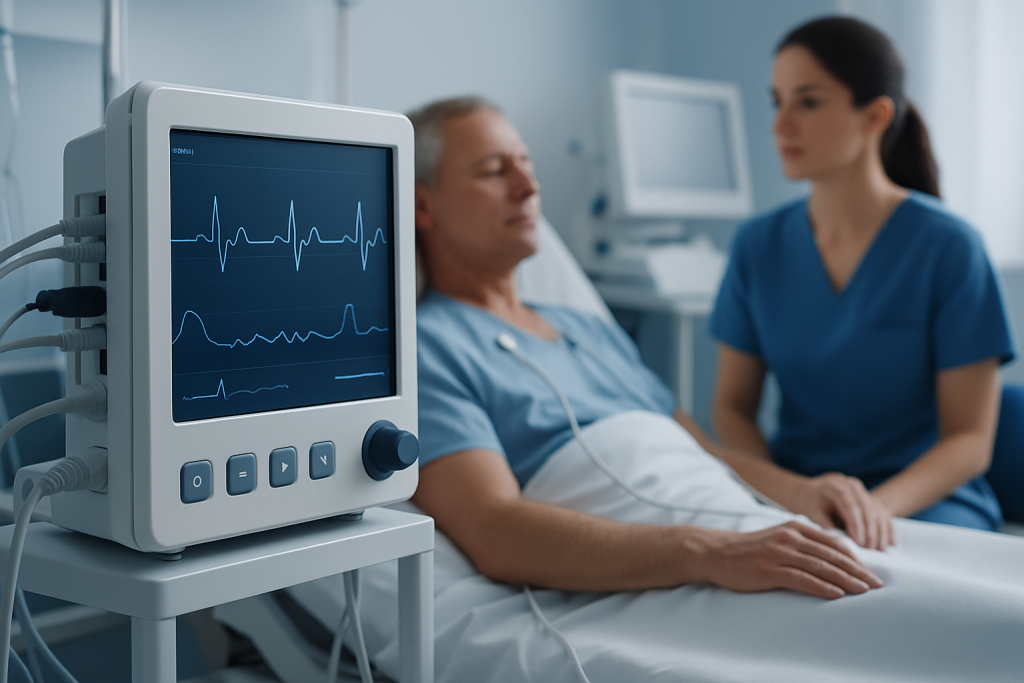
Many people with sinus bradycardia notice nothing at all. In those cases, the rhythm may be discovered incidentally during a checkup or an ECG done for another reason. An absence of symptoms often suggests that the slow rate is well tolerated, though it still deserves thoughtful interpretation.
When the heart rate is too slow for the body’s needs, symptoms may appear gradually or all at once. Common examples include tiredness, dizziness, feeling faint, shortness of breath with activity, exercise intolerance, confusion, or episodes of passing out. Some people also describe chest discomfort or a sense that the heart is “lagging” during exertion.
Symptoms can be subtle, especially in older adults, where weakness, unsteadiness, or a vague decline in stamina may be the main clues. Any symptom pattern that interferes with daily life or safety should be taken seriously and discussed with a clinician.
Causes & Risk Factors

Sinus bradycardia has several possible explanations. In healthy adults, especially athletes and people with high vagal tone, a slower resting pulse may be a normal adaptation. During sleep, heart rate also naturally falls, and brief episodes of sinus bradycardia may be seen without causing harm.
Other causes include medications that slow the heart, such as some beta-blockers, calcium channel blockers, and antiarrhythmic drugs. It may also occur with aging of the sinus node, coronary artery disease, prior heart attack, myocarditis, hypothyroidism, electrolyte disturbances, sleep apnea, or increased pressure within the skull. In some people, no single cause is found, and the rhythm is described as idiopathic.
Factors that raise the likelihood of clinically important sinus bradycardia include older age, known heart disease, recent changes in heart medications, untreated thyroid problems, and symptoms such as fainting or marked fatigue. The same slow pulse can mean something very different depending on these surrounding details.
Diagnosis
Diagnosis begins with a careful conversation about symptoms, medications, activity level, and medical history. A clinician will usually check the pulse and blood pressure, ask whether the slow rhythm happens at rest, during sleep, or with exercise, and look for signs that the body is not getting enough cardiac output.
An electrocardiogram, or ECG, is the main test used to confirm sinus bradycardia. It shows whether the rhythm originates from the sinus node and how slow the rate is at the time of recording. If symptoms come and go, longer monitoring such as a Holter monitor, event recorder, or wearable patch may be needed to connect the rhythm with the person’s experience.
Depending on the situation, additional tests may include blood work for thyroid function and electrolytes, an exercise test to see how the heart rate responds to activity, and an echocardiogram to assess heart structure and pumping function. In a patient traveling from abroad, these studies are often organized in a coordinated sequence so the cause can be clarified efficiently and follow-up can be planned before the person returns home.
Treatment Options
Treatment is guided by the cause, the severity of symptoms, and whether the slow rate is truly affecting circulation. If sinus bradycardia is harmless and there are no symptoms, observation may be all that is needed. In that situation, the goal is to recognize the rhythm as a normal variant rather than to “fix” a number on a chart.
When a medication is contributing, a clinician may adjust the dose, switch to another drug, or review whether the medicine is still necessary. If an underlying problem such as thyroid disease, electrolyte imbalance, or sleep apnea is present, treating that condition may improve the heart rate. When bradycardia is related to sinus node dysfunction and causes significant symptoms, a pacemaker may be recommended to keep the heart rate adequate.
A pacemaker is not used just because the pulse is slow; it is considered when slow rhythm leads to fainting, disabling fatigue, or other signs that the body is not getting enough support. For international patients, treatment planning often includes clear explanation of device follow-up, wound care, travel timing, and what to monitor once back home.
Prevention & Self-care
Not every case of sinus bradycardia can be prevented, especially when it is linked to natural physiology or age-related changes in the sinus node. Even so, practical self-care can reduce risk from reversible contributors and help a person notice when the rhythm is no longer fitting their needs.
Helpful steps include taking medications exactly as prescribed, avoiding unreviewed drug changes, keeping up with treatment for thyroid disease or sleep apnea, and staying attentive to hydration and overall health. People who exercise regularly should remember that a low resting heart rate may be expected, but new symptoms such as faintness or unusual shortness of breath still deserve evaluation.
Keeping a brief log of symptoms, pulse readings if recommended, and what was happening when symptoms occurred can make follow-up more productive. This is especially useful for people coordinating care across countries, since it gives the next physician a clear picture of how the rhythm behaves in everyday life.
When to See a Doctor
Medical review is important if a slow heartbeat is accompanied by dizziness, fainting, chest discomfort, shortness of breath, confusion, or a noticeable drop in activity tolerance. These symptoms do not automatically mean something dangerous is happening, but they do suggest that the heart rate may not be meeting the body’s needs well enough.
Urgent assessment is especially sensible when symptoms are new, worsening, or occurring after a medication change. It is also wise to seek evaluation if a person has known heart disease, a history of stroke or heart attack, or a family history of rhythm problems and now notices a persistently slow pulse.
For travelers, it can be helpful to seek care before boarding a long flight if symptoms are significant, since fatigue, dehydration, and limited access to medical help can make a rhythm problem harder to manage. Acibadem Health Point’s multidisciplinary specialists and JCI-accredited hospitals diagnose and treat sinus bradycardia for international patients with coordinated testing and follow-up planning.
Living with Sinus Bradycardia
Many people live comfortably with sinus bradycardia once they know whether it is a normal personal pattern or part of another condition. Understanding the reason behind the slow rhythm often reduces anxiety, because the same finding can be completely benign in one person and important in another.
Ongoing care may involve periodic check-ins, medication review, and repeat ECGs or monitoring if symptoms change. After pacemaker placement, follow-up is structured around device checks, symptom review, and guidance on daily activities, travel, and when to seek reassessment. A clear plan helps people remain active without guessing about what their heart rate means.
Frequently asked questions
Is sinus bradycardia always abnormal?
No. In some people, especially physically fit adults and during sleep, a slower sinus rhythm can be a normal finding. It becomes more important when it causes symptoms or is linked to another medical condition.
What symptoms are most commonly linked to sinus bradycardia?
People may feel tired, dizzy, short of breath, weak, or lightheaded. Some may faint or notice that exercise feels harder than usual.
Can medicines cause a slow heart rate?
Yes. Several heart and non-heart medications can slow the pulse, and this is a common reason for sinus bradycardia. A clinician should review all prescriptions, over-the-counter products, and supplements before making changes.
How is sinus bradycardia diagnosed?
An ECG is the main test, and longer rhythm monitoring may be used if the slow rate comes and goes. Blood tests and heart imaging are sometimes added to look for underlying causes.
Does sinus bradycardia always need a pacemaker?
No. Many people need only observation or treatment of the underlying cause. A pacemaker is usually considered only when the slow rhythm is clearly causing significant symptoms or harm.
When should someone seek urgent medical attention?
Urgent evaluation is sensible if slow heart rate comes with fainting, chest pain, confusion, severe shortness of breath, or sudden weakness. New or worsening symptoms should not be ignored.
References
- American Heart Association
- National Heart, Lung, and Blood Institute
- Mayo Clinic
- Merck Manual Professional Edition
- European Society of Cardiology
This article is for general information only and is not a substitute for professional medical advice. Please consult a qualified doctor about your individual situation.
Explore treatments in Turkey — costs, top hospitals & a free quote
JCI-accredited · board-certified surgeons · reply within 24h
Add us as a Preferred Source to see more of our trusted health content across Google Search, AI Overviews and Discover.