Female Anatomy

Key Takeaways
- Female anatomy includes the vulva, vagina, uterus, cervix, ovaries, fallopian tubes, bladder, and pelvic floor, each with a distinct role.
- Normal anatomy varies widely from person to person, and many differences are healthy and expected.
- Symptoms such as pain, unusual bleeding, itching, or changes in discharge deserve medical attention if they are persistent or new.
- Routine gynecologic care helps identify infections, hormonal concerns, structural changes, and cancer risk early.
- Good self-care includes menstrual tracking, hygiene that avoids irritation, safe sex practices, and pelvic floor awareness.
Female anatomy includes the external and internal structures that support reproduction, hormone production, urination, and sexual health. Understanding how these parts work together can make symptoms easier to notice and conversations with clinicians more productive.
Overview
Female anatomy is often discussed as if it were a single system, but in reality it is a set of connected parts that work together every day. The same structures that support menstruation and pregnancy also influence urination, sexual function, hormone balance, and pelvic support.
The external genital area is called the vulva and includes the labia, clitoris, vaginal opening, and nearby tissues. Inside the pelvis are the vagina, cervix, uterus, fallopian tubes, ovaries, bladder, and rectum, all arranged to support separate but overlapping functions.
There is no single “normal” appearance. Size, shape, color, and symmetry can differ substantially among healthy individuals, and these differences are not usually a sign of disease. For many patients, learning the names and roles of these structures is the first step toward recognizing what is normal for their own body.
Symptoms and What They Can Mean
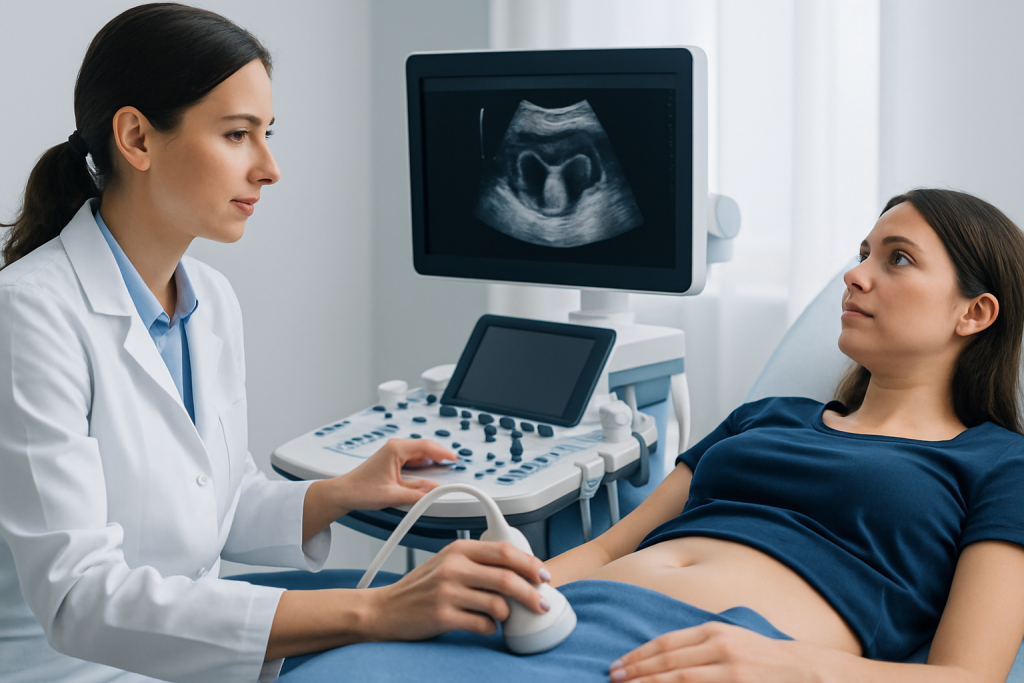
Because female anatomy includes several organs in a small area, symptoms can overlap. Pelvic pain may originate in the uterus, ovaries, bladder, bowel, muscles, or nerves, and a change in discharge may be related to infection, irritation, hormones, or pregnancy.
Common concerns include heavy or irregular periods, pain during intercourse, itching or burning of the vulva, urinary frequency, and pressure in the lower abdomen. Some symptoms are brief and harmless, but others point to conditions such as yeast infections, bacterial vaginosis, endometriosis, fibroids, ovarian cysts, or urinary tract problems.
Unusual bleeding is worth noting carefully. Bleeding between periods, after sex, or after menopause should not be ignored, even when it is light. Persistent pain, a new lump, or a noticeable change in normal patterns also deserves assessment by a qualified clinician.
Causes and Risk Factors
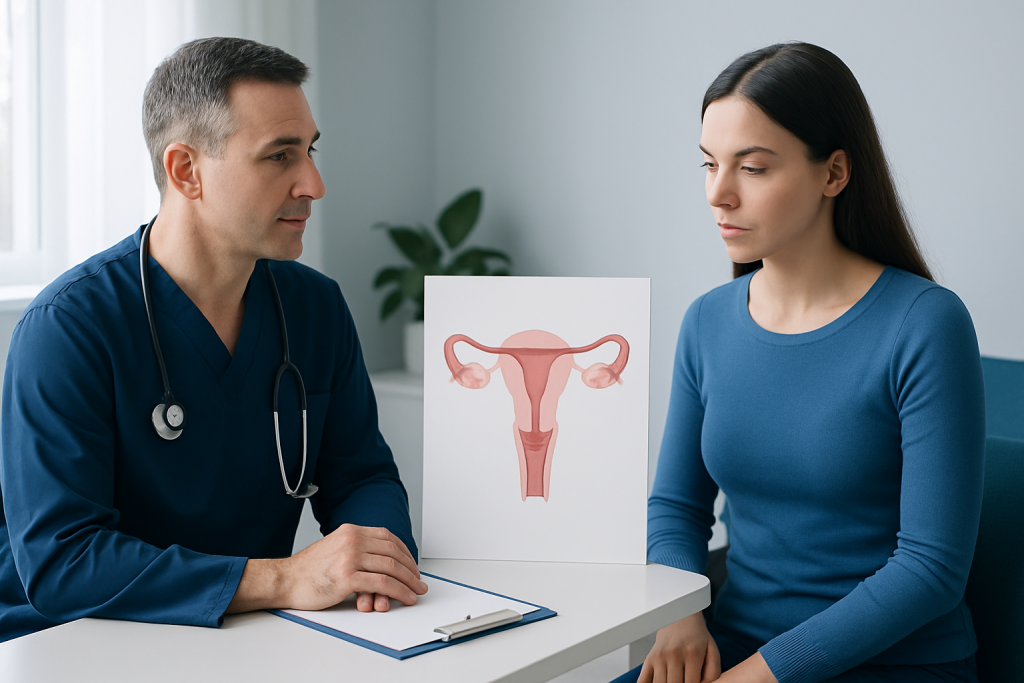
Female anatomy changes across the lifespan under the influence of puberty, monthly hormone shifts, pregnancy, childbirth, breastfeeding, and menopause. These natural transitions can affect tissue thickness, lubrication, cervical mucus, menstrual flow, and pelvic floor strength.
Some concerns are related to infection, including sexually transmitted infections, vaginal infections, and pelvic inflammatory disease. Others are structural, such as fibroids, cysts, polyps, or prolapse, where tissues shift or grow in ways that may cause discomfort or bleeding.
Risk is also influenced by personal history and daily habits. Prior pelvic surgery, childbirth injury, smoking, obesity, uncontrolled diabetes, a family history of certain gynecologic conditions, and frequent irritation from harsh products can all affect symptoms or healing. Lifestyle factors do not explain every problem, but they can shape how the body responds over time.
Diagnosis
When a clinician evaluates a concern related to female anatomy, the goal is usually to match the symptom with the correct structure and cause. That process starts with a careful history: when the symptom began, where it is felt, how it changes over time, and whether it is linked to periods, sex, urination, or bowel movements.
A pelvic examination may be recommended, depending on the symptom and the person’s age, sexual history, and comfort. Tests can include a Pap test, swabs for infection, urine testing, blood work, ultrasound, or other imaging when deeper organs need to be assessed.
For international patients, it helps to bring previous records, a list of medicines or supplements, and any recent imaging results. Clear communication about the exact location of pain, bleeding pattern, and menstrual history can make the evaluation more efficient and may reduce the number of repeat tests needed after travel.
Treatment Options
Treatment depends on which part of the anatomy is involved and what is causing the symptom. Simple infections may be treated with medication, while hormonal concerns may be managed with broader medical planning. Structural issues such as fibroids, cysts, prolapse, or endometriosis may require observation, medication, procedures, or surgery.
Supportive care often matters as much as the main treatment. This can include pain relief strategies, treatment for anemia if bleeding has been heavy, pelvic floor therapy, or advice on avoiding triggers that worsen irritation. In some cases, a clinician may suggest watching and waiting when a finding is likely to settle on its own.
For patients traveling for care, treatment planning should include recovery time, follow-up logistics, and medication access after returning home. Acibadem Health Point’s multidisciplinary specialists and JCI-accredited hospitals diagnose and treat these conditions for international patients with coordinated care across specialties when needed.
- Medicines may be used for infection, pain, hormone-related symptoms, or bleeding control.
- Minimally invasive procedures may be considered for selected structural problems.
- Surgery is reserved for cases where benefits outweigh risks and less invasive care is not enough.
Prevention and Self-care
Self-care starts with knowing what is normal for one’s own body. Tracking periods, discharge, pain, and urinary symptoms can reveal patterns that are easy to miss from memory alone. This is especially useful when symptoms happen only occasionally or shift with stress, travel, or exercise.
Gentle hygiene is usually best. Water or mild, unscented products are preferred, while douching, fragranced washes, and harsh scrubbing can irritate delicate tissues and disrupt the natural balance of the vaginal environment. Cotton underwear, changing out of wet clothing promptly, and safe sex practices may also help reduce irritation and infection risk.
Pelvic floor awareness matters too. Exercises may help some people, while others need professional guidance because pain or tightness can worsen with the wrong approach. Regular exercise, adequate hydration, balanced nutrition, and routine preventive care all support pelvic and reproductive health.
When to See a Doctor
Medical advice should be sought when symptoms are new, persistent, or disruptive. This includes unusual bleeding, pain that affects daily activity, fever with pelvic symptoms, foul-smelling discharge, burning with urination, or a lump in the vulva or breast area.
Urgent assessment is important if there is severe pelvic pain, very heavy bleeding, fainting, possible pregnancy with pain or bleeding, or sudden swelling with redness and discomfort. Even when symptoms seem mild, a clinician can help distinguish normal variation from a condition that needs treatment.
People who are unsure whether a symptom is gynecologic, urinary, or digestive should still seek evaluation rather than waiting for it to sort itself out. A focused exam and a few simple tests often clarify the cause and guide next steps with less uncertainty.
Frequently asked questions
What does female anatomy include?
Female anatomy includes the external vulva and the internal reproductive organs such as the vagina, cervix, uterus, fallopian tubes, and ovaries. It also includes nearby pelvic structures like the bladder, urethra, pelvic floor muscles, and rectum, which all influence comfort and function.
Is it normal for female anatomy to look different from person to person?
Yes. Healthy bodies vary widely in size, shape, symmetry, color, and tissue texture. Variation alone is usually not a sign of a problem unless it comes with pain, bleeding, itching, swelling, or a new lump.
Why can pelvic pain be hard to interpret?
Several organs sit close together in the pelvis, so pain can come from the reproductive system, bladder, bowel, muscles, or nerves. The timing of the pain, its location, and what makes it better or worse help clinicians narrow the cause.
Do all vaginal symptoms mean an infection?
No. Discharge, odor, irritation, or burning can be caused by infections, but they can also result from hormone changes, friction, soaps, allergies, or other noninfectious causes. A clinician can help identify the source rather than treating only the symptom.
When is bleeding considered abnormal?
Bleeding between periods, after sex, after menopause, or much heavier than usual should be assessed. Even if it stops on its own, it is worth discussing with a doctor because the cause can range from hormonal changes to structural conditions that need treatment.
How can someone prepare for a gynecology visit if traveling from another country?
Bringing prior test results, imaging, medication lists, and a written symptom timeline can make the visit more efficient. It also helps to note the date of the last period, any prior surgeries, pregnancy history, and language preferences so care can be planned clearly.
References
- World Health Organization
- American College of Obstetricians and Gynecologists
- National Health Service
- Mayo Clinic
This article is for general information only and is not a substitute for professional medical advice. Please consult a qualified doctor about your individual situation.
More from the Health Library



Related Specialists

Dr. Aslı Azakoğlu Karaca
Family Medicine
Dr. Mehtap Baştugral
Clinical Laboratory
Dr. Alp Er Tunga Bölükbaşı
Orthopedic Surgery & Traumatology
Dr. Ahmet Varolan
Gynecology & Obstetrics