Signs Of Lung Cancer

Key Takeaways
- A cough that does not go away, coughing up blood, chest pain, or shortness of breath can be warning signs of lung cancer.
- Symptoms may be subtle at first, and some people have no symptoms until the disease is more advanced.
- Smoking is the strongest risk factor, but lung cancer can also occur in people who never smoked.
- Diagnosis usually involves imaging tests and a biopsy to confirm the type of cancer.
- Treatment may include surgery, radiotherapy, chemotherapy, targeted therapy, immunotherapy, or a combination.
- Anyone with persistent respiratory symptoms or unexplained weight loss should be medically evaluated.
Lung cancer can begin quietly, and its early signs may be easy to dismiss as a lingering cough, a chest infection, or fatigue. Recognizing persistent changes and seeking medical review early can make a meaningful difference in diagnosis and treatment planning.
Overview
Lung cancer is a disease in which abnormal cells grow in the lungs and may spread to nearby tissue or other parts of the body. It can affect the airways, the outer areas of the lung, or both, and its early signs are often mistaken for common respiratory problems.
For many people, the first clue is not dramatic. It may be a cough that lingers longer than expected, repeated chest infections, or breathlessness that feels new. Because symptoms can be mild at the start, people sometimes delay care, especially if they are traveling, busy, or already coping with another health condition.
Understanding the warning signs matters because lung cancer is easier to evaluate when it is still localized. A timely medical visit can help distinguish a temporary illness from something that needs imaging, specialist review, or biopsy.
Symptoms
The most common signs of lung cancer often involve the chest and breathing. A cough that does not improve, changes in an existing cough, chest pain, wheezing, and shortness of breath are among the symptoms doctors look for. Some people also notice coughing up blood, even in small amounts.
Not every symptom is dramatic, and some are easily overlooked. Persistent tiredness, losing weight without trying, reduced appetite, hoarseness, or repeated bouts of bronchitis or pneumonia may also appear. In some cases, pain in the shoulder, back, or ribs can develop if a tumor affects nearby structures.
Symptoms can vary depending on where the cancer is located and whether it has spread. People should pay attention to changes that last more than a few weeks or seem to be getting worse rather than better.
- Persistent cough or a cough that changes
- Coughing up blood or blood-stained mucus
- Shortness of breath or wheezing
- Chest pain that does not resolve
- Unexplained weight loss or fatigue
- Repeated chest infections
Causes & Risk Factors

Lung cancer develops when lung cells acquire changes that allow them to grow out of control. Smoking is the best-known risk factor, but it is not the only one. People who never smoked can still develop lung cancer, which is one reason persistent symptoms should not be ignored.
Secondhand smoke, exposure to radon, asbestos, certain industrial chemicals, and heavy air pollution can increase risk. A personal or family history of lung cancer, prior radiation to the chest, and older age may also contribute. In some people, inherited or acquired genetic changes play a role in how the cancer develops.
Risk is influenced by a combination of exposures and biology, not a single cause. That is why doctors consider both lifestyle history and environmental exposure when deciding whether a patient needs further testing.
Diagnosis
Diagnosis usually begins with a detailed medical history and physical examination. A doctor may ask how long the symptoms have been present, whether there has been smoking exposure, and whether there have been workplace or environmental risks.
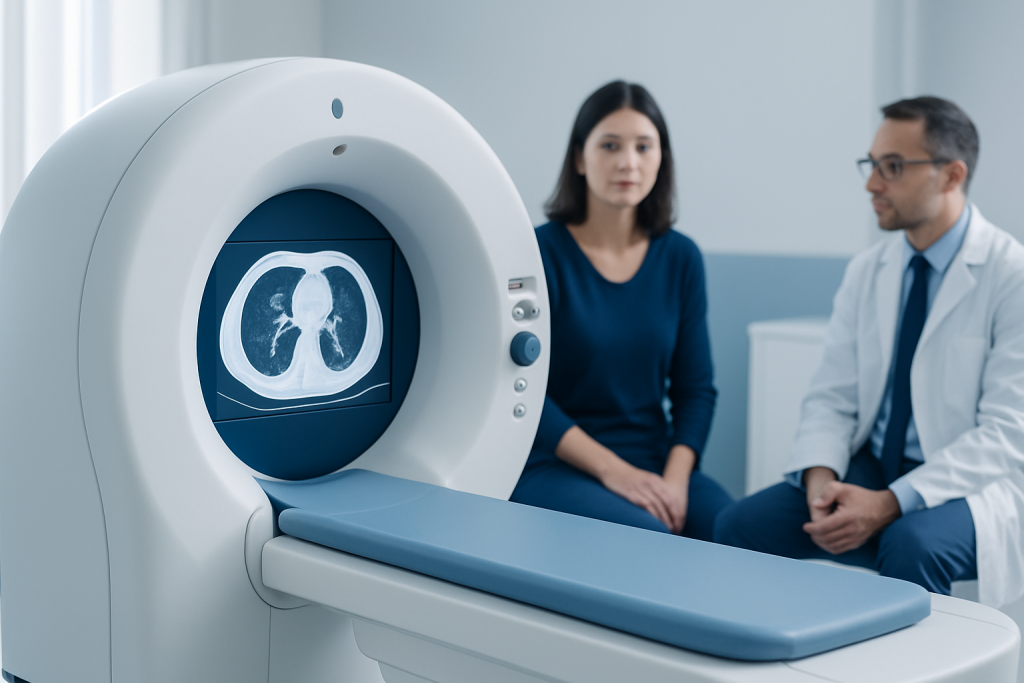
Imaging tests are often the next step. A chest X-ray may raise suspicion, but a CT scan gives a more detailed picture of the lungs and surrounding structures. If something concerning is seen, doctors may recommend a biopsy to confirm whether cancer is present and to identify the type of lung cancer.
Depending on the findings, additional tests may be used to understand whether the cancer has spread and which treatments are most suitable. These can include PET scans, brain imaging, bronchoscopy, and molecular testing on tumor tissue. For international patients, this evaluation is often coordinated carefully so that imaging, biopsy, and specialist consultation can be completed efficiently during the same care journey.
Treatment Options
Treatment depends on the type of lung cancer, how far it has spread, and the person’s overall health. Some people benefit from surgery if the cancer is found early and can be removed safely. Others may need radiotherapy, chemotherapy, or both, either before surgery, after surgery, or as the main treatment.
Targeted therapy and immunotherapy have changed care for many patients, especially when the tumor has specific molecular features. These treatments are not the same for everyone; they are chosen based on pathology, genetic markers, and the stage of disease. Supportive care is also important, because managing symptoms such as pain, breathing difficulty, nausea, or fatigue helps people stay stronger during treatment.
When care is sought from another country, planning matters. Patients usually need clear coordination around test results, treatment timing, follow-up visits, and recovery arrangements after returning home. Acibadem Health Point’s multidisciplinary specialists and JCI-accredited hospitals diagnose and treat lung cancer for international patients, with care pathways designed to support evaluation and treatment planning.
Prevention & Self-care
Not every case of lung cancer can be prevented, but risk can often be reduced. Avoiding tobacco smoke is the most effective step, including secondhand smoke and exposure in shared spaces. People who work with dusts, fumes, or chemicals should also follow workplace safety guidance carefully.
Healthy self-care is important during and after treatment. Eating regular balanced meals, staying hydrated, resting when needed, and keeping gentle activity as tolerated may help support recovery. If a person is traveling for treatment, it can help to bring a medication list, prior scan reports, pathology slides if available, and contact information for the home physician.
Some people may be eligible for lung cancer screening if they are at higher risk, especially those with a significant smoking history. A doctor can explain whether screening, risk reduction, or follow-up imaging is appropriate in a given situation.
- Do not smoke, and avoid secondhand smoke
- Follow safety measures for radon, asbestos, and chemical exposure
- Ask a doctor about screening if you are at higher risk
- Keep follow-up appointments and repeat scans as advised
- Prioritize rest, hydration, and nutrition during recovery
When to See a Doctor
A doctor should be seen if a cough lasts longer than expected, if breathing becomes more difficult, or if chest pain, coughing up blood, or unexplained weight loss occurs. Persistent hoarseness or repeated chest infections also deserve medical attention. These symptoms do not always mean cancer, but they do warrant evaluation.
People who already know they are at higher risk should not wait for symptoms to become severe. If there has been smoking exposure, prior chest radiation, or significant workplace exposure, an earlier assessment may be appropriate even for subtle changes.
If a patient is arranging care from abroad, it is reasonable to seek a specialist review as soon as concerning symptoms appear rather than waiting until travel plans are complete. Prompt assessment can help clarify the diagnosis, reduce uncertainty, and allow treatment decisions to be made with more confidence.
Outlook and Living With the Diagnosis
Hearing the word cancer can feel overwhelming, but the next steps are usually structured and practical. Once the diagnosis is confirmed, doctors focus on the stage of the disease, the exact tumor type, and the person’s goals and preferences. This information guides a treatment plan that is individualized rather than one-size-fits-all.
Living with lung cancer often means ongoing monitoring, symptom management, and follow-up imaging. For international patients, the recovery period may involve a mix of in-person and remote follow-up, which is easier when the care team provides a clear schedule before the patient travels home. Good communication about warning signs, medication changes, and future appointments can make that transition smoother.
Questions are welcome at every stage. Patients and families should ask what the scans mean, what the treatment aims to achieve, and how symptoms should be reported between visits.
Frequently asked questions
What is the most common early sign of lung cancer?
A persistent cough is one of the most common early warning signs, especially if it changes over time or does not improve. Other early clues can include shortness of breath, chest discomfort, or repeated chest infections. Because these symptoms overlap with many other conditions, medical evaluation is important.
Can lung cancer cause pain?
Yes, lung cancer can sometimes cause chest, back, shoulder, or rib pain, depending on where the tumor is located. Pain may also occur if the cancer affects nearby tissues or nerves. Any ongoing, unexplained pain should be discussed with a doctor.
Do all people with lung cancer have a cough?
No, not everyone with lung cancer has a cough, especially in the early stages. Some people notice fatigue, weight loss, hoarseness, or repeated infections instead. Others may have no symptoms until the disease is found on imaging.
Can someone who never smoked get lung cancer?
Yes, lung cancer can occur in people who have never smoked. Other risk factors include secondhand smoke, radon, asbestos, air pollution, and some genetic changes. This is why persistent symptoms should still be taken seriously in non-smokers.
How is lung cancer confirmed?
Doctors usually use imaging tests first, then confirm the diagnosis with a biopsy. The biopsy helps identify the type of lung cancer and may also provide information that guides treatment. Additional scans and molecular tests may be needed after that.
When should a patient seek urgent medical help?
Urgent evaluation is appropriate if there is significant coughing up of blood, severe shortness of breath, or sudden worsening chest pain. These symptoms need prompt assessment even if the cause turns out to be something other than cancer. If symptoms are concerning but not urgent, a timely appointment with a doctor is still recommended.
References
- World Health Organization
- National Cancer Institute
- American Cancer Society
- Mayo Clinic
- National Comprehensive Cancer Network
This article is for general information only and is not a substitute for professional medical advice. Please consult a qualified doctor about your individual situation.