Cll Cancer

Key Takeaways
- CLL is a type of blood cancer that affects a specific white blood cell called a lymphocyte.
- Many people have no symptoms at first, and the condition is sometimes found on routine blood work.
- Not every person with CLL needs immediate treatment; some are monitored closely before therapy begins.
- Treatment choices depend on the stage of disease, symptoms, genetics of the cancer cells, and overall health.
- Supportive care, infection prevention, and regular follow-up are important parts of living with CLL.
CLL cancer, also called chronic lymphocytic leukemia, is a slow-growing blood cancer that often develops quietly and may be found during routine blood tests. Understanding its symptoms, testing, and treatment choices can help patients and families make informed decisions with confidence.
Overview
CLL cancer, short for chronic lymphocytic leukemia, is a blood cancer that usually grows slowly and begins in the bone marrow and blood. It involves a buildup of abnormal lymphocytes, a type of white blood cell that normally helps the body fight infection. In CLL, these cells do not work as they should and can crowd out healthy blood cells over time.
Because CLL often develops gradually, a person may feel well for months or years before the diagnosis is made. Many people first learn about it after a routine complete blood count shows a higher-than-expected number of lymphocytes. That can make the diagnosis feel surprising, especially for international patients who may have had testing in one country and are now arranging follow-up elsewhere.
Although the word “cancer” can sound unsettling, CLL is not managed the same way in every person. Some cases need only careful observation for a period of time, while others require treatment sooner. The plan depends on symptoms, exam findings, blood test results, and the biology of the leukemia cells.
Symptoms
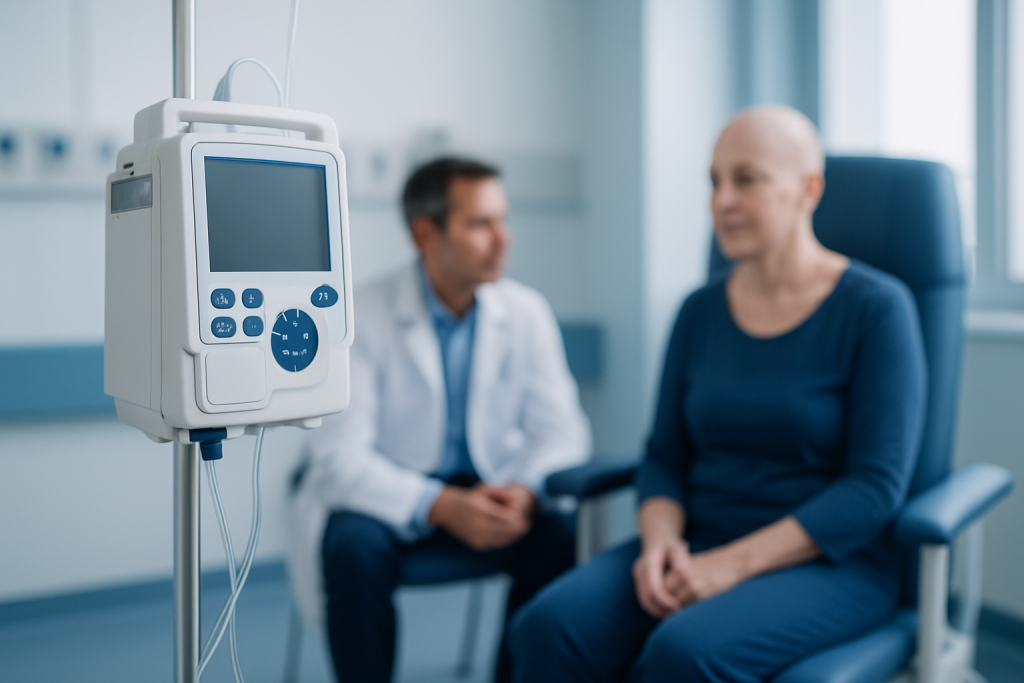
CLL may not cause any symptoms at first. When signs do appear, they are often vague and easy to overlook, such as tiredness, reduced energy, or a sense of being more run-down than usual. Some people notice frequent infections, unexplained weight loss, or night sweats.
As the disease progresses, a person may develop swollen lymph nodes in the neck, armpits, or groin. The spleen can also become enlarged, which may create a feeling of fullness or discomfort under the left ribs. Some patients report easy bruising, bleeding, or shortness of breath if blood counts are affected.
Symptoms can overlap with many other conditions, which is one reason CLL is not diagnosed from symptoms alone. A careful medical history and laboratory testing are needed to understand whether the changes are related to CLL or another cause.
- Fatigue or reduced stamina
- Frequent infections
- Swollen lymph nodes
- Night sweats or fevers
- Unexplained weight loss
- Abdominal fullness from an enlarged spleen
Causes & Risk Factors

Doctors do not know the exact cause of CLL in most cases. The condition starts when one lymphocyte acquires changes that allow it to survive and multiply longer than normal. Over time, these cells accumulate in the blood, bone marrow, lymph nodes, and spleen.
Risk appears to rise with age, and CLL is more commonly diagnosed in older adults. Family history can matter as well, suggesting that inherited factors may influence susceptibility. Men are diagnosed more often than women, though CLL can affect any adult.
Unlike some cancers, CLL is not usually linked to a single clear external cause. People often ask whether stress, routine travel, or a specific food caused the disease; current medical understanding does not support those as typical causes. Environmental exposures may be relevant in some cases, but no single exposure explains most diagnoses.
When international patients compare records from different health systems, it is helpful for the same blood tests and pathology details to be reviewed together. That helps the care team understand the likely pace of the disease and whether any higher-risk genetic features are present.
Diagnosis
CLL is commonly identified through blood tests, especially a complete blood count showing a high lymphocyte count. A doctor may then order additional testing to look at the blood cells more closely and confirm that the increase is due to CLL rather than another condition.
Flow cytometry is an important test because it identifies markers on the leukemia cells and helps distinguish CLL from other lymphoid disorders. Blood smear review, bone marrow evaluation in selected cases, and genetic or molecular tests may also be used to guide the diagnosis and shape treatment planning.
Doctors may order imaging or physical examination to assess the size of lymph nodes, liver, or spleen, but not every patient needs extensive scans. The goal is to gather enough information to understand the disease stage, estimate risk, and decide whether observation or treatment is most appropriate.
For patients who are traveling for care, bringing prior lab reports, pathology slides or blocks if available, and a list of previous treatments can reduce repeat testing and make consultation more efficient. A well-organized record set is especially helpful when follow-up will happen across borders.
Treatment Options
Not everyone diagnosed with CLL begins treatment right away. In early or stable disease, doctors may recommend watchful waiting, which means regular visits and blood tests while monitoring for changes. This approach is common because immediate treatment is not always beneficial when the disease is not causing problems.
When treatment is needed, the choice depends on the person’s age, overall health, symptoms, and the genetic features of the leukemia cells. Modern treatment may include targeted therapies that act on specific pathways in the cancer cells, monoclonal antibodies, and in some cases chemotherapy combinations. The treatment plan is individualized rather than one-size-fits-all.
Supportive care is also important. This may involve managing infections promptly, reviewing vaccines with the care team, and watching for anemia or low platelets. If the spleen is enlarged or lymph nodes are causing discomfort, treatment may be considered to relieve symptoms and improve day-to-day function.
People sometimes worry that all blood cancers require aggressive hospital-based care. In CLL, many treatments are taken by mouth or given in structured outpatient settings, which can make planning easier for patients who need to stay connected with family or return home after part of care.
Prevention & Self-care
There is no proven way to prevent CLL, because the exact cause is not fully understood. Still, patients can take practical steps to support health and reduce complications during monitoring or treatment. The focus is on keeping the immune system protected, tracking changes early, and staying well informed.
Regular follow-up appointments matter because CLL can change slowly over time. Patients should keep a record of symptoms, blood test dates, and medication changes, especially if care is split between countries or between a local doctor and a specialist center abroad. That continuity helps avoid confusion when plans are reviewed later.
General self-care may include good hand hygiene, prompt attention to infections, balanced nutrition, adequate rest, and discussing vaccinations with the doctor before receiving them. Because some CLL treatments affect immunity, patients should not start or repeat vaccines without checking whether they are appropriate for their current situation.
- Keep scheduled blood tests and clinic visits
- Report fevers, infections, or unusual bleeding promptly
- Ask before taking new supplements or medicines
- Carry a medication list when traveling
- Keep copies of pathology and imaging reports
When to See a Doctor
A doctor should evaluate persistent fatigue, swollen lymph nodes, repeated infections, unexplained weight loss, night sweats, or any abnormal blood test that shows a high lymphocyte count. These symptoms do not always mean CLL, but they do deserve medical review.
People already diagnosed with CLL should contact their care team if they notice fever, signs of infection, new or worsening bruising, bleeding, increasing abdominal fullness, or rapidly enlarging lymph nodes. These changes may indicate that the disease is becoming more active or that blood counts are shifting.
If care is being planned from another country, it is wise to arrange consultation early enough to allow review of records and discussion of treatment timing. At Acibadem Health Point, multidisciplinary specialists and JCI-accredited hospitals diagnose and treat CLL for international patients, helping coordinate evaluations, treatment, and follow-up in a structured way.
Any sudden difficulty breathing, severe bleeding, confusion, or other urgent symptom should be assessed immediately. Even when CLL is being monitored rather than actively treated, new symptoms should never be ignored.
Living With CLL Over Time
Living with CLL often means adjusting to a condition that may remain stable for a long time but still needs attention. That can be emotionally challenging, especially for people who expected a definite treatment start after diagnosis. Clear communication with the care team helps patients understand why monitoring is sometimes the safest choice.
Follow-up visits usually focus on symptoms, physical examination, and blood counts. Over time, the doctor may revisit whether treatment is still not needed or whether changes in blood counts, lymph nodes, or overall well-being suggest that active treatment would now be useful.
For international patients, a realistic plan includes not only medical decisions but also travel logistics, access to medicines after returning home, and how to share records with local doctors. A thoughtful handoff makes long-term care more manageable and helps each visit build on the last.
Outlook
CLL varies widely from person to person. Some patients live for many years with little change and need only observation, while others require treatment sooner because the disease becomes more active or symptoms develop. The outlook depends on several factors, including age, overall health, and the biological features of the leukemia cells.
Because treatment options have improved, many people with CLL can be managed with effective long-term strategies that focus on disease control and quality of life. The best plan is the one that fits both the medical facts and the patient’s circumstances, preferences, and support system.
Questions are a normal part of this journey. Understanding what the diagnosis means, what signs to watch for, and how follow-up works can make CLL easier to navigate with steadier confidence.
References
Not every patient needs the same amount of testing or treatment, and information should be interpreted in the context of an individual consultation. Authoritative sources such as hematology and cancer organizations can help patients learn the basics, but they do not replace advice from a qualified doctor who knows the full medical picture.
When in doubt, patients should bring their results and questions to a hematologist or oncology team. That is the most reliable way to clarify whether the diagnosis is stable, what type of monitoring is needed, and whether treatment should begin now or later.
Frequently asked questions
What does CLL cancer mean?
CLL cancer refers to chronic lymphocytic leukemia, a slow-growing cancer of the blood and bone marrow. It causes abnormal lymphocytes to build up and can affect how the immune system works.
Is CLL always treated right away?
No. Some people are monitored with regular blood tests and clinic visits before treatment is needed. Doctors usually start therapy only when the disease is causing symptoms, changing blood counts, or showing other signs of activity.
What tests confirm CLL?
Blood tests are often the first clue, and flow cytometry is commonly used to confirm the diagnosis. In some cases, doctors also order genetic tests, a blood smear, or a bone marrow test to learn more about the disease.
Can CLL be cured?
For many people, CLL is managed as a long-term condition rather than a curable one. Treatment can still be very effective at controlling the disease and easing symptoms, and some patients remain stable for long periods.
What should a person with CLL watch for at home?
Fever, repeated infections, worsening fatigue, bruising, bleeding, night sweats, or growing lymph nodes should be reported to a doctor. These changes may mean the condition is evolving or that blood counts need to be checked.
Why might someone travel abroad for CLL care?
Some patients seek a specialist opinion, more coordinated testing, or treatment planning that fits their schedule and follow-up needs. Bringing prior results and treatment records helps the new team review the case efficiently and safely.
References
- National Cancer Institute
- American Cancer Society
- American Society of Hematology
- Leukemia & Lymphoma Society
- World Health Organization
This article is for general information only and is not a substitute for professional medical advice. Please consult a qualified doctor about your individual situation.