SIBO Symptoms: Causes and Treatment

Key Takeaways
- SIBO symptoms often include bloating, gas, abdominal discomfort, and changes in bowel habits.
- The condition can be associated with slower gut motility, prior surgery, certain medications, and underlying digestive disorders.
- Diagnosis usually relies on a medical history, exam, and sometimes breath testing or other targeted tests.
- Treatment may include addressing the cause, dietary adjustments, and doctor-guided therapy.
- Persistent or worsening digestive symptoms should be discussed with a qualified clinician.
Medically reviewed by the Acıbadem clinical team — August 19, 2026
Small intestinal bacterial overgrowth, or SIBO, can cause digestive symptoms that overlap with many other gut conditions. Recognizing the pattern of bloating, gas, discomfort, and bowel changes can help patients seek the right evaluation and care.
Overview
Small intestinal bacterial overgrowth, commonly called SIBO, describes a situation in which bacteria are present in the small intestine in higher numbers than expected. The small bowel normally contains fewer bacteria than the colon, so when this balance shifts, digestion and absorption can be affected.
For many people, the first clue is not a single dramatic symptom but a familiar pattern that keeps returning: bloating after meals, excess gas, abdominal fullness, or bowel movements that become unpredictable. Because these complaints overlap with irritable bowel syndrome, food intolerances, and other digestive conditions, SIBO is often considered when symptoms persist or do not respond as expected to routine care.
Patients who are traveling for medical evaluation often want clarity quickly and carefully. A thoughtful assessment can help determine whether symptoms fit SIBO, another gastrointestinal issue, or a combination of factors that need to be managed together.
Symptoms
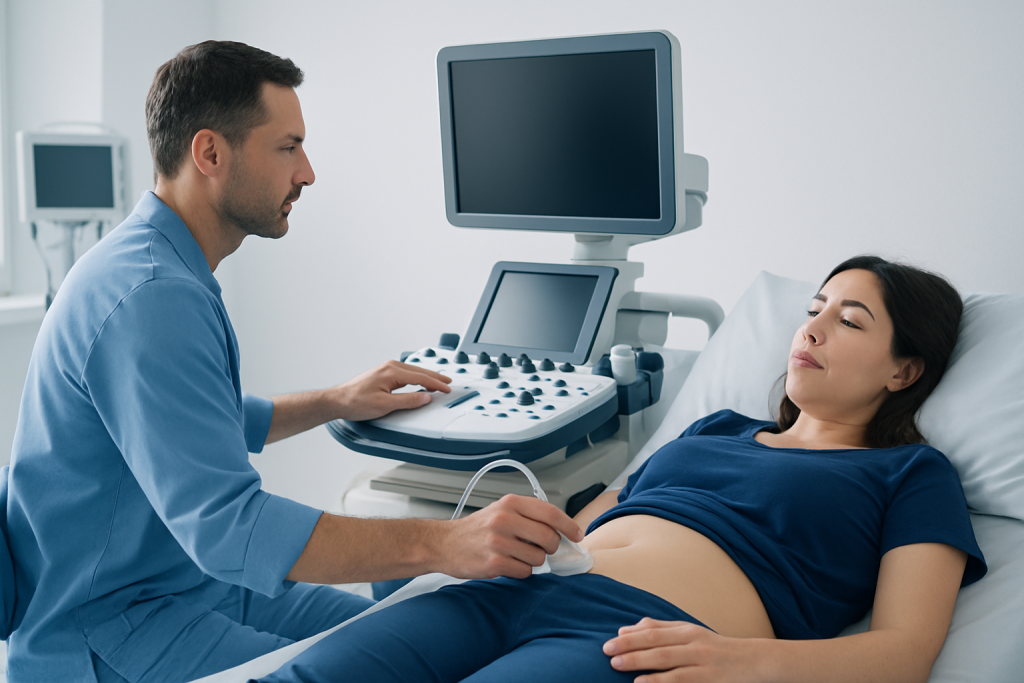
SIBO symptoms can vary from mild to bothersome, and they may come and go. Bloating is one of the most commonly reported symptoms, especially if the abdomen feels tight or distended soon after eating. Gas, burping, and a sense of early fullness are also frequent.
Bowel habits can change in different ways. Some people notice loose stools or diarrhea, while others experience constipation or alternating patterns. Abdominal pain, cramping, nausea, and a reduced appetite may also occur. In more persistent cases, reduced absorption of nutrients can contribute to fatigue, unintended weight loss, or signs of vitamin deficiency.
Possible symptom patterns include:
- Bloating or visible abdominal distension
- Excess gas or frequent belching
- Abdominal discomfort or cramping
- Diarrhea, constipation, or both
- Nausea, poor appetite, or feeling full quickly
- Unexplained tiredness or nutrient-related concerns
These symptoms do not confirm SIBO on their own. They simply suggest a digestive pattern that deserves medical attention, especially if symptoms are lasting, recurring, or interfering with daily life.
Causes & Risk Factors

SIBO is usually linked to one or more factors that allow bacteria to build up in the small intestine. A common theme is slowed movement of the gut, because normal motility helps keep bacterial growth under control. When that movement is reduced, bacteria can remain in the small bowel longer than they should.
Several conditions and circumstances may raise the likelihood of SIBO. These include structural changes after abdominal surgery, intestinal narrowing, diverticula in the small intestine, and disorders that affect motility. Conditions such as diabetes, scleroderma, Parkinson’s disease, or other neurologic and connective tissue disorders can also influence bowel movement and increase risk.
Other contributing factors may include chronic use of certain acid-suppressing medicines, though medicine decisions should always be made with a doctor. A history of recurrent digestive infections, celiac disease, or inflammatory bowel disease may also play a role in some patients. Often, more than one factor is involved, which is why the evaluation looks at the whole digestive picture rather than a single symptom alone.
Diagnosis
Doctors usually begin with a careful symptom review and medical history. They may ask when the symptoms started, how bowel habits have changed, whether symptoms worsen after meals, and whether there is any history of surgery or an underlying condition that affects digestion.
Breath testing is commonly used in the evaluation of suspected SIBO. In this test, a patient drinks a sugar solution and breath samples are collected over time to look for gases produced when bacteria ferment the sugar. Breath testing is helpful in many cases, but it is not perfect, and results must be interpreted in context. A doctor may also consider blood tests, stool tests, or imaging if another digestive disorder needs to be ruled out.
Because no single test tells the full story for every patient, diagnosis often combines symptoms, risk factors, and test results. This approach is especially useful for international patients who may arrive with prior scans or laboratory reports from another country. Bringing previous records can help the treating team move more efficiently from uncertainty to a practical plan.
Treatment Options
Treatment is usually personalized. If a likely trigger or underlying condition is found, addressing that problem is an important first step. For example, doctors may review medications, treat constipation, support motility, or manage a related digestive disorder that is contributing to bacterial overgrowth.
Many patients are treated with doctor-guided antibiotics or other antimicrobial therapy aimed at reducing excess bacteria in the small intestine. The exact approach depends on symptoms, test findings, prior treatment history, and whether diarrhea or constipation is the dominant pattern. Some patients may need more than one treatment cycle, while others improve after a single course.
Dietary strategies can also be part of care, especially for symptom control. A clinician or dietitian may suggest temporary changes that reduce fermentation and help the patient identify foods that aggravate symptoms. It is important to avoid overly restrictive diets without guidance, since unnecessary limitations can lead to poor nutrition and make recovery harder.
When nutrient deficiencies are present, doctors may recommend replacing iron, vitamin B12, fat-soluble vitamins, or other nutrients as needed. Follow-up is often important because symptoms can improve before the underlying cause is fully addressed.
Prevention & Self-care
Not every case of SIBO can be prevented, especially when a structural or chronic medical issue is involved. Still, some practical steps can support digestive health and lower the chance of repeated flare-ups. Regular bowel habits, balanced meals, and appropriate management of constipation may help keep the gut moving normally.
Self-care is most effective when it is realistic and personalized. Eating slowly, noticing which foods worsen symptoms, staying hydrated, and following a doctor-approved meal plan can all be useful. If a patient has been advised to make dietary changes, working with a registered dietitian can help prevent nutritional gaps while symptoms are being managed.
For people recovering after care abroad, follow-up planning matters. A clear written plan for medicines, diet, and warning signs can make it easier to continue treatment once back home. Patients should avoid starting or stopping medications on their own, especially antibiotics or acid-suppressing drugs, without discussing it with their doctor.
When to See a Doctor
A doctor should be consulted if bloating, abdominal discomfort, gas, diarrhea, or constipation keeps returning or lasts longer than expected. Evaluation is also important when symptoms are affecting appetite, sleep, work, or travel, or when over-the-counter measures are no longer helping.
Medical attention is especially important if symptoms come with unintentional weight loss, anemia, persistent vomiting, blood in the stool, fever, or signs of dehydration. These features do not mean SIBO is likely, but they do suggest the need for prompt assessment so that other conditions can be considered.
Patients with a history of abdominal surgery, diabetes, celiac disease, inflammatory bowel disease, or a motility disorder may want to seek evaluation earlier, since SIBO can be part of a broader digestive problem. For international patients, a multidisciplinary review can be helpful because gastroenterologists, nutrition specialists, and imaging or laboratory teams can coordinate the workup and next steps. Acibadem Health Point’s multidisciplinary specialists and JCI-accredited hospitals diagnose and treat this condition for international patients.
Frequently asked questions
What are the most common SIBO symptoms?
The most common symptoms are bloating, excess gas, abdominal discomfort, and changes in bowel habits such as diarrhea or constipation. Some people also feel full quickly or notice nausea after meals. Symptoms can be mild at first and may become more noticeable over time.
Can SIBO feel like irritable bowel syndrome?
Yes. SIBO and irritable bowel syndrome can look very similar, especially when bloating, abdominal pain, and altered bowel habits are present. Because of this overlap, doctors often look at risk factors and test results before deciding on a diagnosis.
How is SIBO usually diagnosed?
Doctors often start with a medical history and physical examination, then may use breath testing to look for gases produced by bacteria in the small intestine. Depending on the situation, other tests may be ordered to rule out related conditions. Diagnosis is usually based on the full clinical picture rather than one test alone.
Is SIBO treated with antibiotics?
In many cases, doctor-guided antibiotics or other antimicrobial therapy are part of treatment. The choice depends on the patient’s symptoms, test findings, and overall health. Treatment often works best when the underlying cause is also addressed.
Can diet alone cure SIBO?
Diet may help reduce symptoms, but it does not usually address the full cause of SIBO by itself. Some people benefit from temporary dietary changes as part of a broader treatment plan. A doctor or dietitian can help prevent unnecessary restriction and nutritional imbalance.
When should someone seek medical advice for bloating and gas?
Medical advice is a good idea when symptoms are persistent, recurring, or interfering with daily life. It is especially important if there is weight loss, blood in the stool, vomiting, fever, or signs of dehydration. These symptoms deserve timely assessment, even if SIBO is not the final diagnosis.
References
- National Institute of Diabetes and Digestive and Kidney Diseases
- American College of Gastroenterology
- Mayo Clinic
- Cleveland Clinic
- World Gastroenterology Organisation
This article is for general information only and is not a substitute for professional medical advice. Please consult a qualified doctor about your individual situation.
Persistent digestive symptoms? Get evaluated in Turkey
JCI-accredited · board-certified surgeons · reply within 24h
Add us as a Preferred Source to see more of our trusted health content across Google Search, AI Overviews and Discover.