Hepatic Steatosis: Causes, Symptoms and Treatment

Key Takeaways
- Hepatic steatosis is a buildup of fat in the liver and can be linked to weight, insulin resistance, alcohol use, or other conditions.
- Many people have no symptoms, so it is often detected during blood tests or imaging done for another reason.
- Lifestyle changes, especially weight management, nutrition, and regular activity, are central to care for many patients.
- Doctors may order blood tests, ultrasound, elastography, or other studies to check liver health and look for fibrosis.
- Ongoing follow-up matters because early liver fat can sometimes progress if the underlying cause is not addressed.
Medically reviewed by the Acıbadem clinical team — August 19, 2026
Hepatic steatosis, often called fatty liver, means fat has built up in the liver cells. It is common, may cause no symptoms at first, and is often found during routine tests or imaging.
Overview
Hepatic steatosis is the medical term for excess fat stored in the liver. The liver normally handles fats in a balanced way, but when more fat enters the liver than it can process, the cells begin to accumulate it. This can happen quietly, without pain or obvious warning signs, which is one reason the condition is frequently discovered during a routine checkup or an imaging test done for another concern.
Not every case follows the same path. In some people, fatty change remains mild and stable. In others, especially when it is tied to metabolic health issues or ongoing alcohol use, it may contribute to inflammation and scarring over time. Understanding which form is present helps guide the next steps, whether the patient is arranging care close to home or seeking a specialist opinion while traveling.
Hepatic steatosis is usually discussed in two broad groups: alcohol-related fatty liver disease and nonalcoholic fatty liver disease, now often called metabolic dysfunction-associated steatotic liver disease in updated terminology. The names differ, but the practical question is similar: what is driving the fat buildup, and what can be done to reduce liver stress and protect long-term health?
Symptoms
Many people with hepatic steatosis feel completely well. That can be reassuring, but it also means the condition may go unnoticed until a scan or blood test prompts a closer look. When symptoms do appear, they are often subtle and nonspecific, such as tiredness, a vague sense of fullness in the right upper abdomen, or general discomfort after meals.
As liver irritation becomes more significant, some people notice reduced energy, poor appetite, or a feeling of being unwell. These symptoms are not unique to liver disease, so they should be interpreted in context rather than assumed to confirm a diagnosis.
Signs that can suggest more advanced liver involvement include yellowing of the eyes or skin, swelling in the legs or abdomen, easy bruising, or confusion. These findings are not typical of simple steatosis and deserve prompt medical evaluation.
Causes & Risk Factors

Fat can collect in the liver for several reasons. One of the most common is a metabolic pattern linked to excess body weight, insulin resistance, type 2 diabetes, high triglycerides, and high blood pressure. In this setting, the liver receives more fatty acids than it can safely manage, especially when overall metabolic health is under strain.
Alcohol use is another important cause. Even when alcohol does not feel excessive from the patient’s point of view, regular intake can affect how the liver processes fat. Other contributors may include certain medications, rapid weight loss, pregnancy-related liver disorders, and, less commonly, inherited or autoimmune conditions.
Risk is not determined by one factor alone. A person may have hepatic steatosis despite only modest weight gain, while another may have obesity and never develop it. Doctors usually look at the whole picture, including family history, medication use, blood sugar control, alcohol intake, and lab findings, to understand the underlying driver.
- Central weight gain or obesity
- Type 2 diabetes or prediabetes
- High cholesterol or triglycerides
- Regular alcohol intake
- Sedentary lifestyle
- Sleep apnea and some hormonal conditions
Diagnosis
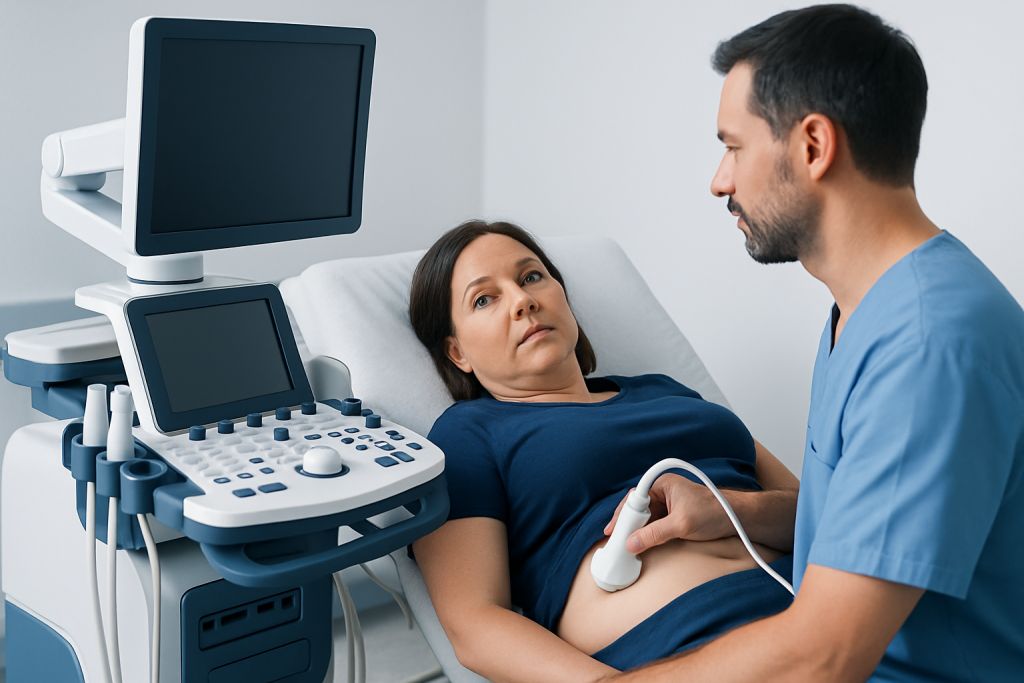
Diagnosis often begins when liver enzymes are mildly elevated on routine blood work or when an ultrasound shows a bright, fatty appearance of the liver. Because these findings can overlap with other conditions, the medical history becomes especially important. A doctor will ask about alcohol use, medications, past illnesses, weight changes, family history, and metabolic risk factors.
Blood tests may be used to look for liver inflammation, assess blood sugar and cholesterol, and rule out other causes of liver disease such as viral hepatitis or autoimmune problems. If the clinical picture suggests possible fibrosis, a specialist may recommend noninvasive scoring tools or elastography, which estimates liver stiffness without a biopsy.
In selected cases, a liver biopsy is considered. This is not needed for everyone, but it can help clarify the degree of inflammation or scarring when results are unclear or when treatment decisions depend on knowing more precisely what is happening inside the liver. For patients coordinating care from another country, a structured diagnostic plan can reduce unnecessary repeat testing and help the team focus on the most informative studies.
Treatment Options
There is no single treatment that fits every patient with hepatic steatosis, because care depends on the cause and whether inflammation or fibrosis is present. For many people, the most effective approach is to address the underlying metabolic drivers through nutrition, physical activity, and gradual weight reduction when appropriate. These changes can lower liver fat and improve blood sugar and cholesterol at the same time.
If alcohol is contributing, reducing or stopping alcohol intake is a key part of treatment. When a medication or another medical condition is involved, the doctor may review whether a change in therapy is possible. In patients with diabetes, high cholesterol, or obesity, treating those conditions well often supports liver recovery as part of a broader plan.
Some patients need medicine for related conditions, and a specialist may discuss options when liver inflammation or fibrosis raises concern. However, most care begins with a careful, sustainable lifestyle plan rather than a quick fix. The most useful treatment is usually the one the patient can realistically continue after returning home, with follow-up testing arranged at an appropriate interval.
- Nutrition changes that reduce excess calories and added sugars
- Regular physical activity tailored to the person’s ability
- Alcohol reduction or avoidance when advised
- Management of diabetes, lipids, and blood pressure
- Monitoring for fibrosis and other liver complications
Prevention & Self-care
Self-care for hepatic steatosis is less about strict rules and more about steady, repeatable habits. A balanced eating pattern that emphasizes vegetables, legumes, whole grains, lean proteins, and unsaturated fats can support both liver and metabolic health. Many patients also benefit from cutting back on sugar-sweetened drinks and highly processed foods, which can add liver strain without making them feel full.
Movement is another practical tool. Even modest increases in daily activity can help improve insulin sensitivity and support weight control. For someone planning international treatment, it helps to think ahead about how routines will be maintained after travel: what meals will be available, what form of exercise is realistic during recovery, and how local doctors at home will receive follow-up instructions.
Sleep, stress, and hydration are often overlooked, yet they influence long-term adherence. Because hepatic steatosis is frequently part of a wider metabolic pattern, self-care works best when it supports the whole system rather than the liver alone. Patients should also avoid starting supplements or herbal products without medical advice, as some can affect the liver.
When to See a Doctor
It is sensible to speak with a doctor if liver fat is found on imaging, if liver tests are abnormal, or if there are risk factors such as diabetes, obesity, high triglycerides, or regular alcohol use. Early assessment can help determine whether the finding is simple steatosis or whether there are signs of inflammation or scarring that need closer attention.
Prompt medical review is especially important if a person develops jaundice, abdominal swelling, vomiting, marked weakness, confusion, or signs of bleeding or easy bruising. These symptoms do not mean the condition is severe in every case, but they do call for timely evaluation.
Patients who are traveling for care may find it useful to bring recent lab results, imaging reports, medication lists, and a brief history of alcohol intake and medical conditions. At Acibadem Health Point, multidisciplinary specialists and JCI-accredited hospitals can diagnose and treat hepatic steatosis for international patients while coordinating care plans that are practical after the patient returns home.
Living With Hepatic Steatosis
Receiving a fatty liver diagnosis can feel unexpected, especially when there are no symptoms. The good news is that hepatic steatosis is often manageable, and many patients improve when the underlying causes are addressed consistently. Progress is usually measured over time, not overnight, so follow-up visits and repeat testing are part of the process rather than a sign that something is going wrong.
People often do best when they view liver care as one piece of overall health management. Blood sugar, cholesterol, body weight, blood pressure, alcohol intake, and physical activity all interact. A clear plan from a clinician helps the patient know what matters most now and what can safely wait until the next review.
For international patients, continuity is especially important. A well-documented diagnosis, understandable discharge instructions, and a follow-up schedule shared with the home-country physician can make the transition smoother and keep care consistent across borders.
Frequently asked questions
Is hepatic steatosis the same as fatty liver disease?
Yes, hepatic steatosis means fat has accumulated in the liver, which is why it is commonly referred to as fatty liver. The term describes the finding itself, while the full diagnosis may also include the cause and whether there is inflammation or scarring.
Can hepatic steatosis be reversed?
In many cases, yes, especially when it is found early and the underlying cause is addressed. Lifestyle changes and treatment of related conditions can reduce liver fat and improve liver health over time.
Does hepatic steatosis always cause symptoms?
No, many people have no symptoms at all. That is why it is often discovered during routine blood tests or imaging done for another reason.
What tests are used to diagnose it?
Doctors commonly use blood tests, ultrasound, and sometimes elastography or other noninvasive fibrosis assessments. A biopsy is reserved for selected cases when more detail is needed.
Should alcohol be avoided completely?
That depends on the cause and severity of the condition, along with the person’s overall health. A doctor can advise whether complete avoidance is best or whether a different plan is appropriate.
When should a specialist be involved?
A liver or digestive specialist is often helpful if blood tests remain abnormal, if fibrosis is suspected, or if the diagnosis is unclear. Specialist input can also help people who are planning care across countries and want a coordinated follow-up plan.
References
- National Institute of Diabetes and Digestive and Kidney Diseases
- American Association for the Study of Liver Diseases
- World Health Organization
- Mayo Clinic
- American Liver Foundation
This article is for general information only and is not a substitute for professional medical advice. Please consult a qualified doctor about your individual situation.
Explore treatments in Turkey — costs, top hospitals & a free quote
JCI-accredited · board-certified surgeons · reply within 24h
Add us as a Preferred Source to see more of our trusted health content across Google Search, AI Overviews and Discover.