GERD Symptoms: Causes, Diagnosis and Treatment

Key Takeaways
- GERD is a chronic form of acid reflux that can affect the esophagus and cause both digestive and non-digestive symptoms.
- Heartburn and regurgitation are classic signs, but cough, hoarseness, and throat irritation may also occur.
- Symptoms often worsen after large meals, lying down, bending over, or eating trigger foods.
- Diagnosis is usually based on symptoms, but some people need tests such as endoscopy or pH monitoring.
- Lifestyle changes and targeted treatment can help reduce symptoms and protect the esophagus.
Medically reviewed by the Acıbadem clinical team — August 19, 2026
GERD symptoms can range from the familiar burning of heartburn to a sore throat, cough, or chest discomfort that seems unrelated to digestion. Understanding the pattern of symptoms helps patients seek the right evaluation and manage reflux more confidently.
Overview
GERD, short for gastroesophageal reflux disease, happens when stomach contents repeatedly flow back into the esophagus. When that backflow becomes frequent enough to cause troublesome symptoms or irritation, it is no longer just occasional reflux; it becomes a condition that deserves attention.
Many people first notice a burning feeling behind the breastbone after meals or when lying down. Others describe a sour taste, a sense of food coming back up, or a vague pressure in the upper chest. GERD symptoms can be easy to dismiss because they often come and go, but a consistent pattern can provide important clues.
For international patients, these symptoms may show up at home, during travel, or after changes in diet, sleep, stress, or routine. A careful review of what triggers the discomfort, how long it has been present, and whether it affects eating or sleep helps doctors decide what kind of care is needed.
Common Symptoms
The most recognized GERD symptom is heartburn. Despite the name, it has nothing to do with the heart; it is a burning sensation felt in the chest or upper abdomen, often rising toward the throat. It may be more noticeable after a heavy meal, spicy food, coffee, alcohol, or when a person lies flat.
Regurgitation is another classic sign. This means stomach acid or food content flows back into the mouth or throat, sometimes leaving a bitter or sour taste. Some people also feel bloated, belch often, or notice that symptoms worsen at night.
GERD can also appear in less obvious ways:
- Persistent sore throat
- Hoarseness or voice changes
- Dry cough, especially at night
- Feeling of a lump in the throat
- Difficulty swallowing or the sense that food is sticking
- Chest discomfort that is not caused by the heart
These symptoms do not always mean GERD is the only cause, which is why professional evaluation matters. A throat symptom or chronic cough can have several explanations, and the right diagnosis prevents unnecessary treatment delays.
Causes & Risk Factors

GERD usually develops when the lower esophageal sphincter, the muscle that acts like a valve between the esophagus and stomach, does not close properly. When that valve relaxes too often or too weakly, stomach acid can move upward more easily.
Certain factors can make this more likely. Larger meals, eating late at night, excess abdominal pressure, and some foods or drinks can all contribute. In some people, a hiatal hernia plays a role by changing the way the stomach and diaphragm work together.
Common factors linked with GERD symptoms include:
- Overweight or obesity
- Pregnancy
- Smoking
- Frequent alcohol use
- Large or high-fat meals
- Stress that affects sleep and eating patterns
- Some medications, depending on the individual
It is worth remembering that triggers vary from person to person. One patient may notice symptoms after tomatoes or citrus, while another feels worse after eating too fast or reclining soon after a meal. A symptom diary can help identify personal patterns more clearly than general lists alone.
Diagnosis
Doctors often begin by listening closely to the symptom story. If a person has typical heartburn and regurgitation, the pattern alone may strongly suggest GERD. The details that matter most are when symptoms occur, how often they happen, and whether they respond to simple measures or medications.
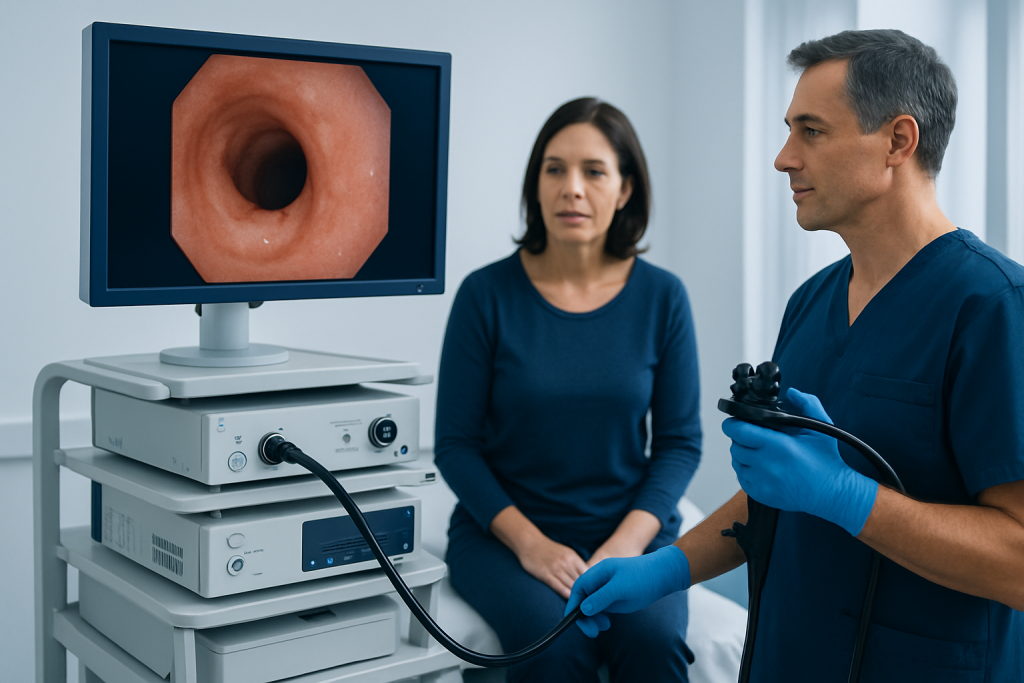
When symptoms are frequent, severe, atypical, or persistent, further testing may be recommended. An upper endoscopy allows the doctor to look directly at the esophagus and stomach lining. Other tests, such as ambulatory pH monitoring, can measure how much acid reaches the esophagus over time.
In some cases, additional evaluation helps rule out heart, lung, or throat conditions that can mimic reflux. This is especially important when chest pain, swallowing problems, unexplained weight loss, or long-standing cough are part of the picture. For someone traveling for care, these tests may be coordinated in a short, focused window so evaluation and next steps are clear before returning home.
Treatment Options
GERD treatment usually starts with a mix of lifestyle changes and medication when needed. The right plan depends on how often symptoms occur, whether the esophagus is irritated, and how much the symptoms affect daily life and sleep.
Medicines may reduce acid production, neutralize acid, or improve symptom control. Doctors choose treatment based on the full clinical picture rather than symptoms alone, because the aim is not only comfort but also protection of the esophagus when reflux is frequent.
In selected cases, procedures or surgery may be discussed. This is more likely when symptoms remain troublesome despite treatment, when there are complications, or when anatomy such as a hiatal hernia is contributing strongly to reflux. For patients coming from abroad, specialists often focus on creating a plan that is practical to continue at home, with clear follow-up instructions and coordinated care.
What helps one person may not be the right choice for another, so self-directed long-term treatment without medical guidance is not ideal. A doctor can help match the approach to the severity of symptoms, other health conditions, and individual goals.
Prevention & Self-care
Many people can reduce GERD symptoms with everyday adjustments. These changes are often simple, but they work best when applied consistently rather than only during flare-ups.
Helpful habits include eating smaller meals, avoiding lying down soon after eating, and elevating the head of the bed if nighttime symptoms are common. Some people also benefit from identifying and limiting specific trigger foods, especially when they notice a repeatable pattern.
Practical self-care steps include:
- Finish meals at least a few hours before bed
- Eat more slowly and avoid very large portions
- Keep track of food, stress, and sleep triggers
- Wear looser clothing around the waist if pressure worsens symptoms
- Stop smoking and reduce alcohol if these are contributing
- Maintain a healthy weight if advised by a clinician
For people managing reflux while traveling, routine can make a noticeable difference. Staying hydrated, planning lighter meals during transit, and keeping medicines in the original packaging with the medical plan can help reduce disruption. If symptoms are linked to jet lag or unfamiliar foods, the body often needs a little time to settle.
Possible Complications
When reflux happens repeatedly, the lining of the esophagus may become irritated. Over time, this can lead to inflammation, narrowing, or more persistent swallowing difficulty. Not everyone with GERD develops complications, but ongoing symptoms should not be ignored.
Long-term irritation can also affect the throat and voice box, which is why some people first seek help for hoarseness or chronic throat clearing rather than classic heartburn. In some cases, reflux-related injury may be present even when the burning sensation is mild.
Complications are one reason medical follow-up matters even if over-the-counter remedies seem to help temporarily. The goal is to control symptoms and, when needed, check whether the esophagus has been affected in a way that requires closer monitoring.
When to See a Doctor
Medical advice is important when GERD symptoms happen often, interrupt sleep, or make eating uncomfortable. Evaluation is also sensible if symptoms persist despite basic measures or return quickly after stopping treatment.
It is especially important to seek care if there is difficulty swallowing, pain with swallowing, unexplained weight loss, vomiting, black stools, or chest pain that needs urgent assessment. Chest discomfort should never be assumed to be reflux if there is any possibility of a heart-related cause.
Patients traveling for treatment may find it helpful to prepare a symptom timeline, a list of medicines, and any prior test results before the appointment. At Acibadem Health Point, multidisciplinary specialists and JCI-accredited hospitals diagnose and treat GERD for international patients, helping coordinate evaluation and follow-up with clarity and continuity.
Frequently asked questions
What are the most common GERD symptoms?
The most common symptoms are heartburn and regurgitation. Heartburn feels like a burning sensation in the chest, while regurgitation is the backflow of food or sour liquid into the throat or mouth. Some people also notice cough, hoarseness, or a lump-in-the-throat feeling.
Can GERD cause chest pain?
Yes, GERD can cause chest discomfort or pain that may feel similar to heart-related pain. Because chest pain can have serious causes, it should be evaluated promptly, especially if it is new, severe, or accompanied by shortness of breath, sweating, or arm pain. Reflux should not be assumed without assessment when the cause is unclear.
Why do GERD symptoms get worse at night?
Symptoms often worsen at night because lying flat makes it easier for stomach contents to move upward. Late meals can also leave more material in the stomach when the person goes to bed. Raising the head of the bed and avoiding meals close to bedtime may help.
How is GERD diagnosed?
Doctors usually start with the symptom pattern and medical history. If needed, they may recommend endoscopy or pH monitoring to look for irritation or measure acid reflux. Testing is more likely when symptoms are persistent, unusual, or associated with swallowing problems or weight loss.
Do all people with GERD need medication?
Not always. Some people improve with lifestyle changes alone, while others need medication to control symptoms and protect the esophagus. A doctor can help decide the most appropriate approach based on symptom frequency and severity.
Can GERD symptoms be different from person to person?
Yes, GERD does not look the same in everyone. Some people have obvious heartburn, while others mainly notice throat irritation, coughing, or a sour taste in the mouth. That is why a full symptom history is often more useful than a single symptom on its own.
References
- National Institute of Diabetes and Digestive and Kidney Diseases
- American College of Gastroenterology
- Mayo Clinic
- NHS
- World Gastroenterology Organisation
This article is for general information only and is not a substitute for professional medical advice. Please consult a qualified doctor about your individual situation.
Persistent digestive symptoms? Get evaluated in Turkey
JCI-accredited · board-certified surgeons · reply within 24h
Add us as a Preferred Source to see more of our trusted health content across Google Search, AI Overviews and Discover.