Sarcoidosis: Symptoms, Causes and Treatment

Key Takeaways
- Sarcoidosis is an inflammatory disease that can involve the lungs, lymph nodes, skin, eyes, heart, or other organs.
- Symptoms may be absent at first or may include cough, shortness of breath, fatigue, skin changes, eye irritation, or chest discomfort.
- Diagnosis usually combines medical history, imaging, blood tests, lung tests, and sometimes tissue biopsy.
- Some people need no treatment, while others benefit from medicines that reduce inflammation and protect organ function.
- Follow-up is important because sarcoidosis can change over time, even when symptoms seem mild.
Medically reviewed by the Acıbadem clinical team — August 19, 2026
Sarcoidosis is an inflammatory condition that can affect one or more organs, most often the lungs and lymph nodes. Its signs vary widely, so understanding the pattern of symptoms and the steps used to confirm the diagnosis can help patients feel better prepared for care.
Overview
Sarcoidosis is an inflammatory condition in which clusters of immune cells, called granulomas, form in one or more organs. These granulomas can appear without a clear trigger, and they most often involve the lungs and lymph nodes, although the skin, eyes, heart, liver, and other organs may also be affected.
For many people, sarcoidosis is discovered by chance during a chest X-ray or scan done for another reason. Others come to care because symptoms have slowly added up over weeks or months. The experience can be confusing, especially for international patients who may already have had one or more evaluations in different health systems before getting a clear answer.
Some cases settle on their own, while others remain active and need monitoring or treatment. Because the pattern is so variable, the most useful approach is not to assume every case will behave the same way, but to understand which organs are involved and whether inflammation is causing harm.
Symptoms
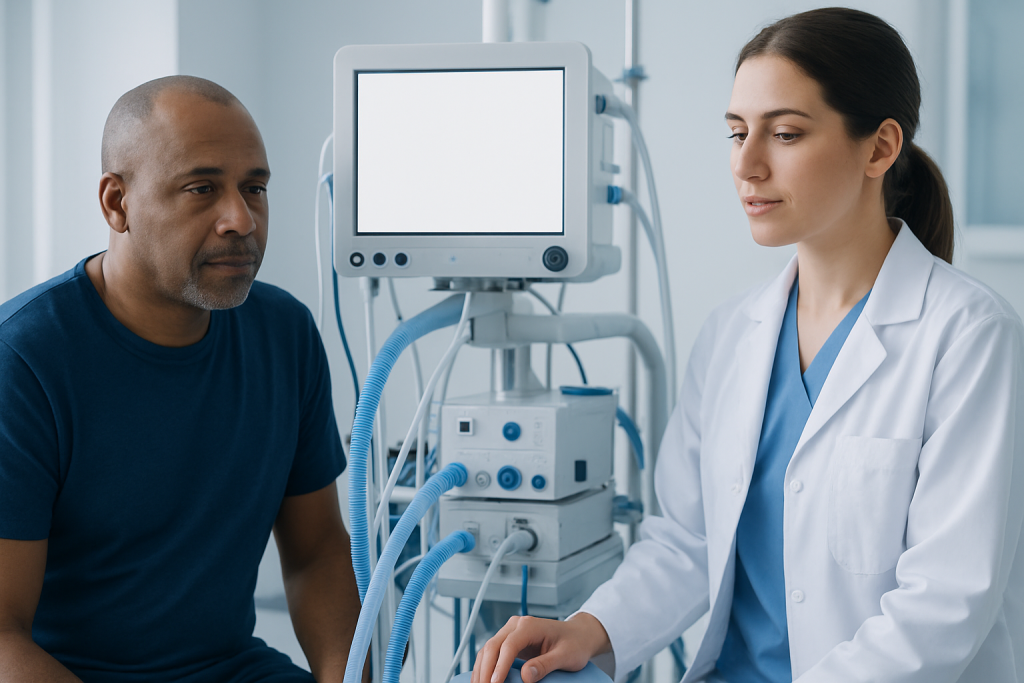
Sarcoidosis symptoms depend on where the granulomas develop and how active the inflammation is. Lung involvement is common, so a dry cough, shortness of breath, wheezing, or chest tightness may be part of the picture. Some people also notice fatigue, low energy, feverish feelings, or unintended weight loss.
Skin and eye symptoms deserve special attention because they can be easier to overlook at first. Skin changes may include tender red bumps, patches, or rashes, while eye involvement can cause redness, pain, blurred vision, light sensitivity, or a feeling that something is stuck in the eye.
Other possible signs include swollen lymph nodes, joint pain, mouth dryness, hoarseness, or palpitations if the heart is involved. A few people have few or no symptoms, which is one reason sarcoidosis is sometimes found during routine imaging or follow-up for another condition.
- Dry cough or breathlessness
- Persistent tiredness
- Skin rashes or nodules
- Eye redness, pain, or blurred vision
- Chest discomfort or palpitations
Causes & Risk Factors

The exact cause of sarcoidosis is not fully understood. Most experts believe it develops when the immune system reacts too strongly to an unknown trigger in a person with a certain genetic tendency. That trigger may involve an infection, environmental exposure, or another stimulus, but no single cause explains every case.
Risk patterns have been observed, although they do not predict with certainty who will develop the disease. Sarcoidosis is more commonly diagnosed in adults, and family history may raise the likelihood in some people. Certain occupational or environmental exposures have also been studied, especially when the lungs are affected, but the relationship is not always straightforward.
What matters most clinically is not only why sarcoidosis started, but whether it is active now and whether any organ function is being affected. This focus helps doctors guide care in a practical way, especially when patients are seeking a second opinion or planning evaluation abroad.
Diagnosis
Diagnosing sarcoidosis usually involves connecting several clues rather than relying on one single test. A doctor typically begins with a careful history and physical examination, followed by imaging such as a chest X-ray or CT scan if lung or lymph node involvement is suspected.
Blood tests may help assess inflammation and organ involvement, though they cannot confirm the condition on their own. Depending on the symptoms, doctors may also order lung function tests, eye examinations, electrocardiography, or other studies to look for involvement beyond the chest.
In many cases, a biopsy is needed to confirm the diagnosis. This means taking a small tissue sample from an affected area and examining it under a microscope for granulomas while also ruling out other conditions that can look similar. For international patients, a coordinated workup is especially helpful because it can reduce delays, avoid duplicate testing, and build a clear treatment plan before travel or return home.
Treatment Options
Treatment depends on whether sarcoidosis is causing symptoms, threatening organ function, or remaining stable enough to watch closely. Some people do not need active treatment at first and are monitored with follow-up visits, imaging, and tests. Others need medication to calm inflammation and protect the affected organs.
Corticosteroids are commonly used because they can reduce inflammation effectively, but doctors try to balance benefits with possible side effects. If longer-term treatment is needed or steroids are not well tolerated, other immune-modulating medicines may be considered. The choice depends on the organ involved, how severe the disease is, and the patient’s overall health.
In selected cases, specialists may also address complications directly, such as breathing support for lung disease or tailored treatment for eye or heart involvement. A multidisciplinary approach is often the safest way to handle sarcoidosis because one condition can affect several body systems at once.
- Observation with regular follow-up
- Corticosteroids when inflammation needs stronger control
- Other immunosuppressive or steroid-sparing medicines in selected cases
- Organ-specific care for eye, heart, skin, or lung involvement
Prevention & Self-care
There is no proven way to prevent sarcoidosis itself, but day-to-day habits can support overall well-being and make symptoms easier to manage. Patients are often encouraged to keep follow-up appointments even when they feel better, because sarcoidosis may change quietly over time.
Self-care also means noticing patterns. Keeping track of cough, breathlessness, eye symptoms, skin changes, fatigue, and any new chest or heartbeat symptoms can help doctors see whether the condition is improving or becoming more active. This is especially useful when care is shared between countries or between local and specialist teams.
General health measures can make a difference: avoiding smoking, staying physically active within personal limits, resting when fatigue is significant, and asking a doctor about vitamin D or calcium supplements before starting them. Because sarcoidosis can affect calcium balance in some people, supplements should be discussed with the care team rather than taken automatically.
When to See a Doctor
Medical review is important if a cough, shortness of breath, fatigue, skin rash, or eye irritation lasts more than a short time or keeps returning. It is also wise to seek assessment if sarcoidosis has already been diagnosed and new symptoms appear, even if they seem unrelated at first.
Prompt evaluation is especially important for vision changes, chest pain, fainting, palpitations, or severe breathlessness, because these can signal organ involvement that needs faster attention. Even when symptoms are mild, doctors may want to follow test results over time to see whether the disease is stable.
For patients traveling for care, it helps to bring prior imaging, biopsy reports, medication lists, and any heart, lung, or eye test results. At Acibadem Health Point, multidisciplinary specialists and JCI-accredited hospitals can support the diagnosis and treatment of sarcoidosis for international patients in a coordinated way.
Frequently asked questions
Is sarcoidosis a form of cancer?
No. Sarcoidosis is an inflammatory disease, not cancer. However, some of its symptoms and imaging findings can look similar to other conditions, which is why doctors sometimes need a biopsy or additional testing to confirm the diagnosis.
Can sarcoidosis go away on its own?
Yes, it can. Some people improve without treatment, while others have ongoing disease that needs medication and regular follow-up. The course varies widely from person to person.
Which organs are most often affected?
The lungs and lymph nodes are affected most often, but sarcoidosis can also involve the eyes, skin, heart, liver, and nervous system. Doctors usually check for symptoms outside the chest because the condition can be broader than it first appears.
How is sarcoidosis usually diagnosed?
Doctors combine symptoms, physical examination, imaging, lab tests, and sometimes tissue biopsy. A biopsy is often used to confirm granulomas and rule out other causes that can mimic sarcoidosis.
What kind of treatment is most common?
Treatment depends on severity and the organs involved. Some patients are monitored without medication, while others need corticosteroids or other medicines to reduce inflammation and protect organ function.
Should people with sarcoidosis take vitamin D or calcium supplements?
They should only do so after speaking with a doctor. Sarcoidosis can affect calcium handling in the body, so supplements that are helpful in other situations may not be appropriate for every patient.
References
- National Heart, Lung, and Blood Institute
- Mayo Clinic
- Cleveland Clinic
- World Health Organization
- American Thoracic Society
This article is for general information only and is not a substitute for professional medical advice. Please consult a qualified doctor about your individual situation.
Explore treatments in Turkey — costs, top hospitals & a free quote
JCI-accredited · board-certified surgeons · reply within 24h
Add us as a Preferred Source to see more of our trusted health content across Google Search, AI Overviews and Discover.