Bronchitis And Acute Bronchitis

Key Takeaways
- Acute bronchitis is usually a short-term inflammation of the bronchial tubes, often after a viral infection.
- A cough that lingers, mucus production, wheezing, and chest tightness are common symptoms.
- Diagnosis is often based on symptoms and a medical exam, with tests used when pneumonia or another condition is a concern.
- Treatment focuses on rest, fluids, symptom relief, and avoiding irritants rather than routine antibiotics.
- People with high fever, shortness of breath, chest pain, or symptoms that do not improve should be evaluated by a doctor.
Medically reviewed by the Acıbadem clinical team — August 19, 2026
Bronchitis and acute bronchitis affect the airways that carry air into the lungs, often causing cough, mucus, and chest discomfort. Most acute cases improve with supportive care, but knowing when symptoms need medical attention helps prevent complications.
Overview
Bronchitis describes inflammation of the bronchial tubes, the airways that carry air to and from the lungs. When those passages become irritated, the lining swells and produces more mucus, which can trigger a persistent cough and a feeling of chest congestion.
Acute bronchitis is the short-term form most people mean when they say they have “bronchitis.” It often follows a cold or flu-like illness and usually improves over days to a few weeks. Chronic bronchitis is different; it is a long-lasting condition, typically linked to ongoing airway irritation such as smoking or long-term exposure to pollutants.
For many patients, the question is not only what bronchitis is, but how to tell it apart from a lingering cold, asthma flare, or pneumonia. That distinction matters because the right care depends on the cause, the severity of symptoms, and whether the lungs themselves are involved.
Symptoms
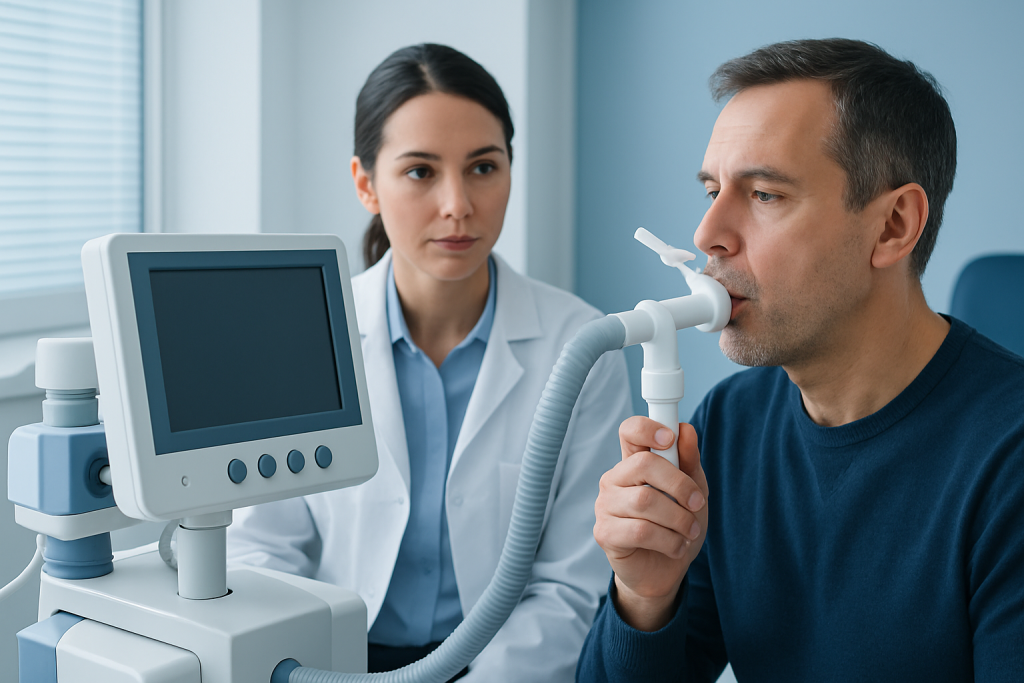
The hallmark symptom of acute bronchitis is a cough that may start dry and later bring up clear, white, yellow, or greenish mucus. The cough can be bothersome, especially at night, and sometimes lasts longer than the original infection that triggered it.
Other common symptoms include a mild fever, chest tightness, wheezing, sore throat, fatigue, and a sense of breathlessness during activity. Some people describe a burning or raw feeling behind the breastbone, especially when coughing repeatedly.
Symptoms can overlap with other respiratory illnesses, so it helps to look at the overall pattern. Bronchitis often causes a productive cough and chest irritation, while higher fever, more pronounced shortness of breath, or significant one-sided chest pain may point to another problem that needs medical assessment.
- Persistent cough, with or without mucus
- Chest discomfort or tightness
- Wheezing or noisy breathing
- Low-grade fever and tiredness
- Throat irritation after a respiratory infection
Causes & Risk Factors

Most acute bronchitis cases begin with a viral infection, such as the viruses that cause colds or influenza. As the infection settles in the upper airways, the bronchial tubes can become inflamed and sensitive, even after the worst of the illness has passed.
Less commonly, bacteria may play a role, but that is not the usual explanation for an everyday case of acute bronchitis. Irritants can also trigger or worsen symptoms, including cigarette smoke, indoor air pollution, dust, chemical fumes, and repeated exposure to cold, dry air.
Certain factors make bronchitis more likely or make recovery feel slower. These include smoking, asthma or allergies, chronic lung disease, weakened immunity, advanced age, and frequent exposure to respiratory infections in close-contact settings such as travel, work, or caregiving.
Diagnosis
Doctors usually diagnose bronchitis by listening to the patient’s story and examining the chest. They ask about the cough, mucus, fever, breathing changes, smoking history, and how long the symptoms have lasted.
A Physical Exam: What to Expect" class="ahp-ilk">physical exam may reveal wheezing or scattered crackling sounds, but these findings do not always mean the lungs are infected. The main task is to decide whether the illness is likely to be uncomplicated acute bronchitis or whether another condition, such as pneumonia, asthma, or heart-related breathing trouble, should be considered.
Tests are not always needed for straightforward cases. If symptoms are severe, prolonged, or unusual, a clinician may order a chest X-ray, oxygen check, or other tests to rule out complications. In an international-patient setting, that evaluation can be coordinated efficiently so imaging and follow-up happen in a clear sequence before the patient returns home.
Treatment Options
Treatment for acute bronchitis focuses on comfort, airway support, and time. Because the cause is usually viral, antibiotics are not routinely helpful. Instead, doctors often recommend rest, fluids, and measures that ease cough and chest irritation while the airways recover.
Symptom relief may include fever reducers or pain relievers, humidified air, throat-soothing measures, and, in selected cases, inhaled medicines if wheezing is present. A doctor may suggest cough relief strategies based on whether the cough is dry, productive, or disrupting sleep, but treatment should always be individualized.
When bronchitis is linked to another condition such as asthma, COPD, or ongoing sinus drainage, that underlying issue also needs attention. For patients traveling from abroad, it can be useful to plan treatment and follow-up together so medications, warning signs, and recovery expectations are explained before departure.
- Supportive care: rest, hydration, and avoidance of smoke
- Targeted symptom relief: only when appropriate and advised
- Treatment of associated conditions such as asthma or allergies
- Monitoring for signs that the illness is becoming more serious
Prevention & Self-care
Good self-care can make the illness easier to manage and may shorten the period of irritation. Drinking enough fluids helps keep mucus thinner, while gentle rest supports the body’s recovery from the infection that started the inflammation.
Avoiding tobacco smoke and other airway irritants is one of the most useful steps. Even secondhand smoke can keep the bronchial tubes inflamed and make coughing last longer. People who are prone to respiratory infections may also benefit from hand hygiene, staying away from sick contacts when possible, and keeping recommended vaccines up to date.
If a patient is recovering while away from home, it helps to keep a simple symptom diary, bring a copy of test results, and know how to contact the care team if breathing changes. That is especially valuable when treatment begins during travel and follow-up must continue in another country.
- Wash hands regularly and avoid close contact with people who are ill
- Do not smoke and minimize exposure to fumes or dust
- Drink fluids and rest adequately
- Use a humidifier if dry air worsens symptoms
- Follow any asthma or allergy plan exactly as prescribed
When To See a Doctor
Medical evaluation is a good idea if a cough lasts longer than expected, keeps returning, or interferes with sleep, work, or daily activity. It is also important when the cough follows a respiratory infection but does not gradually improve over time.
Prompt care is especially important if there is shortness of breath, chest pain, high fever, coughing up blood, confusion, dehydration, or a bluish color around the lips. These symptoms do not automatically mean something dangerous, but they deserve assessment because they can signal pneumonia or another condition that needs specific treatment.
People with asthma, COPD, heart disease, pregnancy, or weakened immune systems should seek advice earlier rather than waiting it out. If care is needed during an international trip or after travel, a multidisciplinary team can help confirm the diagnosis, organize testing, and provide a practical plan for recovery and follow-up. At Acibadem Health Point, multidisciplinary specialists and JCI-accredited hospitals diagnose and treat this condition for international patients.
Living With the Recovery Period
One reason bronchitis feels frustrating is that the cough may linger after the infection has started to fade. That does not always mean the illness is getting worse; in many people, the airways simply remain sensitive for a while before settling down.
The recovery period is often easier when expectations are realistic. A patient may feel ready to resume normal activities before the cough disappears completely, but pacing the return to exercise, avoiding heavy smoke exposure, and using any prescribed medications correctly can help the airways calm down.
If the cough changes character, symptoms intensify, or breathing becomes more difficult, the recovery is no longer routine and should be reassessed. In that way, follow-up is not about overreacting; it is about recognizing when a common condition is no longer following a common course.
Frequently asked questions
Is acute bronchitis contagious?
The infection that triggers acute bronchitis is often contagious, especially when it is caused by a virus. The bronchitis itself is the airway inflammation that follows, so prevention focuses on limiting spread of the underlying infection through handwashing, covering coughs, and avoiding close contact when ill.
Do antibiotics help bronchitis?
Antibiotics are not usually helpful for acute bronchitis because most cases are caused by viruses. A doctor may consider them only in specific situations, such as when a bacterial infection is suspected or another condition is present.
How long does bronchitis usually last?
The more intense symptoms often improve within a couple of weeks, but the cough can linger longer because the airways stay sensitive after the infection. If symptoms are not gradually improving or keep returning, medical review is sensible.
Can bronchitis turn into pneumonia?
Bronchitis does not always turn into pneumonia, but the two can sometimes be confused because their symptoms overlap. If fever is high, breathing becomes more difficult, or chest pain worsens, a doctor should check for pneumonia or another lung problem.
What helps ease a bronchitis cough at home?
Rest, fluids, and avoiding smoke or strong fumes are the most useful home measures. Humidified air may also help some people feel more comfortable, but persistent or severe symptoms should still be assessed by a clinician.
When should someone with bronchitis get checked urgently?
Urgent evaluation is appropriate for severe shortness of breath, chest pain, coughing up blood, confusion, or lips that look bluish. These symptoms can indicate a more serious respiratory issue and should not be ignored.
References
- Centers for Disease Control and Prevention
- National Heart, Lung, and Blood Institute
- World Health Organization
- Mayo Clinic
- American Lung Association
This article is for general information only and is not a substitute for professional medical advice. Please consult a qualified doctor about your individual situation.
Explore treatments in Turkey — costs, top hospitals & a free quote
JCI-accredited · board-certified surgeons · reply within 24h
Add us as a Preferred Source to see more of our trusted health content across Google Search, AI Overviews and Discover.