Is Pneumonia Contagious?

Key Takeaways
- Pneumonia itself is not always contagious; the germs that cause it sometimes are.
- Bacterial and viral pneumonia may spread through droplets, close contact, or contaminated surfaces.
- Symptoms such as cough, fever, shortness of breath, and chest discomfort should be assessed by a clinician.
- Diagnosis usually combines a physical exam, oxygen checks, chest imaging, and sometimes lab tests.
- Treatment depends on the cause and may include antibiotics, antivirals, oxygen support, and rest.
- Prevention relies on vaccination, hand hygiene, avoiding smoke exposure, and early care for worsening symptoms.
Medically reviewed by the Acıbadem clinical team — August 19, 2026
Pneumonia can be contagious when it is caused by certain viruses or bacteria, but not every case spreads from person to person. Understanding the cause, the symptoms, and the stage of illness helps patients protect themselves and others while seeking timely care.
Overview
The question “Is pneumonia contagious?” does not have a single yes-or-no answer. Pneumonia is a lung infection, but whether it can spread depends on what caused it. Some forms begin with germs that pass from one person to another, while others develop after aspiration, irritation, or as a complication of another illness.
For patients deciding whether to travel for care, the practical issue is not just the label “pneumonia.” It is knowing whether the infection is likely to spread, how urgently it needs medical attention, and what level of support may be required during recovery. A doctor’s evaluation can clarify the type of pneumonia and the best next steps.
In everyday terms, pneumonia inflames the air sacs in one or both lungs. These air sacs may fill with fluid or pus, making breathing harder and reducing oxygen exchange. The illness can range from mild to severe, and the contagiousness often changes as the infection evolves and treatment begins.
Symptoms
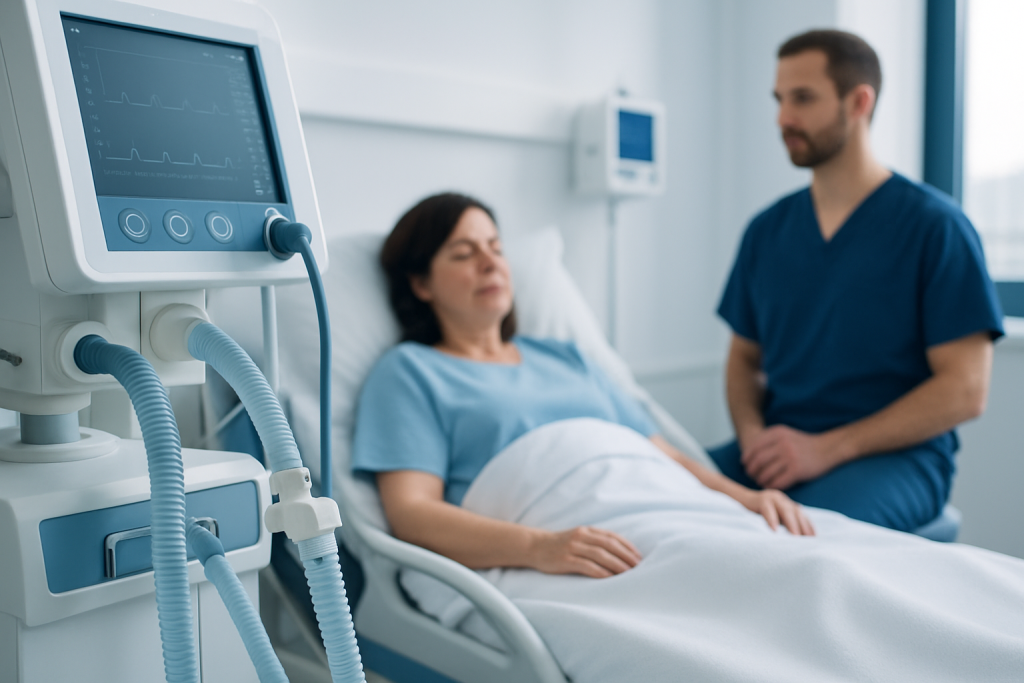
Pneumonia often starts after what seems like an ordinary respiratory infection and then becomes more intense. A persistent cough, fever, chills, and fatigue are common. Some people also notice shortness of breath, chest pain that worsens with breathing or coughing, and a general feeling of being unwell.
Symptoms can look different depending on age and underlying health. Older adults may have confusion, reduced appetite, or weakness rather than a high fever. Children may breathe faster, have trouble feeding, or appear unusually sleepy.
Because pneumonia and other respiratory infections can overlap, symptoms alone do not tell a patient whether the condition is contagious. They do, however, help indicate when a medical assessment is needed, especially if breathing becomes more difficult or the fever does not settle.
- Ongoing cough, sometimes with mucus
- Fever, chills, or sweating
- Shortness of breath or rapid breathing
- Chest discomfort when breathing deeply
- Fatigue, weakness, or loss of appetite
Causes & Risk Factors

Pneumonia can be caused by bacteria, viruses, fungi, or by inhaling food, liquid, or vomit into the lungs. Bacterial and viral pneumonia are the forms most often associated with person-to-person spread. Aspiration pneumonia is not contagious in the usual sense because it results from material entering the lungs rather than from catching an infection from someone else.
Contagious forms spread in different ways. Respiratory droplets from coughing, sneezing, or close contact can transmit some bacteria and viruses. Touching surfaces contaminated with respiratory secretions and then touching the face may also contribute, although this is less common than droplet spread for many infections.
Certain groups have a higher chance of developing pneumonia or having a more complicated course. These include older adults, infants, people who smoke, and those with chronic lung disease, heart disease, diabetes, weakened immunity, or recent viral infections such as influenza or COVID-19. Travel, crowded settings, and prolonged close contact can increase exposure to contagious respiratory germs.
Diagnosis
Doctors usually start with a detailed history and physical examination. They listen to the lungs, check breathing patterns, and assess oxygen levels. The pattern of symptoms, recent illness, and exposure history helps them judge whether a contagious infection is likely.
Chest imaging, often a chest X-ray, is commonly used to confirm pneumonia and see where the lungs are affected. Depending on the situation, blood tests, sputum tests, or viral swabs may be ordered to identify the cause. These tests can guide treatment and help determine whether isolation precautions are needed.
For patients seeking care from another country, diagnosis may also include review of prior medical records, medication lists, and any recent test results. This is especially useful when symptoms began before travel or when care has already started elsewhere. Clear communication about when symptoms began, whether there was fever, and whether others nearby are ill can be very helpful.
Treatment Options
Treatment depends on what caused the pneumonia and how sick the patient is. Bacterial pneumonia is often treated with antibiotics, while viral pneumonia may improve with supportive care and, in some cases, antiviral medicine if a specific virus is identified. Fungal pneumonia is less common and requires specialized treatment.
Supportive care is an important part of recovery. This may include fluids, rest, fever relief, and oxygen if levels are low. Some patients need hospital care for closer observation, especially if they are older, dehydrated, confused, or having difficulty breathing.
During treatment, contagiousness often decreases as the infection is controlled, but the timing varies by organism and individual response. A clinician may advise temporary precautions such as staying home, limiting close contact, wearing a mask around others, or avoiding travel until the patient is stable and less likely to spread infection.
When a patient is traveling for treatment, planning matters. It is wise to confirm whether follow-up imaging, lab checks, or repeat examinations will be needed before returning home. A coordinated care team can help make recovery smoother and reduce the chance of interrupted treatment.
Prevention & Self-care
Prevention begins with reducing exposure to respiratory germs and supporting lung health. Vaccination against influenza, pneumococcal disease, COVID-19, and other relevant infections can lower the risk of some causes of pneumonia. Hand hygiene, cough etiquette, and staying away from people who are actively ill are simple but effective habits.
Self-care is most useful when it complements medical advice rather than replacing it. Adequate rest, hydration, and smoke avoidance can help the body recover. People with chronic conditions should keep them well controlled, since diabetes, asthma, COPD, and heart disease can make pneumonia harder to manage.
- Wash hands regularly and avoid touching the face
- Keep up to date with recommended vaccines
- Do not smoke and avoid secondhand smoke
- Use a mask if advised by a clinician, especially around others
- Follow the full treatment plan and attend follow-up visits
For international patients, practical prevention also includes knowing the local medical plan before traveling back home. If symptoms are still active, it may be safer to delay nonessential travel until a doctor confirms that the illness is improving and the patient can fly or move comfortably.
When to See a Doctor
Medical assessment is important when pneumonia is suspected, especially if symptoms are worsening rather than improving. A persistent high fever, increasing shortness of breath, chest pain, confusion, bluish lips, or difficulty staying awake all call for prompt evaluation. In children and older adults, even subtle changes can be meaningful.
Patients should also seek medical advice if they have a cough and fever after exposure to someone with a respiratory infection, or if they belong to a higher-risk group. People with weakened immune systems, significant chronic illness, or a recent hospital stay may need earlier assessment because complications can develop faster.
If symptoms are severe, emergency care is appropriate. Otherwise, a timely clinic visit can help determine whether the infection is contagious, whether isolation is needed, and which treatment is best. For patients receiving care abroad, coordinated follow-up after discharge is part of safe recovery, not an extra step to be postponed.
Acibadem Health Point supports international patients with multidisciplinary specialists and JCI-accredited hospitals that diagnose and treat pneumonia with coordinated care when needed.
Living With Recovery and Protecting Others
Recovery from pneumonia often continues after the fever has gone. Cough and fatigue may linger for a while, and that does not always mean the infection is still active. What matters is the trend: breathing should gradually become easier, strength should slowly return, and follow-up advice should be followed carefully.
To protect household members, patients are usually advised to cover coughs, wash hands, clean frequently touched surfaces, and avoid sharing cups or utensils during the infectious period. If a clinician recommends staying home from work, school, or travel for a time, that guidance is meant to protect both the patient and people around them.
When recovery feels uneven, it is reasonable to ask a doctor whether the course is still expected or whether a re-check is needed. A calm, organized plan is often the best way to move from active illness to full recovery.
Frequently asked questions
Is pneumonia always contagious?
No. Pneumonia is not always contagious because it can be caused by different germs or by aspiration. Bacterial and viral pneumonia are the forms most likely to spread from person to person, while aspiration pneumonia is generally not contagious in the usual sense.
How does contagious pneumonia spread?
It can spread through respiratory droplets when an infected person coughs, sneezes, talks closely, or shares air in crowded spaces. In some cases, touching contaminated surfaces and then touching the face may also play a role.
Can someone spread pneumonia before knowing they have it?
Yes, a person can sometimes pass on the virus or bacteria causing the infection before they realize they are ill. That is one reason early attention to cough, fever, and breathing changes is important.
How long is pneumonia contagious?
The contagious period depends on the cause, how severe the infection is, and whether treatment has started. A clinician can give the safest advice based on the specific diagnosis and the patient’s recovery progress.
Can antibiotics make pneumonia stop being contagious?
If the pneumonia is caused by bacteria, antibiotics may reduce infectiousness over time as the germ is controlled. However, the exact timing varies, so patients should follow their doctor’s guidance about isolation, work, school, and travel.
When should a person with pneumonia get urgent care?
Urgent care is important if there is severe shortness of breath, chest pain, confusion, bluish lips, or trouble staying awake. Infants, older adults, and people with weakened immunity should be assessed sooner if symptoms are changing quickly.
References
- World Health Organization
- Centers for Disease Control and Prevention
- National Heart, Lung, and Blood Institute
- Mayo Clinic
- NHS
This article is for general information only and is not a substitute for professional medical advice. Please consult a qualified doctor about your individual situation.
Explore treatments in Turkey — costs, top hospitals & a free quote
JCI-accredited · board-certified surgeons · reply within 24h
Add us as a Preferred Source to see more of our trusted health content across Google Search, AI Overviews and Discover.