Pneumonia Symptoms, Causes and Treatment

Key Takeaways
- Pneumonia symptoms can include cough, fever, shortness of breath, chest pain, and fatigue.
- Symptoms may appear gradually or suddenly, and they can differ in older adults, young children, and people with chronic illness.
- A doctor may confirm pneumonia with an exam, oxygen check, chest imaging, and sometimes laboratory tests.
- Treatment depends on the cause and severity, and rest, hydration, and follow-up are part of recovery.
- Urgent medical help is needed if breathing becomes difficult, lips turn blue, or confusion develops.
Medically reviewed by the Acıbadem clinical team — August 19, 2026
Pneumonia can begin like an ordinary respiratory infection, but its symptoms often become more intense and persistent. Recognizing the pattern early helps a person seek the right care and recover more safely.
Overview
Pneumonia is an infection that inflames the air sacs in one or both lungs. These air sacs may fill with fluid or pus, which makes breathing less efficient and gives rise to the symptoms people usually notice first: cough, fever, chest discomfort, and tiredness.
Because pneumonia can start after what seems like a common cold or flu, its symptoms are not always recognized immediately. A person may first notice a lingering cough or a fever that does not settle, then gradually feel more short of breath or weak. For international patients deciding whether to travel for care or continue treatment at home, this progression matters: worsening breathing symptoms should not be ignored, especially if they interfere with daily activity, sleep, or walking short distances.
Pneumonia is not one single illness. It can be caused by bacteria, viruses, or less commonly fungi, and the symptom pattern can vary with the cause and the person’s overall health. A clear understanding of the symptom pattern helps guide the next step: home observation for mild cases, or prompt medical assessment when symptoms are more concerning.
Symptoms
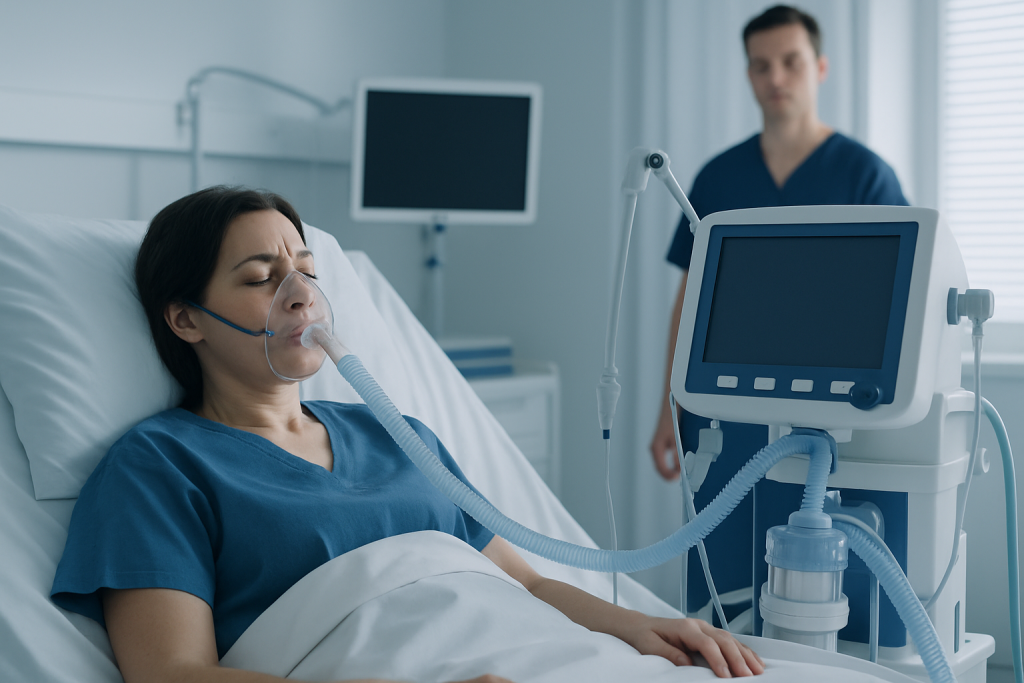
The most familiar pneumonia symptom is a cough, which may be dry at first or produce mucus. The mucus can be clear, yellow, green, or sometimes blood-streaked. Fever, chills, and sweating are also common, and many people feel unusually tired or weak even before the cough becomes severe.
Breathing-related symptoms deserve close attention. A person may notice shortness of breath during normal activity, faster breathing, or a sense that taking a full breath requires more effort. Chest pain may happen, especially when coughing or breathing deeply; this pain is often sharp rather than dull.
Other symptoms can include headache, loss of appetite, muscle aches, nausea, or confusion. In older adults, symptoms may be less typical: fever and cough may be mild or absent, while confusion, sleepiness, low energy, or a sudden decline in daily functioning becomes more noticeable.
- Common symptoms: cough, fever, chills, fatigue, shortness of breath
- Possible accompanying symptoms: chest pain, mucus production, muscle aches, nausea
- More urgent signs: bluish lips, confusion, severe breathing difficulty
Children may show different patterns as well. They can breathe faster than usual, have poor feeding, vomit after coughing, or seem irritable and less playful. Since children cannot always describe how they feel, changes in behavior and breathing may be more informative than the cough itself.
Causes & Risk Factors

Pneumonia develops when germs reach the lungs and trigger inflammation. Bacterial pneumonia is one well-known type, but viral pneumonia is also common, particularly during seasonal outbreaks of respiratory viruses. In some situations, inhaled food, liquid, or vomit can lead to aspiration pneumonia.
Certain conditions increase the chance that pneumonia symptoms will be more severe or take longer to improve. People with weakened immune systems, chronic lung disease, heart disease, diabetes, or a history of smoking may be more vulnerable. Recent surgery, prolonged bed rest, or difficulty swallowing can also raise the risk.
Travel and treatment decisions can affect risk in practical ways. Someone recovering from illness, moving through airports, or crossing time zones may miss early warning signs or delay evaluation. For that reason, a person with new cough and fever who is planning international travel should consider medical assessment before departure, especially if shortness of breath is already present.
Risk factors often include:
- Age at the extremes of life, especially older adults and very young children
- Smoking or exposure to secondhand smoke
- Chronic lung or heart disease
- Diabetes or immune system problems
- Recent viral respiratory infection
- Difficulty swallowing or aspiration risk
Diagnosis
Diagnosis usually begins with a detailed conversation about symptoms and a physical examination. A clinician listens to the lungs, checks breathing rate, pulse, and temperature, and may measure oxygen saturation with a small device clipped to the finger. These early steps help show whether the body is working harder to breathe than it should.
If pneumonia is suspected, a chest X-ray is often used to look for inflammation or fluid in the lungs. Depending on the situation, a doctor may order blood tests, a swab test for viruses, or a sputum sample to help identify the likely cause. Not every patient needs every test; the workup is tailored to symptoms, age, and overall health.
For patients who are far from home, diagnosis can be especially important because treatment plans must be practical. A doctor may also consider whether home recovery is safe, whether a person needs oxygen, or whether hospital care is the better option. Clear instructions about follow-up matter, since improvement should be monitored rather than assumed.
Treatment Options
Treatment depends on the cause and severity of pneumonia. Bacterial pneumonia is commonly treated with antibiotics chosen by a clinician, while viral pneumonia may improve with supportive care and, in some cases, antiviral medication when appropriate. The main goal is to treat the infection and support breathing while the lungs heal.
People are often advised to rest, drink enough fluids, and manage fever or discomfort with clinician-approved medicines. If oxygen levels are low or breathing is strained, a hospital stay may be needed for monitoring, oxygen therapy, or intravenous treatment. A person should not try to self-diagnose the cause of pneumonia based on symptoms alone, because bacterial and viral infections can look similar at first.
Recovery may take time even after the infection starts to clear. Cough and tiredness often improve gradually rather than disappearing overnight. This can be frustrating for travelers who want to return home quickly, but leaving too soon may be unwise if breathing remains unstable or a follow-up visit is still needed.
Useful treatment goals often include:
- Relieving fever, pain, and cough under medical guidance
- Supporting breathing and oxygen levels
- Addressing the underlying infection
- Watching for complications or lack of improvement
Prevention & Self-care
Prevention starts with reducing exposure to respiratory infections and supporting overall lung health. Hand hygiene, avoiding smoke, staying up to date with recommended vaccines, and managing chronic conditions all help lower risk. For people who are frequently exposed to sick contacts or crowded transit, small habits such as wearing a mask during outbreaks may also be helpful.
Self-care during recovery should be simple and steady. Rest is important, but complete immobility is usually not necessary unless a doctor advises it. Drinking enough fluids, eating light nourishing meals if appetite is low, and using prescribed medication as directed can support healing. A person should avoid smoking and should not return too quickly to strenuous exercise if breathing still feels limited.
International patients should think ahead about follow-up. If treatment begins abroad, it helps to keep a copy of test results, imaging reports, and medication instructions for the next doctor at home. That continuity can make recovery smoother and reduce the chance of confusion about what was already done.
When to See a Doctor
Medical evaluation is appropriate when cough and fever are persistent, when breathing feels harder than usual, or when chest pain develops with a respiratory illness. If symptoms are getting worse instead of improving after a few days, a doctor should assess the situation rather than waiting it out. A steady cough with fatigue may seem manageable at first, but pneumonia can progress quietly.
Urgent care is needed if a person has severe shortness of breath, blue or gray lips, confusion, severe drowsiness, chest pain that is significant, or difficulty staying awake. Babies, older adults, and people with chronic illness should be assessed promptly if symptoms change quickly or feeding, hydration, or alertness becomes concerning.
For international patients, it is especially sensible to seek care before travel if pneumonia symptoms are active. At Acibadem Health Point, multidisciplinary specialists and JCI-accredited hospitals diagnose and treat pneumonia for international patients, helping coordinate care when a person needs evaluation, treatment, or follow-up away from home.
Frequently asked questions
What are the first signs of pneumonia?
Early pneumonia often starts with a cough, fever, and a general feeling of being unwell. Some people also notice chills, fatigue, or chest discomfort before shortness of breath becomes obvious. Symptoms can resemble a cold or flu at first, which is why persistence and worsening are important clues.
Can pneumonia happen without a fever?
Yes, pneumonia can occur without a fever, especially in older adults or people with weaker immune systems. In those cases, confusion, weakness, poor appetite, or a sudden decline in energy may be more noticeable than fever. A clinician can help determine whether the symptoms fit pneumonia or another condition.
How is pneumonia different from bronchitis?
Both can cause cough, mucus, and fatigue, but pneumonia affects the lung air sacs, while bronchitis affects the bronchial tubes. Pneumonia more often causes fever, shortness of breath, and chest pain with breathing. A medical exam and sometimes a chest X-ray are used to tell them apart.
When should breathing symptoms be treated as urgent?
Breathing symptoms become urgent if a person is struggling to breathe, breathing very rapidly, turning blue around the lips, or becoming confused or unusually sleepy. These signs suggest that the lungs may not be exchanging oxygen well enough. Emergency evaluation is the safest next step.
Does every pneumonia patient need antibiotics?
No, antibiotics are not used for every case because pneumonia can be caused by viruses or other organisms. A doctor chooses treatment based on the likely cause, test results, and the person's overall condition. Using the right treatment matters more than using the same treatment for everyone.
How long does recovery usually take?
Recovery time varies widely. Some people feel better within days, while cough and fatigue may linger longer even after the infection starts improving. Follow-up is important if symptoms do not steadily get better or if breathing remains difficult.
References
- World Health Organization
- Centers for Disease Control and Prevention
- Mayo Clinic
- National Heart, Lung, and Blood Institute
- NHS
This article is for general information only and is not a substitute for professional medical advice. Please consult a qualified doctor about your individual situation.
Explore treatments in Turkey — costs, top hospitals & a free quote
JCI-accredited · board-certified surgeons · reply within 24h
Add us as a Preferred Source to see more of our trusted health content across Google Search, AI Overviews and Discover.