

Sacroiliitis: Symptoms, Causes and Treatment

Key Takeaways
- Sacroiliitis affects the sacroiliac joints, which help transfer weight between the spine and pelvis.
- Pain often appears in the lower back, buttocks, hips, or pelvis and may worsen with standing, stairs, or long periods of sitting.
- It can be linked to inflammatory arthritis, injury, pregnancy-related stress, infection, or mechanical strain.
- Diagnosis may include a physical examination, imaging, and sometimes blood tests or guided injections.
- Treatment often combines medication, physical therapy, activity adjustment, and in select cases procedures or surgery.
Medically reviewed by the Acıbadem clinical team — August 19, 2026
Sacroiliitis is inflammation of one or both sacroiliac joints, the connectors between the lower spine and pelvis. It can cause low back, buttock, or pelvic pain and is usually managed with a mix of diagnosis, targeted treatment, and movement-based care.
Overview
Sacroiliitis refers to inflammation in one or both sacroiliac joints, commonly called the SI joints. These joints sit where the lower spine meets the pelvis and play a quiet but important role in absorbing shock and transferring load during walking, lifting, and standing.
When the joints become irritated, movement that once felt ordinary can begin to feel uneven or painful. Some people notice a deep ache near the lower back or buttock, while others describe pain that seems to spread into the hip, groin, or upper thigh. Because the discomfort can resemble other back or pelvic problems, sacroiliitis is often evaluated as part of a broader musculoskeletal assessment rather than as a stand-alone finding.
The condition may arise from inflammatory disease, such as spondyloarthritis, or from mechanical stress related to posture, pregnancy, trauma, leg-length differences, or repetitive loading. In international patients seeking care, the path to relief often starts with a careful review of symptoms, past injuries, and prior imaging so the treatment plan matches the true cause of the joint inflammation.
Symptoms
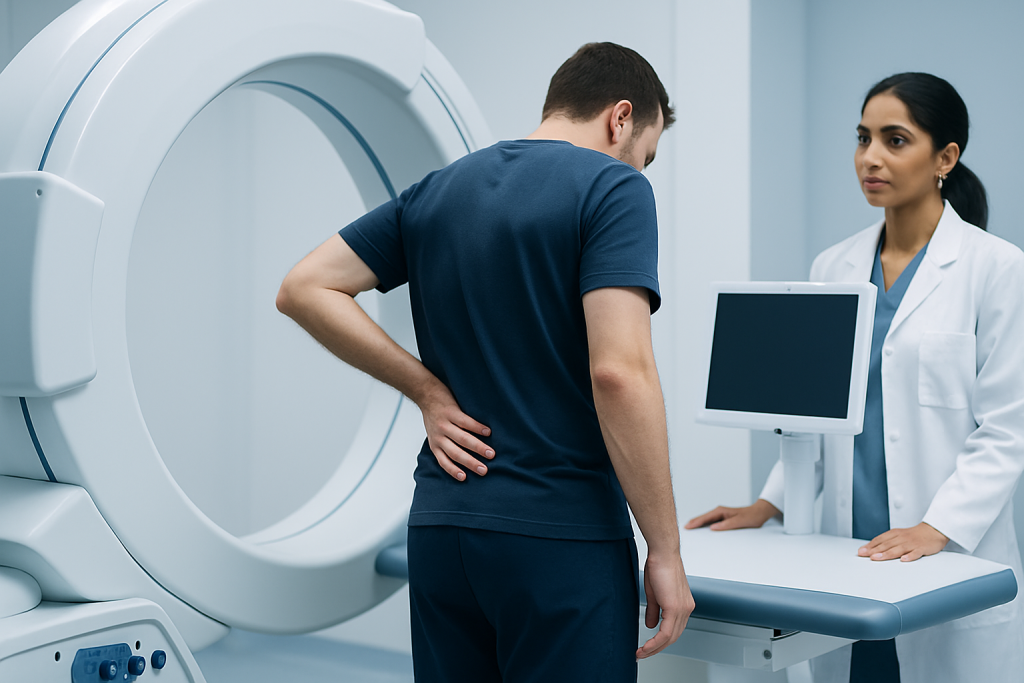
The most common complaint is pain felt low in the back, on one or both sides of the buttocks, or deep in the pelvis. Some people find that the pain is worse after sitting for a long time, getting out of a chair, climbing stairs, rolling in bed, or standing on one leg.
Symptoms may be steady and dull, or they may flare after activity and settle with rest. In inflammatory forms, stiffness is often more noticeable in the morning or after periods of inactivity, and it may improve as the body starts moving. In mechanical forms, discomfort may appear more clearly after lifting, twisting, or other strain.
Depending on the underlying cause, sacroiliitis may also come with tenderness over the joint, reduced range of motion, or pain that seems to shift from one side to the other. Less commonly, fever, general unwellness, or severe worsening pain may suggest infection or another condition that needs prompt medical attention.
- Low back pain below the waistline
- Buttock or hip pain, sometimes on one side only
- Stiffness after rest or in the morning
- Pain with stairs, walking, or turning in bed
- Tenderness near the pelvis or sacrum
Causes & Risk Factors
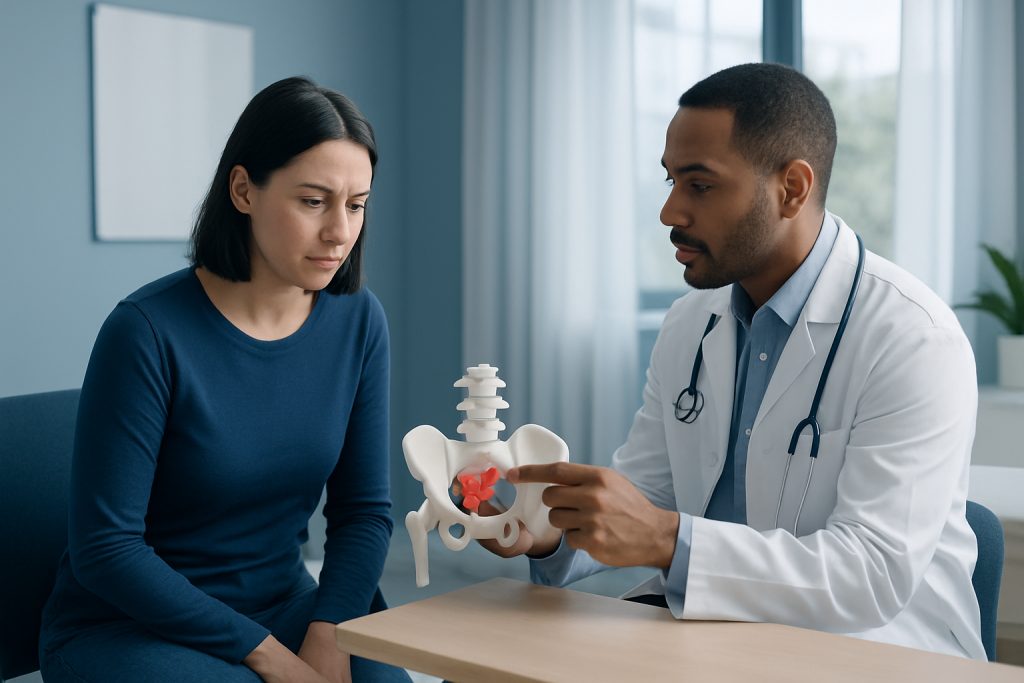
Sacroiliitis can develop from several different pathways, and identifying the source matters because treatment depends on it. Inflammatory conditions such as ankylosing spondylitis, psoriatic arthritis, or other forms of spondyloarthritis may involve the SI joints early in the disease process.
Mechanical causes are also common. Pregnancy, recent childbirth, altered gait, heavy lifting, falls, sports injuries, or repetitive stress can strain the joint surface and the surrounding ligaments. Sometimes the joint becomes painful after spinal surgery, infection, or a nearby inflammatory process.
Risk tends to rise when the joint is exposed to repeated stress or when the immune system is driving inflammation. A family history of inflammatory arthritis, a history of back pain that improves with activity, or symptoms that begin at a younger age may point clinicians toward an inflammatory pattern. In patients traveling for care, physicians often compare prior imaging and reports with the current exam to distinguish new inflammation from long-standing wear-and-tear changes.
- Inflammatory arthritis or autoimmune disease
- Pregnancy and postpartum pelvic strain
- Trauma, falls, or sports injuries
- Repetitive lifting, twisting, or uneven loading
- Infection, though this is less common
Diagnosis
Diagnosis usually begins with a detailed history and physical examination. A clinician will ask where the pain is located, what makes it better or worse, how long it has been present, and whether there are symptoms that suggest inflammatory disease, infection, or another source of pain.
Because SI joint pain can mimic lumbar spine problems, hip disorders, or muscle strain, the exam may include specific movement tests that stress the joint in different ways. These tests are useful clues, but they do not confirm the diagnosis on their own. Imaging may be recommended to look for inflammation, joint changes, or other conditions that could be causing the symptoms.
Depending on the situation, a doctor may request X-rays, MRI, CT, or laboratory tests such as inflammatory markers and tests related to autoimmune disease. In some cases, a diagnostic injection into the joint helps confirm that the SI joint is the main pain source. This step is especially helpful when symptoms are complex or when a patient has already tried treatment without clear improvement.
Treatment Options
Treatment is usually tailored to the cause of the inflammation and the severity of the pain. For many people, the first goal is to reduce irritation while preserving safe movement. Rest alone is rarely the answer; instead, clinicians often combine symptom control with guided rehabilitation so the joint can settle without becoming stiff or deconditioned.
Medication may be used to calm pain and inflammation. Nonsteroidal anti-inflammatory medicines are commonly considered when appropriate, and other medications may be used when an inflammatory arthritis or infection is identified. If sacroiliitis is part of a broader rheumatologic condition, treatment may involve disease-specific therapy guided by the relevant specialist.
Physical therapy is often central to recovery. Programs may focus on pelvic stability, core strength, hip mobility, posture, and movement patterns that reduce stress across the pelvis. Some patients benefit from image-guided injections for Knee Pain Relief: Causes and Treatment" class="ahp-ilk">pain relief and diagnostic clarity. In selected cases, radiofrequency procedures or surgery may be discussed, particularly if symptoms are persistent and the joint remains a confirmed pain generator.
For international patients, coordinated care can be especially helpful when several specialists need to work together. Orthopedics, rheumatology, radiology, and rehabilitation teams may each contribute to a plan that is practical for a short stay abroad and clear enough to continue at home after travel.
- Anti-inflammatory or pain-relief medicines when suitable
- Physical therapy and exercise-based rehabilitation
- Image-guided SI joint injections in selected cases
- Treatment of any underlying inflammatory or infectious cause
- Occasionally, procedures for persistent confirmed pain
Prevention & Self-care
Not every case of sacroiliitis can be prevented, especially when an inflammatory disease is involved. Still, many people can lower strain on the SI joints and reduce flare-ups by making everyday movements more joint-friendly.
Helpful habits usually include regular low-impact activity, careful lifting technique, and avoiding long stretches of inactivity. Sitting with support, changing position often, and keeping the hips and core conditioned may reduce mechanical stress on the pelvis. A physical therapist can suggest exercises that are appropriate for the person’s condition and fitness level.
When symptoms flare, short-term activity adjustment may be useful, but prolonged bed rest is generally not recommended unless a doctor advises it. Heat, gentle stretching, and pacing household tasks can also help some people. If travel is planned for diagnosis or treatment, it is wise to prepare for comfortable mobility, including organizing medications, supportive footwear, and a manageable walking plan for the journey home.
- Stay active with low-impact movement such as walking or swimming
- Use safe lifting and posture habits
- Change positions regularly during desk work or travel
- Follow prescribed exercise or therapy plans consistently
- Ask a clinician before using new supplements or treatments
When to See a Doctor
Medical assessment is a good idea when low back, buttock, or pelvic pain lasts more than a few days, keeps returning, or begins to limit daily activities. It is also wise to seek evaluation if the pain follows an injury, if stiffness is becoming more noticeable in the morning, or if the discomfort does not behave like a typical muscle strain.
Prompt care is especially important if pain is accompanied by fever, unexplained weight loss, redness or swelling, major difficulty walking, numbness, or weakness, because those symptoms may indicate infection, nerve involvement, or another problem that needs attention. A doctor can sort out whether the SI joint is the main issue or whether another condition is overlapping with it.
People traveling internationally for assessment should bring prior imaging, medication lists, and a brief symptom timeline if possible. Acibadem Health Point’s multidisciplinary specialists and JCI-accredited hospitals diagnose and treat sacroiliitis for international patients in a coordinated way, helping patients move from evaluation to treatment planning with less confusion.
Living With Sacroiliitis
Recovery is often gradual, especially when the joint has been irritated for some time or when an inflammatory condition is part of the picture. Progress is usually measured not only by pain scores but by the ability to walk farther, sleep more comfortably, and return to ordinary tasks with fewer setbacks.
Patients often do best when they keep a simple record of what triggers pain, what eases it, and how symptoms change with therapy. That information can help the care team adjust treatment after the initial visit, which is particularly useful for international patients who may complete follow-up with a local doctor after returning home.
With the right diagnosis and a plan built around the true cause, sacroiliitis is often manageable. The goal is not just to quiet a painful joint, but to restore dependable movement and confidence in everyday life.
Frequently asked questions
What is the difference between sacroiliitis and sacroiliac joint dysfunction?
Sacroiliitis specifically means inflammation of the SI joint. Sacroiliac joint dysfunction is a broader term that may describe pain or abnormal movement in the joint, with or without clear inflammation.
Can sacroiliitis go away on its own?
Mild mechanical irritation may improve with rest, movement changes, and rehabilitation. If the cause is inflammatory, infectious, or persistent, it usually needs medical evaluation and targeted treatment.
Is sacroiliitis the same as lower back pain?
No. Sacroiliitis is one possible cause of lower back or buttock pain, but many other conditions can produce similar symptoms. That is why examination and, when needed, imaging are important.
What kind of doctor treats sacroiliitis?
Orthopedic specialists, rheumatologists, physiatrists, and pain medicine doctors may all be involved depending on the cause. A primary care doctor often helps coordinate the first evaluation and referral.
Does exercise make sacroiliitis worse?
The right exercise usually helps more than it harms, especially when it is guided by a clinician or physical therapist. High-impact or poorly matched movements can irritate symptoms, so the program should be individualized.
Can pregnancy cause sacroiliitis?
Pregnancy can place extra stress on the SI joints and surrounding ligaments, which may lead to sacroiliac pain. Symptoms often improve after delivery, but persistent pain should still be assessed.
References
- Mayo Clinic
- Cleveland Clinic
- American Academy of Orthopaedic Surgeons
- National Institute of Arthritis and Musculoskeletal and Skin Diseases
- Arthritis Foundation
This article is for general information only and is not a substitute for professional medical advice. Please consult a qualified doctor about your individual situation.
Joint and spine care in Turkey — expert assessment & treatment
JCI-accredited · board-certified surgeons · reply within 24h
Add us as a Preferred Source to see more of our trusted health content across Google Search, AI Overviews and Discover.
More from the Health Library



Related Specialists

Prof. Dr. Ahmet Alanay
Orthopedic Surgery & Traumatology
Dr. Sinan Aksu
Orthopedic Surgery & Traumatology
Dr. Sirri Baştürk
Orthopedic Surgery & Traumatology
Prof. Dr. Korhan Özkan
Orthopedic Surgery & Traumatology