Retroverted Uterus

Key Takeaways
- A retroverted uterus is usually a normal variation in uterine position, not a disease.
- Many people have no symptoms and learn about it during a pelvic exam or ultrasound.
- When symptoms do occur, they may include pelvic pain, painful periods, discomfort during sex, or pressure symptoms.
- Diagnosis is typically straightforward and based on examination and imaging when needed.
- Treatment is only necessary if the position is linked to bothersome symptoms or another underlying condition.
A retroverted uterus means the uterus tilts backward toward the spine instead of leaning forward. It is a common anatomical variation and often does not cause health problems, but it can be associated with symptoms in some people and may be found during routine gynecologic care.
Overview
A retroverted uterus, sometimes called a tilted or tipped uterus, is one that leans backward toward the spine rather than forward over the bladder. For many people, this is simply one of the normal ways the uterus can sit in the pelvis.
The term can sound unsettling, but by itself it does not mean there is a structural problem, fertility failure, or a need for immediate treatment. In many cases, it is an incidental finding made during a routine pelvic examination, fertility assessment, or ultrasound.
For someone planning care from another country, this diagnosis is often straightforward to confirm and interpret. The important question is usually not the position alone, but whether there are symptoms, scar tissue, fibroids, endometriosis, or another condition that explains them.
Symptoms
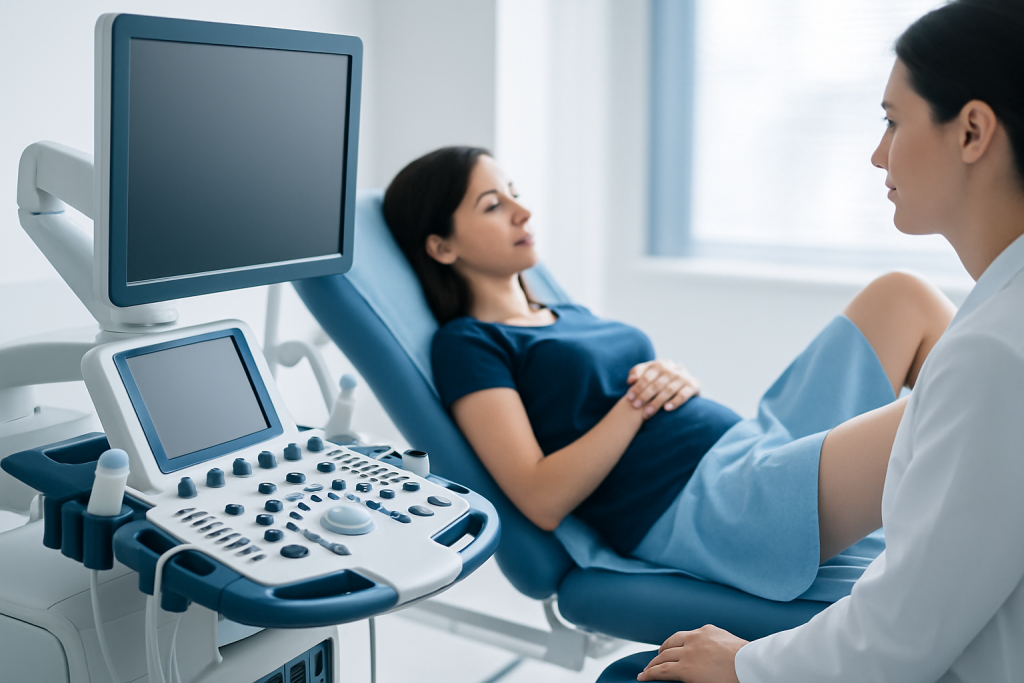
Many people with a retroverted uterus notice nothing unusual. Others may have symptoms that overlap with common gynecologic conditions, which is why a careful evaluation matters.
Possible symptoms can include pelvic discomfort, cramping that feels stronger around menstruation, pain during deep intercourse, or a sense of pressure low in the pelvis. Some people also report a feeling of needing to urinate more often, especially if the uterus is enlarged or there is another pelvic issue present.
- Painful periods or stronger menstrual cramping
- Discomfort during sex, especially with deep penetration
- Low back or pelvic aching
- Urinary frequency or pressure symptoms in some cases
- Difficulty using tampons comfortably, in some individuals
These symptoms are not specific to a retroverted uterus alone. They may point to other causes, such as endometriosis, fibroids, pelvic inflammatory disease, or adhesions, so symptom patterns should be reviewed with a clinician rather than assumed.
Causes & Risk Factors
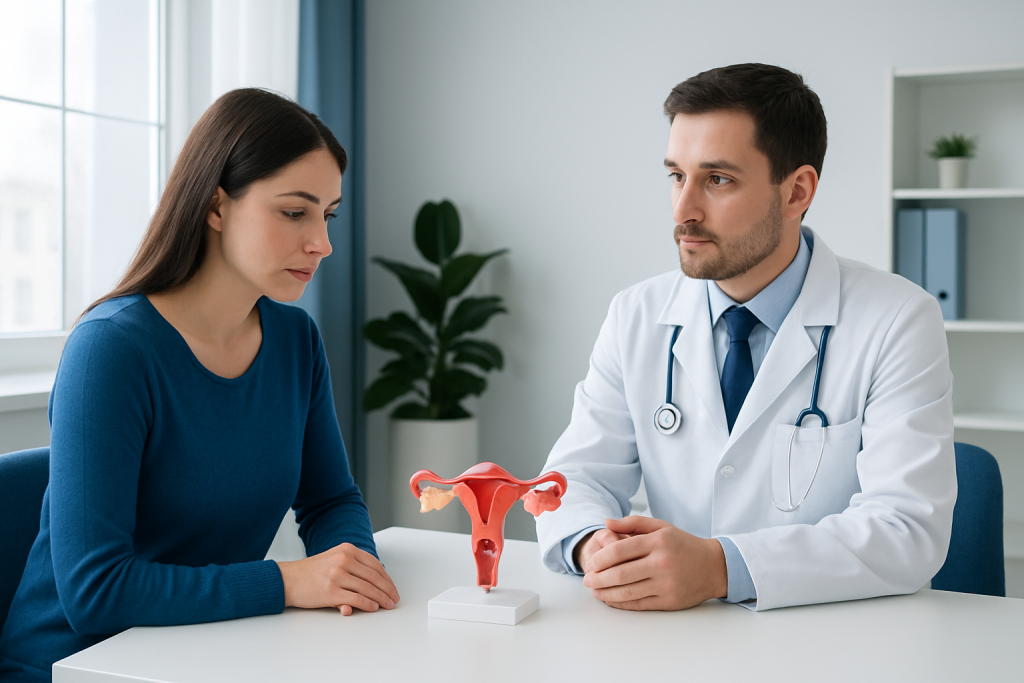
A retroverted uterus may be present from birth, or it may develop later in life. When it appears later, it can be related to changes that affect how the uterus sits in the pelvis.
Possible causes include pregnancy-related stretching of supporting tissues, childbirth, menopause-related tissue changes, or conditions that pull the uterus backward, such as adhesions after surgery or inflammation. Endometriosis can also tether the uterus in a backward position.
Factors that may make a retroverted uterus more likely or more noticeable include:
- Prior pregnancy or childbirth
- Pelvic surgery or prior pelvic inflammation
- Endometriosis
- Fibroids or other pelvic masses
- Natural anatomic variation without any underlying condition
It is important to note that a retroverted uterus is not caused by poor posture or by something a person did wrong. In many patients, there is no clearly identifiable cause, and the finding remains stable over time without harming health.
Diagnosis
Diagnosis usually begins with a gynecologic history and a pelvic examination. During the exam, a clinician may notice the angle of the uterus and check whether it moves freely or feels fixed in place.
An ultrasound is commonly used when more detail is needed. It helps confirm the position of the uterus and can also look for fibroids, ovarian cysts, or signs of other pelvic conditions that may be contributing to symptoms.
If the uterus seems fixed or the symptoms suggest another problem, further evaluation may be recommended. Depending on the situation, this may include testing for infection, additional imaging, or assessment for endometriosis.
For Myomectomy Recovery for International Patients: The Usual Travel Timeline" class="ahp-ilk">international patients, diagnosis is often completed in a single coordinated visit when exam and imaging are arranged together. This can reduce repeat appointments and help the clinician focus on whether the uterine position is an isolated finding or part of a broader pelvic issue.
Treatment Options
Most retroverted uteri do not need treatment. If there are no symptoms and no related condition, reassurance and routine follow-up are often all that is required.
When treatment is needed, it usually targets the cause of symptoms rather than the uterine position itself. For example, endometriosis, fibroids, or pelvic adhesions may be managed first, because addressing those problems may ease pain or pressure.
Depending on the cause and the person’s goals, options may include:
- Pain relief measures recommended by a clinician
- Treatment of endometriosis, infection, or fibroids if present
- Pelvic floor support or rehabilitation when muscle tension contributes to discomfort
- Surgical treatment in selected cases where the uterus is fixed by adhesions or another condition
Surgery specifically to change uterine position is uncommon and usually reserved for special situations. A qualified gynecologist can explain whether any intervention is helpful, unnecessary, or best avoided.
Prevention & Self-care
A retroverted uterus itself cannot usually be prevented, especially when it is simply a natural variation. Self-care is more about staying attentive to symptoms and supporting overall pelvic health.
Keeping menstrual and pelvic symptoms noted in a simple record can help the care team identify patterns, particularly if appointments are being arranged across borders or during a short travel window. This makes it easier to distinguish a stable anatomic finding from a changing condition that needs attention.
Helpful self-care steps may include:
- Tracking pain, cycle changes, and sex-related discomfort
- Seeking evaluation for persistent painful periods or pelvic pain
- Following treatment plans for endometriosis or other pelvic conditions
- Using comfortable positions during intercourse if pain is present
- Returning for review if symptoms change after a stable diagnosis
When care is being coordinated internationally, it can be useful to keep copies of prior ultrasound reports, operative notes, and menstrual history. These records help the next clinician understand whether the uterus has always been retroverted or whether something new may have developed.
When to See a Doctor
Medical review is appropriate if the retroverted uterus is accompanied by pain, heavy or worsening periods, pain during sex, or urinary or bowel symptoms. These complaints may reflect a treatable condition that deserves a proper diagnosis.
It is also wise to seek care if fertility concerns arise, if the uterus feels fixed during an exam, or if symptoms begin after surgery, childbirth, or a pelvic infection. In those situations, the uterine position may be a clue to an underlying issue rather than the whole explanation.
For people traveling for evaluation, a gynecologist can usually help determine whether urgent treatment is needed now or whether follow-up can safely wait until after the trip. Acibadem Health Point’s multidisciplinary specialists and JCI-accredited hospitals can diagnose and treat this condition for international patients when coordinated specialty care is appropriate.
Any sudden, severe pelvic pain, fever, or heavy bleeding should be assessed promptly by a qualified doctor, as these symptoms may signal a problem that goes beyond uterine position alone.
Frequently asked questions
Is a retroverted uterus normal?
Yes. In many people, it is simply a normal variation in uterine position. It is often found by chance and does not cause any health problems.
Can a retroverted uterus cause infertility?
A retroverted uterus by itself usually does not cause infertility. If fertility is a concern, clinicians look for other causes such as endometriosis, fibroids, or tubal problems that may be affecting conception.
Does a retroverted uterus always cause pain?
No. Many people have no symptoms at all. When pain is present, it is important to check whether another pelvic condition is contributing to it.
Can the uterus move into a forward position on its own?
Sometimes the uterus may change position over time, especially after pregnancy or as the pelvis changes. However, many retroverted uteri remain backward-tilted without causing problems.
How is a retroverted uterus treated?
Treatment is not needed if there are no symptoms. If discomfort exists, care usually focuses on the underlying cause, such as endometriosis, fibroids, or adhesions.
Should someone worry if this is found during pregnancy care?
Usually no. A retroverted uterus is commonly monitored and often does not cause complications, though any new pain, bleeding, or urinary difficulty should be discussed with a doctor.
References
- World Health Organization
- American College of Obstetricians and Gynecologists
- Mayo Clinic
- Cleveland Clinic
- Merck Manual Professional Edition
This article is for general information only and is not a substitute for professional medical advice. Please consult a qualified doctor about your individual situation.
More from the Health Library



Related Specialists

Prof. Dr. A. Taner Usta
Gynecology & Obstetrics
Prof. Dr. Ahmet Tayyar
Gynecology & Obstetrics
Prof. Dr. Ahmet Cem Batukan
Gynecology & Obstetrics
Dr. Sevgi Selen
Gynecology & Obstetrics