What Does Implantation Bleeding Look Like

Key Takeaways
- Implantation bleeding is usually light spotting rather than a heavy flow.
- It often appears pink, red, or brown and may last from a few hours to a couple of days.
- It can be easy to confuse with an early period, especially if cycles are irregular.
- A pregnancy test is more reliable after a missed period than immediately after spotting.
- Heavy bleeding, severe pain, dizziness, or clots should be discussed with a doctor.
Implantation bleeding is a light vaginal bleeding or spotting that can happen around the time a fertilized egg attaches to the uterine lining. It is usually mild, brief, and different from a typical menstrual period, but timing and appearance can vary from person to person.
Overview
When someone wonders, “What does implantation bleeding look like?”, the answer is usually simpler than people expect: it is typically light spotting, not a full menstrual flow. It may appear as a few drops on underwear, a small amount of blood when wiping, or light discharge tinted pink or brown.
This can happen when a fertilized egg attaches to the lining of the uterus. Not every pregnancy causes implantation bleeding, and many people never notice it. Its main importance is that it can be confused with an early period, which is why timing and the amount of bleeding matter as much as color.
For patients traveling for fertility care or early pregnancy monitoring, it can be helpful to note exactly when the spotting started, how long it lasted, and whether there were other symptoms. Those details can help a clinician interpret the bleeding more accurately during a consultation, whether in person or by follow-up from another country.
What It Usually Looks Like
Implantation bleeding is generally light and brief. The color is often pink, rust-colored, or brown, because the blood may be older and mixed with normal vaginal discharge. Bright red spotting can also occur, but if the bleeding becomes heavier or progresses like a period, it is less typical for implantation.
The amount is usually small enough that a pad or liner may show only a light stain. It is not usually enough to soak through clothing, and it does not usually include large clots. Many people describe it as spotting that comes and goes rather than steady bleeding.
Some people also notice mild lower abdominal cramping at the same time. That can be part of early pregnancy changes, but cramping alone does not confirm implantation bleeding, since many other conditions can cause similar discomfort.
- Color: pink, brown, or sometimes light red
- Amount: very light spotting or staining
- Texture: usually thin, without clots
- Duration: hours to 1-2 days in many cases
How It Differs From a Period

One of the most useful clues is pattern. A menstrual period usually becomes gradually heavier over the first day or two, while implantation bleeding tends to remain light and may stop quickly. Period blood is also more likely to be bright red at first and then darken as the flow continues.
Timing can help, too. Implantation bleeding often happens a few days before a missed period, although cycle length varies and ovulation timing is not always easy to know. If bleeding appears around the time a period is due, it may be difficult to distinguish the two without waiting for the next few days or taking a pregnancy test at the right time.
Other differences may include symptom intensity and duration. Menstrual bleeding often comes with more predictable cramps, premenstrual symptoms, and a longer course, while implantation bleeding is usually lighter and shorter. Still, no single feature is definitive on its own.
Causes & Risk Factors
Implantation bleeding is linked to the normal process of early pregnancy. As the embryo attaches to the uterine lining, tiny blood vessels may break, leading to light spotting. This is not usually a sign that anything is wrong.
There are no guaranteed risk factors, and some people will experience it while others will not. Early pregnancy bleeding can also occur for other reasons, including hormonal shifts, cervical irritation after intercourse, infection, or, less commonly, a pregnancy-related complication that needs medical attention.
Because the same symptom can have different causes, the context matters. A person using fertility treatment, someone with a history of miscarriage, or someone with pain on one side should speak with a doctor sooner rather than later for a more careful evaluation.
Diagnosis
Implantation bleeding is not diagnosed by a single test. Clinicians usually rely on the person’s history, the timing of the bleeding, the amount and appearance of blood, and whether pregnancy is confirmed. A urine or blood pregnancy test may be recommended if pregnancy is possible.
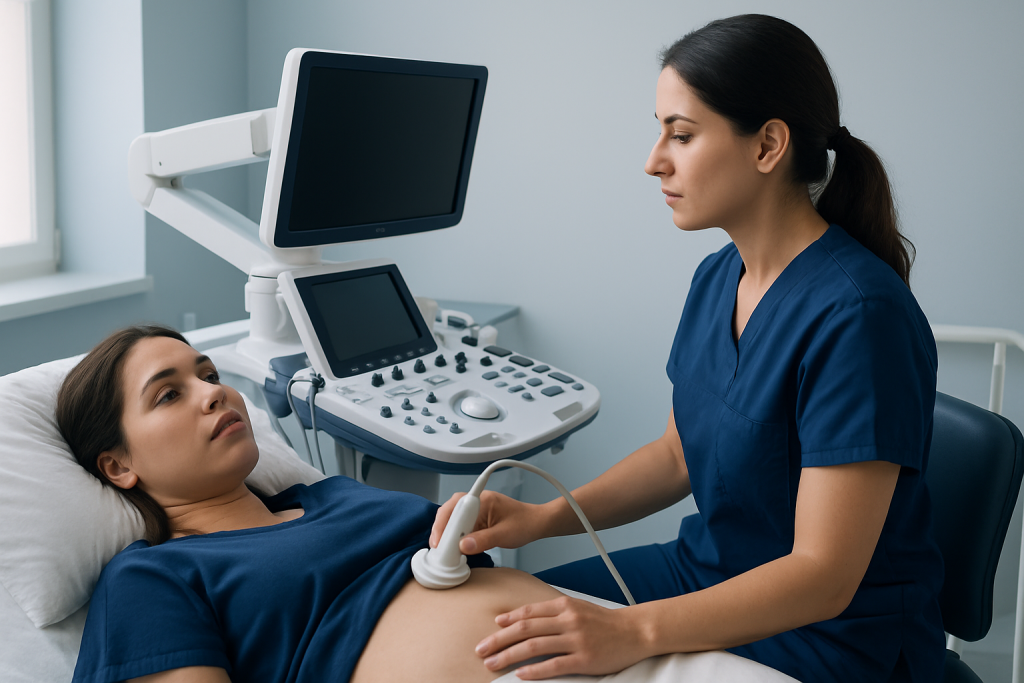
If there is uncertainty, the doctor may suggest repeating a pregnancy test after a missed period or checking blood hCG levels over time. In some situations, an ultrasound may be used later to confirm the location and progress of the pregnancy, especially if pain or heavier bleeding is present.
For international patients, it can be helpful to keep a simple record of symptoms before traveling or during fertility treatment follow-up. A photo of the spotting on a pad or tissue is not always necessary, but a clear timeline can make remote consultation more efficient and meaningful.
Treatment Options
Implantation bleeding itself usually does not require treatment. It tends to stop on its own as early pregnancy continues. The main task is making sure the bleeding is truly mild spotting and not a sign of something that needs medical review.
If pregnancy is confirmed, the clinician may advise routine early pregnancy care, which can include monitoring symptoms, continuing prenatal vitamins if appropriate, and scheduling follow-up. If the bleeding is related to another cause, treatment depends on that cause, such as managing an infection or reviewing medications that may contribute to bleeding.
People who have anxiety about early spotting may benefit from a calm, structured plan: when to test, what symptoms to watch for, and when to contact a doctor. Clear guidance is especially useful when someone is far from home and coordinating care across time zones or languages.
Prevention & Self-care
Implantation bleeding cannot usually be prevented because it is part of early pregnancy biology. Self-care focuses on comfort, observation, and avoiding unnecessary worry while waiting for more information.
Using a panty liner, tracking the color and amount, and noting any cramps or other symptoms can help distinguish light spotting from a more active bleed. It is also sensible to avoid inserting anything into the vagina if a clinician has asked for caution, and to contact a doctor before using any medication for pain or bleeding concerns.
- Track the date, color, and amount of spotting
- Wait until a missed period for a more reliable pregnancy test when appropriate
- Rest if cramping is mild and improve hydration and nutrition
- Seek medical advice before taking new medicines in early pregnancy
When to See a Doctor
Medical advice is important if the bleeding is heavy, lasts longer than expected, or looks more like a menstrual period than light spotting. A doctor should also be contacted if there are clots, worsening cramps, shoulder pain, fainting, fever, or dizziness.
Anyone with a positive pregnancy test and bleeding should discuss the symptoms with a clinician, even if the spotting seems small. This is especially important for people with an ectopic pregnancy history, fertility treatment, or previous pregnancy loss, because early assessment can guide the safest next step.
Acibadem Health Point can connect international patients with multidisciplinary specialists and JCI-accredited hospitals for evaluation and care when early pregnancy bleeding needs further assessment. Whether the concern turns out to be implantation bleeding or another cause, a measured medical review can provide clarity and peace of mind.
What to Expect After Spotting
After implantation bleeding, many people notice no further bleeding and later receive a positive pregnancy test. Others may realize the spotting was actually the start of a period. Because the experience can go either way, waiting for the next few days often provides the clearest answer.
If pregnancy is confirmed, early follow-up may include symptom review, dating of the pregnancy, and advice on when to return for an ultrasound or blood test. If pregnancy is not confirmed and bleeding continues or becomes more intense, the clinician may look for other causes.
The main goal is not to guess from one symptom alone, but to observe the full pattern. That approach is kinder, more accurate, and usually far less stressful than trying to interpret a single day of spotting in isolation.
Frequently asked questions
What does implantation bleeding look like on a pad or tissue?
It usually looks like a small amount of pink, brown, or light red spotting rather than a steady flow. Many people notice only a few spots on underwear or when wiping. It should not usually soak a pad or include large clots.
How long does implantation bleeding last?
It often lasts only a few hours to a couple of days. If bleeding continues longer, becomes heavier, or starts resembling a period, it is less typical of implantation bleeding. In that case, medical advice can help clarify the cause.
Can implantation bleeding happen before a missed period?
Yes, it can happen a few days before the expected period. Because timing overlaps with the premenstrual phase, it is easy to confuse the two. A pregnancy test is usually more reliable after the period is late or missed.
Is implantation bleeding always pink or brown?
No, it can be pink, brown, or sometimes light red. Color alone does not confirm the cause, so the amount of bleeding, duration, and timing are also important. Heavy or bright red bleeding is less typical and should be discussed with a doctor if there is any concern.
Does implantation bleeding mean pregnancy is confirmed?
Not by itself. Spotting may happen in early pregnancy, but it can also have other causes, and some pregnant people never experience it at all. A pregnancy test and, when needed, clinical follow-up provide a more reliable answer.
When should someone worry about bleeding in early pregnancy?
Heavy bleeding, strong one-sided pain, fainting, dizziness, fever, or passage of clots should be reviewed promptly. Even mild bleeding deserves attention if pregnancy has already been confirmed. A doctor can help determine whether the situation is normal or needs urgent care.
References
- American College of Obstetricians and Gynecologists
- National Health Service
- Mayo Clinic
- Cleveland Clinic
- World Health Organization
This article is for general information only and is not a substitute for professional medical advice. Please consult a qualified doctor about your individual situation.