Retainers: Types, Care and How They Work

Key Takeaways
- Retainers help prevent teeth from drifting after orthodontic treatment.
- They may be removable or fixed, and each type has different care needs.
- Wearing the retainer as advised is important for keeping results stable.
- Clean handling and regular checkups can reduce common retainer problems.
- A dentist or orthodontist should review pain, poor fit, or damage promptly.
Medically reviewed by the Acıbadem clinical team — August 19, 2026
A retainer is an orthodontic appliance used to help teeth stay in their corrected position after braces or aligners. It is a routine part of long-term dental care and can make a major difference in maintaining a stable smile.
Overview
A retainer is a custom-made orthodontic appliance that helps teeth remain in their corrected positions after braces or clear aligner treatment. Once teeth have been moved, the surrounding bone and soft tissues need time to adapt, and a retainer supports that settling process.
For many patients, retention is not a short final step but a long-term part of care. Some retainers are worn mainly at night, while others stay in place behind the teeth and work continuously. The right plan depends on the bite, the amount of tooth movement that took place, and the orthodontist’s preference.
People seeking treatment from another country often ask whether retention is as important as active tooth straightening. In practice, it is a key part of protecting the result, especially when follow-up visits may need to be scheduled around travel plans and remote communication.
Symptoms and What a Retainer Feels Like
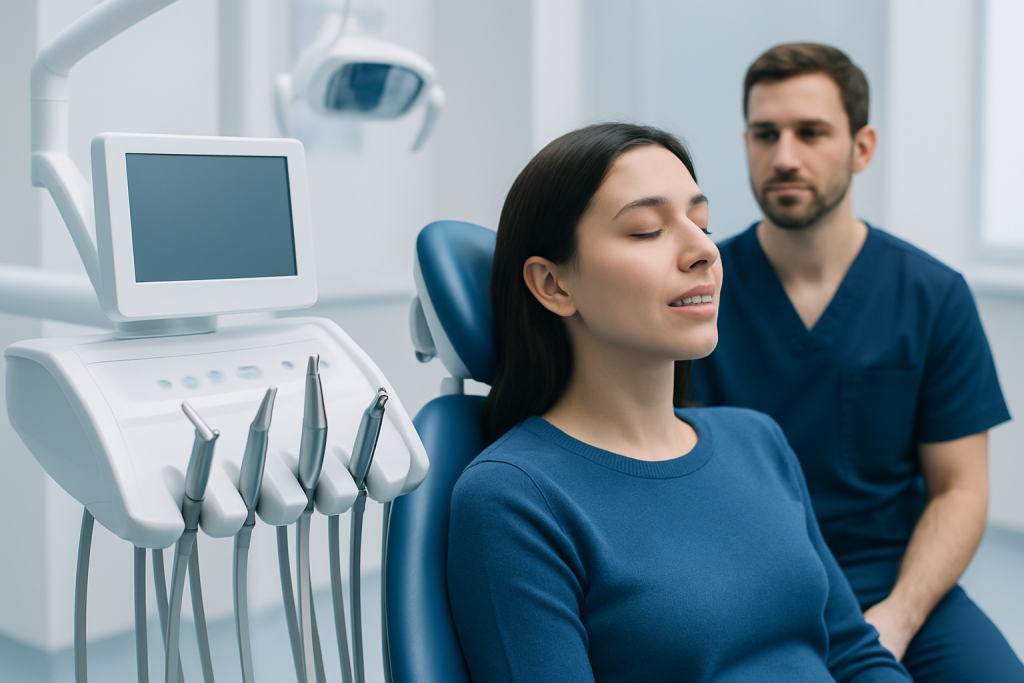
A well-fitting retainer should feel snug at first, but it should not cause sharp pain. Mild pressure is common when a retainer is first started or when it has not been worn for a while, because the teeth may have shifted slightly.
Removable retainers can affect speech briefly, especially in the first days. Some people notice extra saliva, a sense of fullness, or a mild lisp that improves as the mouth adapts. Fixed retainers are usually less noticeable, though patients may feel the wire with the tongue.
Possible signs that something is not right include:
- Persistent pain or pressure that does not settle
- A retainer that no longer fits properly
- Cracks, bends, or rough edges
- Loose bonding on a fixed retainer
- Signs of irritation on the gums or cheeks
These changes do not always mean a serious problem, but they are worth reviewing so the teeth do not gradually move out of position.
Causes and Risk Factors for Teeth Shifting
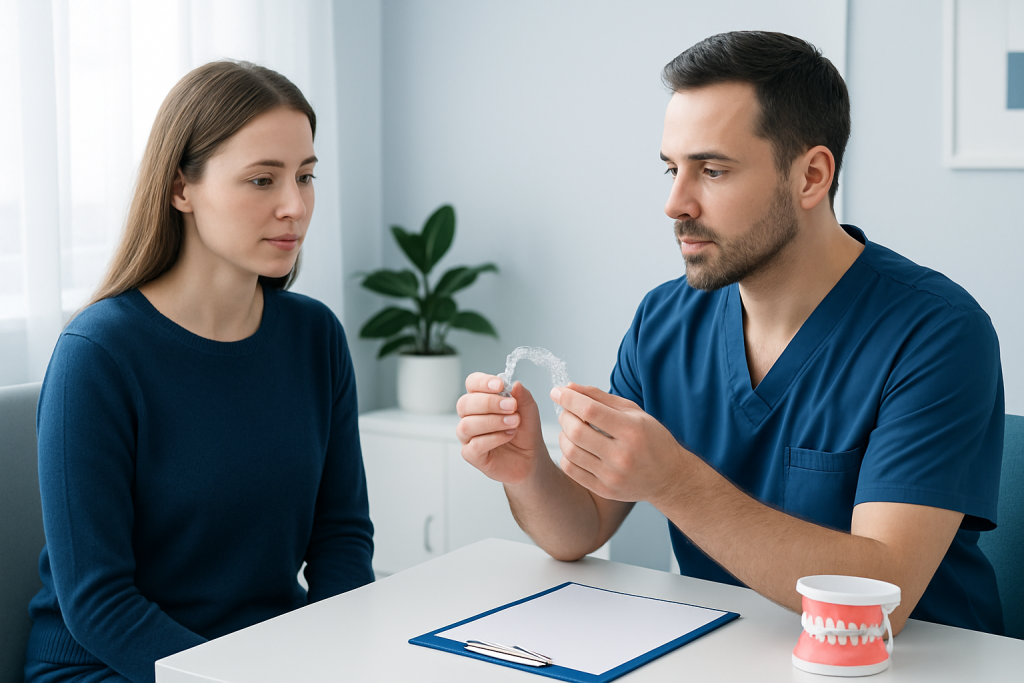
Teeth naturally have a tendency to move over time. Even after successful orthodontic treatment, the ligaments and bone around each tooth continue to remodel, and everyday forces from chewing, swallowing, and speaking can slowly influence alignment.
The risk of relapse is higher when treatment was completed recently, when tooth movement was extensive, or when the bite is still settling. Growth in younger patients can also change the alignment of the teeth and jaws over time.
Other factors may contribute to unwanted movement:
- Not wearing a removable retainer as instructed
- Damage to a fixed retainer
- Missing regular orthodontic follow-up
- Grinding or clenching in some patients
- Changes in teeth caused by age, wisdom teeth, or dental work
Because each mouth behaves a little differently, retention plans are usually individualized rather than one-size-fits-all.
Types of Retainers
Retainers are commonly grouped into two main categories: removable and fixed. Removable retainers include clear plastic styles and wire-acrylic appliances. They can be taken out for eating and cleaning, which many patients find convenient.
Fixed retainers are thin wires bonded to the back of the teeth, usually on the lower front teeth and sometimes on the upper teeth. They are not removed by the patient and can be useful when long-term stabilization is needed or when wear schedules may be difficult to follow.
Each type has strengths and limitations. Removable retainers depend on patient cooperation, while fixed retainers require careful cleaning around the wire. An orthodontist may recommend one or a combination of both, depending on how the teeth were moved and how stable the bite appears.
Diagnosis and Fitting Process
Retainer planning begins after the active orthodontic phase is complete. The orthodontist checks how the teeth fit together, whether the gums and bone are healing well, and whether any small finishing adjustments are needed before retention begins.
To make a retainer, the dental team may take digital scans or impressions of the teeth. These records help create a custom appliance that matches the current alignment closely. If a fixed retainer is planned, the teeth are cleaned and prepared before the wire is bonded in place.
At the fitting visit, the patient learns how to place and remove the appliance, how often to wear it, and what level of pressure or speech change is expected. For patients traveling internationally, clear written instructions and a realistic follow-up plan are especially helpful, since routine checks may need to be coordinated across time zones and return visits.
Treatment Options and Everyday Care
Retainer care focuses on protecting both the appliance and the teeth. Removable retainers should usually be cleaned gently with cool or lukewarm water and a soft brush. Harsh heat can distort many plastic retainers, so hot water and direct sunlight are best avoided.
Eating with a removable retainer in place is usually not advised unless the orthodontist gives different instructions. The appliance can be damaged, and food particles may become trapped. When the retainer is not being worn, it should be kept in its case to reduce loss or accidental breakage.
Fixed retainers need careful brushing and flossing around the bonded wire. Some patients benefit from floss threaders, interdental brushes, or water flossers to clean hard-to-reach areas. Regular dental checkups help the team look for plaque buildup, worn bonding, or early signs of movement.
Helpful care habits often include:
- Bringing the retainer to follow-up appointments
- Storing it safely away from pets and young children
- Avoiding bending or adjusting it at home
- Replacing worn cases when they no longer protect the appliance
- Contacting the orthodontic team if fit changes
Prevention and Self-care
The most reliable way to keep teeth in position is consistent retainer use according to the treatment plan. Some patients need full-time wear for an initial period, followed by nighttime wear, while others may transition sooner or later depending on their stability.
Self-care also includes protecting the mouth from habits that can stress teeth and appliances. Nail biting, chewing ice, and using teeth as tools can damage retainers or affect alignment. If a person grinds their teeth at night, the orthodontist may discuss whether the retention plan should be adjusted.
For international patients, self-care often also means planning ahead for travel. Keeping a backup case, knowing where to store cleaning supplies, and having contact details for the treating clinic can make it easier to stay on schedule even after returning home. If follow-up is expected abroad, digital photos or remote reviews may sometimes be useful, depending on the clinic’s system.
When to See a Doctor
A dentist or orthodontist should be contacted if the retainer becomes loose, painful, cracked, or visibly warped. A retainer that suddenly feels tight after being left out for some time may still be salvageable, but it should not be forced into place without professional advice.
Prompt review is also sensible if teeth seem to be shifting, if the bite feels different, or if a fixed retainer wire detaches from one tooth. Small problems are often easier to manage early, before movement becomes more noticeable.
Patients who are traveling or living abroad should not wait until the next planned visit if the retainer is no longer fitting. In many cases, the treating team can advise on whether local dental review is appropriate or whether the appliance needs to be replaced. Acibadem Health Point’s multidisciplinary specialists and JCI-accredited hospitals support diagnosis and treatment for international patients who need orthodontic follow-up and retention care.
Living Well With a Retainer
Most people adapt to retainers quickly, and the appliance soon becomes a routine part of daily life. The main goal is simple: preserve the effort, time, and dental health invested during orthodontic treatment.
Good retention is usually a partnership between the patient and the orthodontic team. When instructions are clear and follow-up is consistent, patients are more likely to keep their smile stable and avoid unnecessary repeat treatment.
For many families and international patients, a retainer is less about remembering one final appointment and more about protecting a long-term result. With appropriate care, it can quietly do its job for years.
Frequently asked questions
How long does a retainer need to be worn?
The length of wear varies from person to person and depends on how much the teeth moved and how stable the bite is. Many patients begin with more frequent wear and later transition to nighttime use, sometimes long term. The orthodontist’s plan should be followed closely because stopping too soon can allow teeth to shift.
Is a retainer supposed to hurt?
A retainer may feel tight or slightly uncomfortable at first, especially if it has not been worn regularly. Mild pressure usually settles, but sharp pain or ongoing soreness is not typical. If that happens, the retainer should be checked by a dental professional.
What is the difference between a fixed and removable retainer?
A removable retainer can be taken out for cleaning and meals, while a fixed retainer is bonded behind the teeth and stays in place. Fixed retainers are often less dependent on daily compliance, but they need careful cleaning. Removable retainers are easier to clean but must be worn as prescribed.
Can a retainer stop teeth from moving forever?
A retainer helps greatly, but teeth can still change slightly over time because the mouth is always adapting. Wearing the retainer as advised and attending follow-up visits gives the best chance of keeping results stable. Some people need longer-term retention than others.
How should a removable retainer be cleaned?
Most removable retainers are cleaned gently with a soft brush and cool or lukewarm water. Harsh chemicals, boiling water, and high heat can damage the material. The orthodontist may suggest a specific cleaning method if the retainer has special materials or build-up.
What should someone do if the retainer no longer fits?
It should not be forced into place. A retainer that suddenly feels too tight, seems warped, or does not sit correctly may indicate tooth movement or appliance damage. The best step is to contact the orthodontist or dentist for guidance as soon as possible.
References
- American Association of Orthodontists
- British Orthodontic Society
- Mayo Clinic
- Cleveland Clinic
- National Health Service
This article is for general information only and is not a substitute for professional medical advice. Please consult a qualified doctor about your individual situation.
Explore treatments in Turkey — costs, top hospitals & a free quote
JCI-accredited · board-certified surgeons · reply within 24h
Add us as a Preferred Source to see more of our trusted health content across Google Search, AI Overviews and Discover.